
“Lubricate These Immediately”: Car Parts That Need Regular Grease Maintenance
Many parts in your car—not just the engine—require regular lubrication to prevent costly repairs.
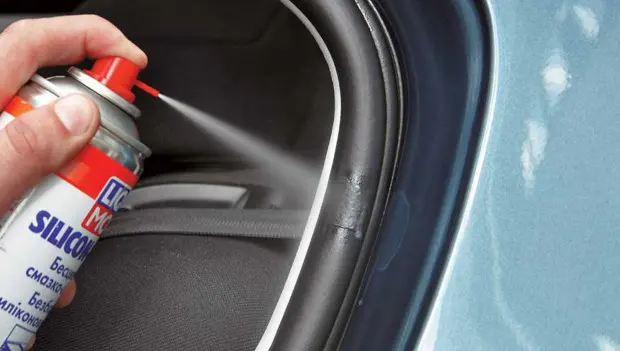
Every driver understands how important engine oil is for keeping an engine alive. What many people overlook, however, is that a vehicle has plenty of other components that also require regular lubrication. Ignoring them can lead to noise, premature wear, and expensive repairs. Here are five of the most important areas drivers should pay attention to.
Before applying grease or lubricant to any part, always make sure that component does not require a specific factory-approved product. Some mechanisms are designed for specialized lubricants only. Before applying anything, clean the area thoroughly by removing dust, dirt, and moisture. It’s also strongly recommended not to mix different types of lubricants on the same part or within the same mechanism.
Suspension
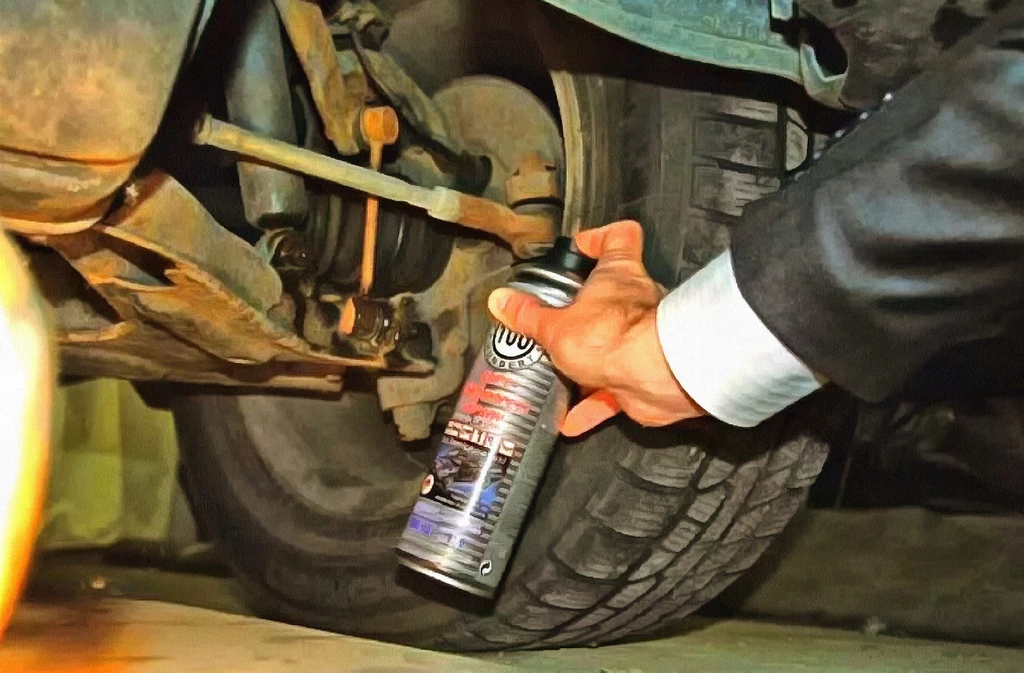
This may surprise some drivers, but parts of the suspension system also need regular lubrication. In most cases, silicone-based lubricant is the safest choice. Proper lubrication can help prevent squeaks, rattles, and unwanted noises during acceleration or hard braking.
It’s also important to inspect and lubricate ball joints, suspension bushings, and CV joint boots when needed, since these areas are especially vulnerable to wear over time.
Brakes
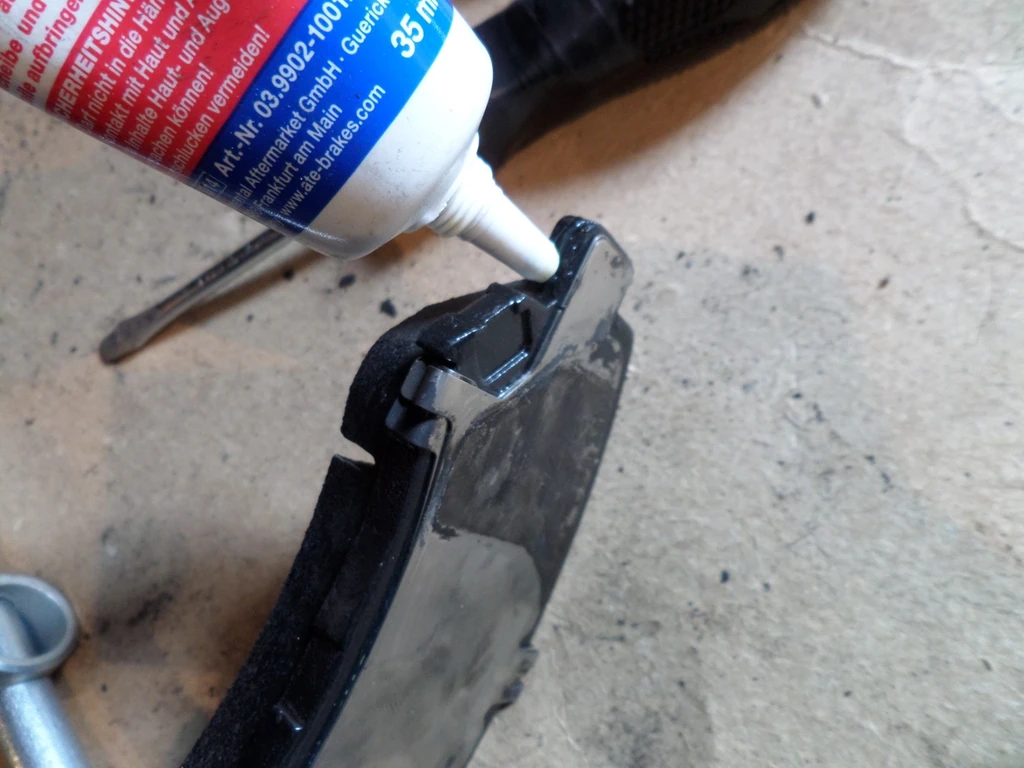
The brake system also requires careful attention. Strange noises are often the first warning sign that something is wrong. If you hear squeaking, squealing, or metallic sounds, the brakes should be inspected immediately.
In many cases, these noises point to worn hardware or a lack of proper lubrication in moving brake components. Brake service should include lubrication every time brake pads are replaced—but only on the correct parts.
One critical warning: never apply grease directly to the brake pads or rotors. Doing so can seriously reduce braking performance and create a major safety risk. Only the caliper guide pins and pistons should be lubricated using the proper high-temperature brake grease.
Locks and Rubber Seals
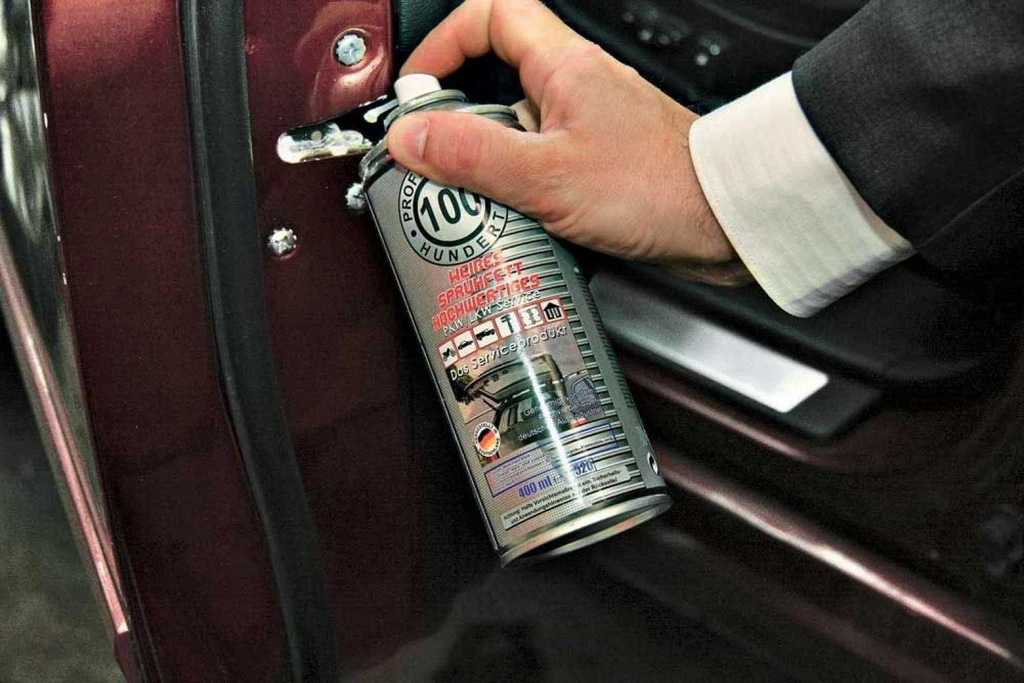
Door locks, trunk latches, rubber seals, and other moving plastic or rubber components also benefit from regular maintenance. These parts are exposed to moisture, dirt, and temperature changes year-round.
A product like WD-40 is commonly used for locks and hinges, while rubber seals may benefit more from silicone protectants that prevent cracking and sticking.
The timing belt system also deserves attention, but this is one area where only manufacturer-approved products should be used. Specialized lubricants for related components are available through auto parts stores, and using the wrong product can cause serious damage.
When in Doubt, Visit a Shop
For all of these maintenance points, the safest option is often a professional service center. Technicians know exactly which lubricant is needed, where it should be applied, and how much to use. A small mistake in lubrication—especially with brakes or suspension—can quickly turn into a much bigger problem.
You may also be interested in the news:
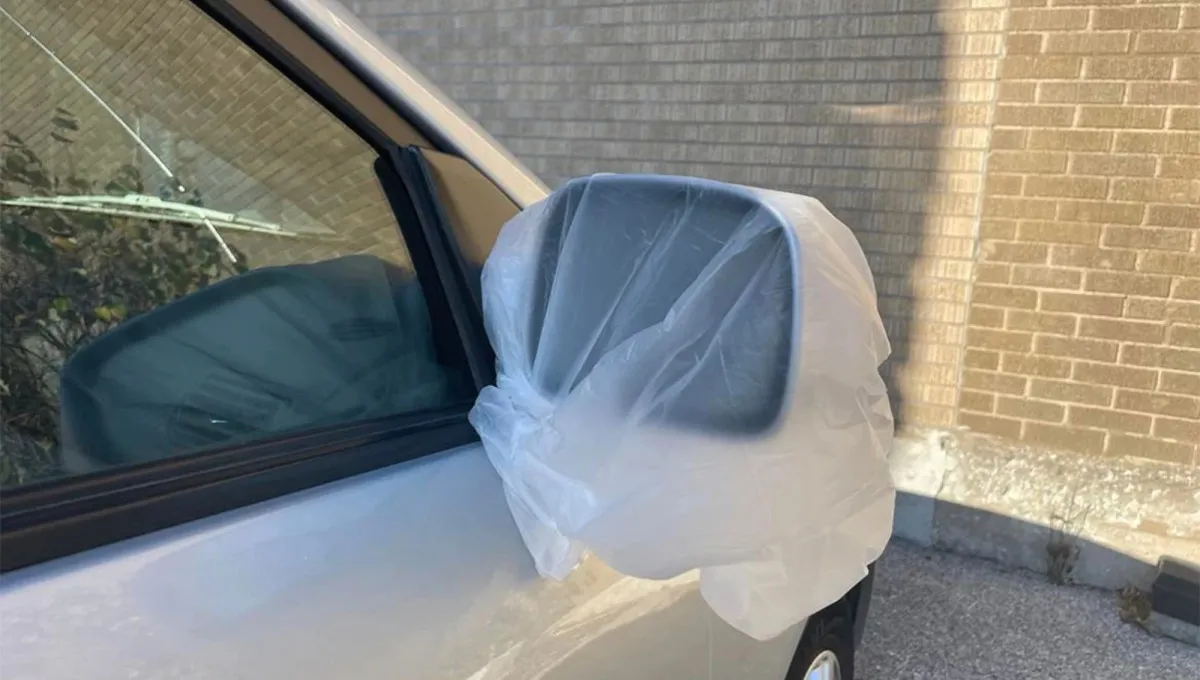
Why You Should Never Ignore a Plastic Bag on Your Car Mirror
You park your car, head inside, and return a short time later to find an ordinary plastic bag hanging from the side mirror.
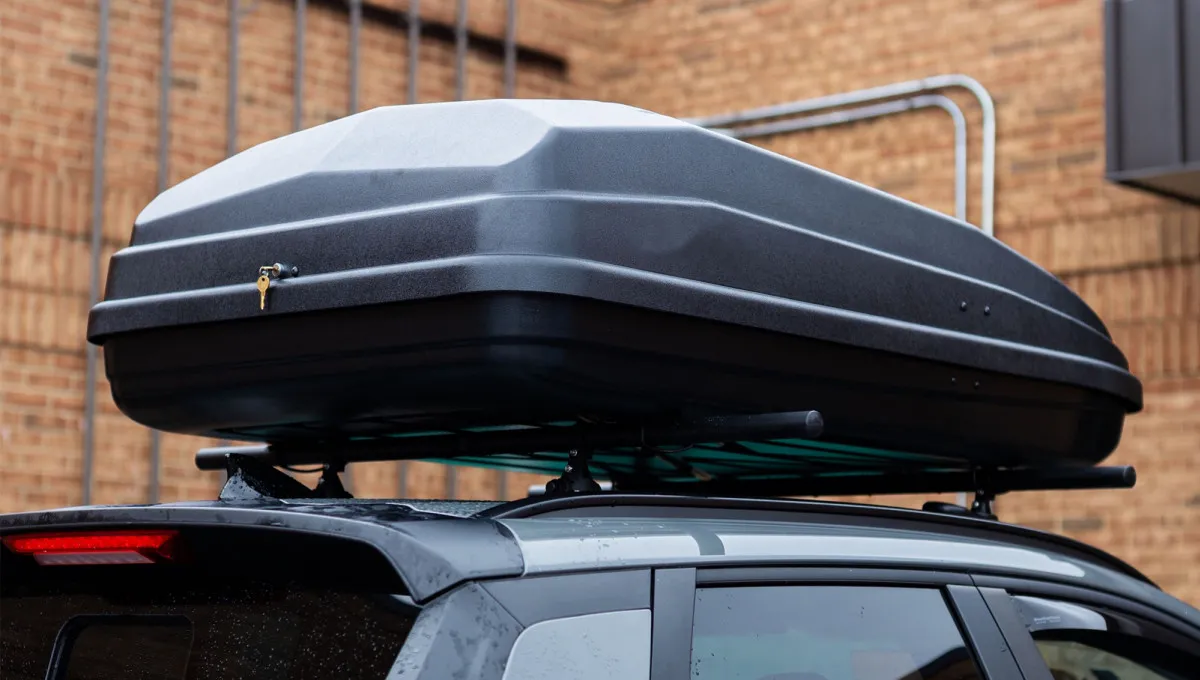
Auto Expert Warns Drivers About Common Mistakes When Installing a Roof Cargo Box
Roof cargo boxes have become increasingly popular with drivers looking for an easy way to carry more gear on road trips.
One Capful and Your Wipers Stop Squeaking: Experts Reveal a Simple Trick
We've all been there: windshield wipers start squeaking, smear grime across the glass and leave streaks behind instead of actually helping.
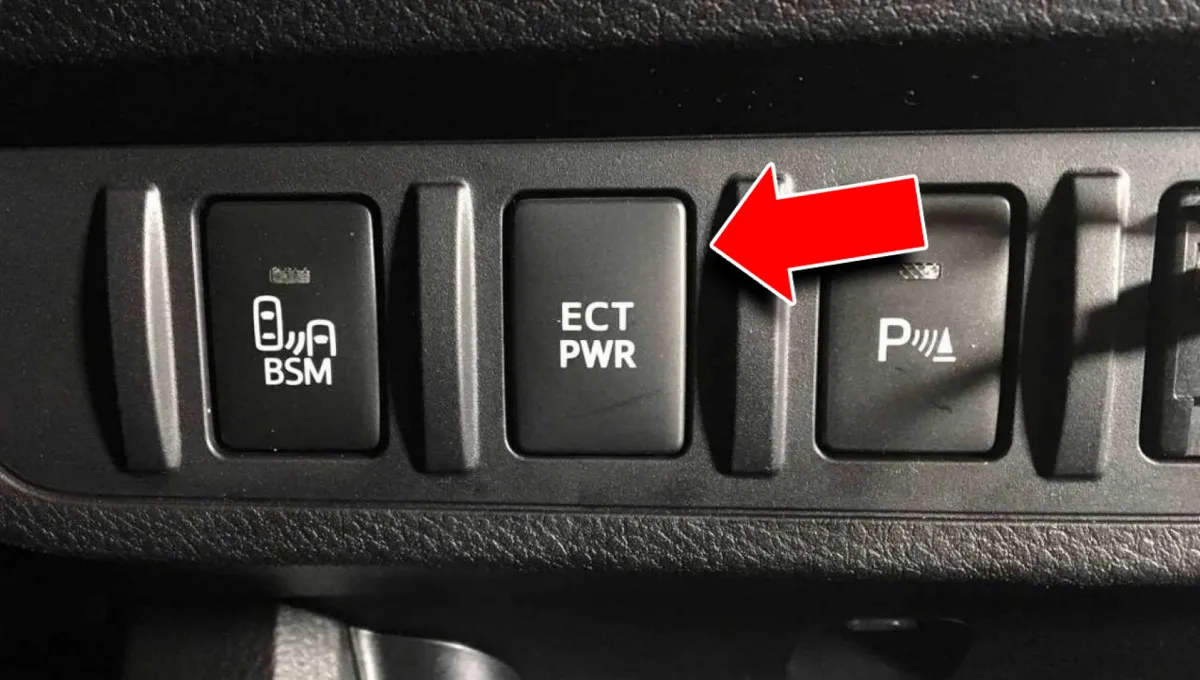
You Hit ECT PWR and Your Toyota Suddenly Wakes Up: What That Mysterious Button Really Does
This little button can change the way a Toyota drives, but plenty of owners have no idea what actually happens when they press it.
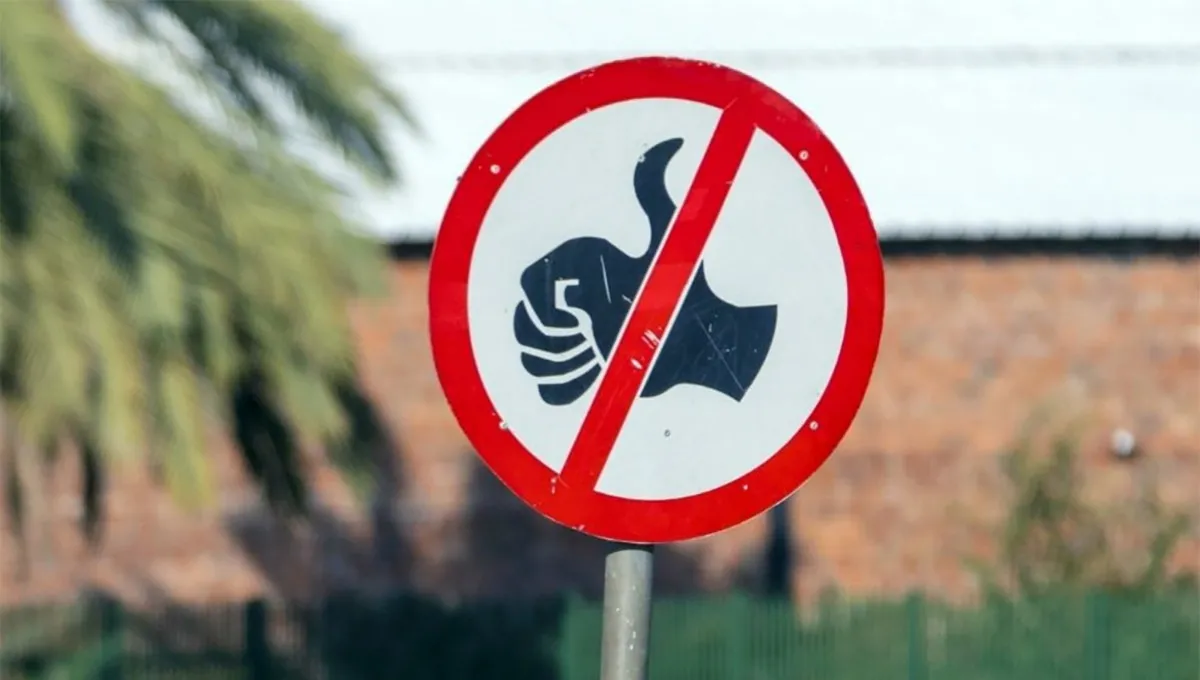
It Confuses Many Drivers: What Does the Road Sign With a Thumbs-Up Mean?
This unusual sign appears near highway entrances, tunnels and other locations where roadside stops can create serious safety hazards.