
Engine Temperature Hits the “Red Zone”: What You Should Do Next
Engine overheating is something almost every driver may face at some point on the road.
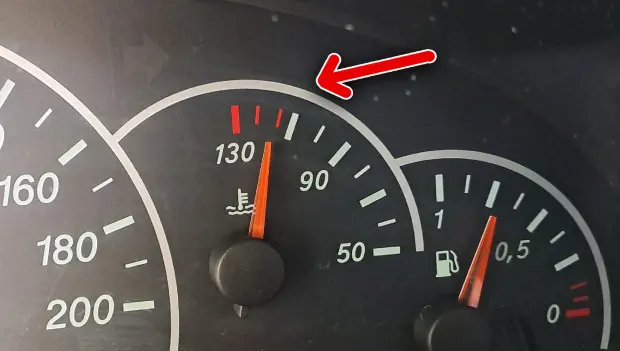
Engine overheating is an issue that can happen to virtually any driver, regardless of the vehicle they own or its class. It often strikes without warning and at the worst possible moment, which is why it’s important to know how to react when it happens.
In most cases, overheating is caused by a malfunctioning cooling fan or a clogged radiator. Some engines are also more prone to what mechanics call “unstable overheating,” where temperatures rise unpredictably. In modern vehicles, drivers are usually alerted through a dashboard indicator—often a warning light instead of the traditional temperature gauge.
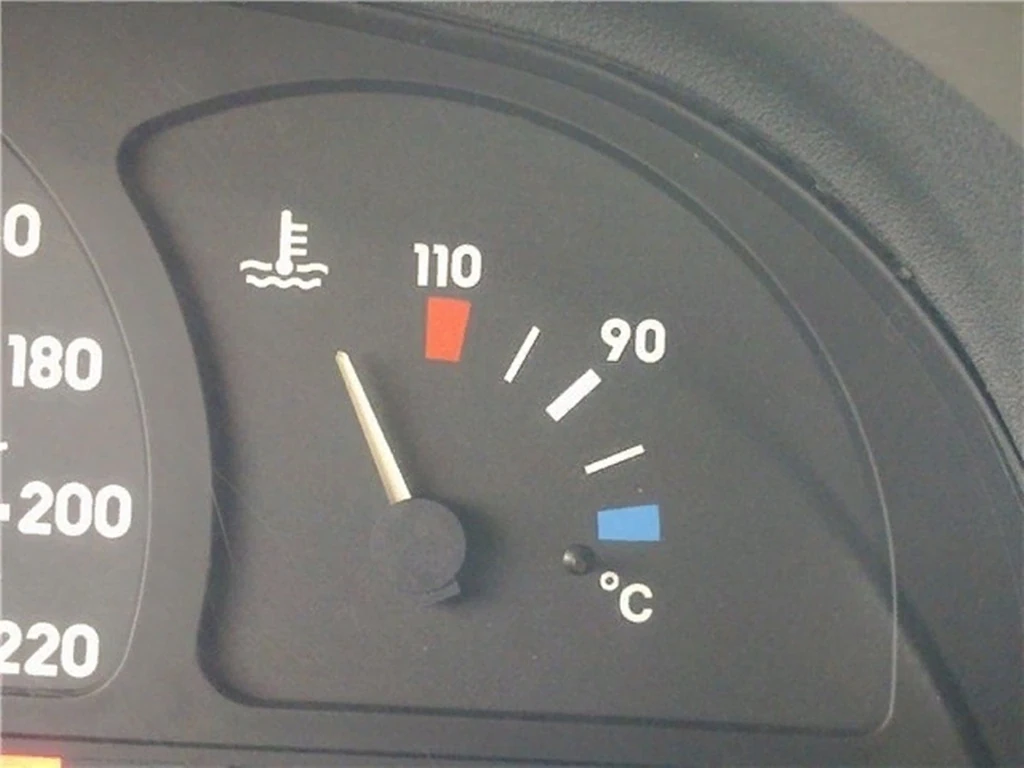
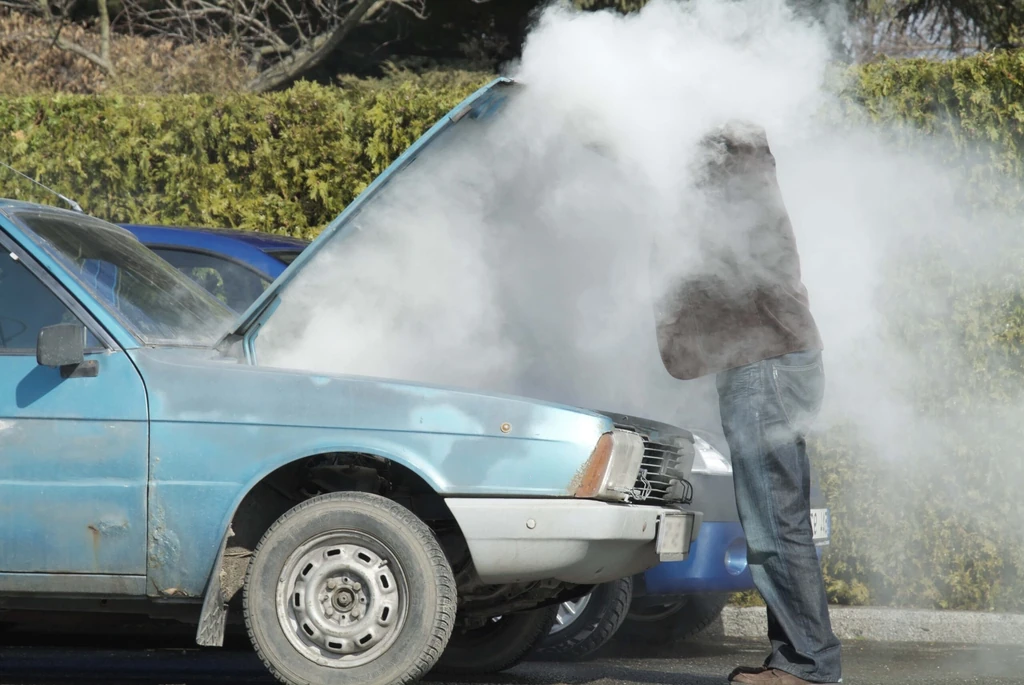
Once the engine enters the overheating zone, continuing to drive normally is not an option. In fact, it can quickly become dangerous both for the vehicle and the driver. Professional inspection will be needed afterward, but in the moment, a few simple steps can help reduce potential damage.
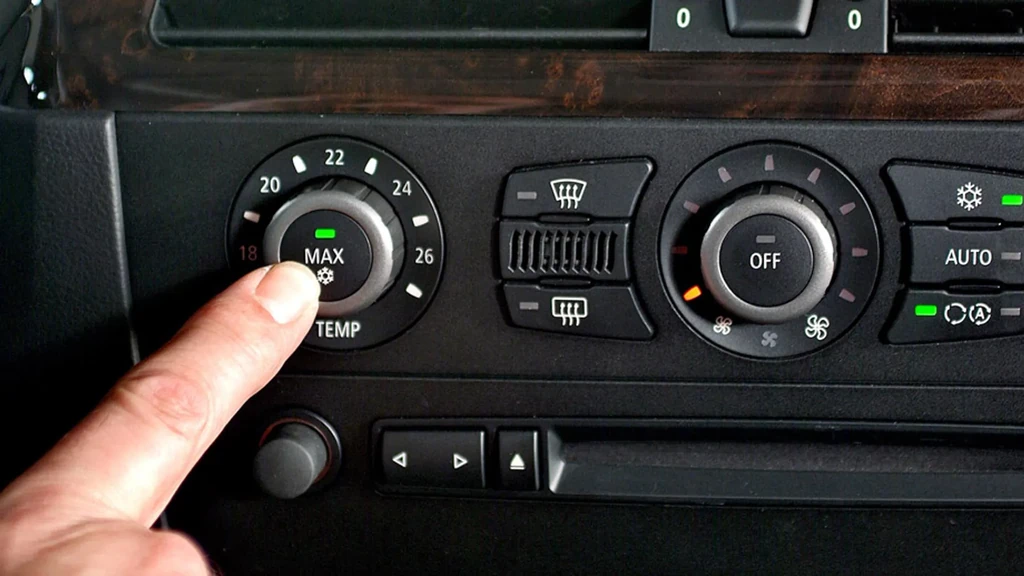
The first thing to do is turn the cabin heater on full blast, both temperature and fan speed. It may sound strange, but this helps transfer some of the excess heat away from the engine into the cabin’s airflow system. It’s also important to open all windows, since the interior can heat up very quickly.
Next, the driver should slow down and, if possible, pull over safely while turning on hazard lights. Continuing at low engine speeds helps improve airflow through the radiator, which can assist in bringing temperatures down.
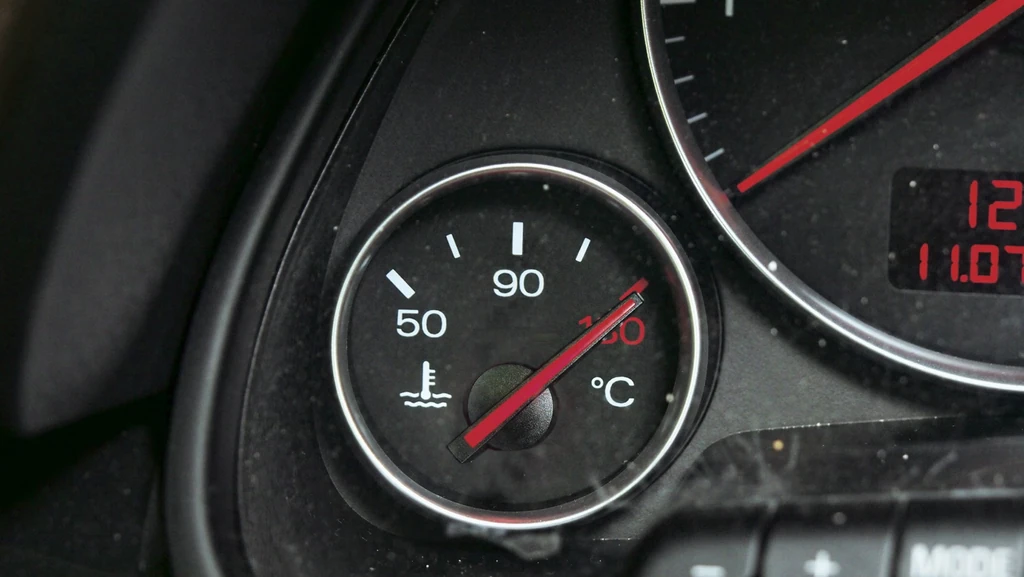
Once the temperature gauge returns to a normal range, the engine can be shut off. After that, it’s best to wait until the engine has fully cooled before attempting to restart or inspect anything further.
Handling the situation calmly can make a big difference in preventing more serious—and expensive—damage.
You may also be interested in the news:
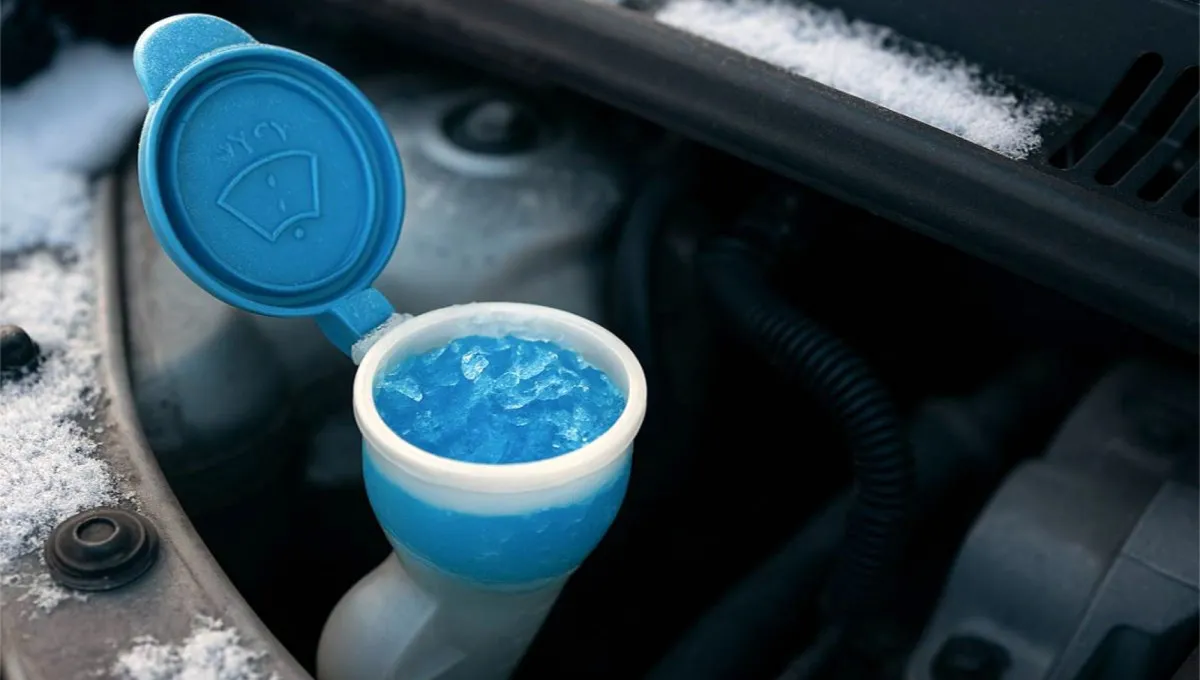
Windshield Washer Fluid Frozen in the Reservoir? Here’s How to Thaw It
A frozen washer system can catch drivers off guard, especially when a cold morning reveals that yesterday’s windshield washer suddenly stopped working.
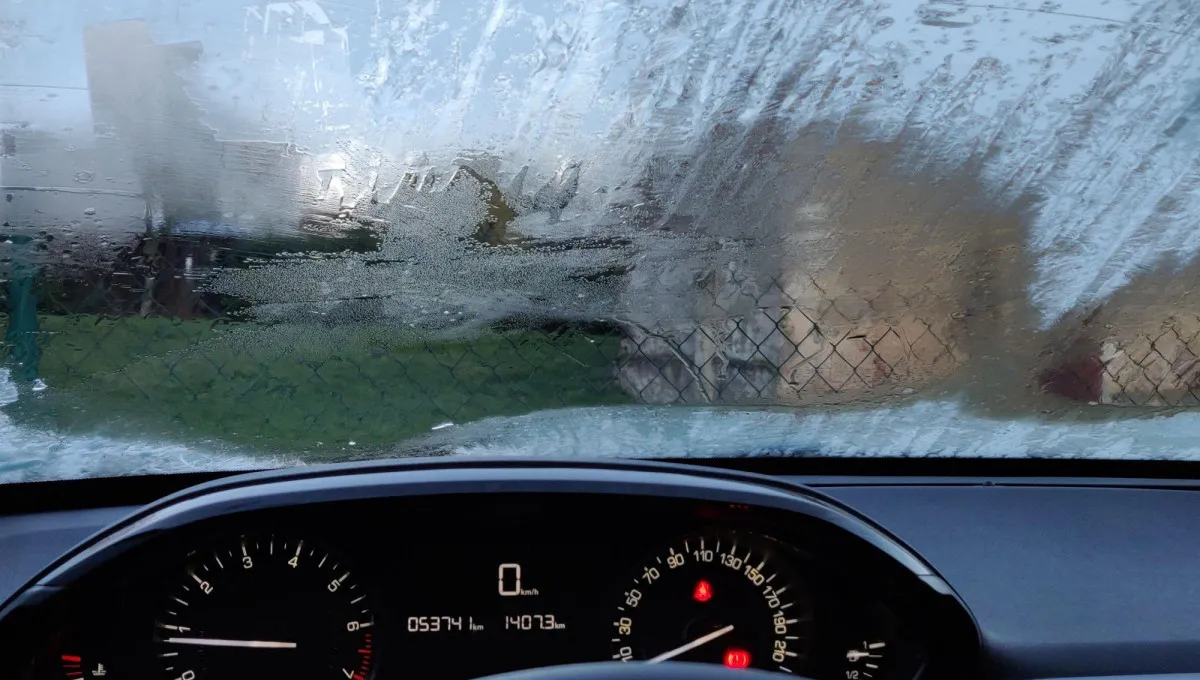
One Car Button Can Make Your Windows Fog Up Faster: What Not to Do in the Rain
Moisture brought into the cabin by drivers and passengers can linger in the air and settle on cold windows, reducing visibility.
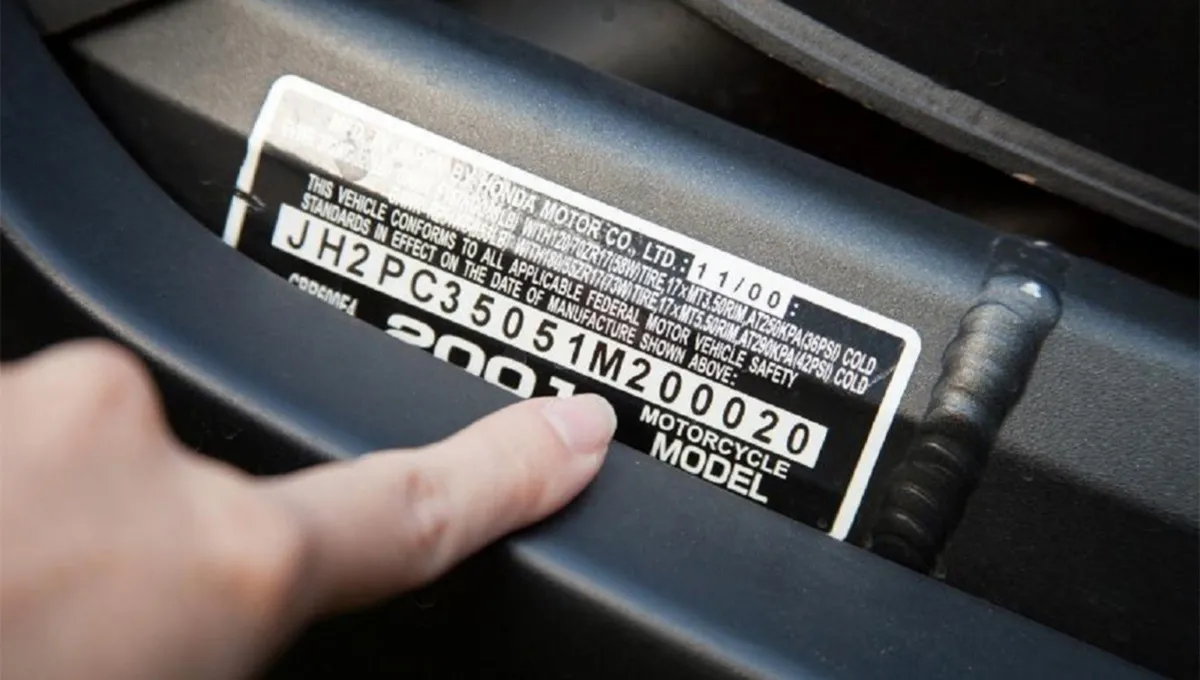
VIN-Based Auto Parts Lookup: Where Buyers Make the Most Mistakes
A VIN helps identify the right replacement part for your vehicle, but it cannot account for every change. Here’s what sellers need to know.
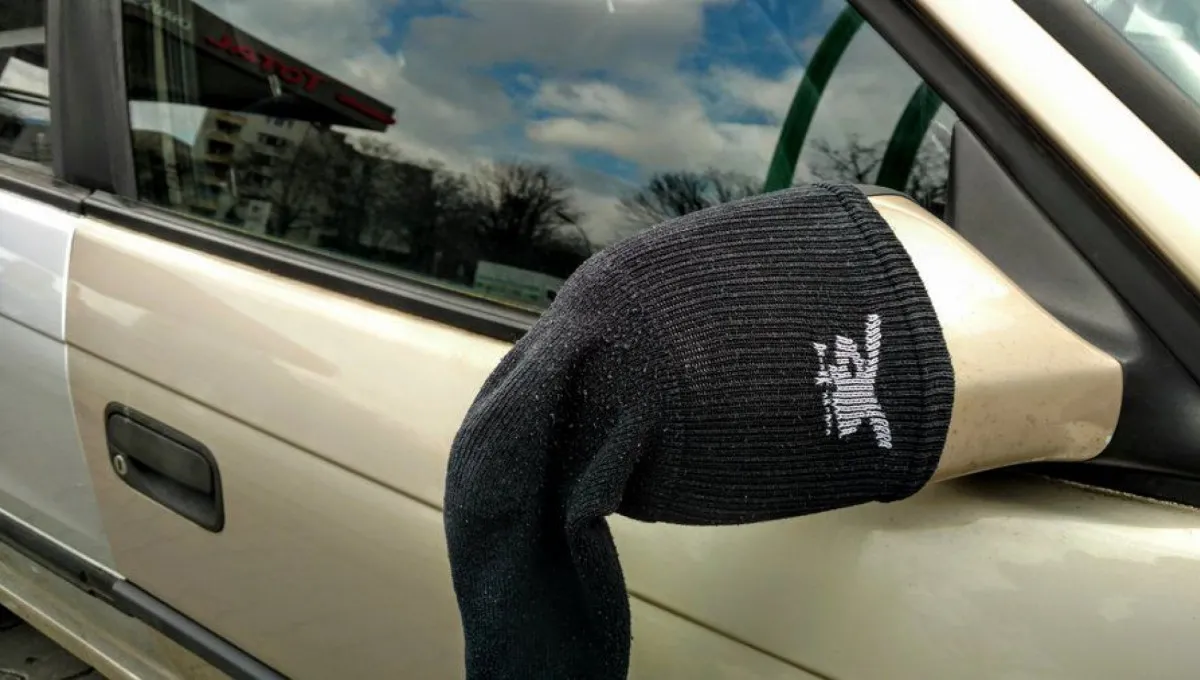
Why Experienced Drivers Put Socks on Their Car Mirrors in Fall: The Clever Trick Explained
An old pair of socks can help reduce frost buildup on your side mirrors overnight, saving time on cold mornings when every minute counts.
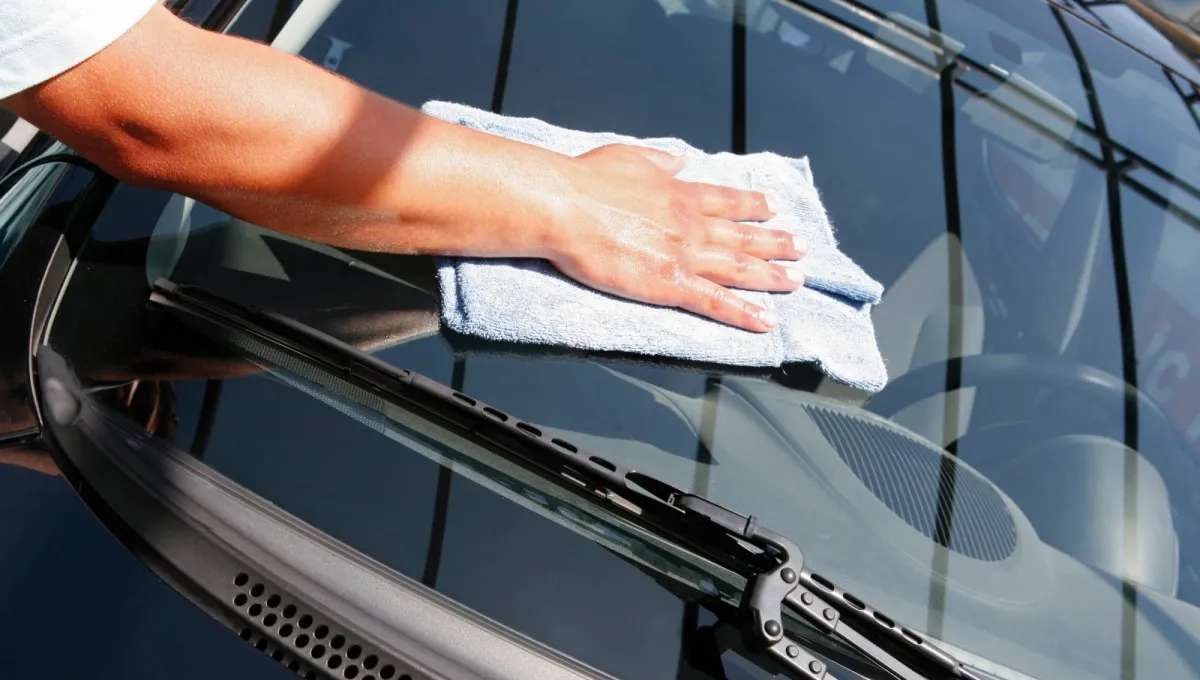
How to Clean Your Windshield Without Streaks: Experts Recommend This Simple DIY Mix
The secret to a streak-free windshield comes down to the right cleaning solution, two microfiber cloths, and the proper drying technique.