
Chevrolet Shifts Strategy Away From New EVs, Reveals Five-Year Product Roadmap
General Motors has revised Chevrolet's future plans, with gasoline-powered models taking priority over new electric vehicle development.

General Motors has updated Chevrolet's long-term product strategy. Over the next five years, the brand will focus primarily on developing gasoline-powered vehicles, including new sedans, instead of expanding its lineup of all-new electric models.
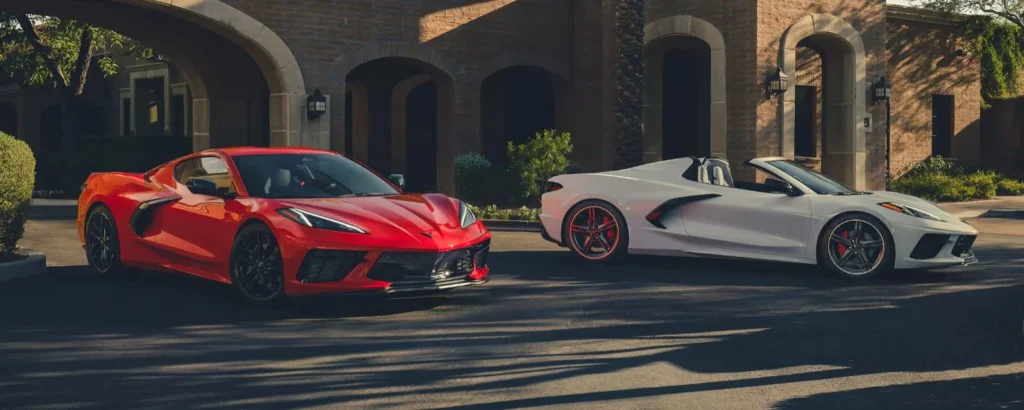
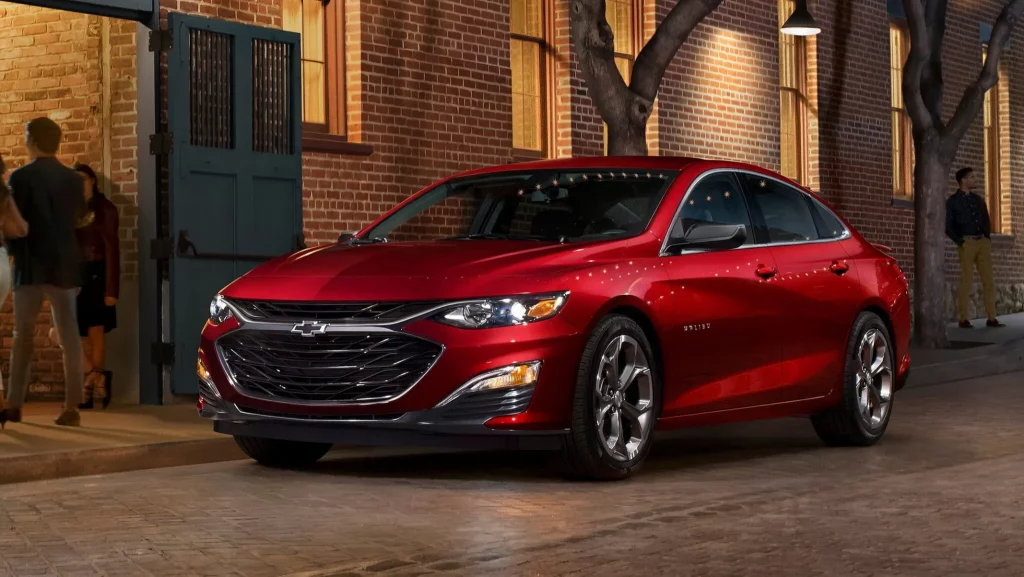
According to the company's plans, Chevrolet will prioritize vehicles that better match current market demand. Within the next two years, the automaker is expected to introduce a new four-door performance model. Industry reports suggest the car could revive the Camaro nameplate.
Chevrolet has not confirmed the model's final name. However, several U.S. media outlets, citing sources familiar with the company's plans, have repeatedly reported in recent months that Chevrolet intends to bring back its iconic muscle car. The new model is expected to ride on the same rear-wheel-drive platform used by the Cadillac CT5. That architecture is also expected to underpin an upcoming Buick sedan.
It's still unclear whether the next Camaro will retain V8 power. The entry-level version is expected to use a 2.0-liter turbocharged four-cylinder, while the range-topping model could receive a 6.7-liter V8 previously introduced in the Corvette Grand Sport, producing more than 500 horsepower. If the Camaro returns, it is expected to offer both a 10-speed automatic transmission and a 6-speed manual.
Adding a new four-door model would broaden Chevrolet's lineup, which is currently dominated by pickups and SUVs.
At the same time, the company has revised its electric vehicle strategy. According to the report, Chevrolet has decided to stop developing new EVs because demand for fully electric vehicles in the U.S. has shown little growth. The decision is also linked to the federal government's removal of incentives for EV purchases. As a result, production of the Chevrolet Bolt is expected to end next year.
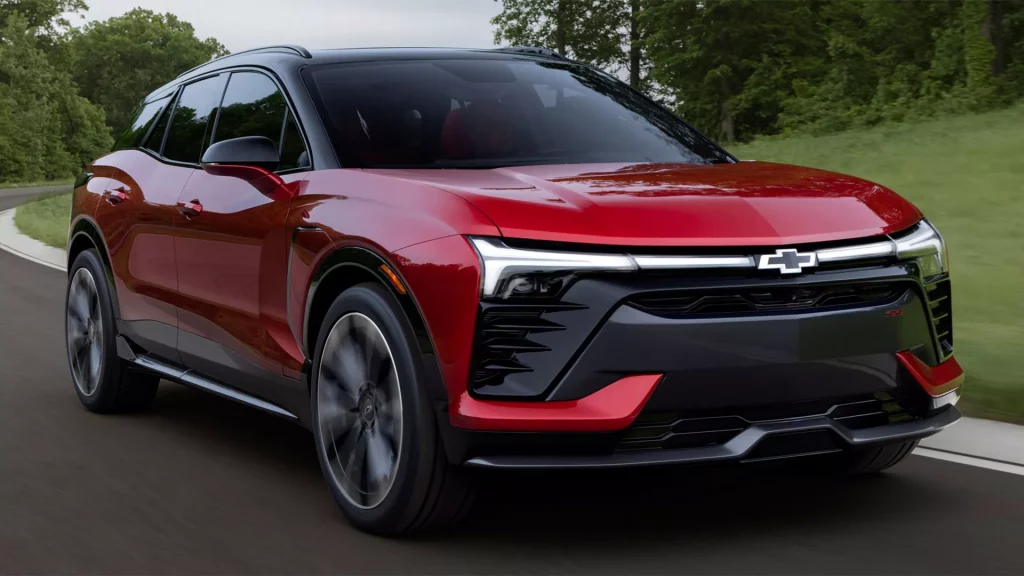
Chevrolet will continue producing its existing electric crossovers, the Blazer EV and Equinox EV, both of which are scheduled to receive updates in 2028. The company also plans to continue building the Silverado EV, while its direct rival, the Ford F-150 Lightning, has reportedly exited the market. In addition, Chevrolet and Hyundai are expected to launch a new electric van within the next two years as part of their partnership.
Looking further ahead, Chevrolet is expected to introduce the next-generation Corvette in 2029, marking the model's first full redesign in about a decade.
Notably, Chevrolet's current roadmap does not include the development of hybrid vehicles. The company has not explained why hybrids are absent from its future product plans.
You may also be interested in the news:
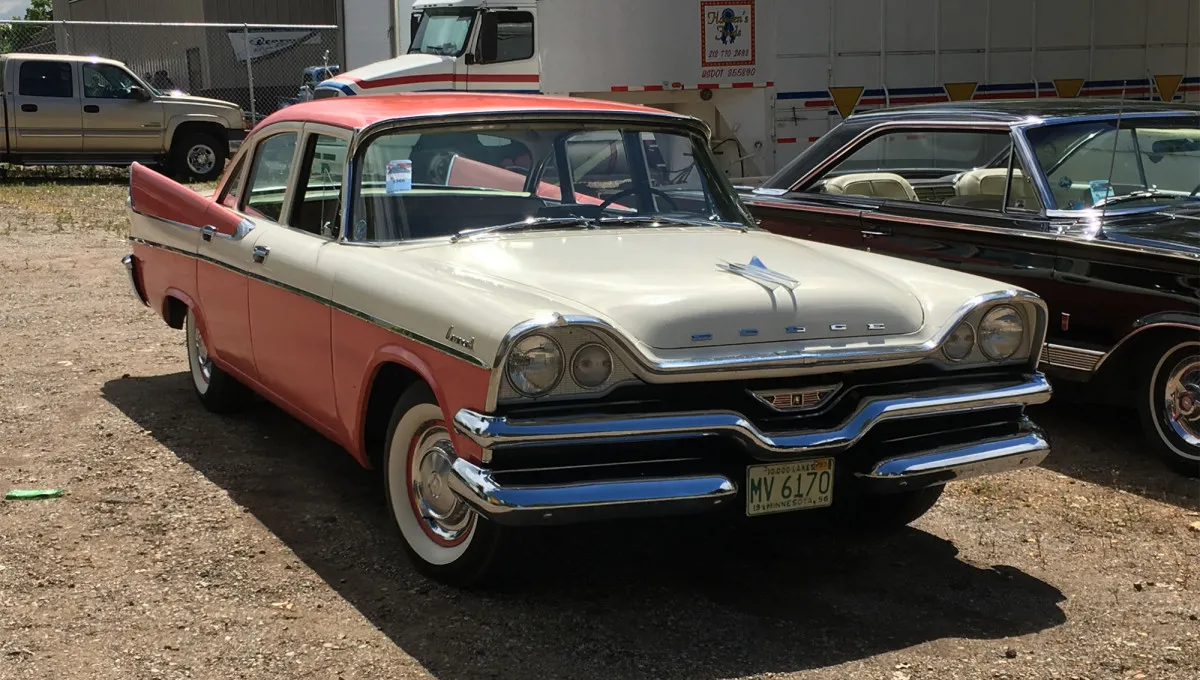
The 1957 Dodge: How “Autodynamics” Shaped One of Detroit’s Boldest Designs
The 1957 Dodge Looked Like a Dream Car, but Its Biggest Flaw Was Hiding Beneath the Surface.
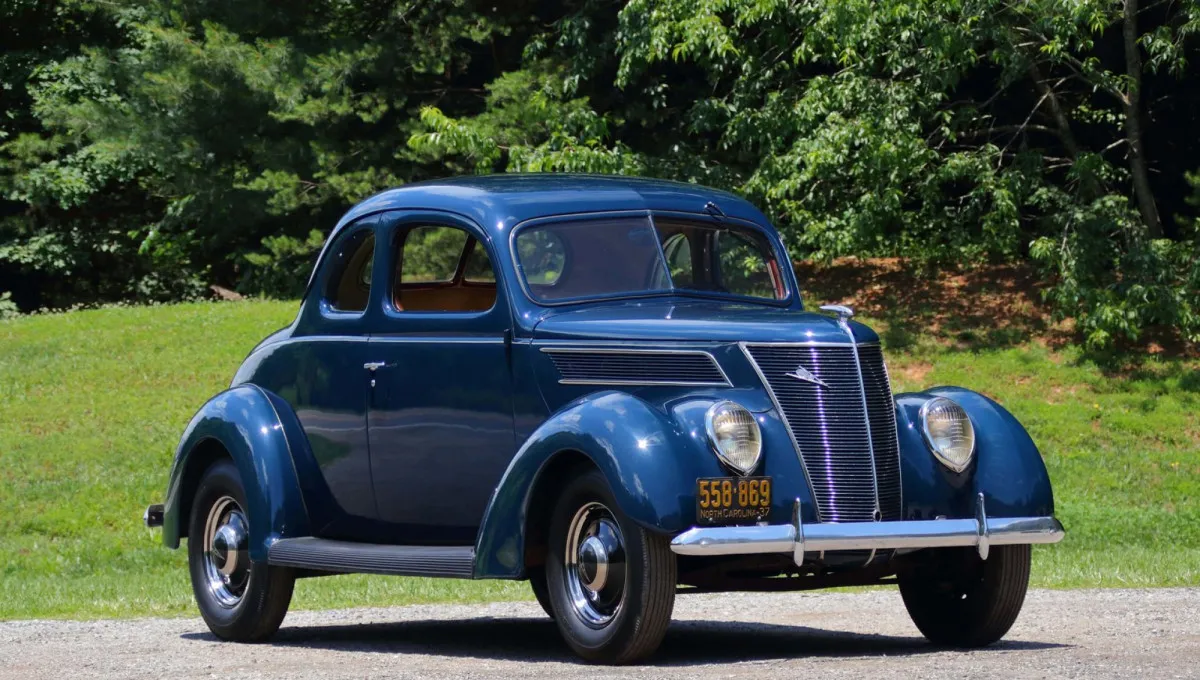
The 1937 Ford Was a Quality Car at an Affordable Price — Here’s What Made It Stand Out
The 1937 Ford featured several major changes and improvements. Let’s take a closer look.
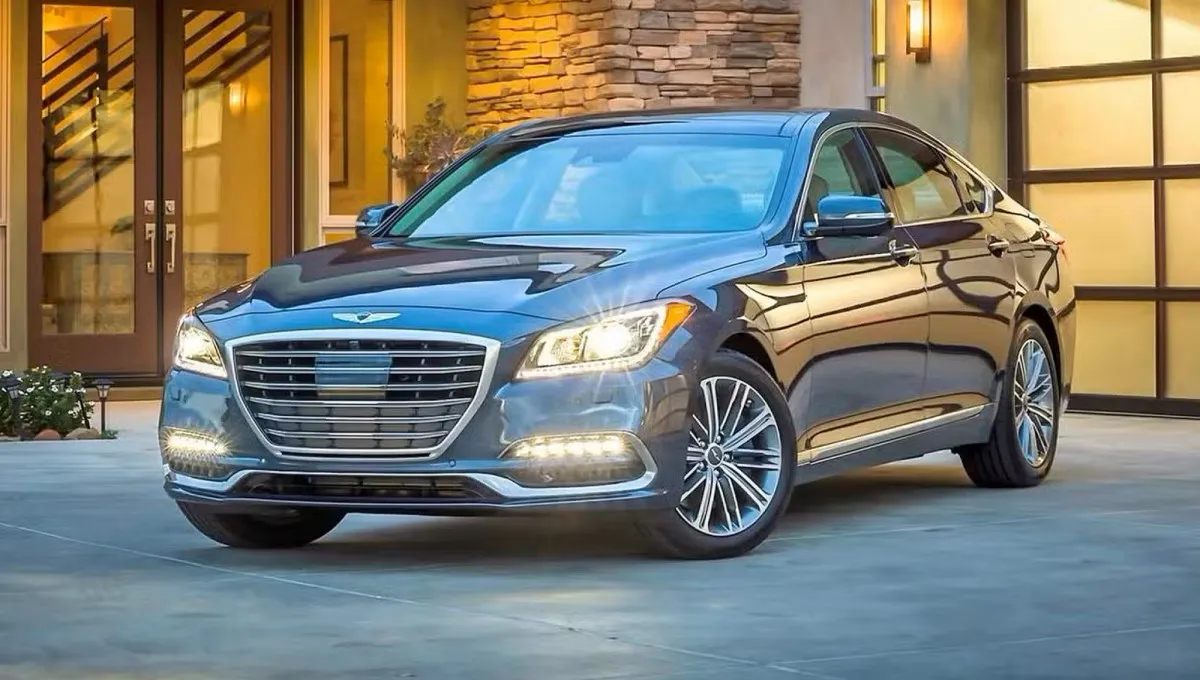
Hyundai Recalls Nearly 95,000 Genesis Sedans Over Fire Risk From Power Seats
Hyundai is recalling 94,622 Genesis sedans after a faulty power seat switch was linked to overheating and potential vehicle fires.
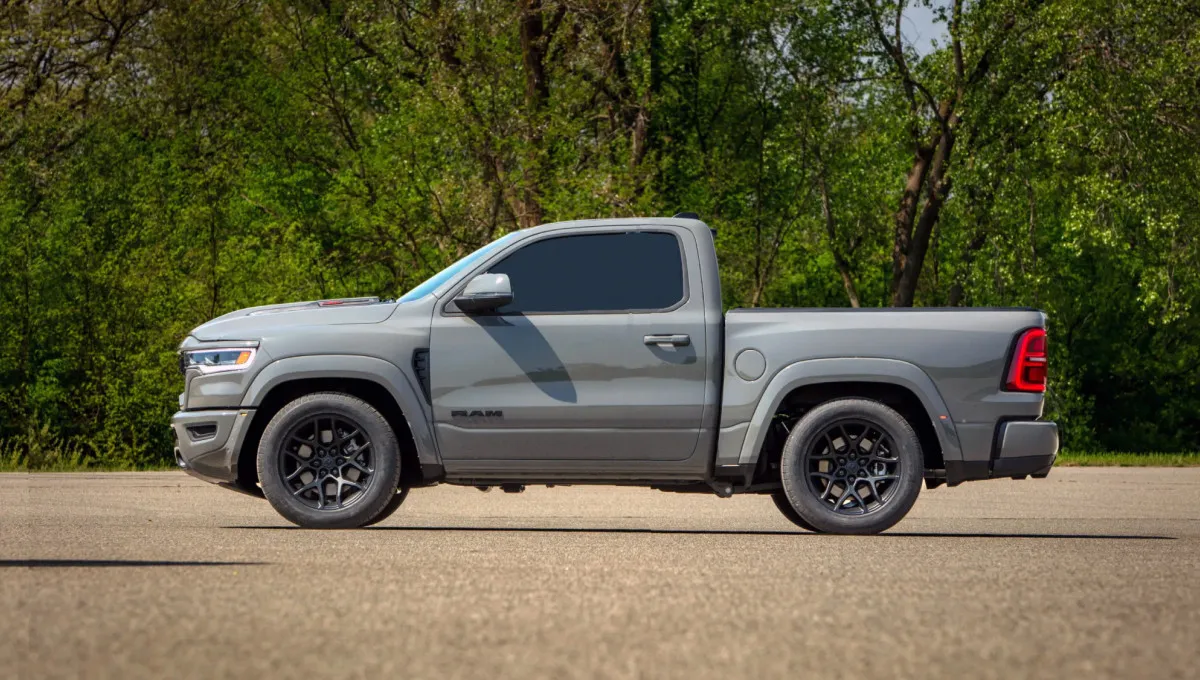
2027 Ram 1500 Rumble Bee: Pricing, Options and How to Build Yours
The 777-HP Ram Rumble Bee Is Coming — But You Can Buy the New Hemi Truck Now
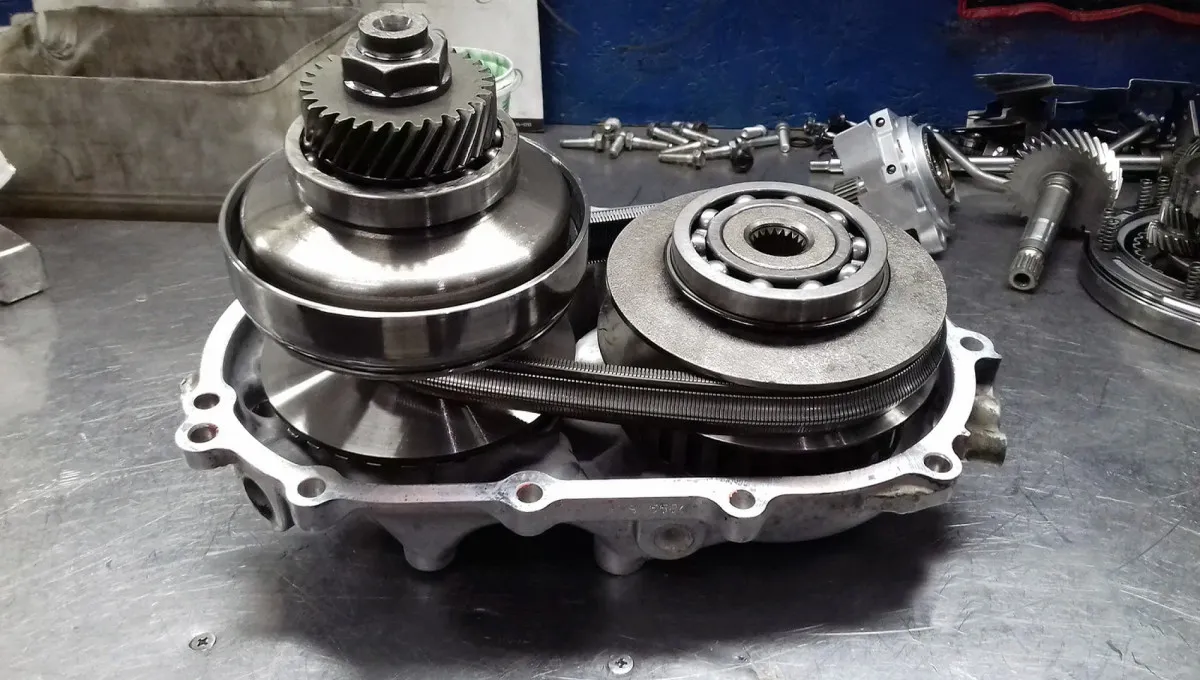
Why Experienced Drivers Still Warn Against Buying a Used Car With a CVT
CVTs offer smooth acceleration and good fuel economy, but expensive repairs and durability concerns make used models risky.