
From Kerosene to Vegetable Oil: What Can You Put in a Diesel Engine—and Should You?
Diesel engines have been tested with everything from kerosene to cooking oil, but modern fuel systems leave very little room for experimentation.

It may come as a surprise, but Rudolf Diesel never intended his engine to run exclusively on petroleum-based diesel fuel. In fact, some of his earliest concepts envisioned fuels as unconventional as vegetable oil—and even powdered coal.
Coal dust was originally considered an ideal fuel because it was inexpensive and widely available. In practice, however, it proved completely unsuitable. Both the coal dust itself and the ash produced during combustion were highly abrasive, causing rapid engine wear. Engineers also struggled to develop a reliable way to feed the powder into the cylinders. Eventually, Diesel abandoned the idea and turned to petroleum-based fuels instead.
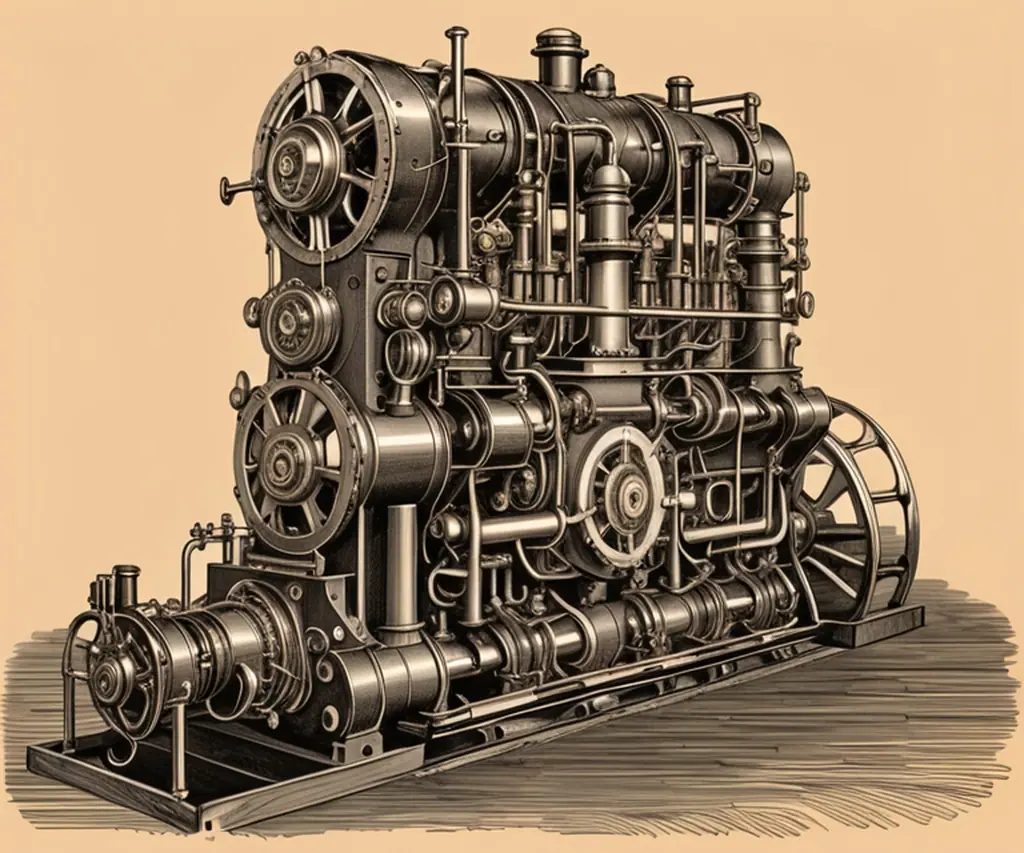
More than a century later, diesel owners still experiment with alternative fuels. Whether driven by curiosity or fuel shortages, some have tried everything from kerosene to vegetable oil. While these substitutes can sometimes work in older engines under limited circumstances, they're generally a bad idea for modern diesel vehicles.
Kerosene: Once Common, Now Risky
Years ago, kerosene was occasionally mixed with diesel fuel to reduce gelling in extremely cold weather. Older mechanical diesel engines were rugged enough to tolerate small amounts without major issues.
Today's high-pressure common-rail diesel engines are far less forgiving.

The biggest problem is lubrication. Modern diesel fuel contains additives that create a protective lubricating film for precision components such as the high-pressure fuel pump and fuel injectors. Kerosene is thinner and less viscous than diesel, and it can strip away that protective layer, accelerating wear and increasing the risk of expensive fuel system damage.
Kerosene also has a lower cetane rating than standard diesel fuel. While regular ultra-low sulfur diesel typically has a cetane number in the mid-40s, kerosene generally falls in the mid-30s to around 40. A lower cetane rating delays ignition after fuel injection, increasing mechanical stress on the engine, making cold starts more difficult, and potentially increasing exhaust smoke and carbon deposits.
The result is reduced engine longevity and a greater chance of problems with modern emissions equipment.
Unless it's an absolute emergency with no other fuel available, kerosene isn't something you should intentionally pour into a modern diesel truck or SUV.
What About Vegetable Oil?
Vegetable oil is another fuel that frequently comes up in diesel discussions.

Pouring cooking oil directly into the fuel tank of a modern diesel engine is almost guaranteed to cause problems. Its viscosity is far higher than diesel fuel, making proper atomization difficult. Poor fuel spray leads to incomplete combustion, excessive soot, clogged injectors, carbon buildup on valves and pistons, and deposits inside the fuel injection system.
Some enthusiasts have used small amounts of filtered vegetable oil—typically no more than about 20% of the fuel mixture—to improve fuel lubricity. Even then, the oil must be carefully filtered to remove contaminants, and many systems require heating the oil to reduce its viscosity before use.
Even with those precautions, vehicles equipped with diesel particulate filters (DPFs) should avoid vegetable oil altogether. Burning it produces significantly more soot, which can quickly clog the filter and lead to costly repairs.
Modern Diesel Engines Don't Reward Experiments
If your goal is to improve cold-weather performance or fuel quality, purpose-built diesel fuel additives are a much safer solution. Anti-gel additives, for example, are specifically formulated to keep diesel fuel flowing in low temperatures without compromising the fuel system.

The bottom line is simple: modern diesel engines are engineered around very specific fuel properties. Changing viscosity or lubrication characteristics with homemade fuel blends can quickly turn a small experiment into a repair bill worth thousands of dollars.
For today's diesel vehicles, sticking with high-quality diesel fuel and manufacturer-approved additives is almost always the smartest—and least expensive—choice.
You may also be interested in the news:

Why Experienced Drivers Put Socks on Their Car Mirrors in Fall: The Clever Trick Explained
An old pair of socks can help reduce frost buildup on your side mirrors overnight, saving time on cold mornings when every minute counts.

How to Clean Your Windshield Without Streaks: Experts Recommend This Simple DIY Mix
The secret to a streak-free windshield comes down to the right cleaning solution, two microfiber cloths, and the proper drying technique.

Why Some Drivers Keep Bay Leaves in Their Cars — It’s Not Just About Superstition
Can a common kitchen spice help repel bugs, freshen your car’s interior, or even help you relax behind the wheel?

Cold Weather Can Leave You Stranded — 5 Things Every Driver Should Have in Their Car
The first hard freeze can catch drivers off guard. Here's what to keep in your vehicle and how to prepare your battery, tires, and fluids for colder weather.

Hyundai Recalls Nearly 95,000 Genesis Sedans Over Fire Risk From Power Seats
Hyundai is recalling 94,622 Genesis sedans after a faulty power seat switch was linked to overheating and potential vehicle fires.