
The Suzuki Jimny Is Only About Half Japanese, According to New Parts Breakdown
A new infographic suggests today's Suzuki Jimny sources nearly half of its components from outside Japan.

The Suzuki Jimny has long been viewed as one of Japan's most iconic body-on-frame SUVs. But a recently published infographic suggests the current-generation model is far more international than many buyers might expect, with Japanese-made components accounting for only about half of the vehicle.

The fourth-generation Jimny (JB64/JB74), introduced in 2018, stayed true to the model's roots with a ladder-frame chassis, solid axles, and a part-time four-wheel-drive system. Combined with its compact footprint and impressive off-road capability, those features have helped make it one of the world's most popular small SUVs.
A newly shared infographic details the origins of major components used in the 2025 Suzuki Jimny built in left-hand-drive configuration for Gulf Cooperation Council (GCC) markets. While the information has not been confirmed by Suzuki, it paints a picture of a global supply chain rather than an exclusively Japanese-built vehicle.
One reason is that the Jimny is assembled at two different factories.
The three-door Jimny JB74 is built at Suzuki's plant in Kosai, Japan, while the five-door JC74—now the more common version in many international markets—is produced exclusively by Maruti Suzuki in Gurugram, India.
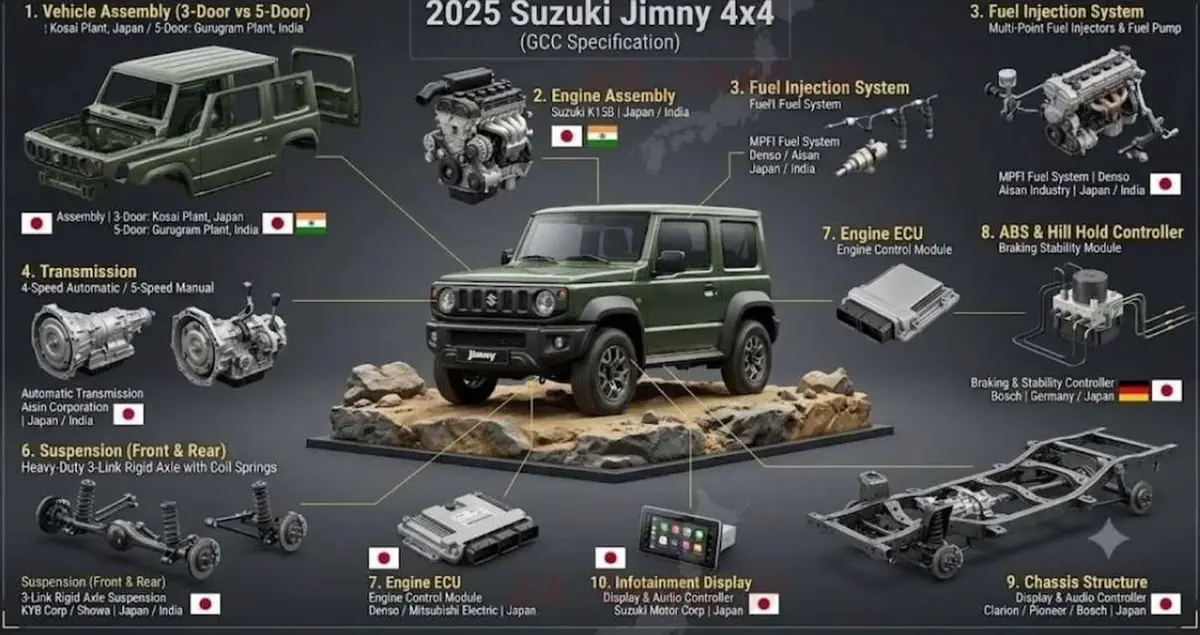
Major mechanical components also come from multiple countries.
The naturally aspirated 1.5-liter K15B four-cylinder engine is manufactured in both Japan and India. The available Aisin automatic transmission is also produced in both countries, while the manual gearbox is built by Suzuki.
The multi-point fuel injection system uses components supplied by Denso and Aisan, sourced from factories in Japan and India. Suspension parts come from KYB and Showa, while the engine control unit is supplied by Japanese electronics manufacturers Denso and Mitsubishi Electric.
Not every major component comes from Asia. The Jimny's anti-lock braking system and electronic stability control rely on technology developed by Bosch in Germany, although some of the hardware is also manufactured in Japan.
According to the unofficial breakdown, Japanese-made parts account for roughly 45% to 55% of the vehicle. Components sourced from India make up an estimated 40% to 50%, while the remaining 5% to 10% come from suppliers in other countries, including Germany.
It's worth noting that Suzuki has never published official data on the country of origin for Jimny components. The figures circulating online are based on supplier analysis and apply specifically to left-hand-drive GCC-spec vehicles, so actual content may vary depending on the market and production location.
You may also be interested in the news:
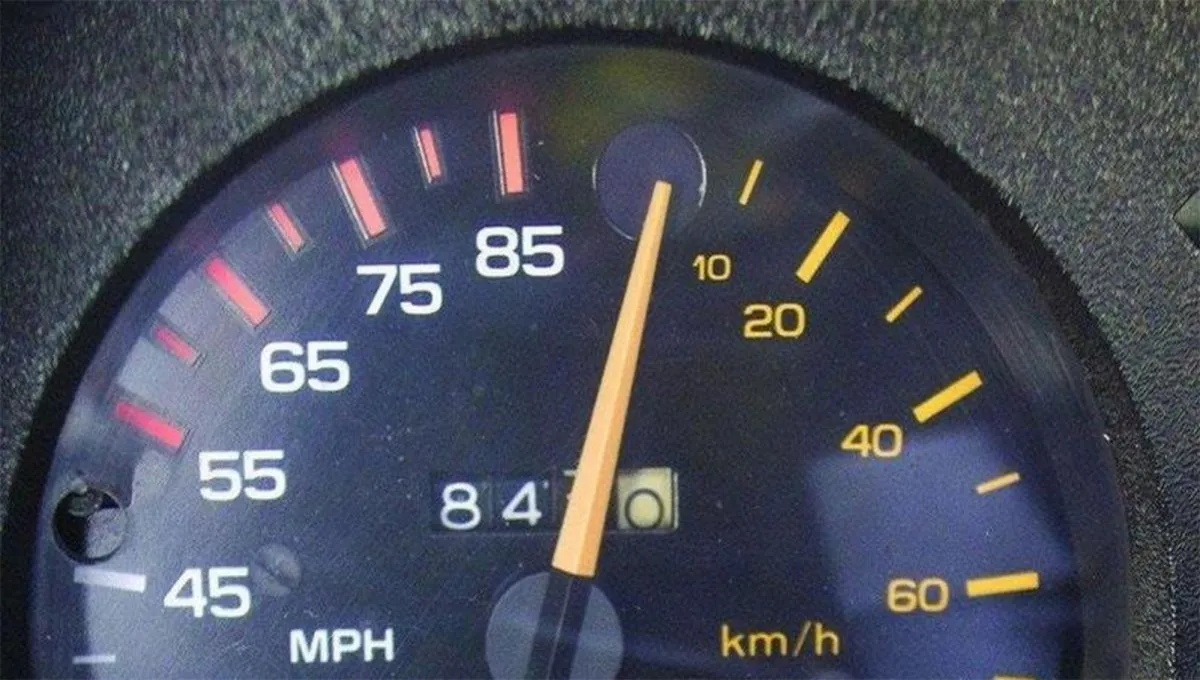
Your Speedometer Says 65 MPH, but Your GPS Says 62 — Here’s Why Your Car Does That
Your speedometer reads 65 mph, but your GPS says 62 mph. Here’s why the numbers rarely match.
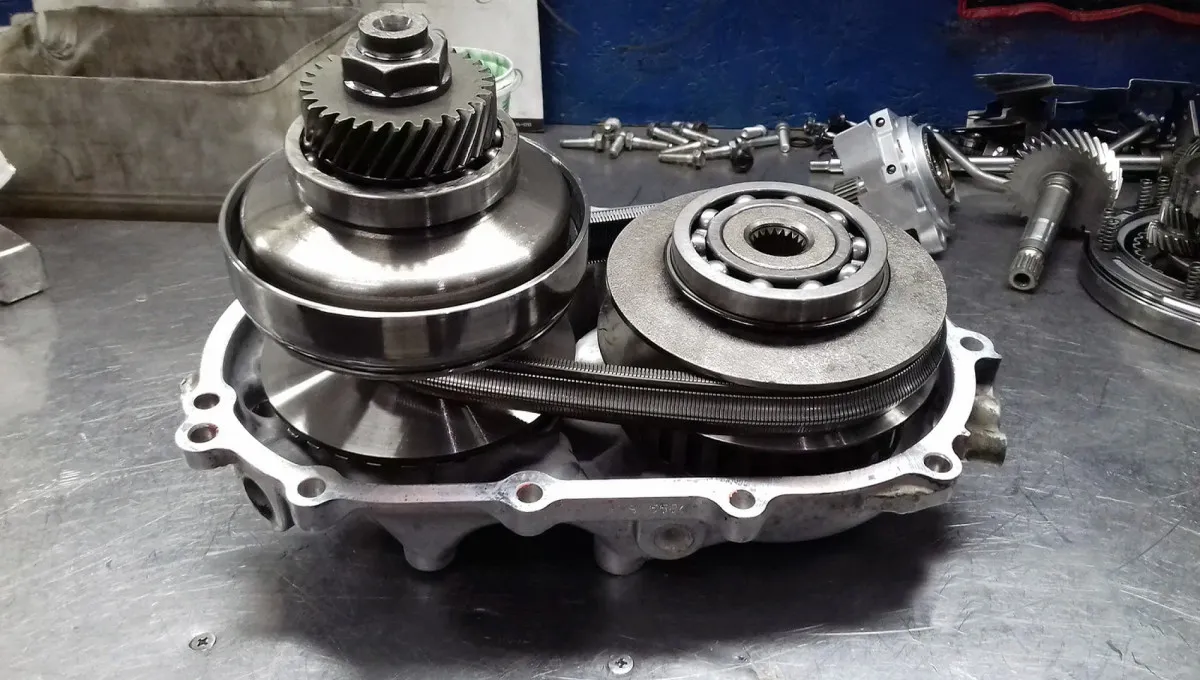
Why Experienced Drivers Still Warn Against Buying a Used Car With a CVT
CVTs offer smooth acceleration and good fuel economy, but expensive repairs and durability concerns make used models risky.
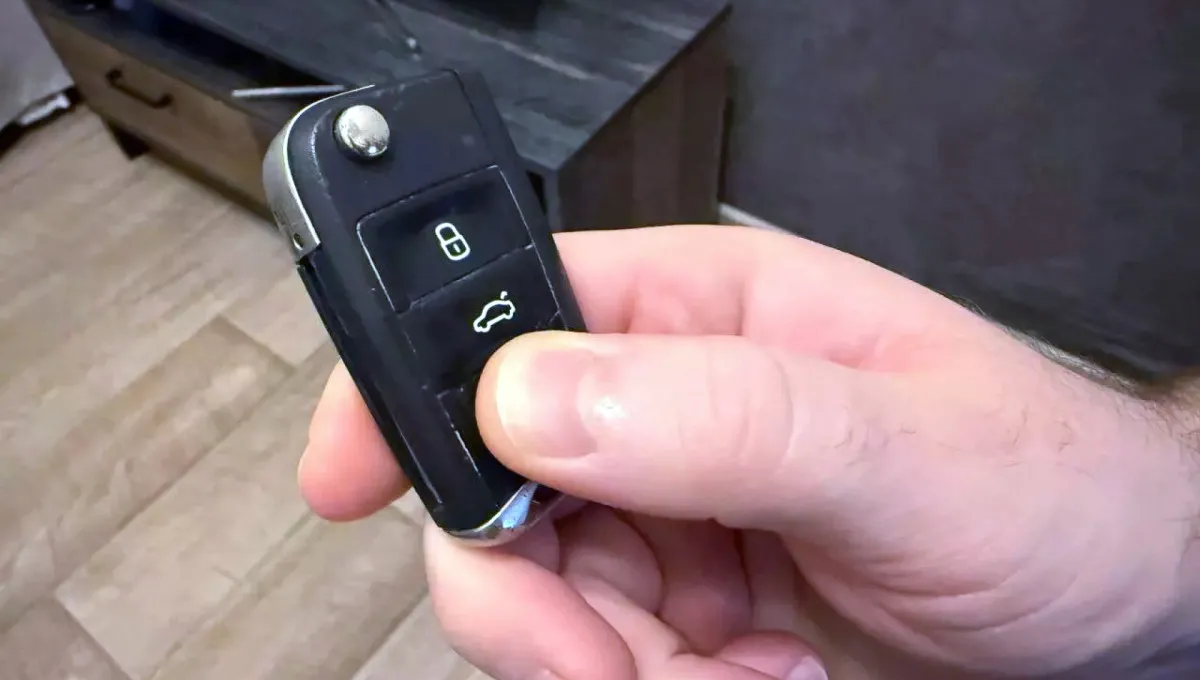
Hidden Key Fob Trick: Open All Your Car Windows With One Button
An auto mechanic explains how drivers can remotely open and close car windows using a key fob, provided the vehicle has the right hardware.

8 Car Maintenance Mistakes That Could Cost You Thousands if You Wait Too Long
Depending on driving conditions, some maintenance tasks may need to be performed sooner and more often than the automaker recommends.
How Long Will Your Car Last? A Guide to Making It Age Gracefully
Automotive experts explain how routine maintenance and timely replacement of aging components can help your car last longer.