
What You Should Never Do When Removing Tar From Your Car’s Paint
Fresh asphalt can leave stubborn tar spots on your vehicle, but using the wrong cleaner may do more damage than the stain itself.
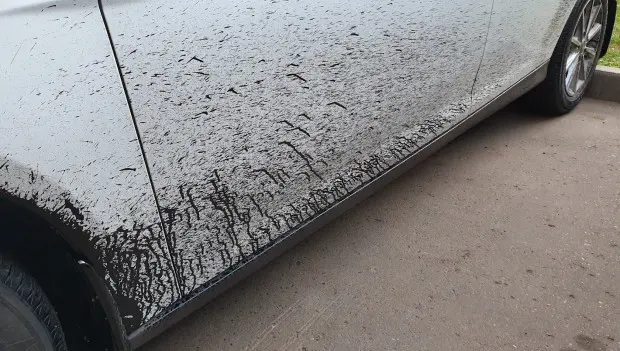
Warm weather means road construction season, and that often brings fresh asphalt. After driving through work zones, it's not unusual to find black tar spots stuck to your car's paint. The worst mistake you can make is reaching for household products or random garage remedies. Many of them can permanently damage your vehicle's finish.
Here's what you need to know about removing road tar safely.
Why Road Tar Sticks So Easily
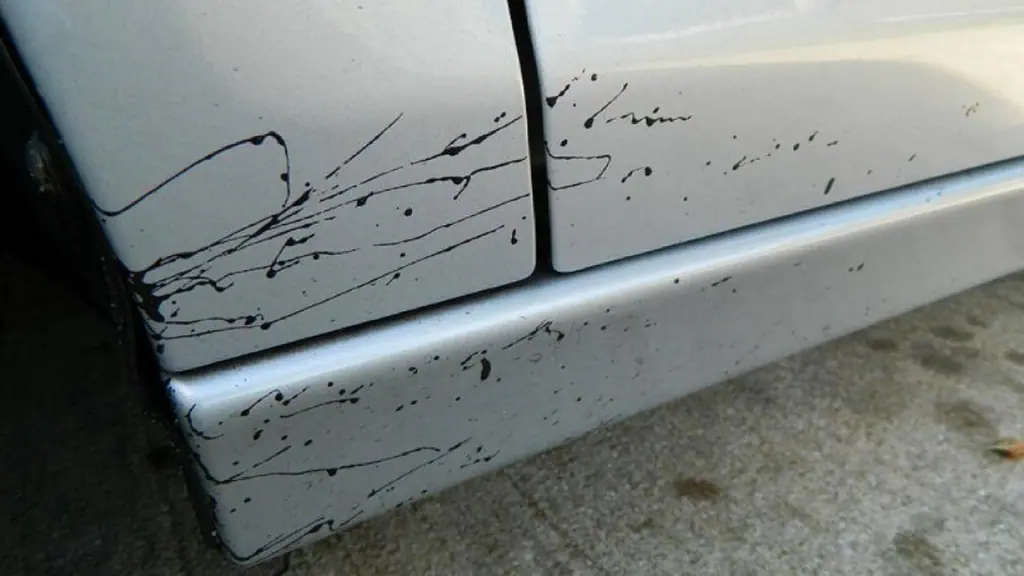
Road tar is a petroleum-based material used in asphalt paving. On hot days it softens, becomes sticky, and readily clings to painted surfaces.
Most tar stains appear after driving over freshly paved roads before the asphalt has fully cured. Once the material lands on bumpers, doors, rocker panels, or fenders, it can begin bonding to the clear coat. Left untreated for too long, it may discolor the paint or become much harder to remove.
Don't Use These Common DIY Solutions
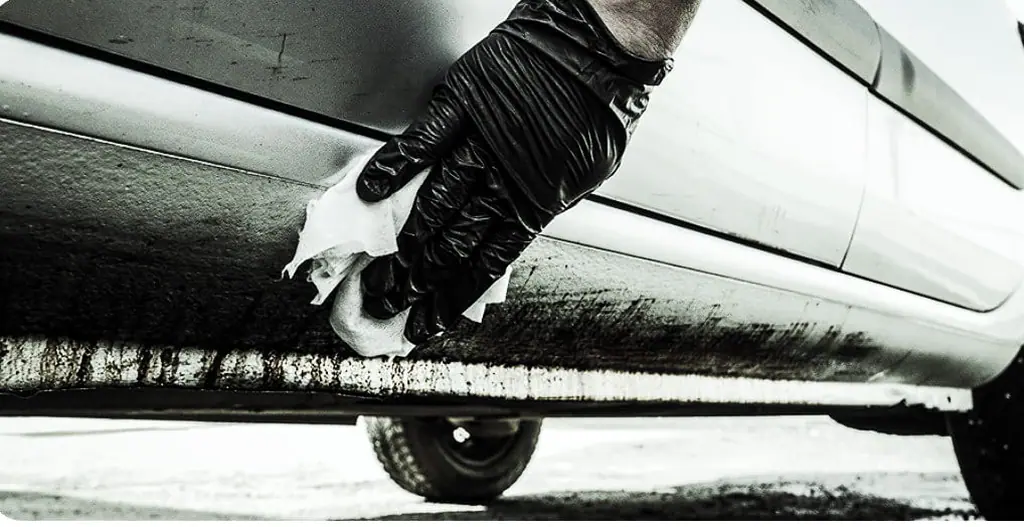
The internet is full of home remedies for removing tar, but many of them create bigger problems than they solve.
Avoid using:
- Gasoline
- Diesel fuel
- Kerosene
- Acetone or nail polish remover
- Lacquer thinner or other aggressive paint solvents
- Ammonia-based cleaners
- Vegetable oil or margarine
- Hot water and household soap
- Isopropyl alcohol
- Mineral spirits
- WD-40
Some of these products can soften or dull the clear coat, discolor the paint, or leave permanent hazing. Others simply smear the tar across the surface instead of removing it.
Water alone won't help, either. Since tar is petroleum-based, it won't dissolve in water.
Fresh Tar Is Easier to Remove
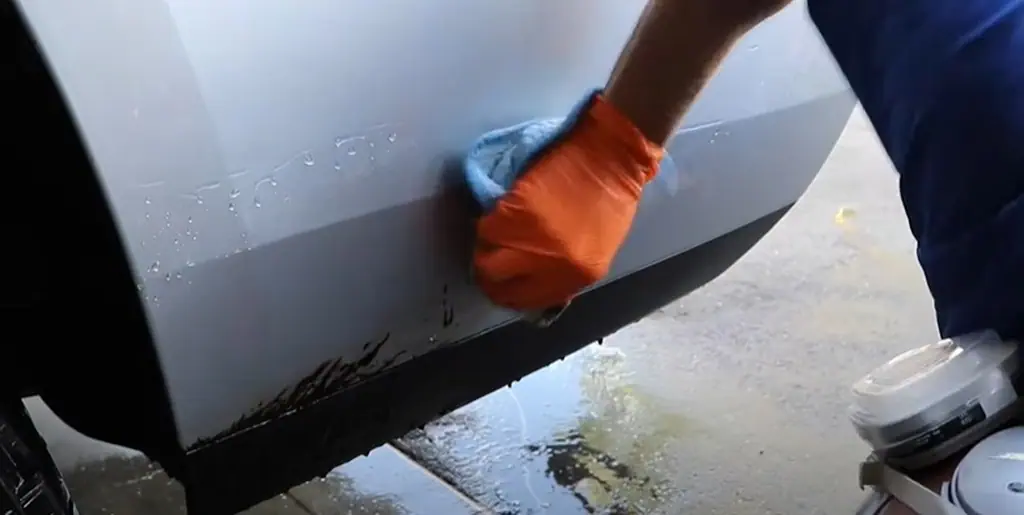
Fresh tar usually appears glossy and soft. It often smears when touched, making it much easier to remove if you act quickly.
Older tar stains become dry, dull, and harder. Over time, they settle deeper into the microscopic texture of the clear coat and may require multiple treatments. In some cases, gently warming the area with a heat gun or hair dryer before applying a cleaner can make removal easier.
Knowing whether you're dealing with fresh or cured tar helps determine the best cleaning approach.
Use a Dedicated Tar Remover
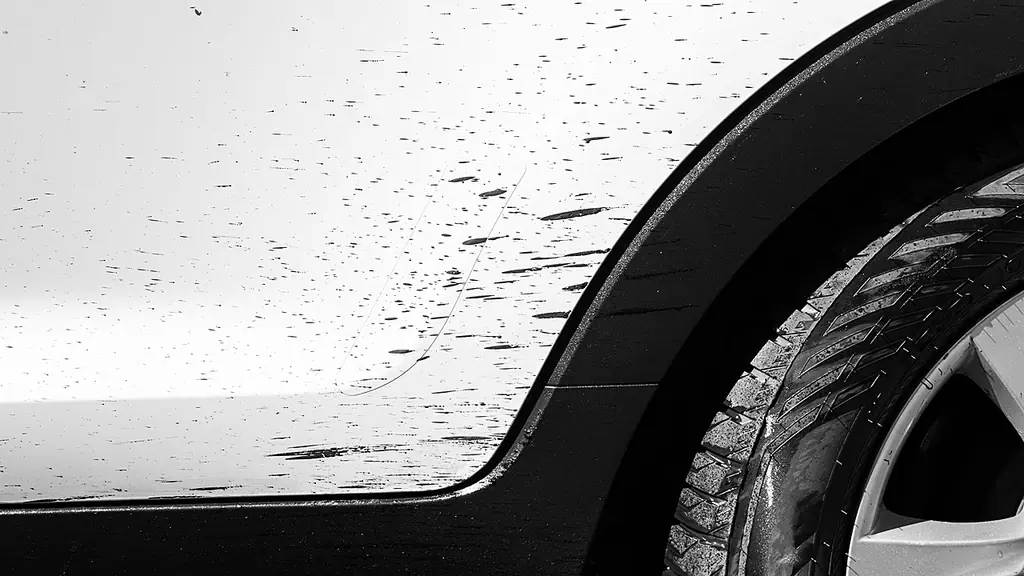
If you can't visit a professional detailing shop, your best option is an automotive tar remover available at most auto parts stores.
Quality products typically use petroleum-based solvents and surfactants specifically formulated to dissolve tar without harming modern automotive paint when used as directed.
Avoid products containing harsh chlorinated solvents, which can be damaging to both vehicle finishes and your health.
How to Remove Tar Safely
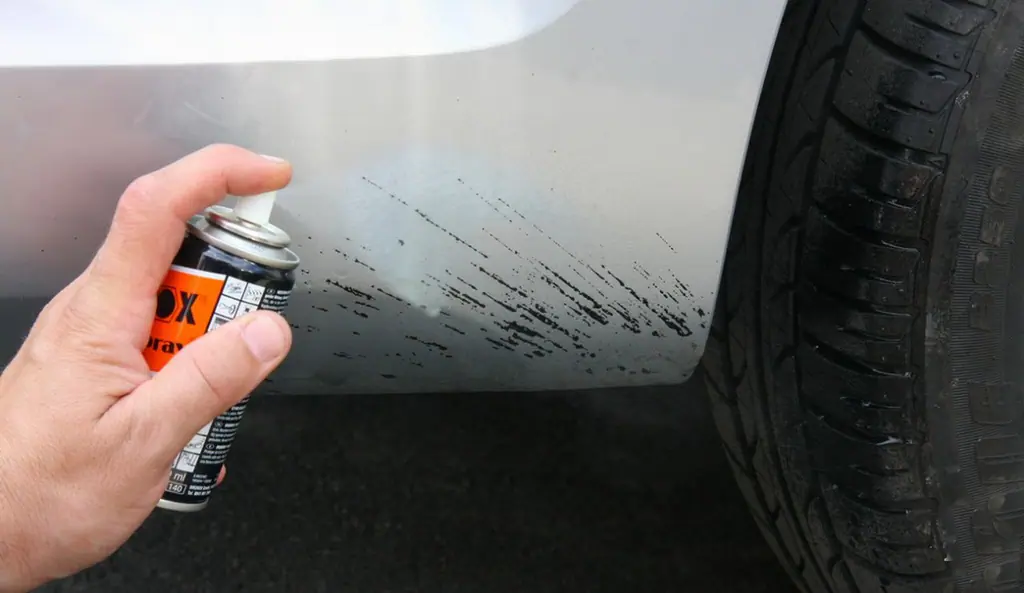
The process is straightforward:
- Spray the tar remover directly onto the affected area.
- Let the product sit for the amount of time recommended on the label.
- Don't scrub immediately. Hardened tar often contains tiny particles of sand and road grit that can scratch the paint.
- Wipe the softened residue away using a clean microfiber towel with light pressure.
- Repeat the process if necessary for stubborn or older stains.
With patience and the right product, even old tar spots can usually be removed without leaving scratches, streaks, or dull areas.
Preventing Tar Buildup
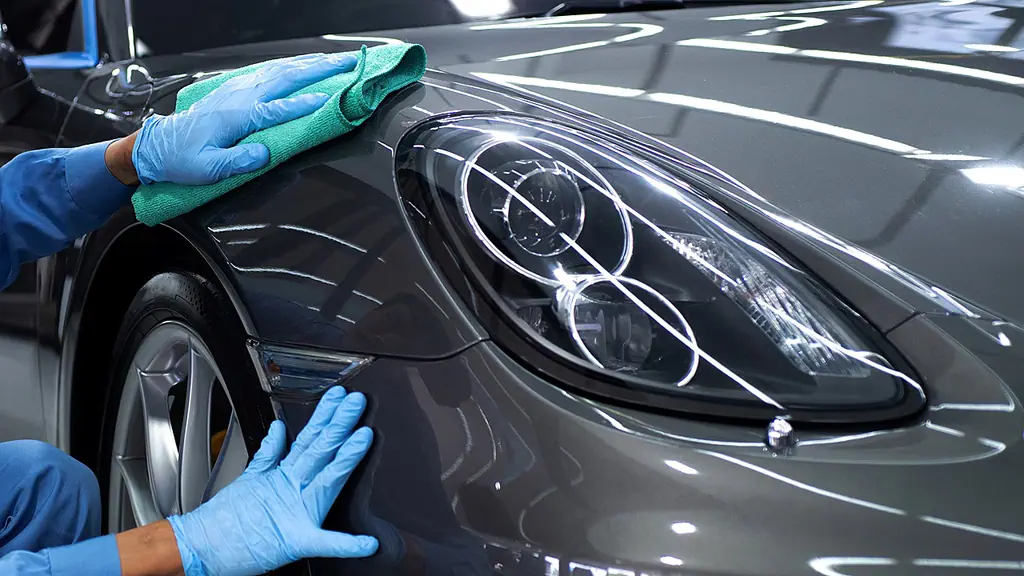
If you know you'll be driving through road construction zones, a little preparation can make cleanup much easier.
Applying a spray wax or paint sealant creates a protective barrier that reduces how strongly tar adheres to the paint. Paint protection film (PPF) is an even better solution for high-impact areas such as the front bumper, rocker panels, wheel arches, and lower doors.
These protective layers won't prevent every stain, but they'll make tar much easier to remove before it becomes a permanent problem.
Removing road tar doesn't have to damage your vehicle—but using the wrong products certainly can.
Skip the gasoline, acetone, cooking oil, and other DIY remedies. A quality automotive tar remover or a visit to a professional detailer is the safest way to restore your vehicle's finish without risking costly paint repairs.
Keeping a can of tar remover in your trunk during road construction season is a simple precaution that can save both time and money.
You may also be interested in the news:
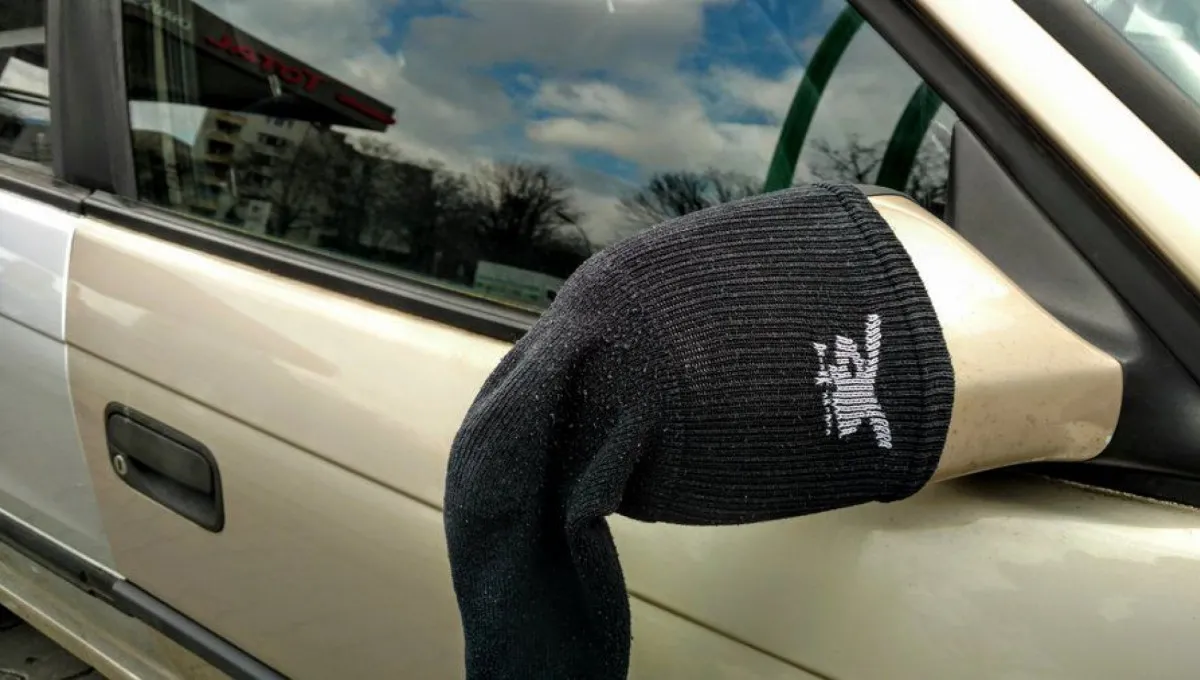
Why Experienced Drivers Put Socks on Their Car Mirrors in Fall: The Clever Trick Explained
An old pair of socks can help reduce frost buildup on your side mirrors overnight, saving time on cold mornings when every minute counts.
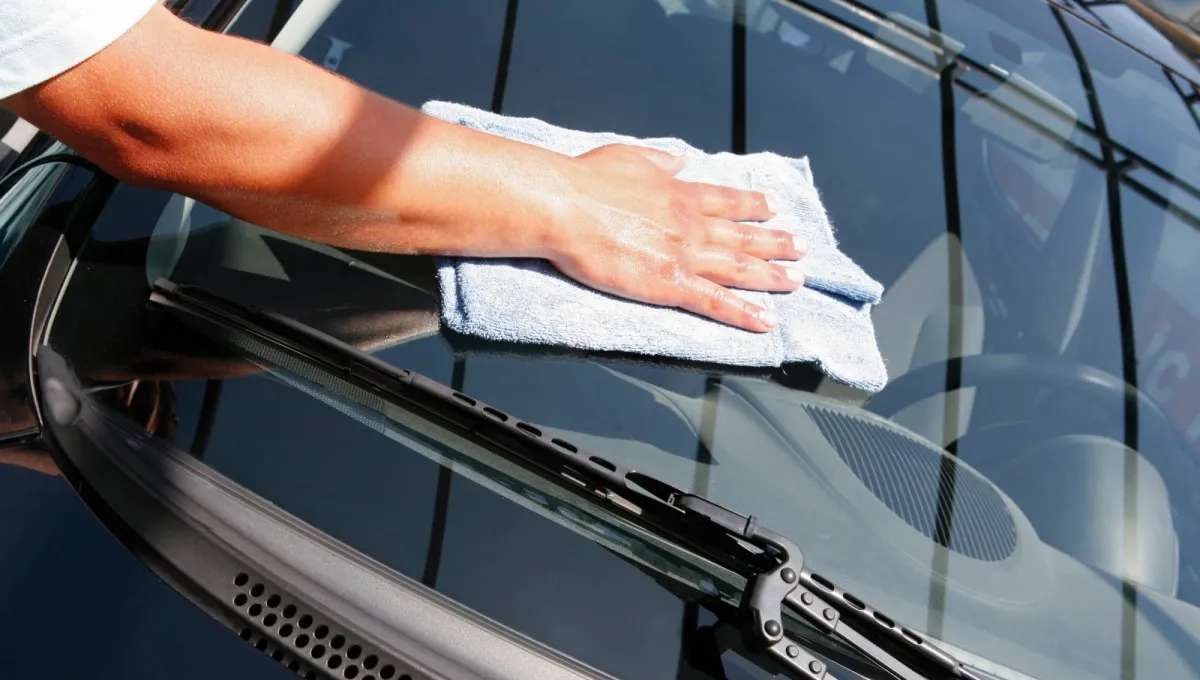
How to Clean Your Windshield Without Streaks: Experts Recommend This Simple DIY Mix
The secret to a streak-free windshield comes down to the right cleaning solution, two microfiber cloths, and the proper drying technique.
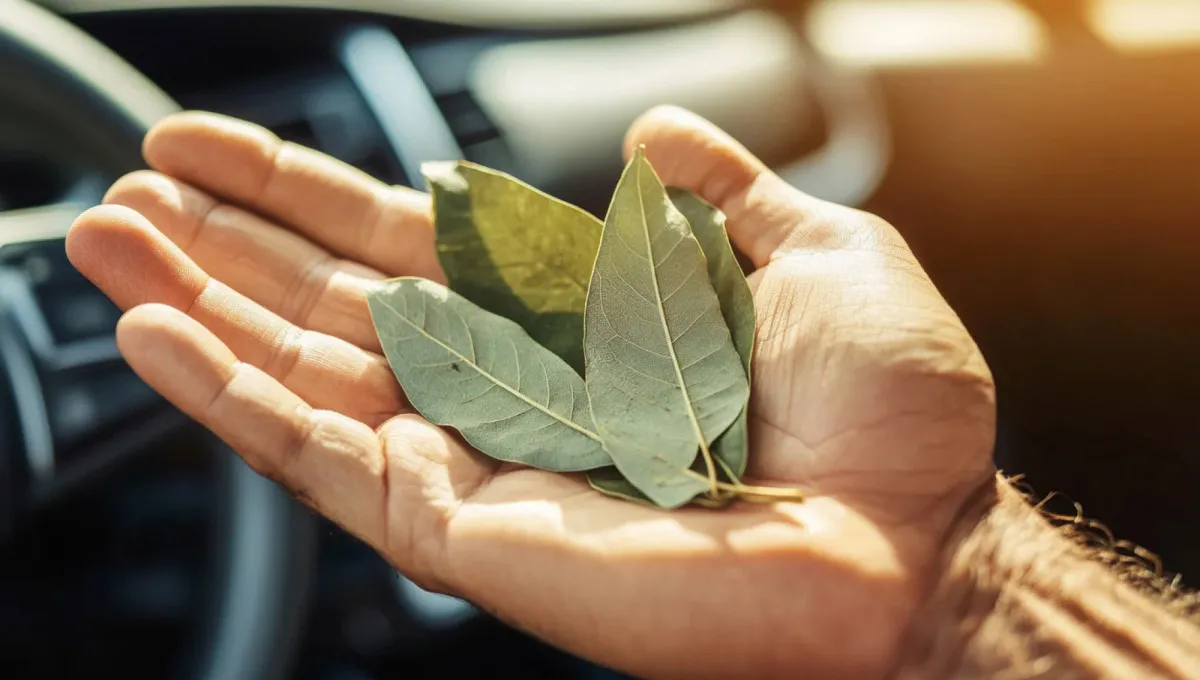
Why Some Drivers Keep Bay Leaves in Their Cars — It’s Not Just About Superstition
Can a common kitchen spice help repel bugs, freshen your car’s interior, or even help you relax behind the wheel?
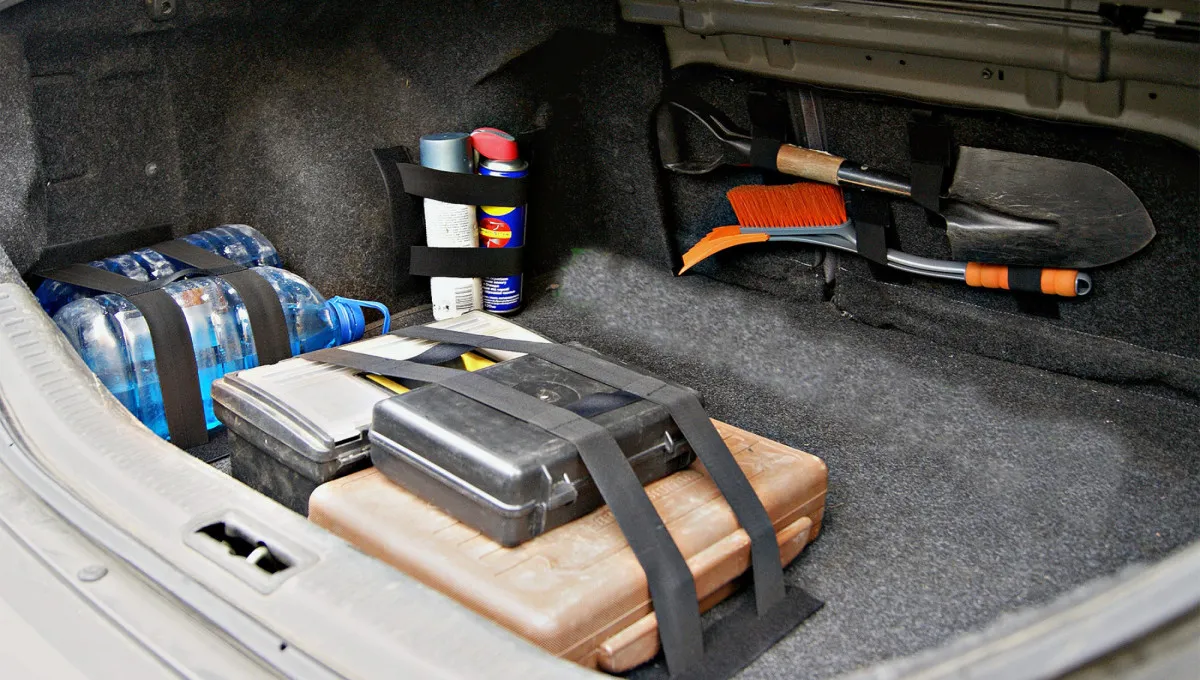
Cold Weather Can Leave You Stranded — 5 Things Every Driver Should Have in Their Car
The first hard freeze can catch drivers off guard. Here's what to keep in your vehicle and how to prepare your battery, tires, and fluids for colder weather.
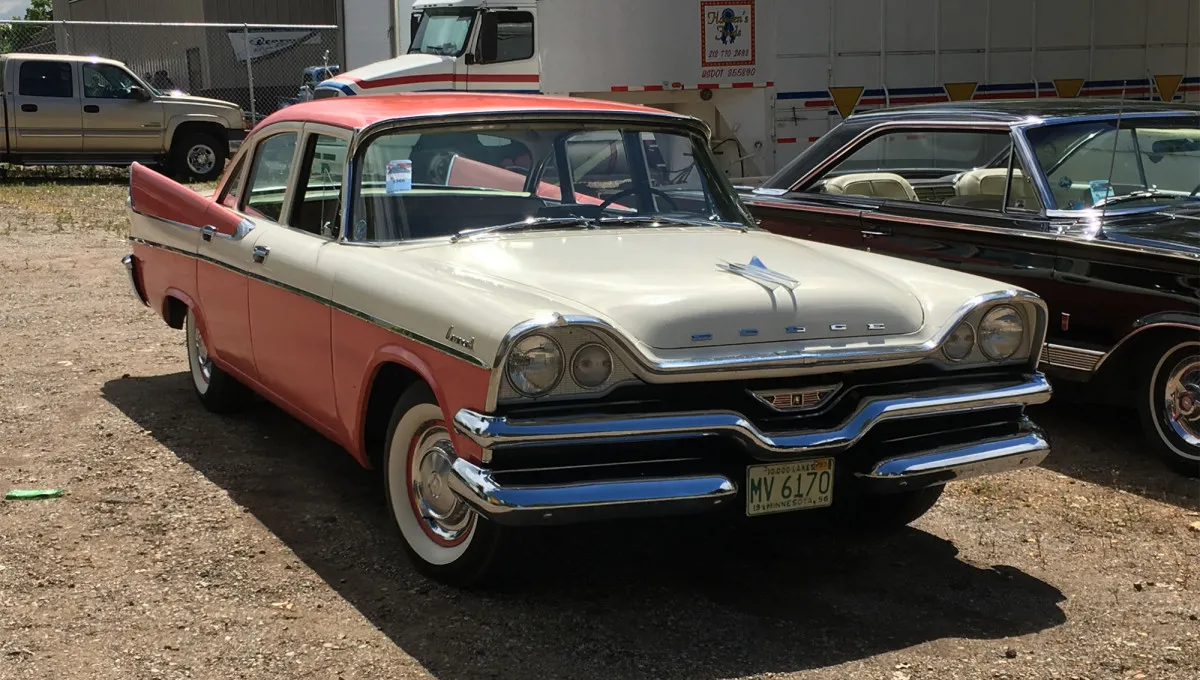
The 1957 Dodge: How “Autodynamics” Shaped One of Detroit’s Boldest Designs
The 1957 Dodge Looked Like a Dream Car, but Its Biggest Flaw Was Hiding Beneath the Surface.