
Most-Visited Automaker Websites in the U.S. Revealed: Ford and Toyota Lead the Rankings
Toyota and Ford pulled well ahead of the competition in the number of unique visitors to their U.S. websites.

Automaker websites remain one of the primary starting points for shoppers looking to buy a new vehicle. Buyers browse model lineups, compare trims, check pricing, and locate nearby dealerships. However, traffic to different manufacturers' websites varies by several million visitors.
Emarketer analyzed Comscore data and ranked automotive groups by the number of unique visitors to their U.S. websites in April 2026. Toyota and Ford claimed the top two spots, finishing well ahead of the other companies included in the study.

Toyota Group's websites attracted 9.2 million visitors during the month. Ford Motor Company followed closely with 9 million unique visitors.
Hyundai Kia Automotive Group ranked third with 6.2 million visitors. The Korean brands outperformed General Motors by nearly 1 million visitors, with GM's websites drawing 5.3 million users.
Fiat Chrysler Automobiles, now part of Stellantis, finished fifth with 4.8 million visitors. Nissan and Honda followed, with their websites attracting 4.3 million and 4.1 million users, respectively.
Tesla ranked only eighth. Its website drew 2.5 million unique visitors. Volkswagen Group and BMW rounded out the top 10 with 2.1 million visitors each.
Most-Visited Automaker Websites in the U.S.

- Toyota Group — 9.2 million visitors
- Ford Motor Company — 9.0 million
- Hyundai Kia Automotive Group — 6.2 million
- General Motors — 5.3 million
- Fiat Chrysler Automobiles / Stellantis — 4.8 million
- Nissan — 4.3 million
- Honda — 4.1 million
- Tesla — 2.5 million
- Volkswagen Group — 2.1 million
- BMW — 2.1 million
The Hyundai and Kia result is particularly notable, as the two Korean brands attracted more visitors than General Motors and its numerous divisions. This coincides with strong Hyundai and Kia vehicle sales in the U.S. market.
At the same time, high website traffic does not necessarily translate into a comparable number of vehicle sales. Users may browse offerings from several manufacturers at once, compare models, or simply explore new vehicle launches.
In addition, traditional automaker websites are beginning to compete with new vehicle-shopping tools. According to the study, about 44% of consumers are interested in using artificial intelligence to compare multiple vehicles. These services allow shoppers to compare specifications, pricing, and how well a particular model meets their needs more quickly.
Even so, millions of website visits show that official automaker websites continue to play an important role in the vehicle-buying process. For many shoppers, they remain the first place to learn about a model, its trim levels, and available purchase options.
You may also be interested in the news:
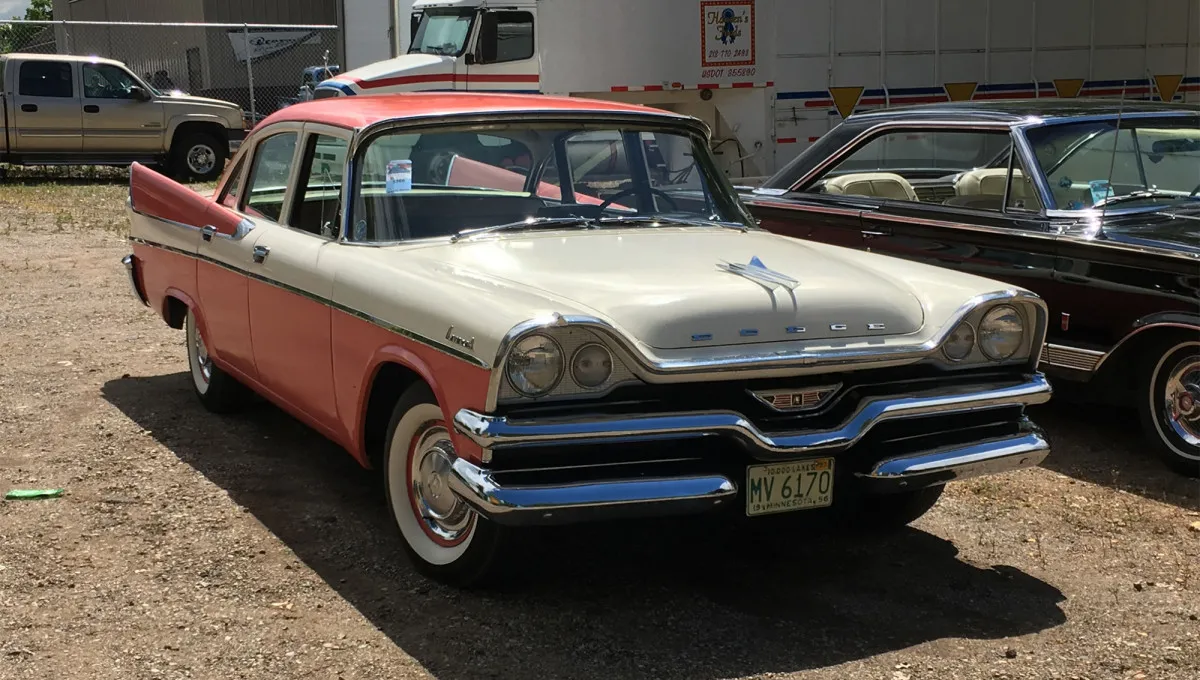
The 1957 Dodge: How “Autodynamics” Shaped One of Detroit’s Boldest Designs
The 1957 Dodge Looked Like a Dream Car, but Its Biggest Flaw Was Hiding Beneath the Surface.
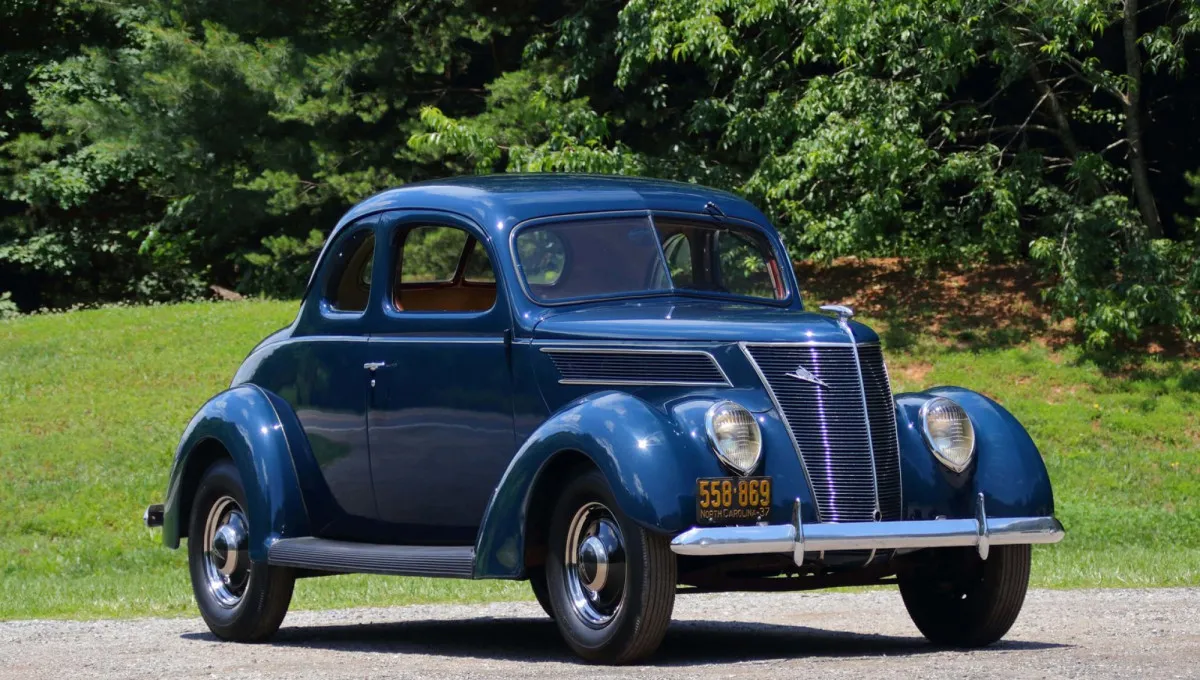
The 1937 Ford Was a Quality Car at an Affordable Price — Here’s What Made It Stand Out
The 1937 Ford featured several major changes and improvements. Let’s take a closer look.
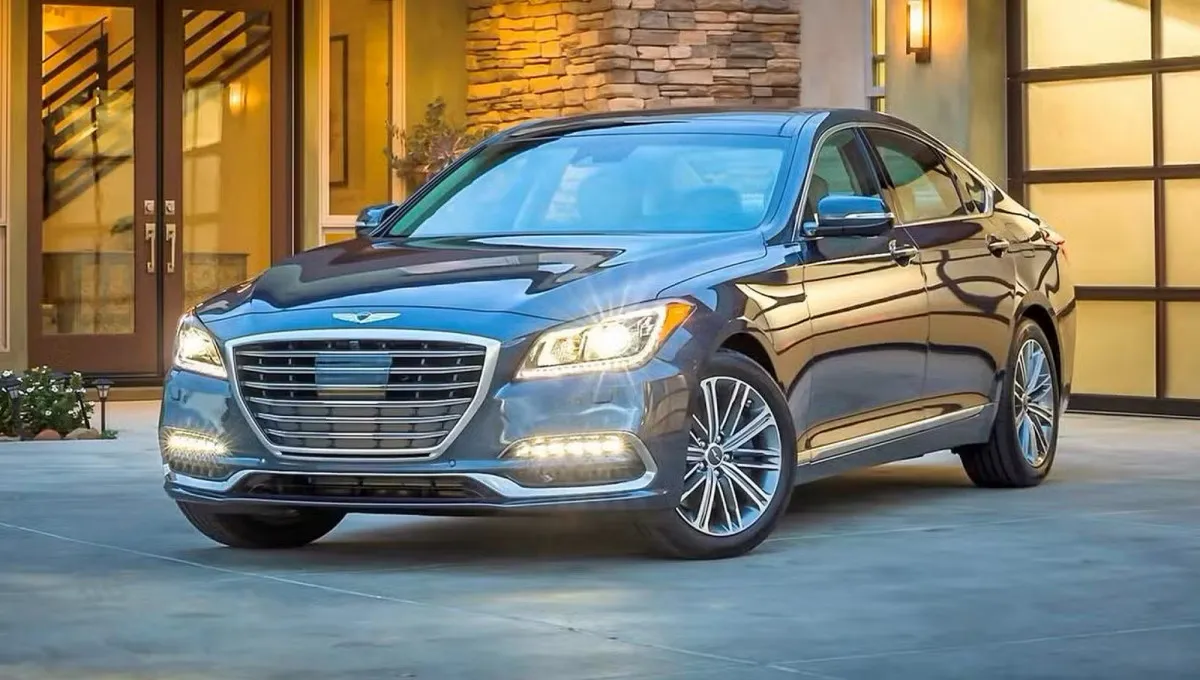
Hyundai Recalls Nearly 95,000 Genesis Sedans Over Fire Risk From Power Seats
Hyundai is recalling 94,622 Genesis sedans after a faulty power seat switch was linked to overheating and potential vehicle fires.
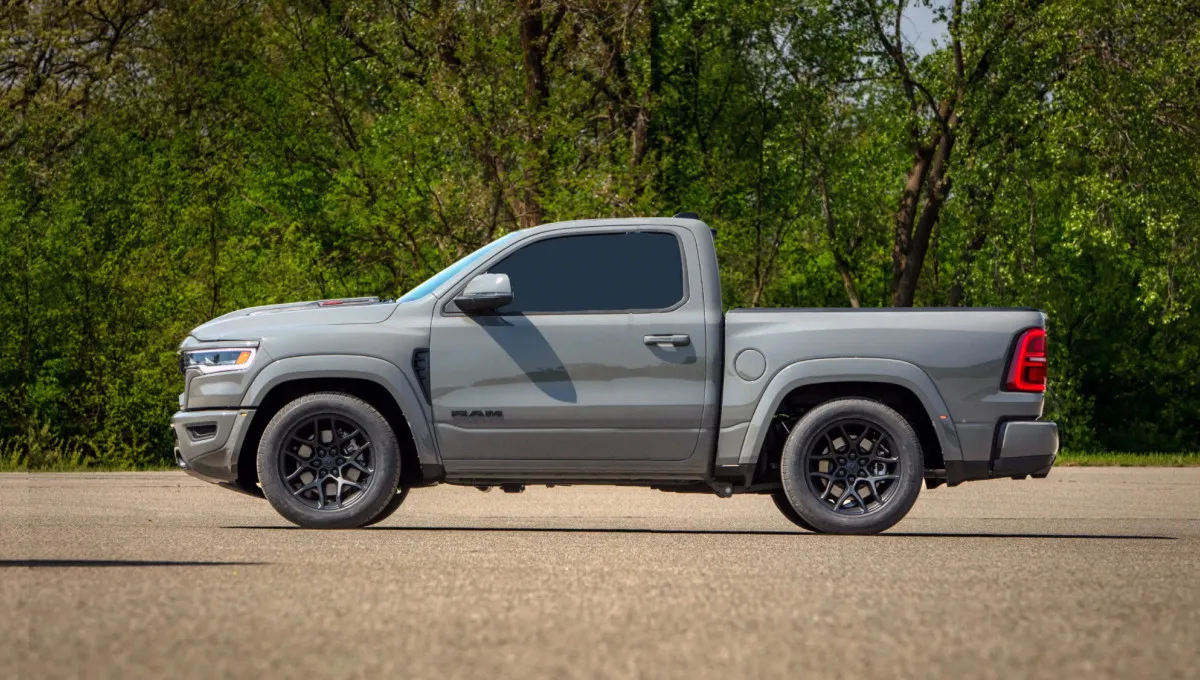
2027 Ram 1500 Rumble Bee: Pricing, Options and How to Build Yours
The 777-HP Ram Rumble Bee Is Coming — But You Can Buy the New Hemi Truck Now
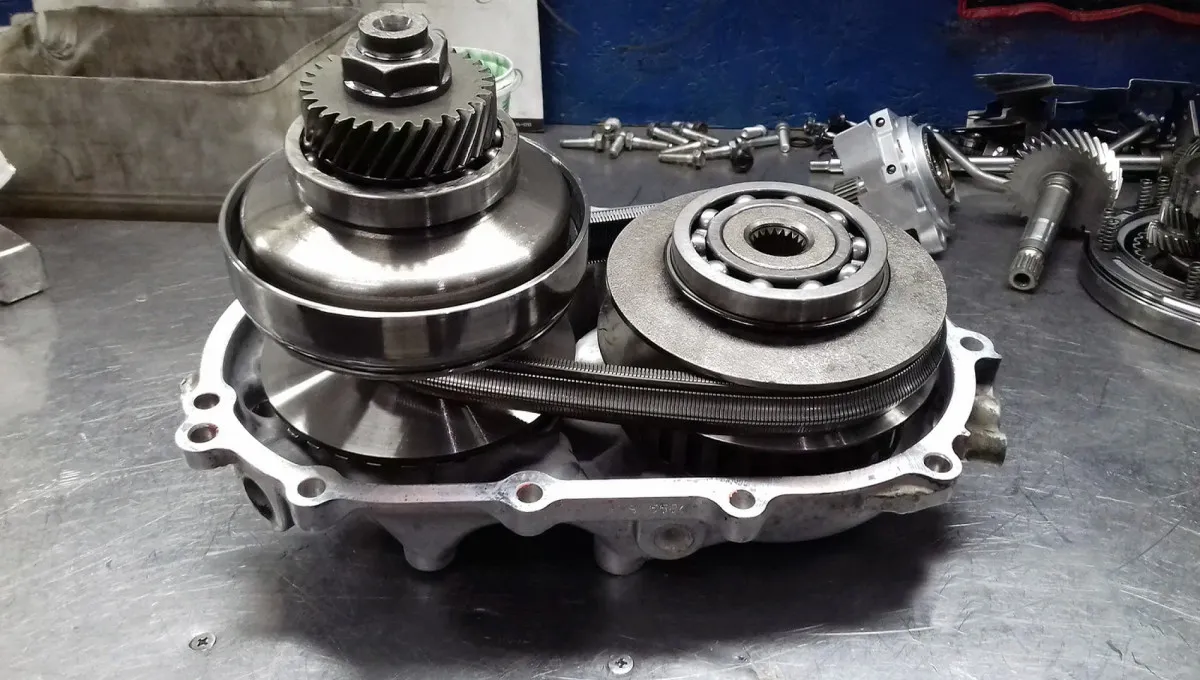
Why Experienced Drivers Still Warn Against Buying a Used Car With a CVT
CVTs offer smooth acceleration and good fuel economy, but expensive repairs and durability concerns make used models risky.