
Mechanic Reveals the Most Dangerous Mistakes Drivers Make With Their Car’s 12-Volt Outlet
A veteran mechanic says many drivers unknowingly overload their vehicle's 12-volt outlet, creating serious electrical and fire risks.
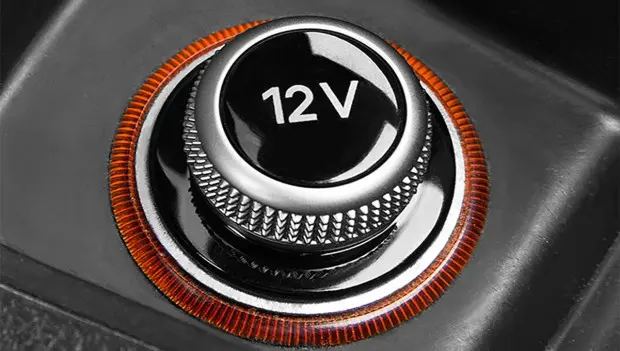
Nearly every modern vehicle comes equipped with a 12-volt power outlet, commonly still referred to as a cigarette lighter socket. While actual cigarette lighters have largely disappeared from today's vehicles, the outlet remains a popular way to power everything from phone chargers to air compressors.
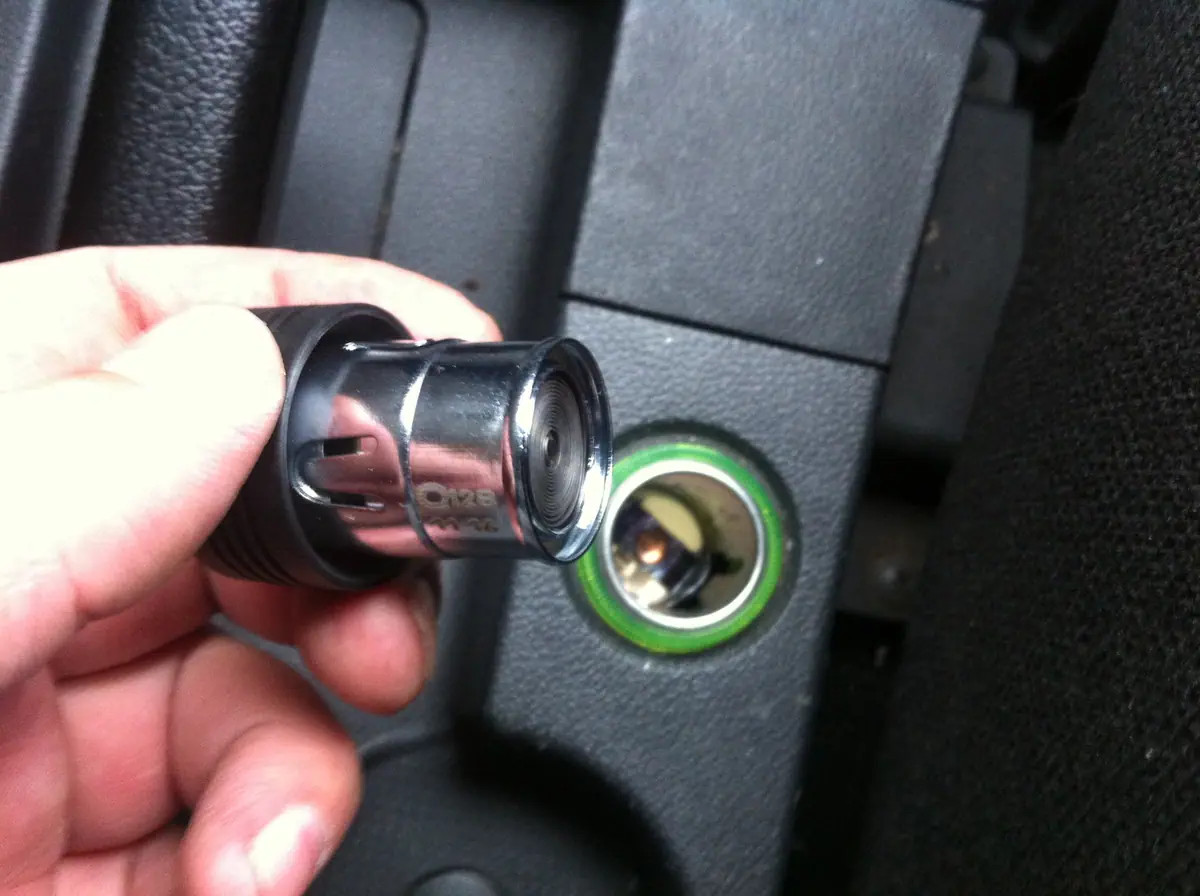
According to automotive technicians, however, many drivers continue to misuse these outlets—and in some cases, the consequences can be costly or even dangerous.
One of the most common mistakes is plugging too many devices into a single outlet through multi-port splitters and adapters. While these accessories seem convenient, they can place a much greater electrical load on the circuit than it was designed to handle.
In the best-case scenario, the vehicle's fuse blows and protects the wiring. But if a fuse has been replaced with an incorrect higher-amperage fuse—or worse, bypassed entirely—the excessive load can overheat wiring, increasing the risk of an electrical fire.
Another misconception is treating the 12-volt outlet like a standard household power source.
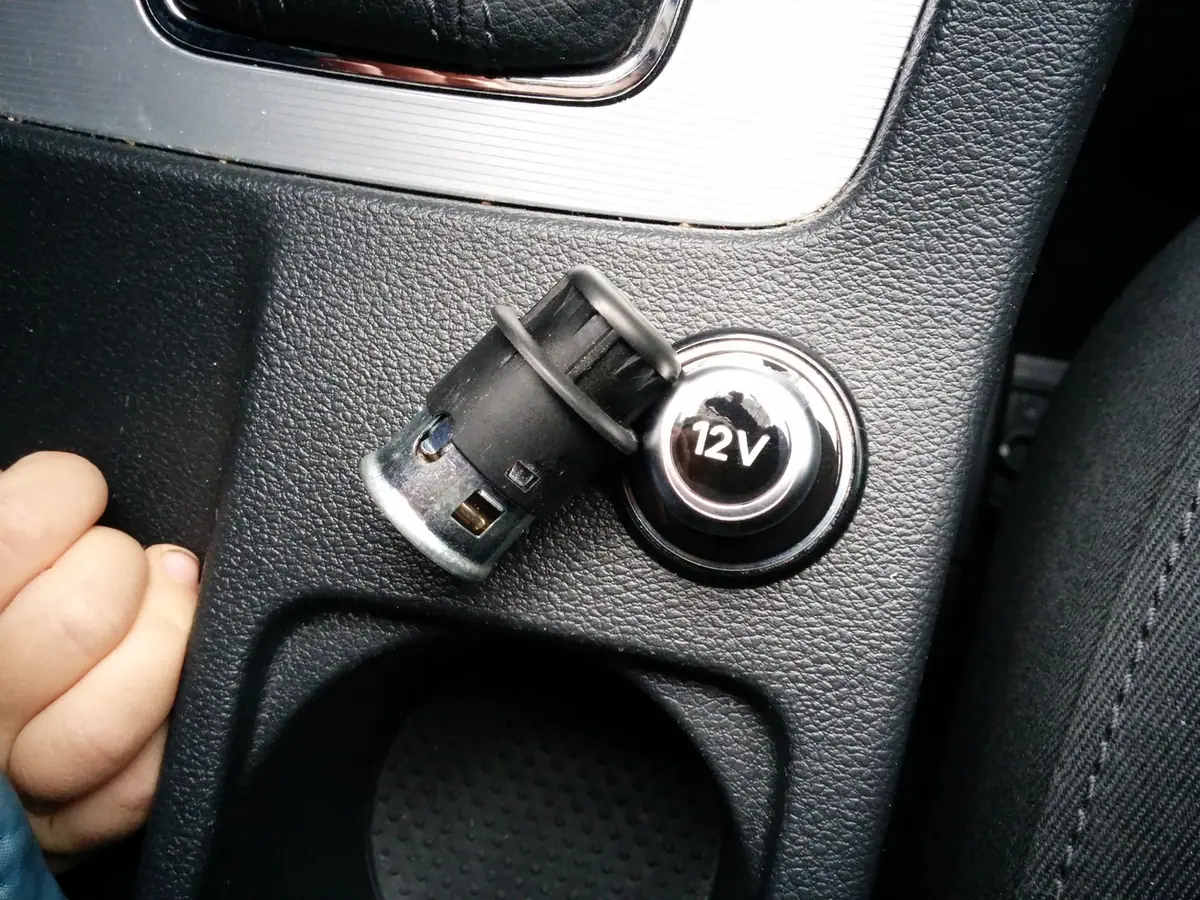
Vehicle electrical systems experience voltage fluctuations during normal operation, especially while the engine is starting or when high-demand accessories are running. Sensitive electronics generally rely on built-in voltage regulation, but low-quality chargers and adapters may not provide adequate protection, potentially affecting device performance or long-term battery health.
The outlet was originally intended for short-term, moderate-power accessories rather than serving as a permanent power source for multiple devices.
Items such as portable tire inflators, auxiliary lighting, small vacuum cleaners, dash cams, and other low-power accessories are typically appropriate uses. Problems arise when drivers attempt to power several devices simultaneously or connect equipment that exceeds the outlet's rated capacity.
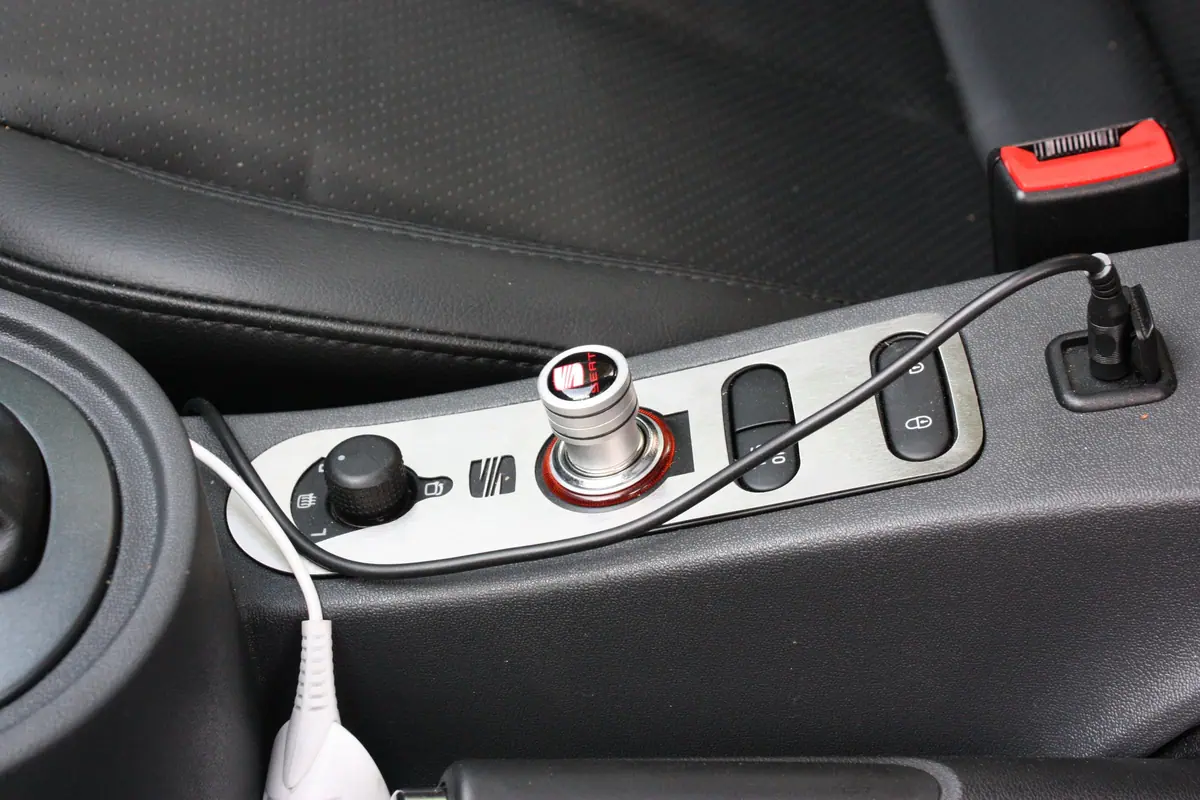
Technicians also warn about a surprisingly simple hazard: leaving the outlet uncovered.
Many modern vehicles place the 12-volt socket inside storage compartments, center consoles, or small cubbies. If the protective cap is missing or damaged, loose metal objects such as coins, keys, paper clips, or other metallic items can accidentally fall inside and create a short circuit.
In some cases, that can damage the outlet, blow a fuse, or overheat the wiring.
Another issue catches many owners by surprise. Depending on the vehicle, the 12-volt outlet may remain powered even after the engine is turned off and the doors are locked. Drivers who leave accessories plugged in—especially dash cams, coolers, air pumps, or phone chargers—may return to find a weakened or completely drained battery.
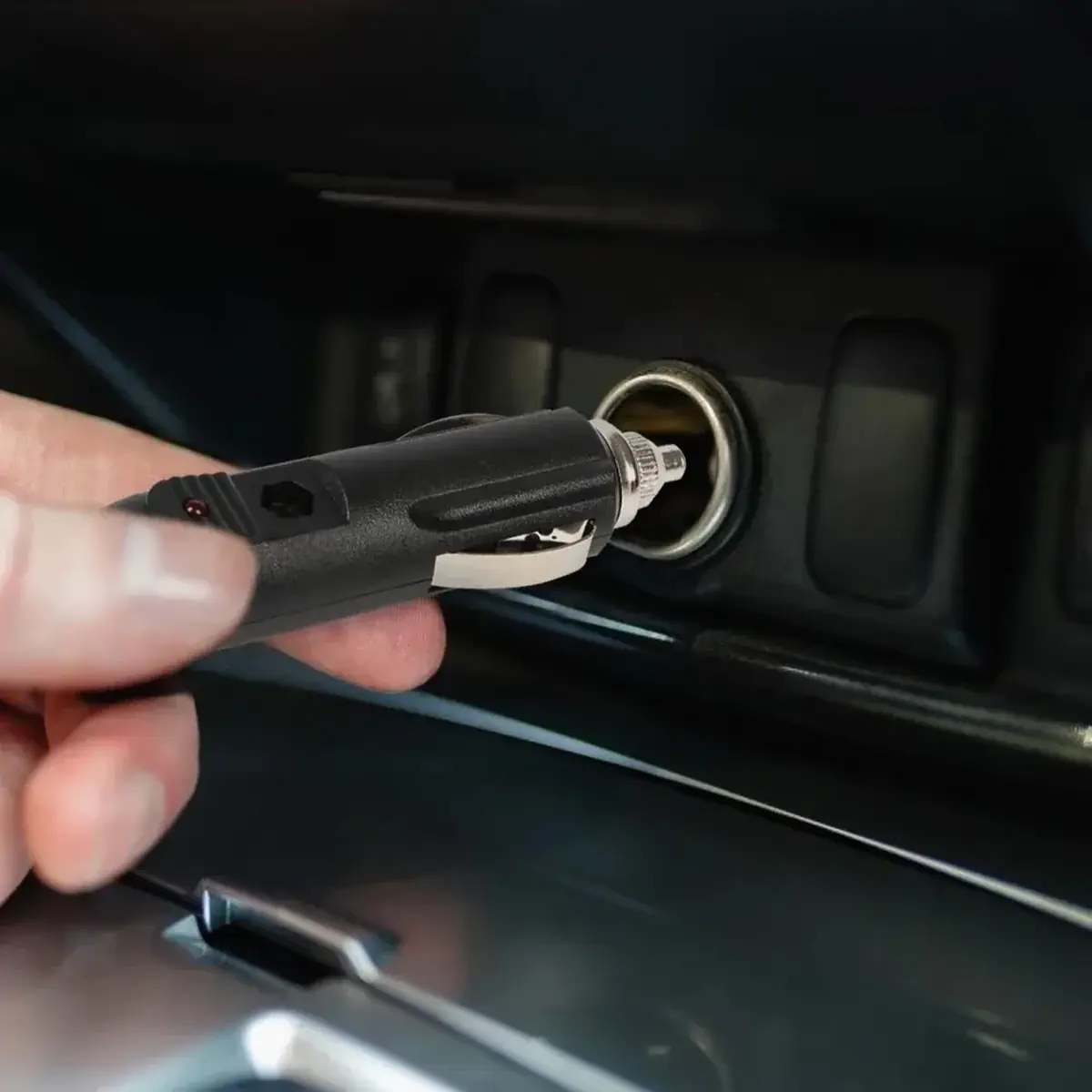
The safest approach is simple: know your vehicle's electrical limits, avoid overloading the circuit, keep the outlet covered when not in use, and unplug unnecessary accessories when parking for extended periods.
While the humble 12-volt outlet seems harmless, improper use can lead to blown fuses, dead batteries, damaged electronics, and in extreme cases, electrical fires.
You may also be interested in the news:

Why Experienced Drivers Put Socks on Their Car Mirrors in Fall: The Clever Trick Explained
An old pair of socks can help reduce frost buildup on your side mirrors overnight, saving time on cold mornings when every minute counts.

How to Clean Your Windshield Without Streaks: Experts Recommend This Simple DIY Mix
The secret to a streak-free windshield comes down to the right cleaning solution, two microfiber cloths, and the proper drying technique.

Why Some Drivers Keep Bay Leaves in Their Cars — It’s Not Just About Superstition
Can a common kitchen spice help repel bugs, freshen your car’s interior, or even help you relax behind the wheel?
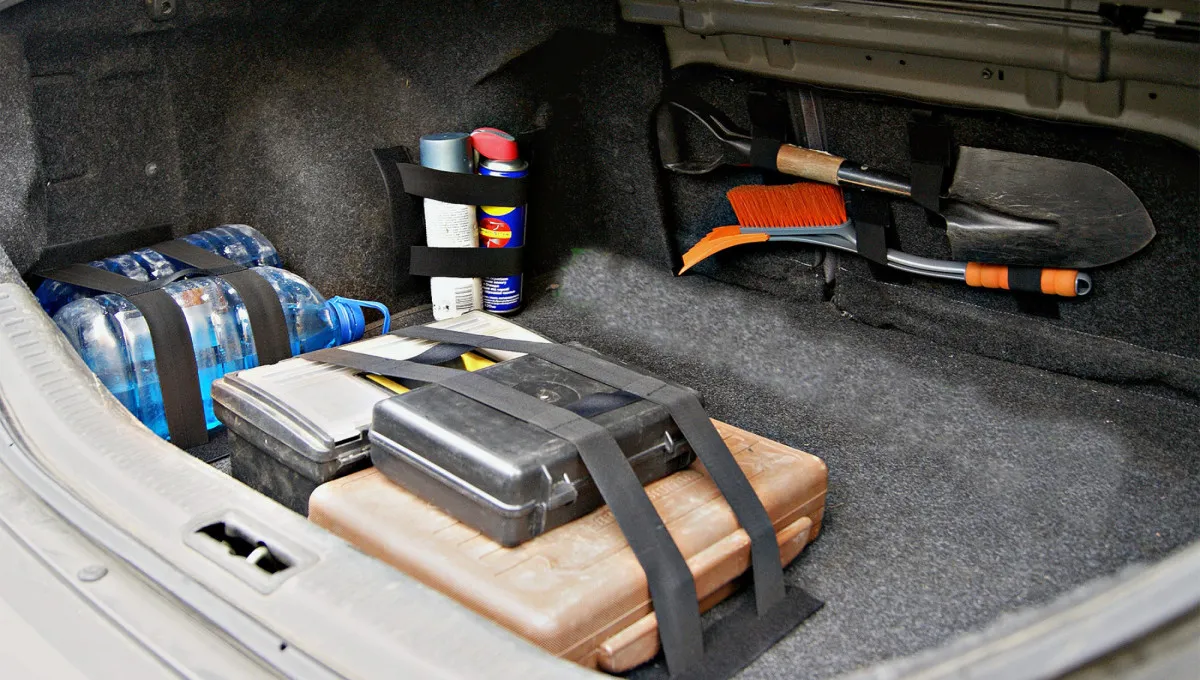
Cold Weather Can Leave You Stranded — 5 Things Every Driver Should Have in Their Car
The first hard freeze can catch drivers off guard. Here's what to keep in your vehicle and how to prepare your battery, tires, and fluids for colder weather.
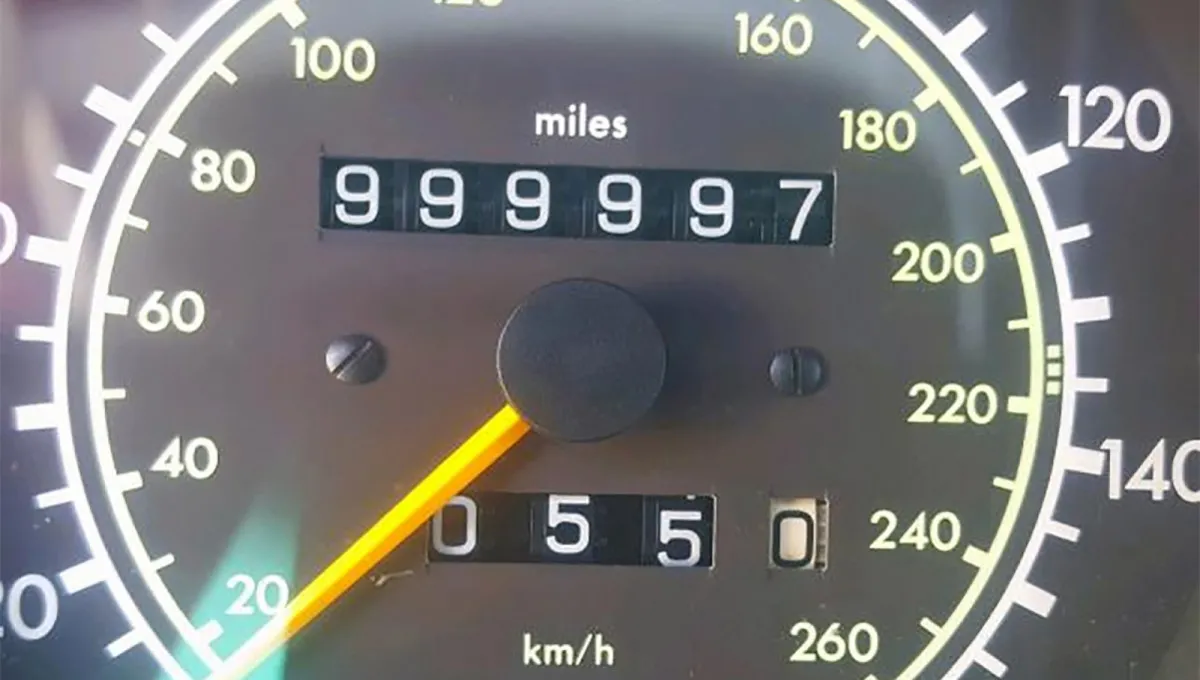
These 8 Cars Went Over 1 Million Miles — They Just Don’t Build Them Like They Used To
Some cars outlast generations of owners, proving that careful maintenance and durable engineering can deliver extraordinary mileage.