
Plunger Life Hack: An Easy Way to Remove a Dent from Your Car’s Body
A dent in your car’s body can be frustrating, but this simple trick may help.
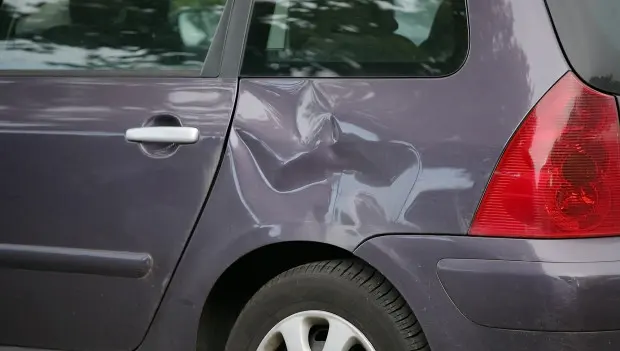
A dent in your car’s body is something most drivers dread. Unfortunately, no one is completely protected from parking lot mishaps, minor impacts, or random accidents that leave behind an ugly dent. Professional body repair can be expensive, especially for what seems like a small problem. In some cases, however, you may be able to improve it yourself using nothing more than a basic household plunger.
What You’ll Need
- A container for water
- A way to heat water
- A clean cloth or rag
- A standard cup-style plumbing plunger
Step One: Prepare the Area
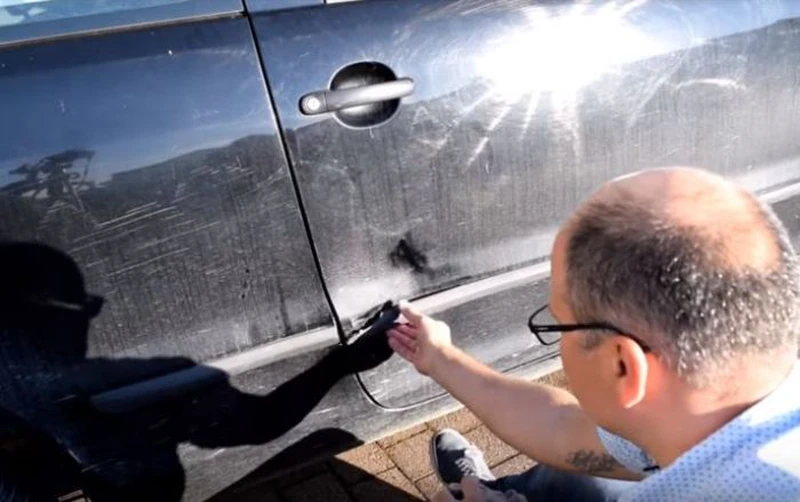
Start by removing any detachable trim pieces near the damaged section of the body panel, if possible. Once that’s done, thoroughly clean the area around the dent.
Use warm water and a clean cloth to remove dirt, dust, and road grime. If necessary, use a mild cleaning solution as well. Any old adhesive residue should also be removed before starting the repair.
Step Two: Heat the Metal
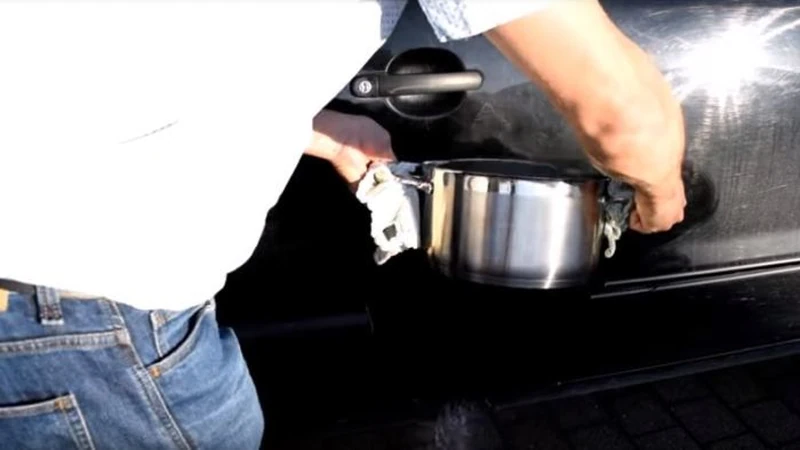
Next, heat enough water depending on the size of the dent. Once the water is hot—close to boiling—carefully pour it over the damaged section and the surrounding area.
This step helps soften the metal slightly and makes the paint surface more flexible during the repair. Warm metal is generally easier to reshape than cold metal, especially with shallow dents.
Step Three: Use the Plunger
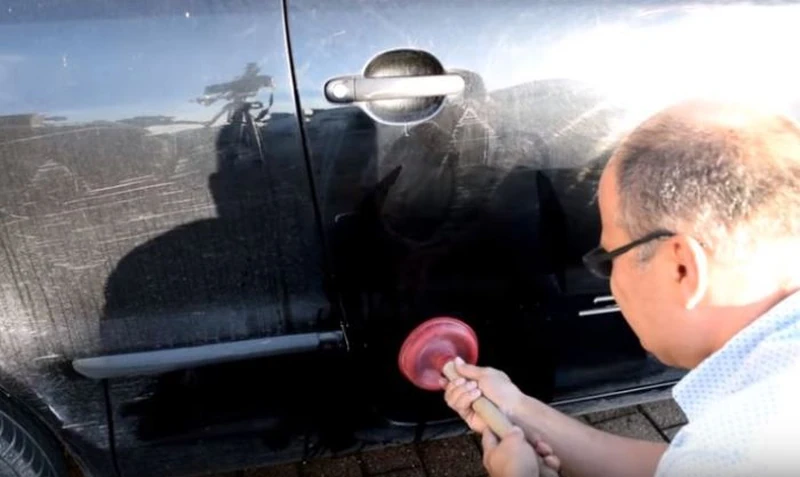
Immediately after pouring the hot water, place the plunger over the outer edge of the dent and begin pulling gently. Work gradually from the perimeter toward the center instead of trying to force the entire dent out at once.
If the dent is small and shallow, it may pop back into place with one strong pull. In most real-world cases, though, dents are uneven and larger than they first appear, so patience matters.
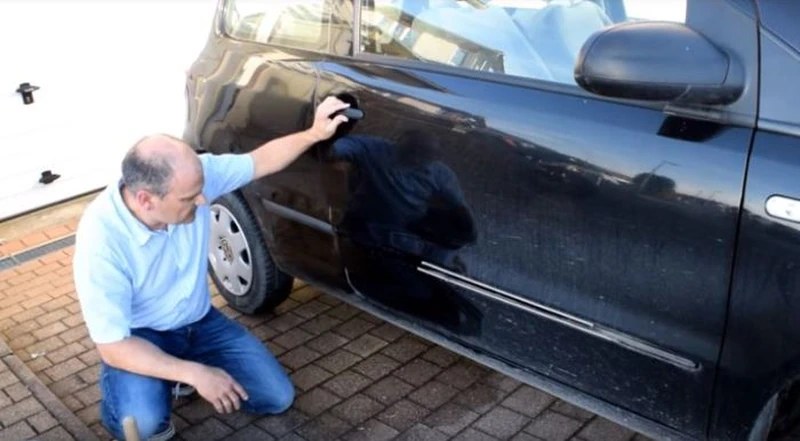
Once the dent is mostly corrected, pouring cold water over the area may help the metal settle back into shape.
Important Note
This trick works best on smooth, shallow dents where the paint has not cracked. Sharp creases, deep damage, or dents near structural edges usually require professional repair. If the panel is aluminum rather than steel, results may also be less predictable.
It’s not a guaranteed fix—but for minor damage, a simple plunger can sometimes save you a trip to the body shop.
You may also be interested in the news:
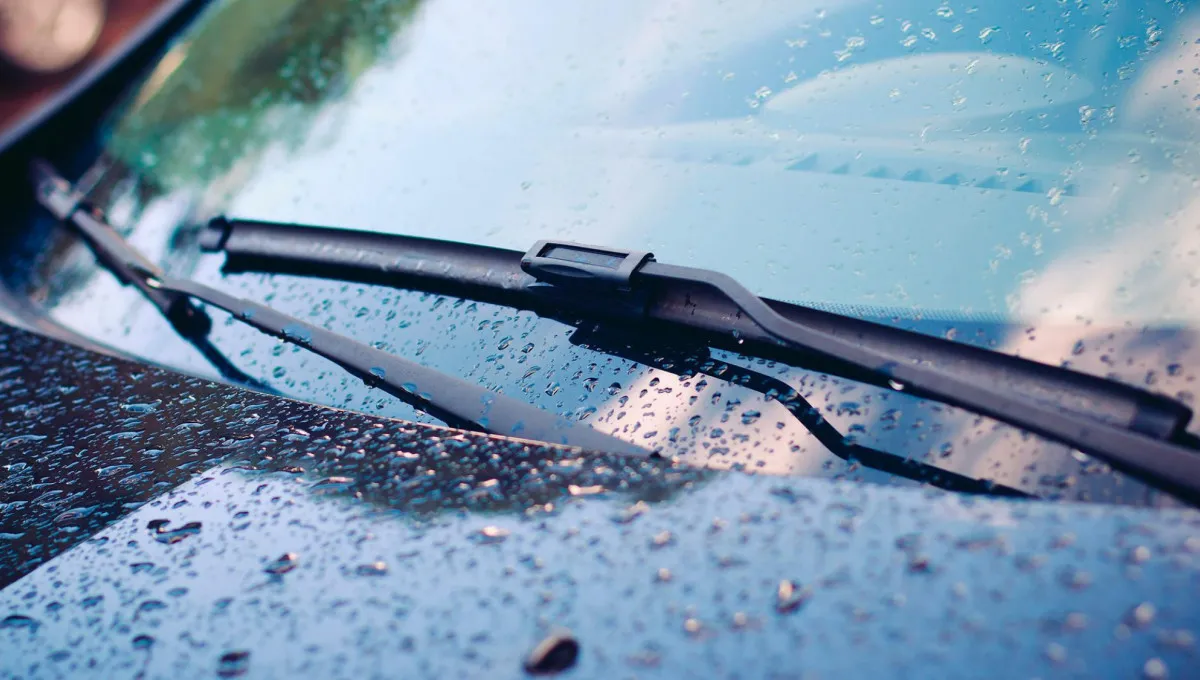
One Capful and Your Wipers Stop Squeaking: Experts Reveal a Simple Trick
We've all been there: windshield wipers start squeaking, smear grime across the glass and leave streaks behind instead of actually helping.
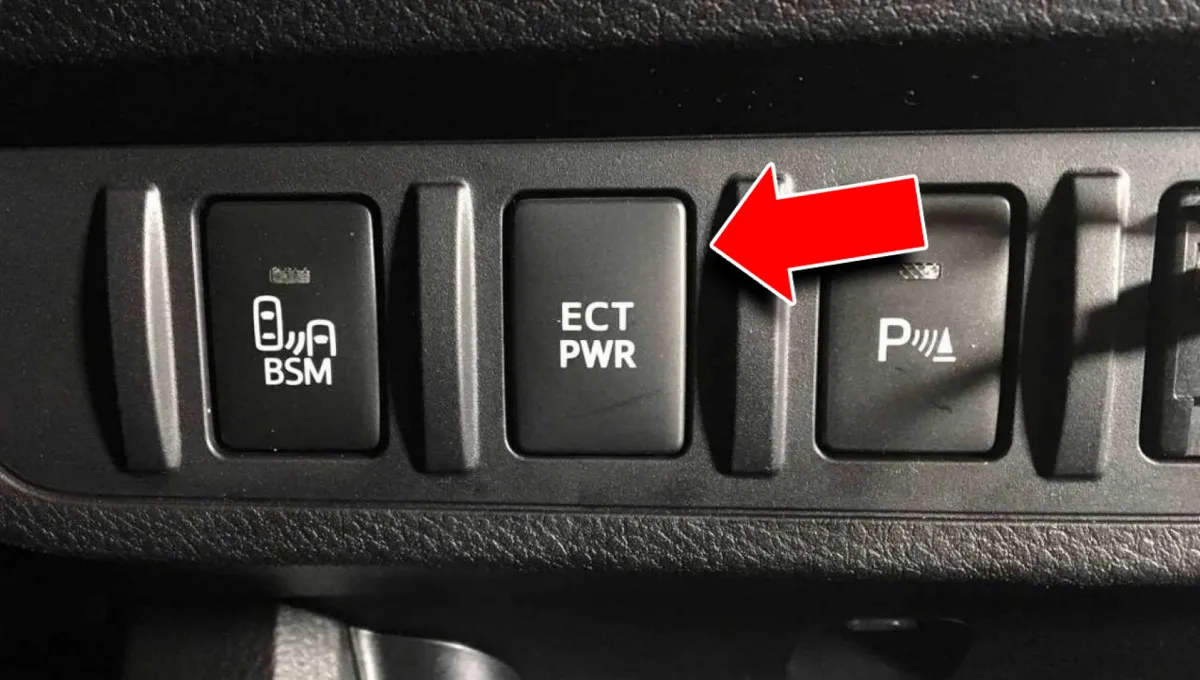
You Hit ECT PWR and Your Toyota Suddenly Wakes Up: What That Mysterious Button Really Does
This little button can change the way a Toyota drives, but plenty of owners have no idea what actually happens when they press it.
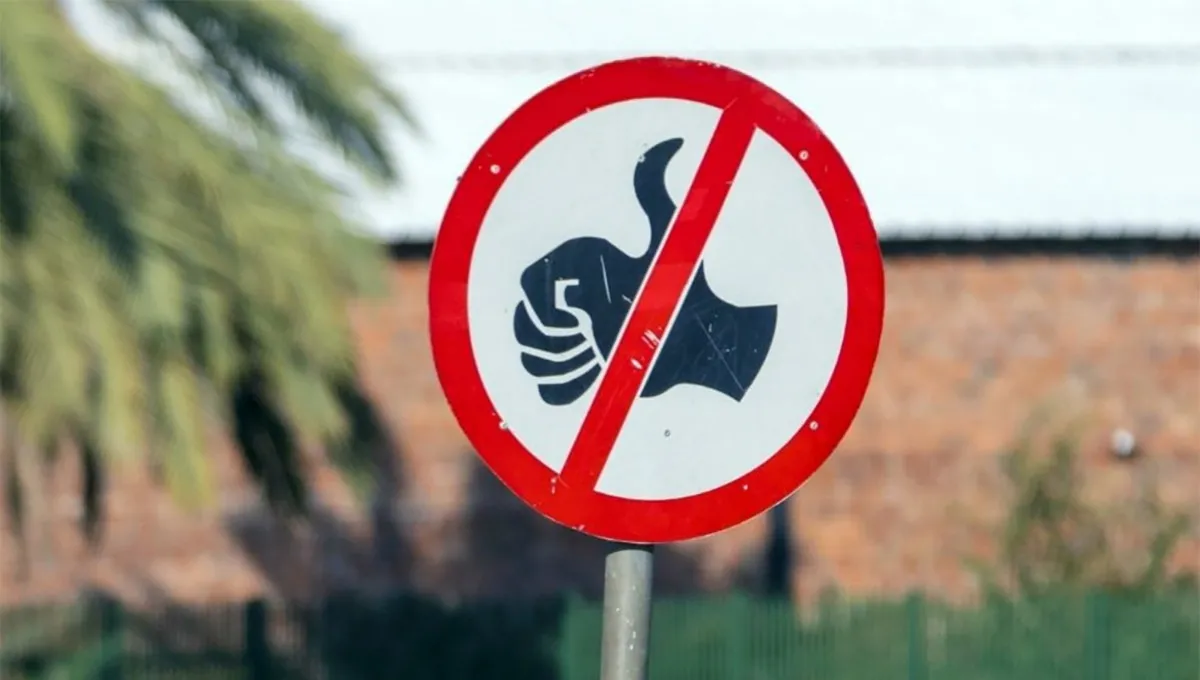
It Confuses Many Drivers: What Does the Road Sign With a Thumbs-Up Mean?
This unusual sign appears near highway entrances, tunnels and other locations where roadside stops can create serious safety hazards.

How to Prepare Your Car for a Long Highway Trip
A long trip starts not with loading the suitcases, but with checking the car.
How to Restore Your Car's Shine With a Simple Hair Conditioner Trick
Car owners are constantly looking for effective ways to maintain their vehicles' appearance.