
How to Fix a Dented Bumper Yourself Without an Expensive Body Shop Visit
Minor bumper dents can often be repaired at home in minutes using simple household items.
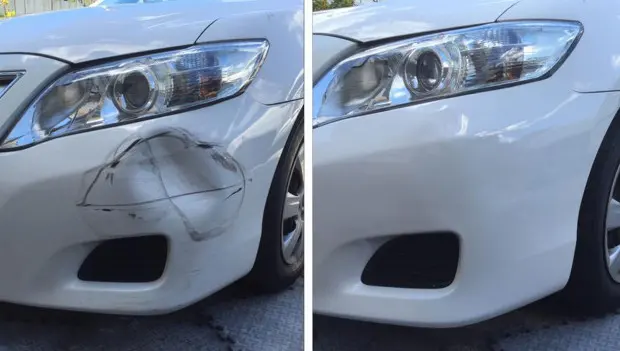
Many drivers have experienced a minor fender-bender where no one is injured and the bumper takes the brunt of the impact. While bumper repairs can be surprisingly expensive—and sometimes even lead to a full replacement—the good news is that many dents can be fixed at home with minimal effort. In fact, some larger dents can be removed in just a few minutes using items most people already have in their kitchen.
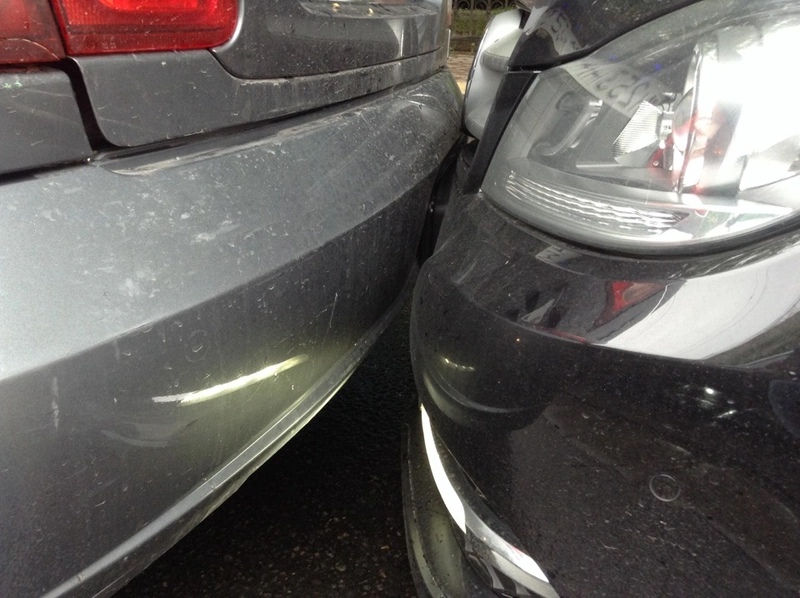
Not every collision results in a totaled vehicle or serious damage. More often, the impact is limited to body panels or the bumper itself. A severe crash can shatter a plastic bumper beyond repair, but a lighter impact typically leaves behind nothing more than a dent. Fortunately, restoring the bumper's original shape is often easier than many drivers realize.
If you'd rather avoid a trip to the body shop and save some money, start by cleaning the damaged area. During a collision, paint from the other vehicle can transfer onto your bumper. These marks can often be removed using common household products.
One option is nail polish remover, which can quickly dissolve transferred paint. However, it should be used with extreme caution because it can also damage your vehicle's original finish if left on the surface for too long. Brake fluid can have a similar effect, removing both transferred paint and contaminants, but it may also harm the factory paint.
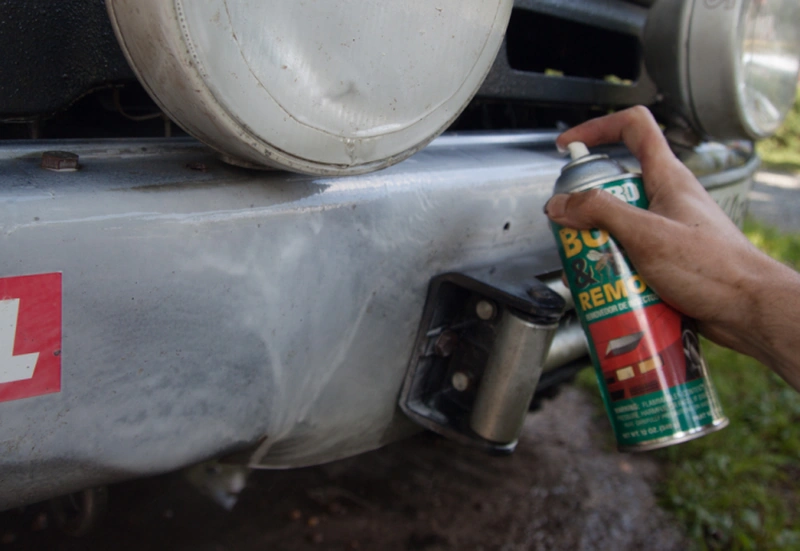
WD-40 is generally a safer alternative. While it may require more effort to remove paint transfer, it is far less aggressive and less likely to damage the bumper's finish.
Once the area is clean, it's time to address the dent itself. You'll need two containers: one filled with boiling water and another with cold water. Because most modern bumpers are made from plastic, heat makes the material more flexible.
Carefully pour hot water over the dented section. In some cases, the heated plastic will naturally return to its original shape. If it doesn't, reach behind the bumper and gently push the dent outward from the inside while the plastic is still warm and pliable.
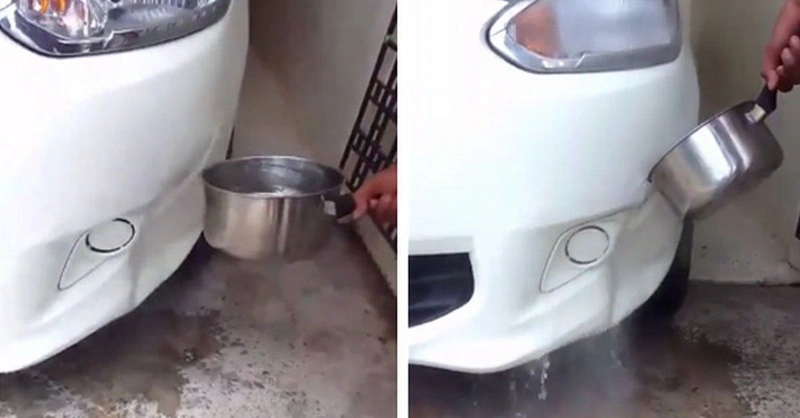
After the dent pops back into place, immediately cool the area with cold water. This helps the plastic retain its restored shape. Without rapid cooling, the material may gradually return to its dented position as it cools naturally.
A hair dryer can also be used to heat the damaged area, but the process usually takes significantly longer than using boiling water. For many DIY repairs, hot water remains the quickest and simplest solution.
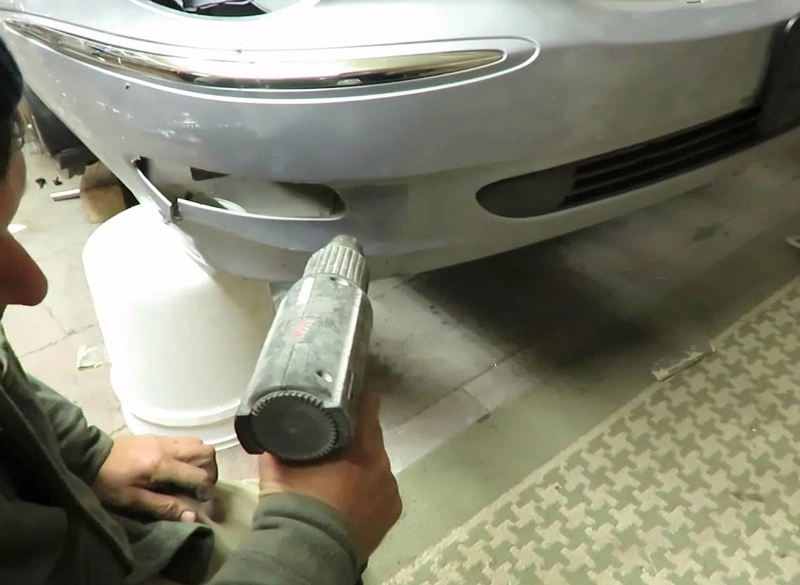
While this method won't fix cracks, broken mounting points, or severe collision damage, it can be an effective and inexpensive way to restore a dented plastic bumper in just a few minutes.
You may also be interested in the news:
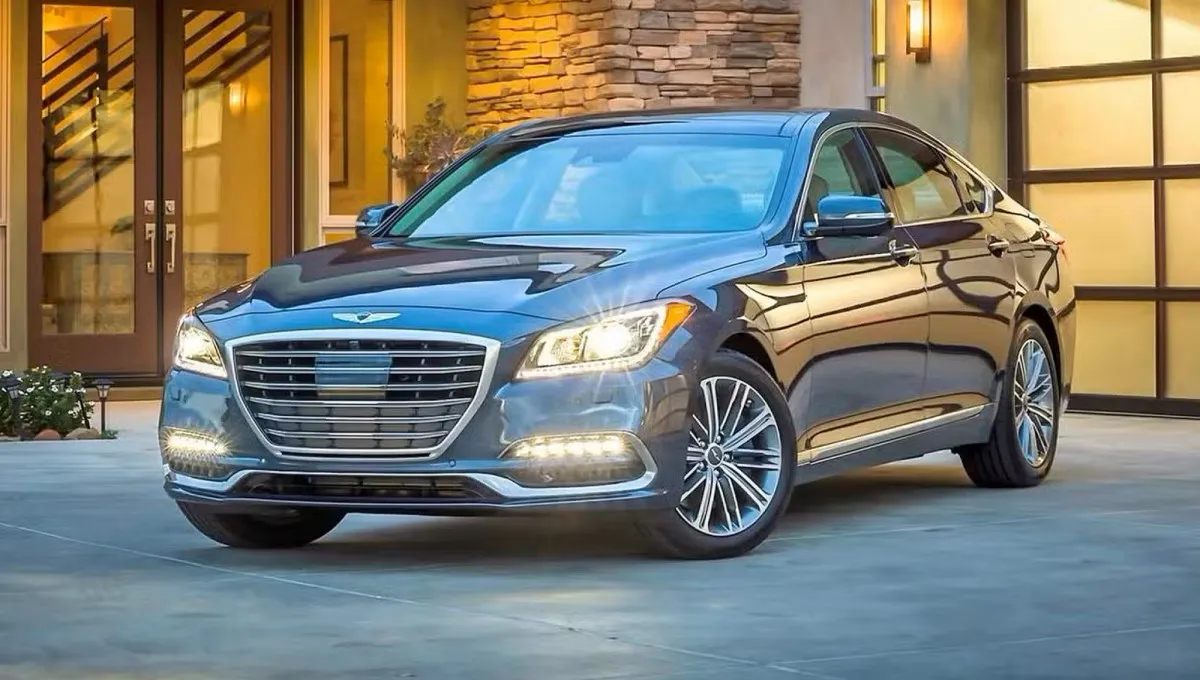
Hyundai Recalls Nearly 95,000 Genesis Sedans Over Fire Risk From Power Seats
Hyundai is recalling 94,622 Genesis sedans after a faulty power seat switch was linked to overheating and potential vehicle fires.
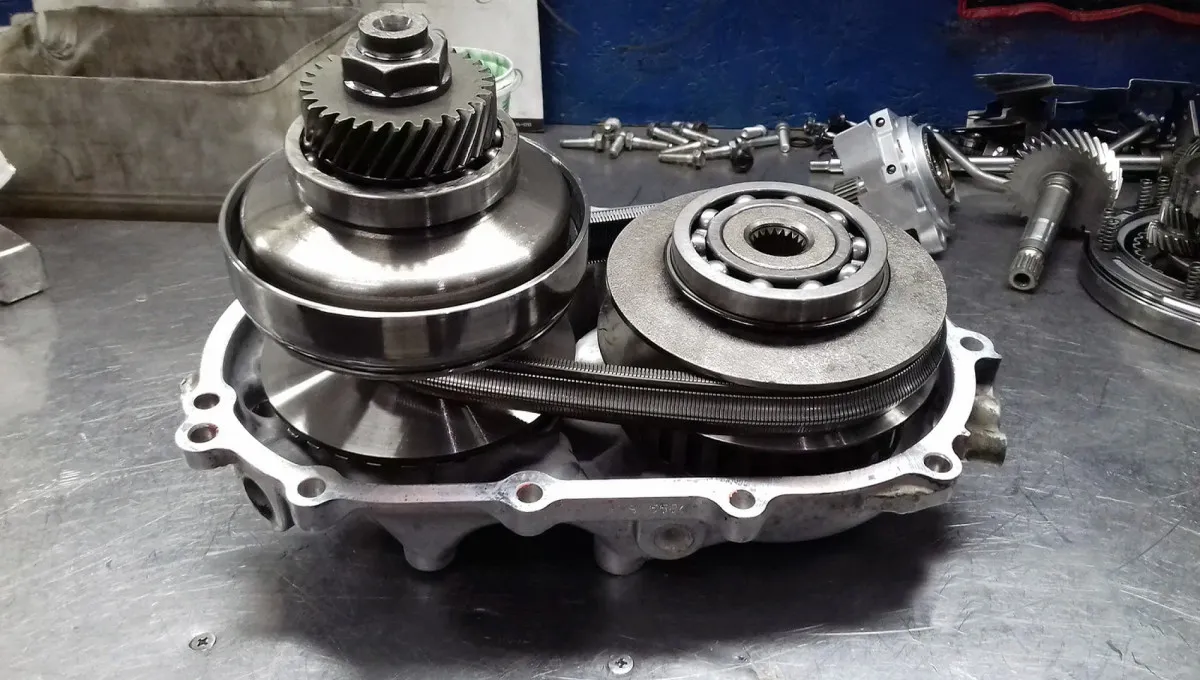
Why Experienced Drivers Still Warn Against Buying a Used Car With a CVT
CVTs offer smooth acceleration and good fuel economy, but expensive repairs and durability concerns make used models risky.
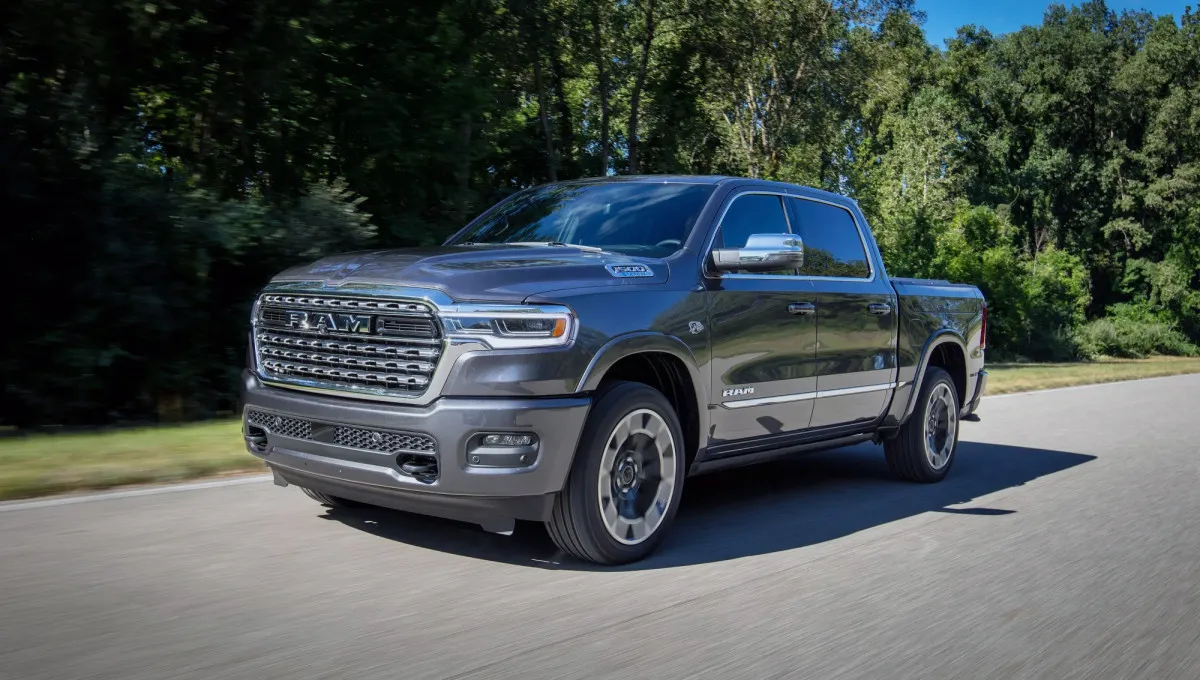
2026 Ram 1500 Recall: 16K Trucks May Have Faulty Tire Pressure Sensors
Ram is recalling 16,385 model-year 2026 Ram 1500 trucks
Hidden Key Fob Trick: Open All Your Car Windows With One Button
An auto mechanic explains how drivers can remotely open and close car windows using a key fob, provided the vehicle has the right hardware.
8 Car Maintenance Mistakes That Could Cost You Thousands if You Wait Too Long
Depending on driving conditions, some maintenance tasks may need to be performed sooner and more often than the automaker recommends.