
Car Windows Fogging Up? Here's Why It Happens and How to Fix It
Foggy windows can quickly become a safety hazard, but a few simple steps can help restore visibility fast.
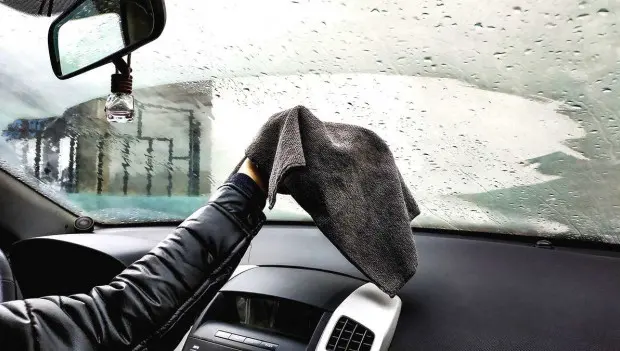
Virtually every driver has dealt with fogged-up windows at some point. While it may seem like a minor annoyance, condensation on the glass can significantly reduce visibility and create a serious safety risk. So why does it happen, and what can you do about it? Here are some practical solutions.
Why Car Windows Fog Up
Window fogging occurs when moisture in the air condenses on a cooler glass surface. During colder months, the temperature difference between the cabin and the outside air often causes condensation to form on the inside of the windows.
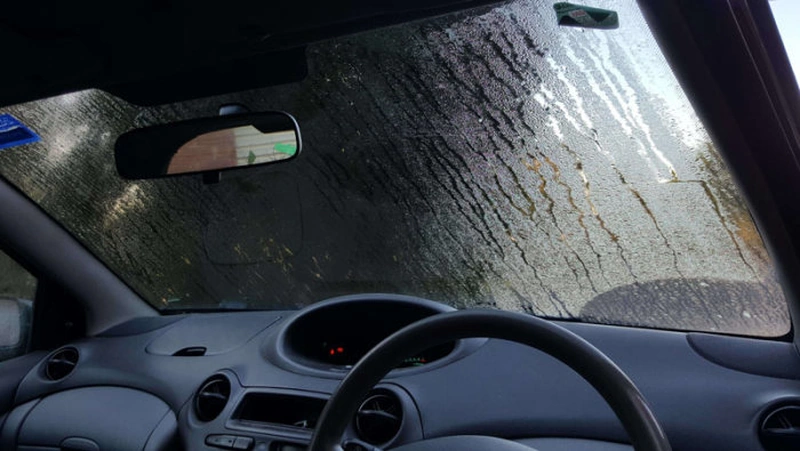
Fogging is also common during rainy or humid weather, when excess moisture enters the vehicle. In some cases, a dirty, clogged, or overdue-for-replacement cabin air filter can contribute to the problem by restricting airflow and preventing proper ventilation.
If you notice an oily film forming on the inside of the glass, don't ignore it. This could indicate a leak in the vehicle's heating system, such as a failing heater core, which should be inspected as soon as possible.
General Ways to Eliminate Window Fogging

1. Adjust the Climate Control System
The fastest solution is usually to direct warm air toward the windshield and windows. A properly functioning defroster can clear the glass within minutes.
Simply turning on the heater may not be enough. For best results, use it together with the vehicle's ventilation system or defrost mode.
2. Use Anti-Fog Products
A wide variety of anti-fog sprays and treatments are available on the market. Most are affordable and can help prevent condensation from forming on interior glass surfaces.
3. Dry Out and Ventilate the Cabin
Reducing moisture inside the vehicle is one of the most effective long-term solutions. In some cases, cracking the windows for a few minutes is enough to improve airflow and lower humidity levels.
What to Do When It's Raining

1. Slightly Open the Side Windows
Once you're on the road, opening the side windows just a small amount can improve air circulation and help reduce condensation.
It's also a good idea to air out the vehicle after your trip, especially during wet weather.
2. Remove Wet Items From the Cabin
Avoid leaving damp items such as umbrellas, jackets, or floor mats inside the vehicle. Excess moisture from these items can quickly lead to fogged windows.
3. Maintain the Cabin Air Filter
Replace the cabin air filter according to the manufacturer's schedule and address any issues with ventilation flaps, sensors, or climate-control components that may be affecting airflow.
How to Prevent Fogged Windows in Winter
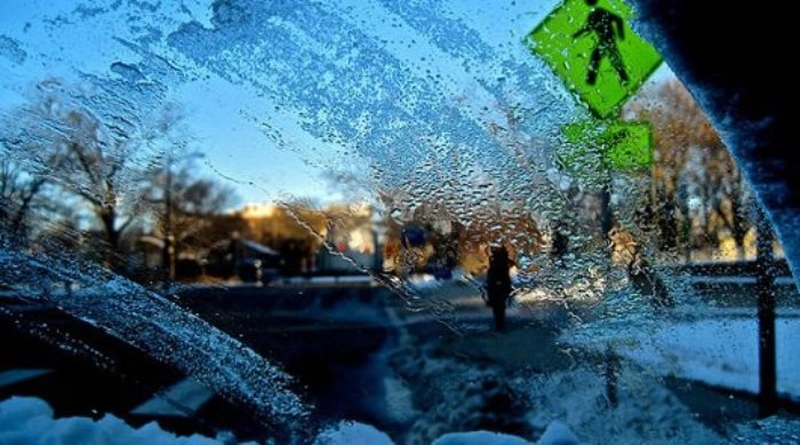
During winter, dedicated anti-fog treatments are often the most effective solution. Regular use can greatly reduce or eliminate condensation issues.
If you don't have a commercial product on hand, several household remedies may help:
- Wipe the inside of the glass with a small amount of shaving cream and buff it clean.
- Rub a cut lemon over the glass surface.
- Use a thin layer of soap and then wipe it off thoroughly.
- Place newspaper or small bags of salt inside the vehicle to absorb excess moisture.
Keeping the cabin dry, maintaining proper airflow, and using anti-fog treatments when necessary can go a long way toward ensuring clear visibility and safer driving year-round.
You may also be interested in the news:
Hidden Key Fob Trick: Open All Your Car Windows With One Button
An auto mechanic explains how drivers can remotely open and close car windows using a key fob, provided the vehicle has the right hardware.

8 Car Maintenance Mistakes That Could Cost You Thousands if You Wait Too Long
Depending on driving conditions, some maintenance tasks may need to be performed sooner and more often than the automaker recommends.

How Long Will Your Car Last? A Guide to Making It Age Gracefully
Automotive experts explain how routine maintenance and timely replacement of aging components can help your car last longer.

Common Car Problems on the Road and How to Handle Them Yourself
A breakdown far from home can leave any driver stranded. Here’s how to assess the problem and decide what to do next.
Experienced Drivers Share Their Best Car Hacks: Better Visibility, a Cleaner Backup Camera, and Battery Care
Simple DIY fixes can improve visibility, protect your car’s finish, and make routine repairs easier without expensive tools or parts.