
7 Must-Have Items Every Driver Should Keep in the Car
From everyday essentials to true roadside lifesavers, every driver benefits from a few smart items in the glove box.
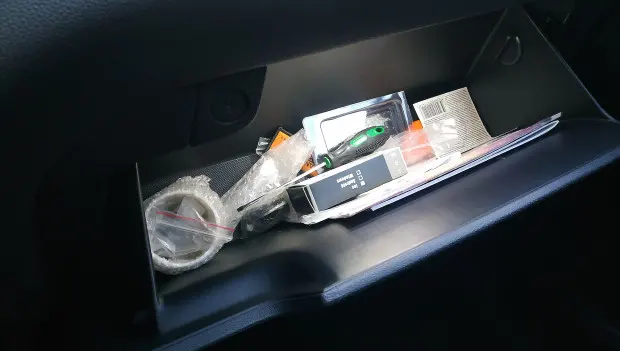
Twenty years ago, many drivers treated the glove box as a catch-all storage space for every imaginable item. Times have changed, but there are still a handful of practical things worth keeping in your vehicle. In an emergency—or even during an ordinary day on the road—these simple items can prove surprisingly useful.
1. Phone Charger
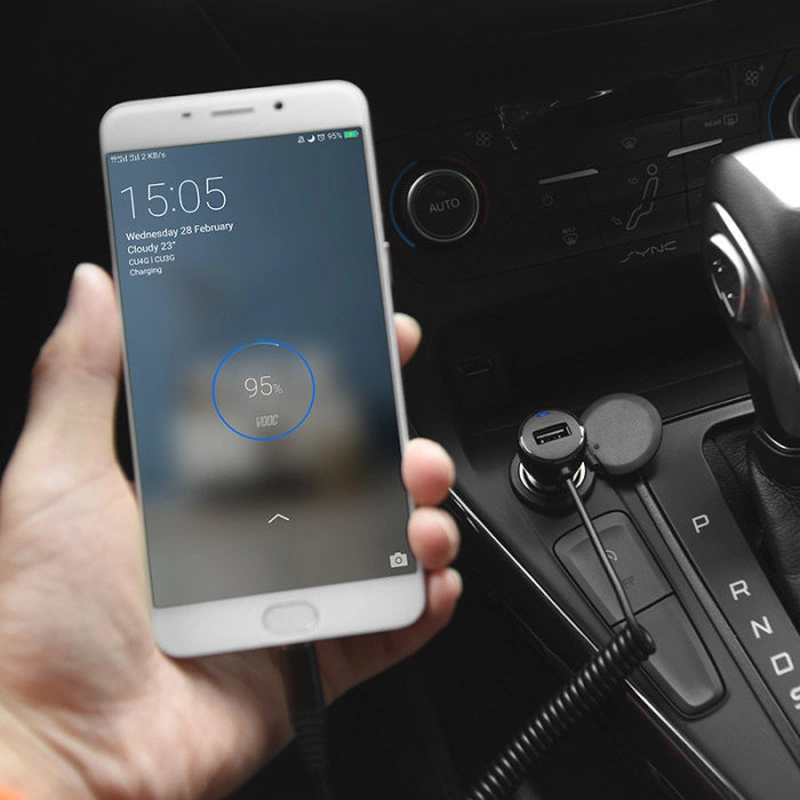
Even with today's larger smartphone batteries, running out of power remains a common problem. For drivers who spend a lot of time behind the wheel, a dead phone can mean losing access to calls, navigation, mobile banking, and other essential services. That's why a charger that plugs into the vehicle's power outlet is one of the most important items to keep in the car.
2. Absorbent Pads

This might sound unusual, but absorbent hygiene pads can be surprisingly useful in a roadside emergency. During rainy fall and spring weather, soaked shoes can quickly become uncomfortable and increase the risk of getting sick. Placing absorbent pads inside wet footwear for a short period can help draw out moisture and make the shoes wearable again much sooner.
3. USB Flash Drive
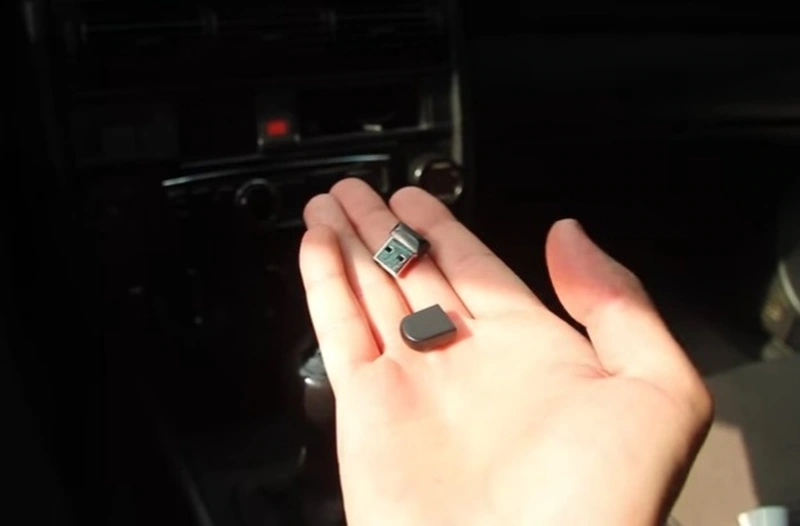
While streaming services dominate today, a USB flash drive loaded with music can still come in handy, especially in areas with poor cellular coverage. Compact drives are often the best choice since they're less likely to get bumped, damaged, or accidentally broken while plugged into the vehicle's USB port.
4. Duct Tape
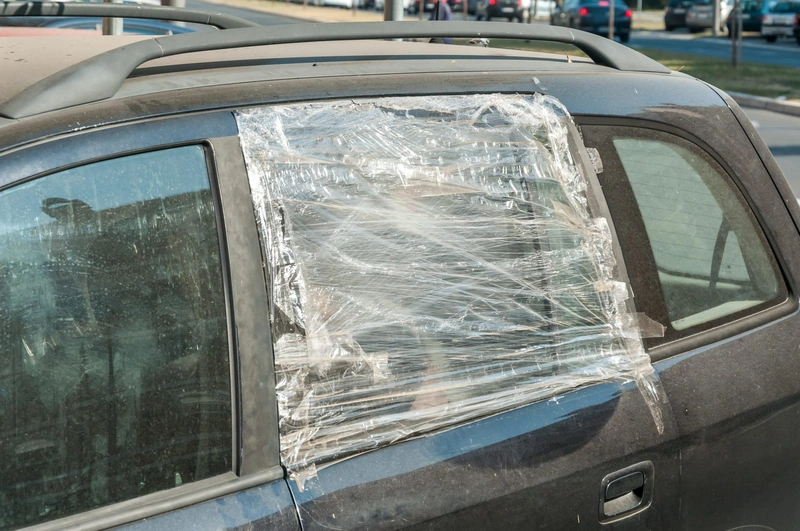
There's a reason duct tape has a reputation for fixing almost anything. It can temporarily secure loose parts, hold damaged trim in place, or help with unexpected repairs. For example, if a side window is shattered, a plastic sheet and some tape can provide a temporary barrier until the vehicle reaches a repair shop. In some emergency situations, tape can also be used to secure a bandage until proper medical care is available.
5. Flashlight
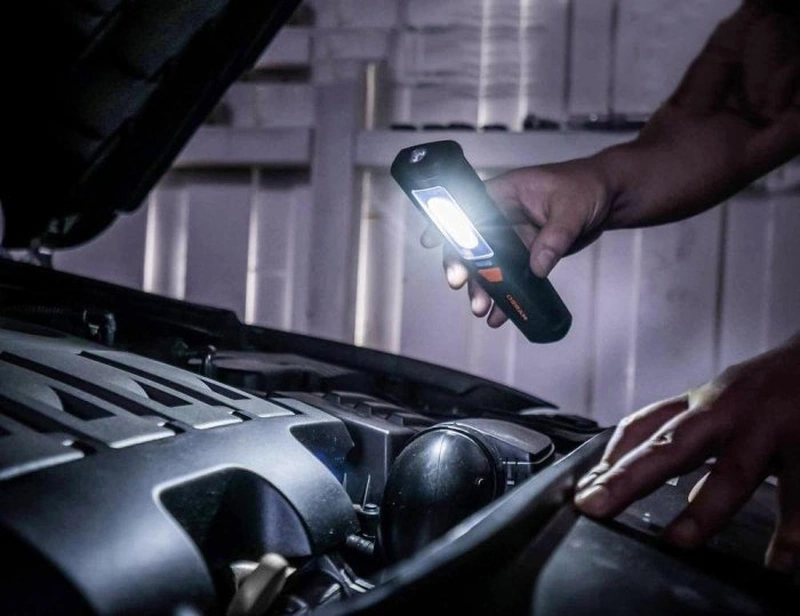
A flashlight is one of the most useful tools a driver can have. Whether you're inspecting something under the hood at night, changing a tire, or searching for dropped keys in the dark, a dedicated flashlight is far more practical than relying on a smartphone—especially when battery life is running low.
6. Notepad and Pen
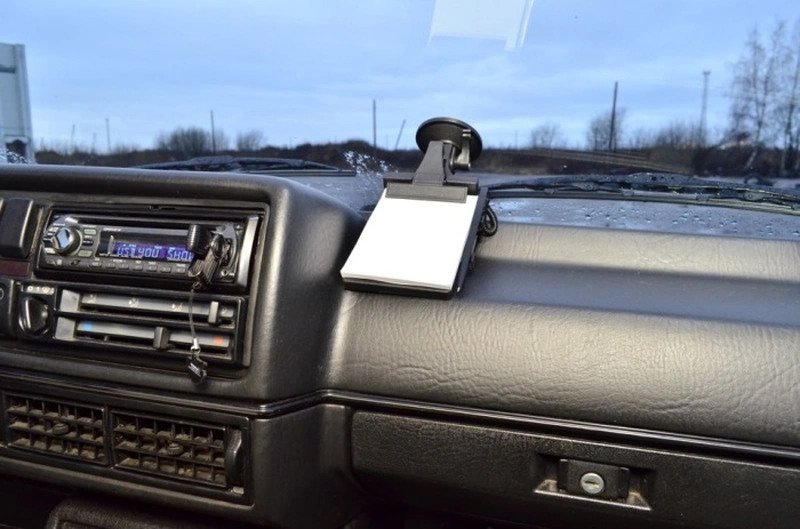
Even in the digital age, there are times when writing something down is the quickest and easiest option. Whether it's exchanging information after a minor accident, noting directions, or recording an important phone number, a simple notepad and pen can save the day.
7. Wet Wipes

Wet wipes are useful for much more than cleaning your hands after a quick meal in the car. They can help remove dirt from a license plate, wipe away bird droppings, clean interior surfaces, or tackle other small messes before they become bigger problems.
Keeping a few practical items in your vehicle doesn't require much space or money, but they can make a significant difference when unexpected situations arise. Sometimes the simplest tools turn out to be the most valuable ones on the road.
You may also be interested in the news:

Harley-Davidson Riders Could Face $2,500 Fines Under New Law Targeting ‘Weaving’ on Roads
Arizona’s new motorcycle law targets lane splitting, exposing repeat offenders to steep fines, possible jail time, and license suspensions.

3 Zodiac Signs That Drive Everyone Crazy on the Road, Without Realizing It — Is Yours on the List?
They think they're perfect drivers. Everyone else disagrees. These zodiac signs have a knack for testing other drivers' patience.
Hidden Key Fob Trick: Open All Your Car Windows With One Button
An auto mechanic explains how drivers can remotely open and close car windows using a key fob, provided the vehicle has the right hardware.
8 Car Maintenance Mistakes That Could Cost You Thousands if You Wait Too Long
Depending on driving conditions, some maintenance tasks may need to be performed sooner and more often than the automaker recommends.

How Long Will Your Car Last? A Guide to Making It Age Gracefully
Automotive experts explain how routine maintenance and timely replacement of aging components can help your car last longer.