
When Auto Hold Can Cause Problems for Drivers and Their Vehicles
Auto Hold is a convenient feature, but there are situations where turning it off may be the smarter choice.
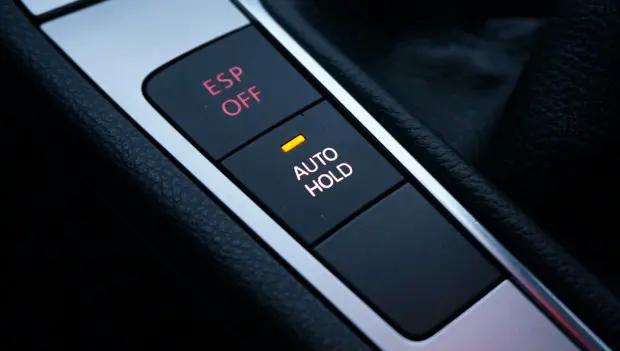
Auto Hold has become an increasingly common feature in modern vehicles, especially among drivers who spend a lot of time in city traffic. The system keeps the vehicle stationary after it comes to a complete stop, allowing the driver to take their foot off the brake pedal while waiting at a traffic light or sitting in congestion. Once the accelerator is pressed, the brakes are automatically released and the vehicle moves off smoothly. A dashboard indicator lets the driver know when the function is active, while the brake lights remain illuminated to signal to other motorists that the vehicle is stopped.
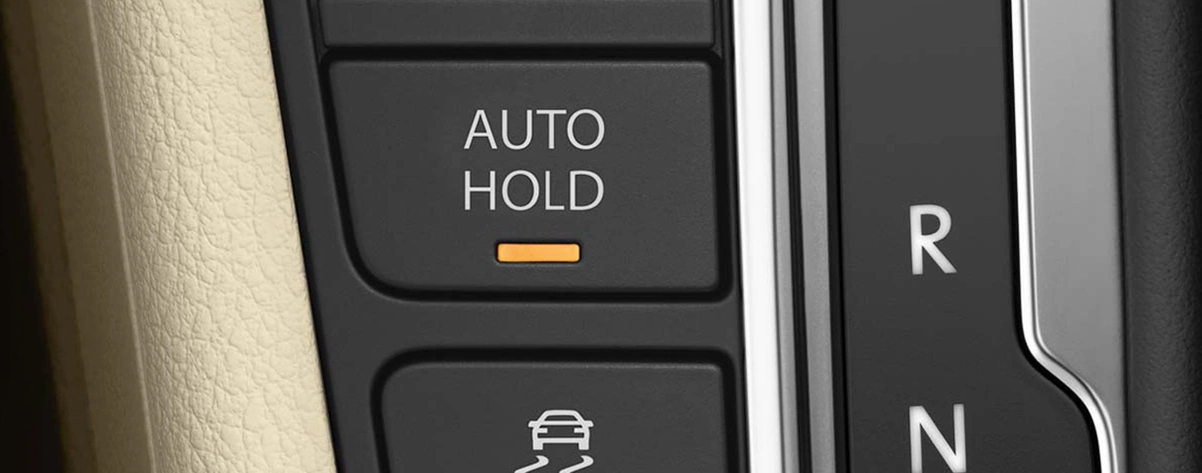
Despite its convenience, Auto Hold is not always beneficial. Some drivers worry that frequent use of the system could accelerate wear on brake components. In practice, however, most owners report no noticeable reduction in brake life. The additional load created by the system is generally too small to have a meaningful impact on the longevity of the braking hardware.
Auto Hold is most useful during extended stops, such as at traffic lights or in heavy traffic. However, it can become inconvenient when maneuvering in parking lots. When drivers repeatedly move the vehicle forward and backward, the system engages the brakes after every stop and releases them only when the accelerator is pressed again. This can make low-speed maneuvers feel less smooth and more abrupt. In vehicles equipped with automatic transmissions, parking is often easier without Auto Hold because the car can gently creep forward once the brake pedal is released, allowing for more precise control in tight spaces.
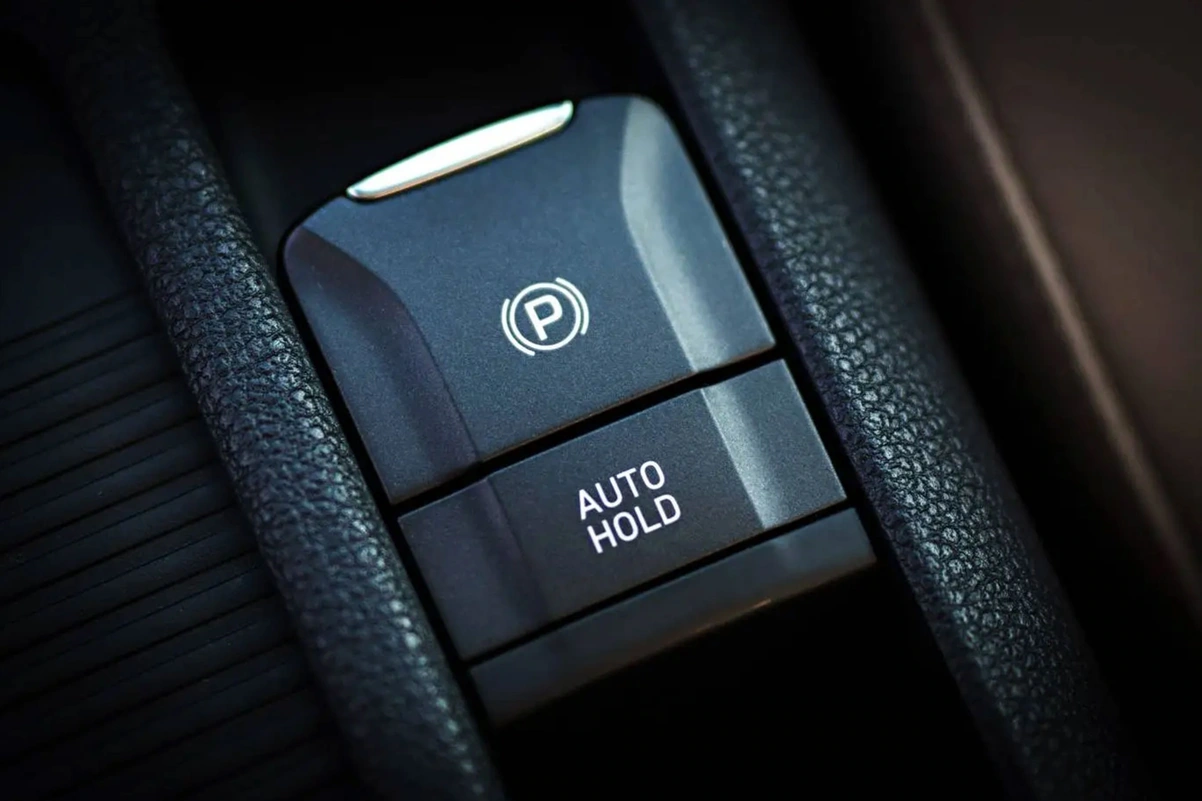
Many drivers also prefer to disable Auto Hold during the winter months. On snow-covered or icy roads, particularly when starting on an incline, sudden brake release can increase the likelihood of wheel slip. Under these conditions, maintaining direct control of the vehicle's movement may help provide a smoother and more predictable launch.
Towing is another situation where Auto Hold should not be used. If a towed vehicle unexpectedly activates the system and applies the brakes, it can create significant resistance and place additional stress on the towing equipment. In some cases, this could even result in damage to the tow strap or other components involved in the recovery process.
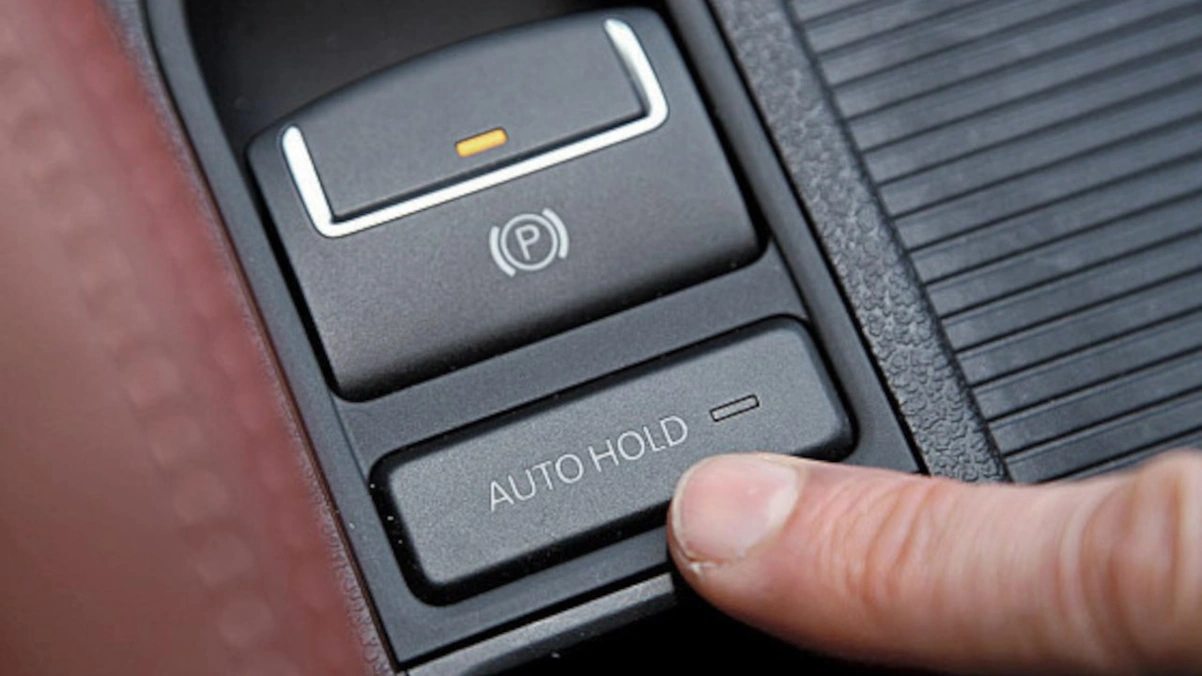
Auto Hold remains a valuable feature for daily driving, especially in urban environments and during long stops. However, there are situations where disabling the system may be the better option. Parking maneuvers, slippery winter roads, and towing are all examples where drivers can benefit from taking full control of the vehicle and avoiding potential complications. Understanding these limitations can help motorists get the most out of the technology while reducing unnecessary wear and inconvenience.
You may also be interested in the news:
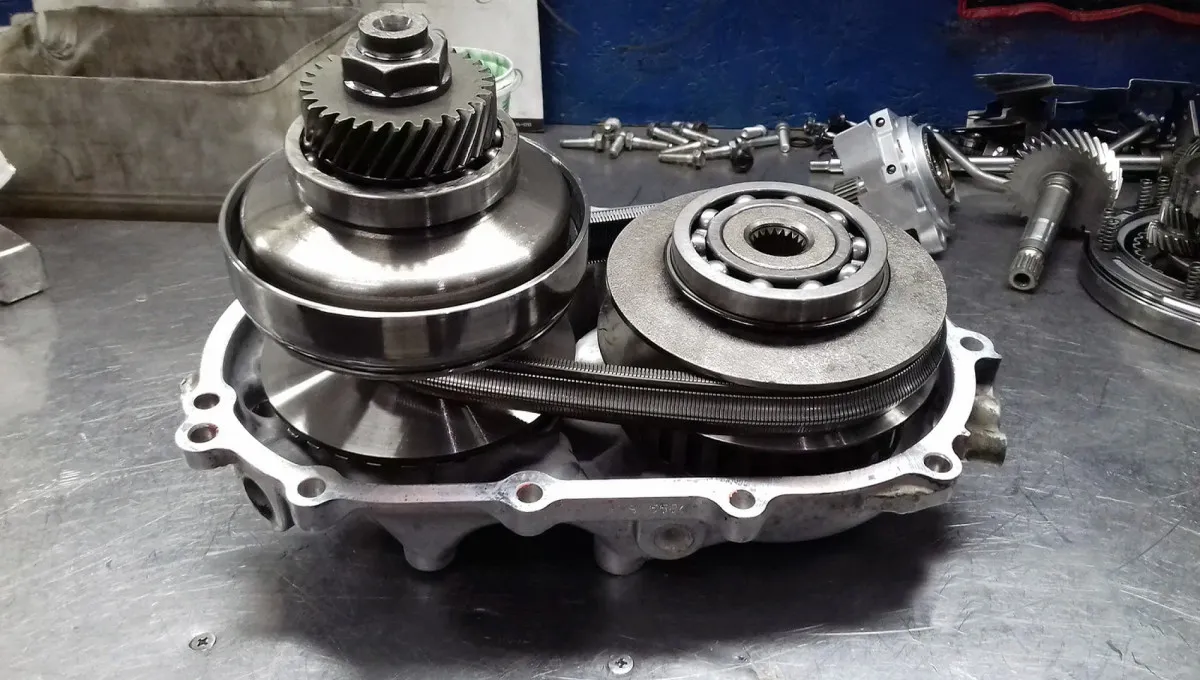
Why Experienced Drivers Still Warn Against Buying a Used Car With a CVT
CVTs offer smooth acceleration and good fuel economy, but expensive repairs and durability concerns make used models risky.

Hidden Key Fob Trick: Open All Your Car Windows With One Button
An auto mechanic explains how drivers can remotely open and close car windows using a key fob, provided the vehicle has the right hardware.
8 Car Maintenance Mistakes That Could Cost You Thousands if You Wait Too Long
Depending on driving conditions, some maintenance tasks may need to be performed sooner and more often than the automaker recommends.

How Long Will Your Car Last? A Guide to Making It Age Gracefully
Automotive experts explain how routine maintenance and timely replacement of aging components can help your car last longer.

Common Car Problems on the Road and How to Handle Them Yourself
A breakdown far from home can leave any driver stranded. Here’s how to assess the problem and decide what to do next.