
Four Tuning Hacks: Simple and Effective Upgrades Every Car Needs
A car, like any machine, can always be improved with a few smart and practical upgrades.

No vehicle is truly perfect from the factory. Even the most well-designed cars often have areas where simple modifications can improve comfort, performance, safety, and long-term durability. For everyday drivers, some upgrades are less about style and more about making the vehicle better to live with and easier to maintain.
Here are four practical tuning improvements that are often worth considering.
Wheels and Tires
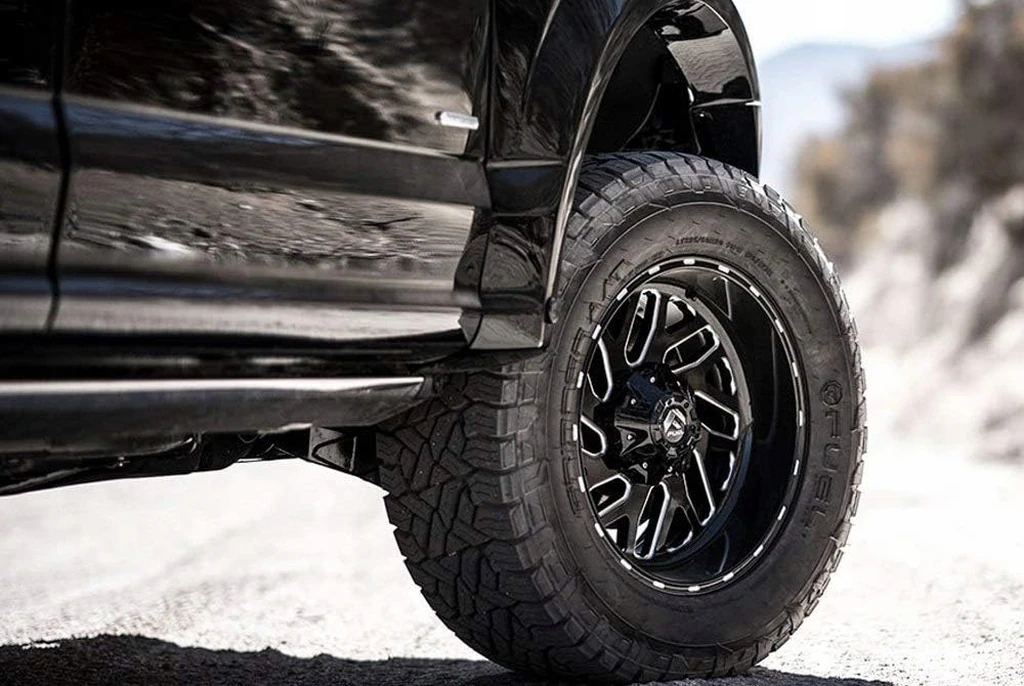
Upgrading to alloy or forged wheels does more than improve a car’s appearance. Higher-quality wheels can also improve handling, ride quality, and overall driving performance.
Aluminum wheels remain one of the best choices thanks to their lighter weight, strong durability, and better resistance to corrosion compared to traditional steel wheels. They also give the vehicle a cleaner, more premium look.
The same logic applies to tires. Investing in high-quality tires is not just about better acceleration or smoother cornering—it’s also one of the most important safety upgrades a driver can make. Good tires improve braking, wet-weather traction, and overall road stability.
Rust Protection
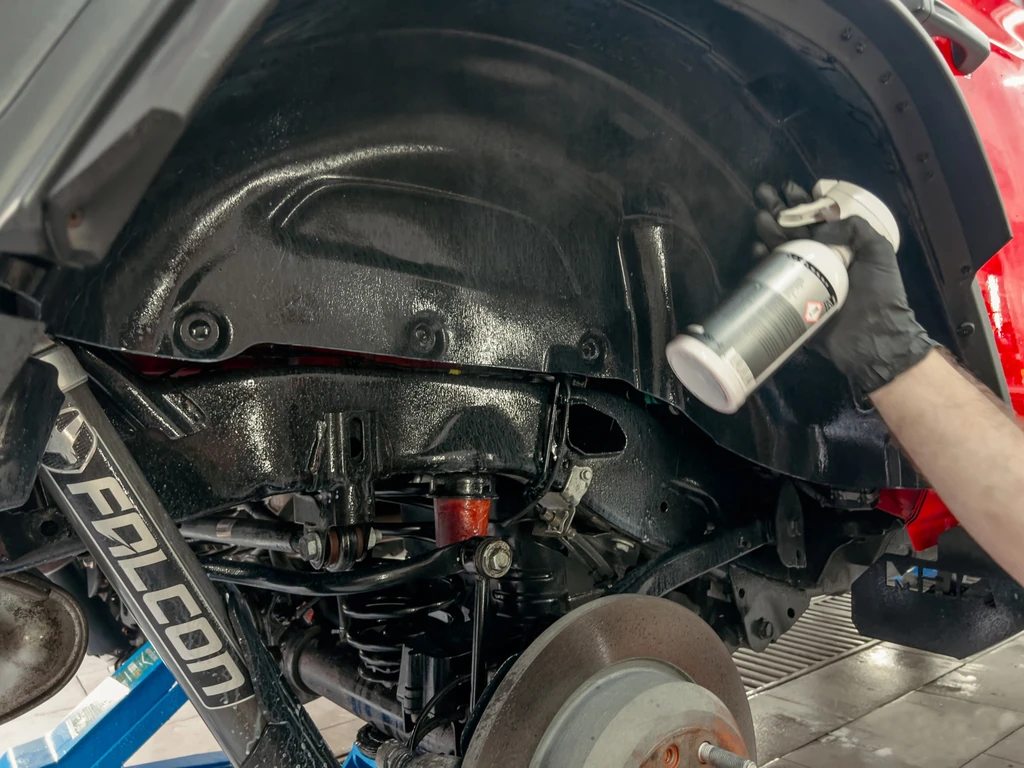
In many parts of the U.S., especially in states with harsh winters, snow, road salt, and heavy rain can quickly lead to corrosion.
That’s why applying rust protection early can save serious money later. The most vulnerable areas are usually wheel wells, door edges, rocker panels, and the underbody. Adding an anti-corrosion coating helps protect the paint and metal surfaces from rust and long-term damage.
Preventive treatment is often much cheaper than body repairs down the road.
Suspension Improvements
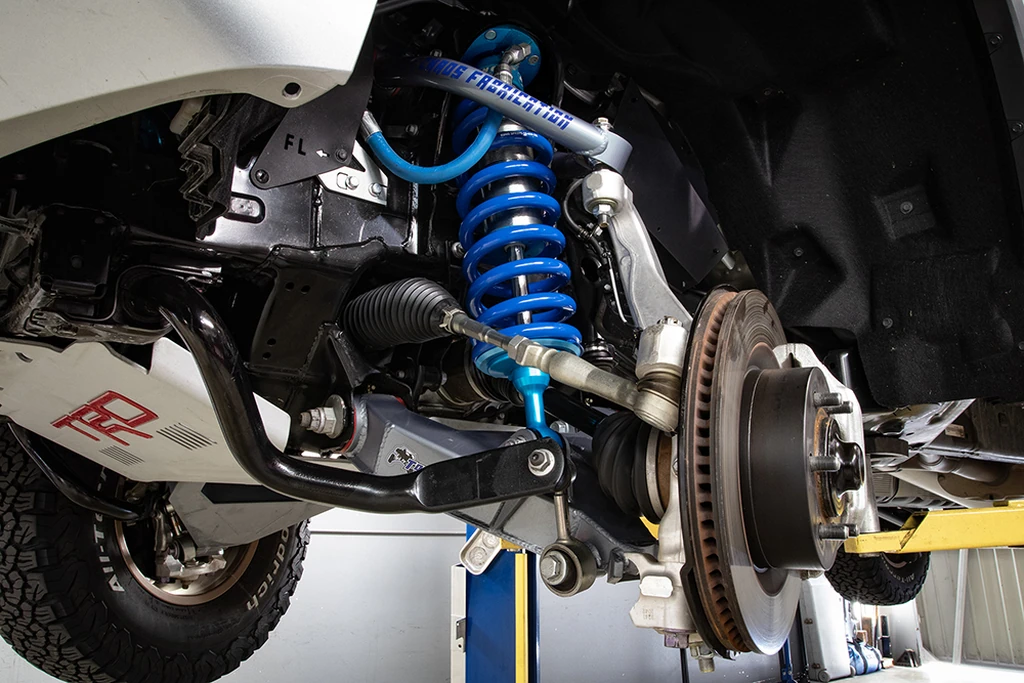
Many drivers eventually feel that their factory suspension could be better—whether the ride feels too soft, too stiff, or simply worn out.
Suspension tuning is common, but before thinking about lowering, lifting, or installing performance kits, it’s smart to first identify the real issue. In many cases, replacing worn rubber bushings, control arm bushings, or other basic suspension components is enough to restore proper ride quality.
One important rule: suspension work should usually be handled by professionals. This is not the area for risky DIY experiments—taking the car to a trusted shop is the safer option.
Interior Upgrades

Cabin upgrades aren’t just for luxury cars. Almost any driver can improve the comfort and feel of their interior without spending a fortune.
Popular improvements include better sound insulation, reupholstering the steering wheel with higher-quality materials, replacing worn dashboard trim and plastic panels, and upgrading or reupholstering the seats.

These changes may not make the car faster, but they can make daily driving much more enjoyable—especially for people who spend a lot of time behind the wheel.
You may also be interested in the news:
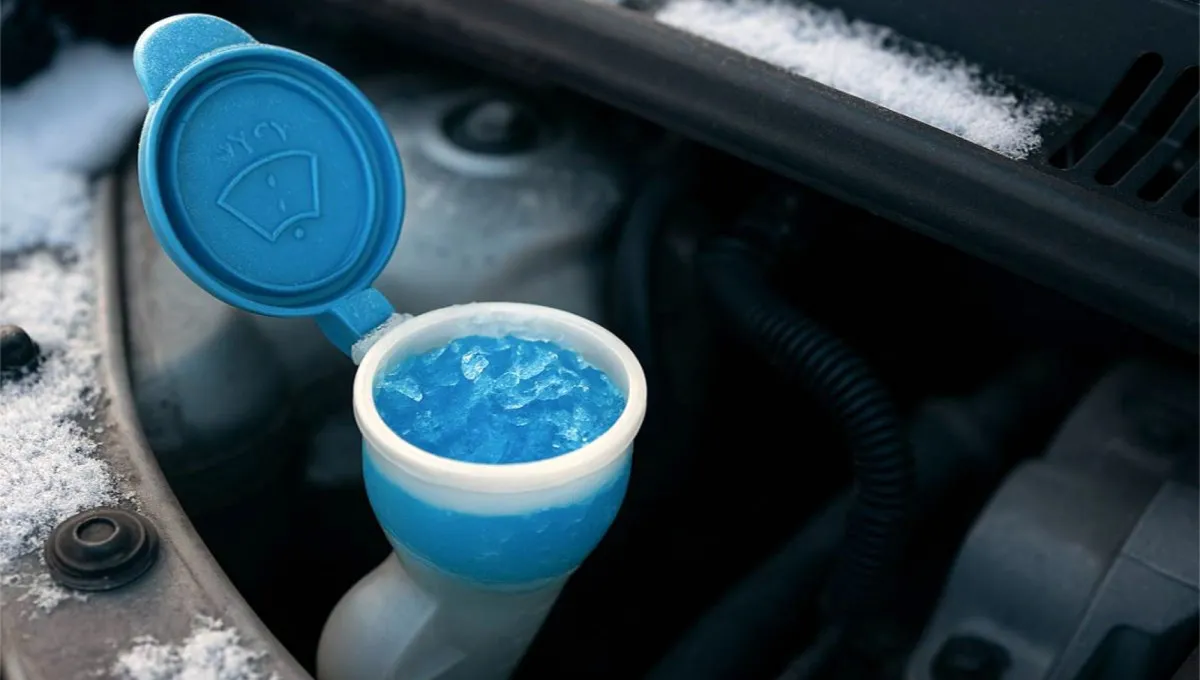
Windshield Washer Fluid Frozen in the Reservoir? Here’s How to Thaw It
A frozen washer system can catch drivers off guard, especially when a cold morning reveals that yesterday’s windshield washer suddenly stopped working.

One Car Button Can Make Your Windows Fog Up Faster: What Not to Do in the Rain
Moisture brought into the cabin by drivers and passengers can linger in the air and settle on cold windows, reducing visibility.

Modellista Gives Lexus' Most Affordable Crossover a Sportier Look
The Lexus LBX gets a new Modellista styling package with 19-inch wheels, revised suspension tuning, and additional upgrades.

VIN-Based Auto Parts Lookup: Where Buyers Make the Most Mistakes
A VIN helps identify the right replacement part for your vehicle, but it cannot account for every change. Here’s what sellers need to know.

Why Experienced Drivers Put Socks on Their Car Mirrors in Fall: The Clever Trick Explained
An old pair of socks can help reduce frost buildup on your side mirrors overnight, saving time on cold mornings when every minute counts.