
Cleaned Spark Plugs, Ruined the Engine: What Went Wrong
Online advice about cleaning spark plugs often sounds helpful but can seriously damage modern engines.
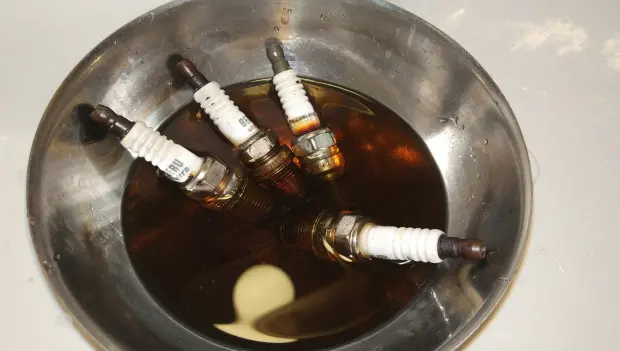
The internet is full of “useful” tips on how to clean carbon buildup from spark plugs. Many drivers, however, don’t realize that today’s spark plugs are nothing like the ones used decades ago in older Soviet-era cars, where cleaning was sometimes actually part of routine maintenance. On modern vehicles, that kind of approach can easily end in a breakdown.
To put it simply: modern spark plugs should not be cleaned using old-school methods. Ignoring this rule and following questionable online advice can leave your car inoperable. Despite warnings and “horror stories” circulating online, some drivers still try using fuel, solvents, or other improvised cleaners.
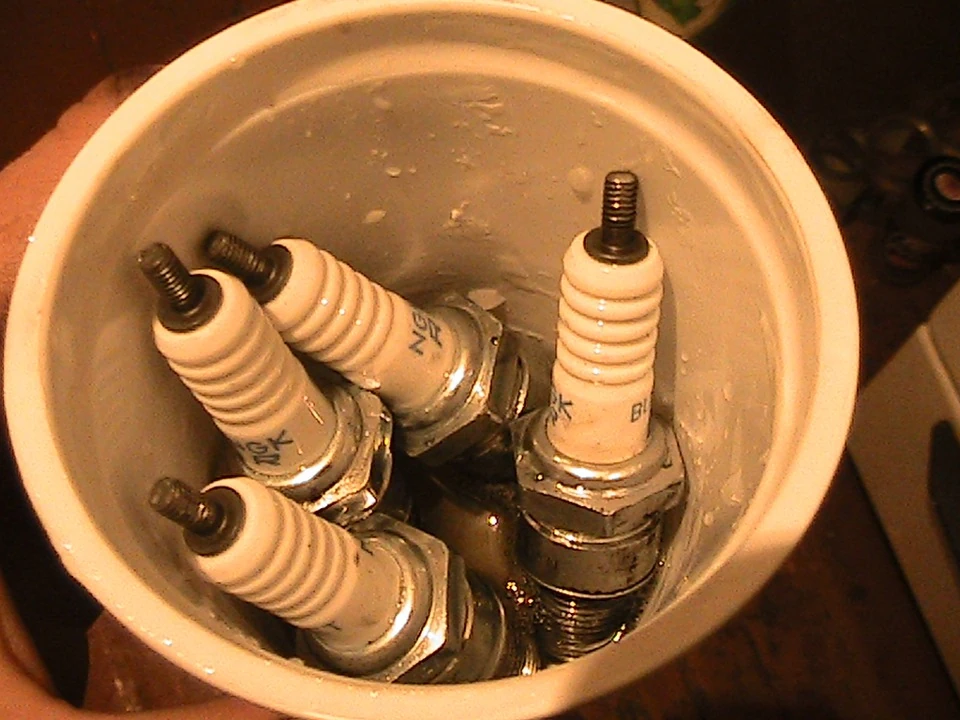
One of the most common methods shared online is soaking spark plugs in rust remover or “rust converter” acid. Supporters of this method claim it removes dirt and carbon deposits effectively—and in a way, it does. After a short soak, the plugs may even look almost brand new.
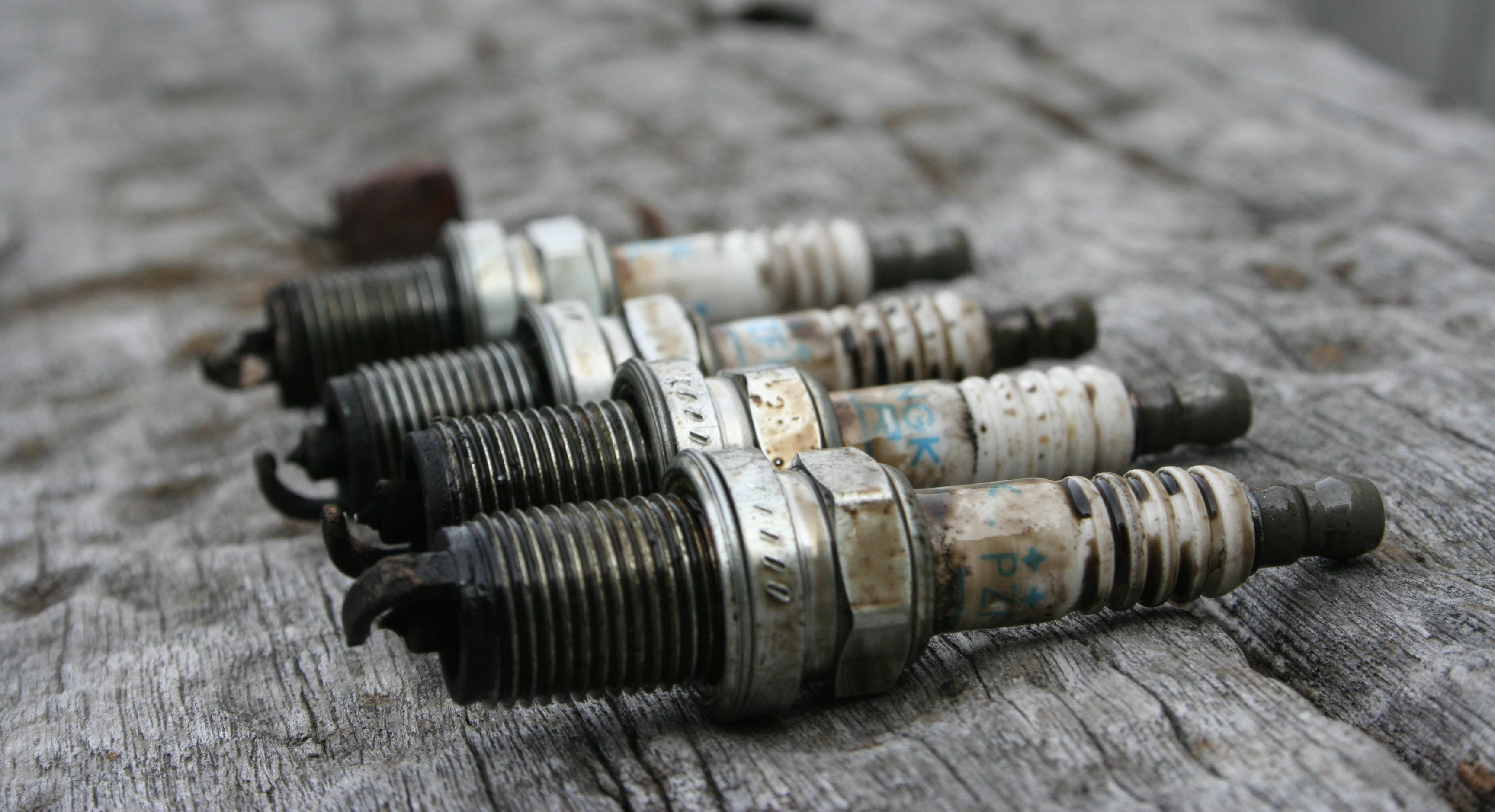
But there’s a serious downside. Any rust converter, regardless of brand, is essentially an acid. While it strips away deposits, it also damages the extremely thin factory coating on the electrodes. Modern spark plugs often use precious metals like iridium and platinum for this protective layer. That coating is critical—it prevents overheating, melting, and premature wear. Once it’s gone, the plug wears out very quickly.
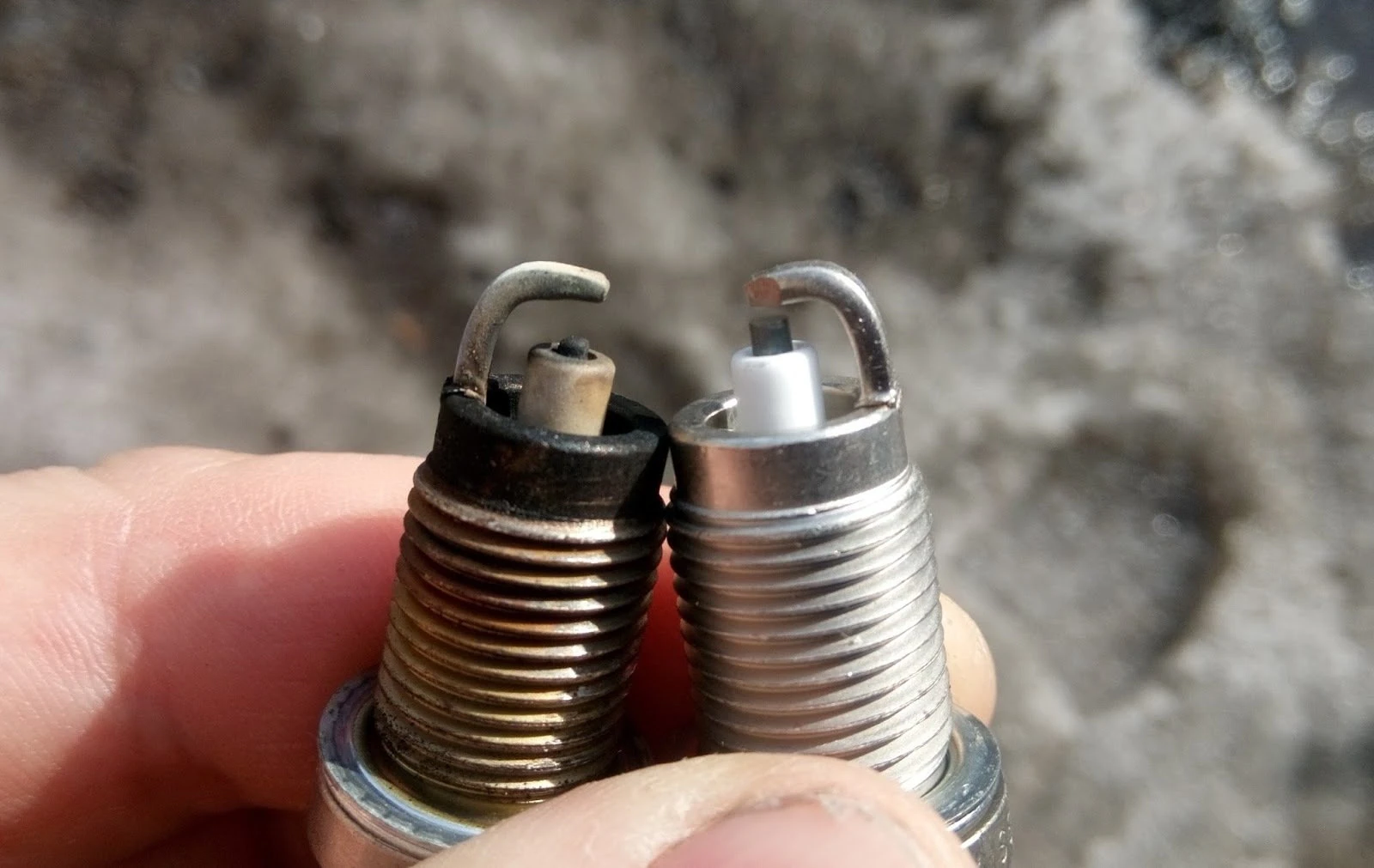
And the problem doesn’t stop there. Ignition coils can also be affected after this kind of “cleaning.” In many cases, they end up failing shortly after the spark plugs are damaged, leading to even more expensive repairs.
In the end, trying to save a few dollars on spark plugs can cost far more in repairs. The safest approach is simple: when spark plugs wear out, replace them instead of trying to clean them.
You may also be interested in the news:
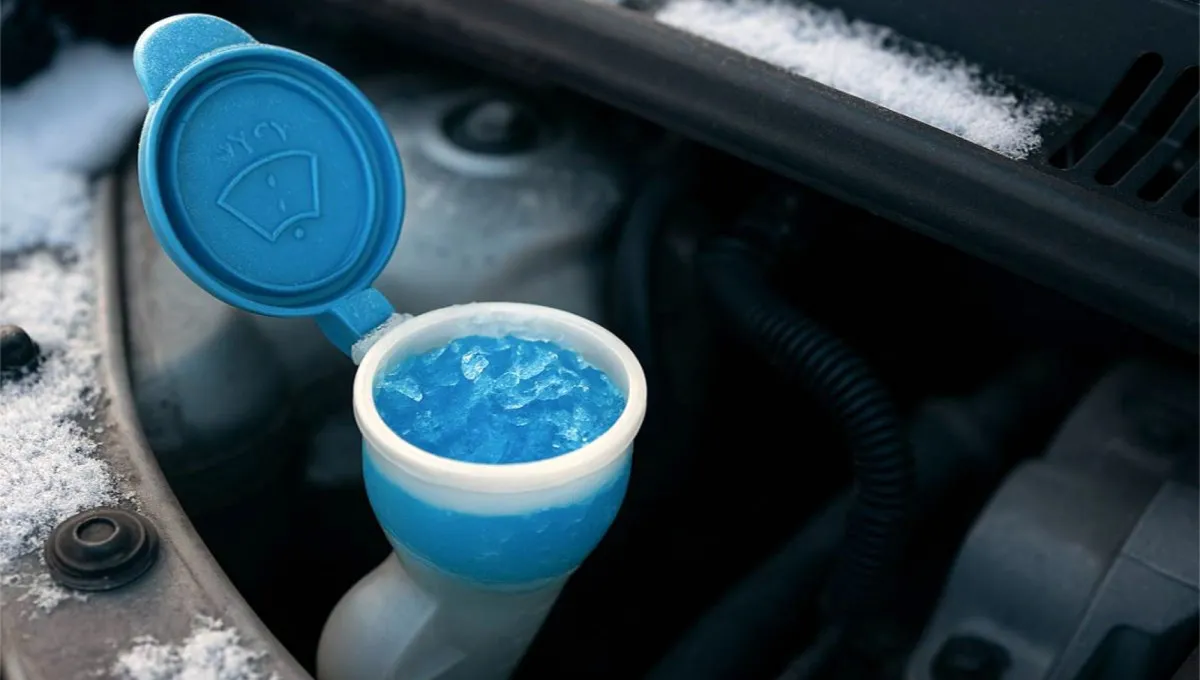
Windshield Washer Fluid Frozen in the Reservoir? Here’s How to Thaw It
A frozen washer system can catch drivers off guard, especially when a cold morning reveals that yesterday’s windshield washer suddenly stopped working.
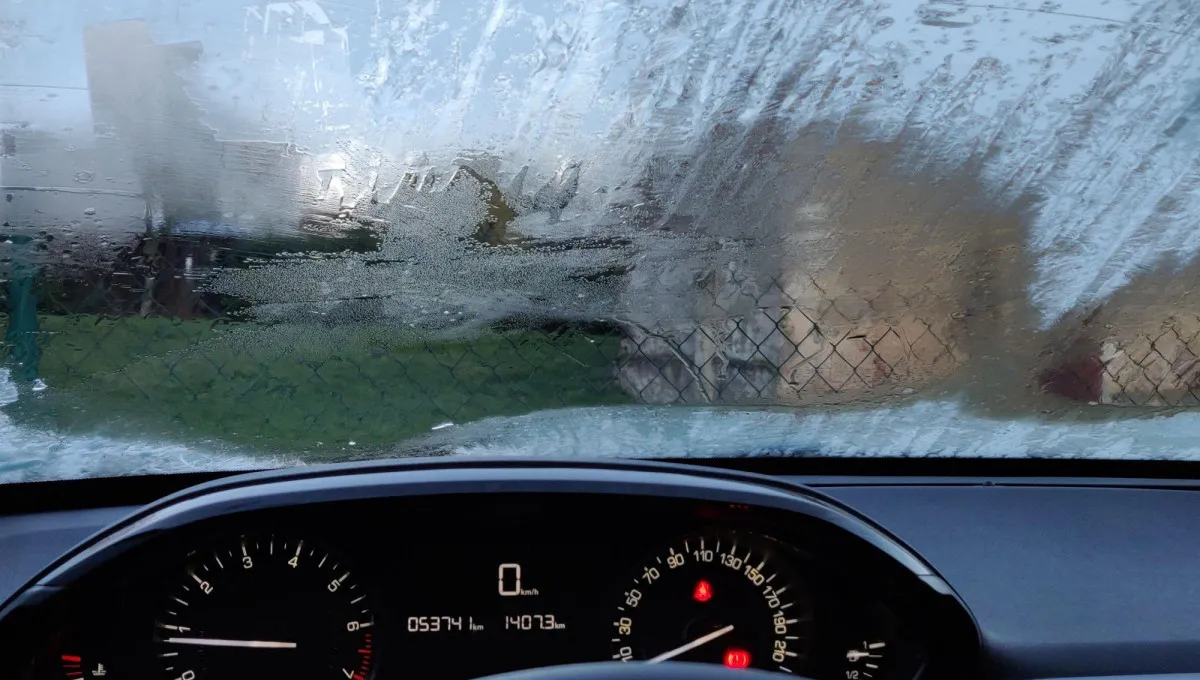
One Car Button Can Make Your Windows Fog Up Faster: What Not to Do in the Rain
Moisture brought into the cabin by drivers and passengers can linger in the air and settle on cold windows, reducing visibility.
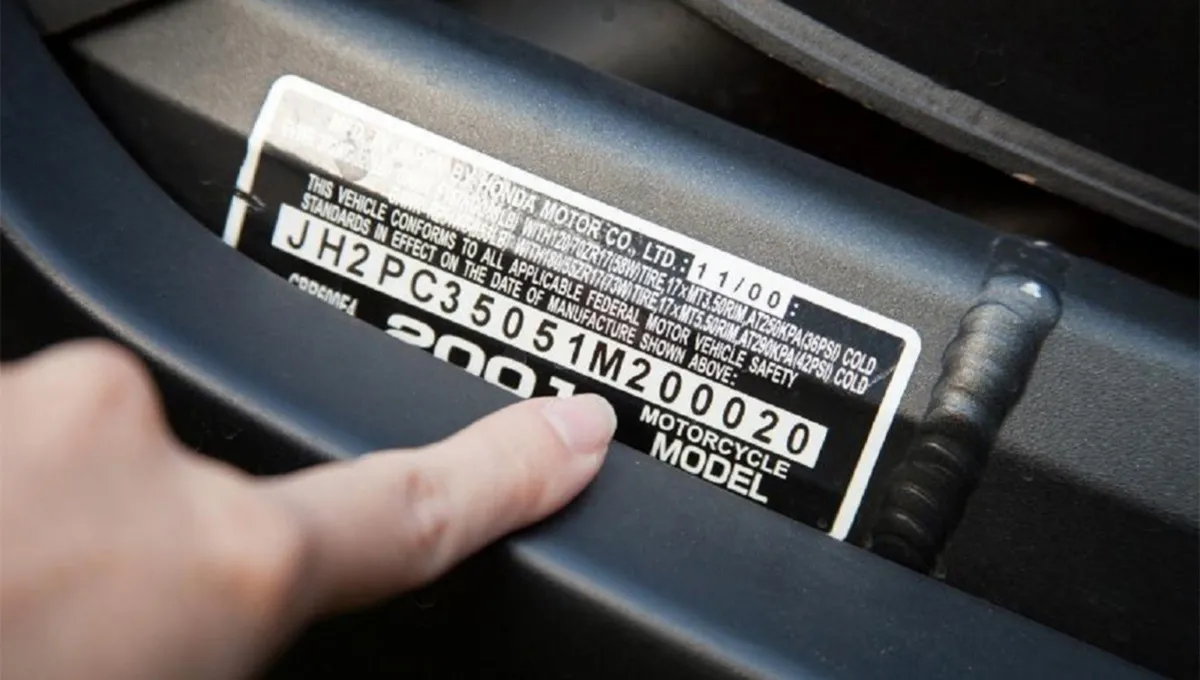
VIN-Based Auto Parts Lookup: Where Buyers Make the Most Mistakes
A VIN helps identify the right replacement part for your vehicle, but it cannot account for every change. Here’s what sellers need to know.

Why Experienced Drivers Put Socks on Their Car Mirrors in Fall: The Clever Trick Explained
An old pair of socks can help reduce frost buildup on your side mirrors overnight, saving time on cold mornings when every minute counts.
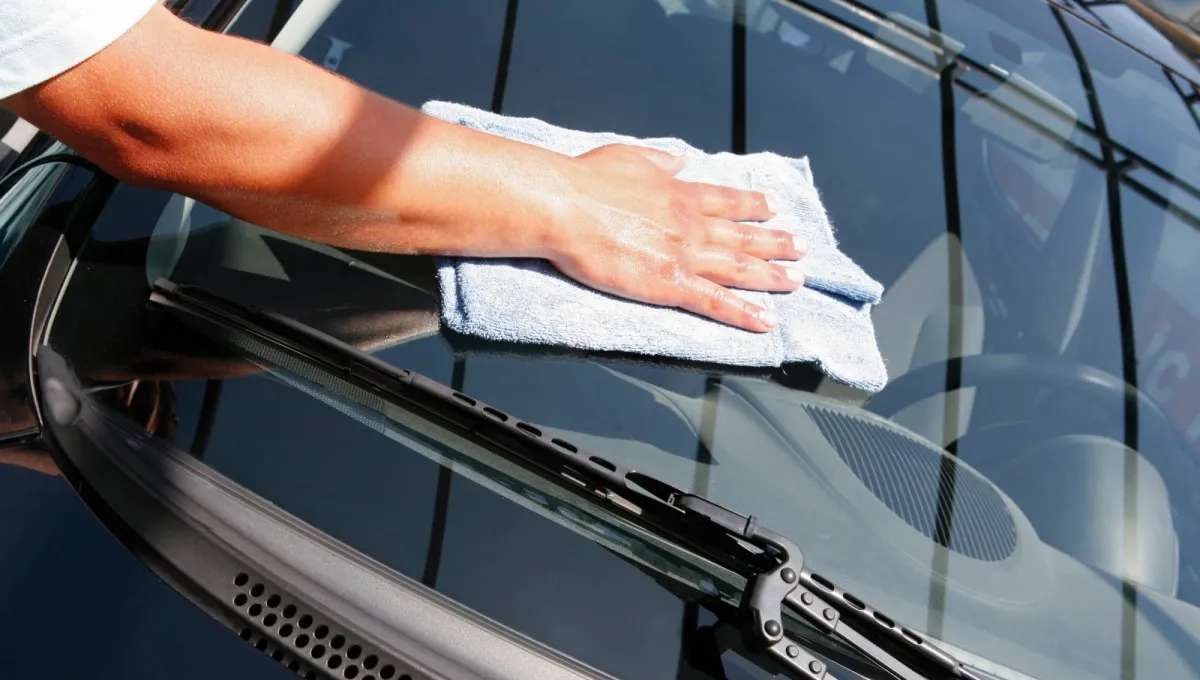
How to Clean Your Windshield Without Streaks: Experts Recommend This Simple DIY Mix
The secret to a streak-free windshield comes down to the right cleaning solution, two microfiber cloths, and the proper drying technique.