
Dodge Caliber: A Symbol of Change in the Auto Industry During the 2008 Crisis
Why the Dodge Caliber became a reflection of the late-2000s global auto crisis — and what it means for today’s market.
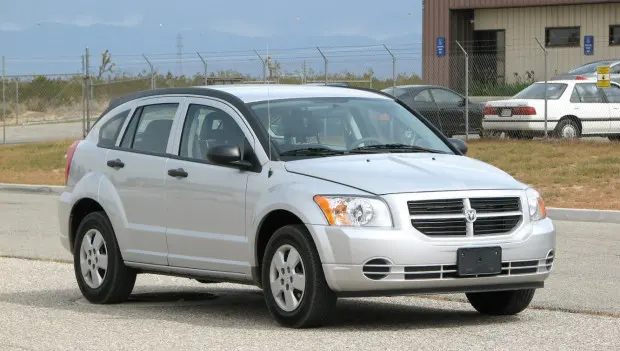
The Dodge Caliber wasn’t just another compact hatchback. It became a symbol of the sweeping changes and hardships that defined the global auto industry in the late 2000s. Its launch coincided with a severe economic downturn, and that timing influenced everything from material quality to public perception. Here’s why this model became emblematic of an entire generation.
The Caliber clearly reflected the pressures of the 2008 financial crisis. Automakers found themselves trapped between falling demand and slashed budgets, forcing them to prioritize affordability, mass production, and simplified engineering. Inevitably, that strategy led to cost-cutting in materials and assembly quality. The result was a vehicle with sporty exterior styling paired with hard interior plastics and a limited list of features.
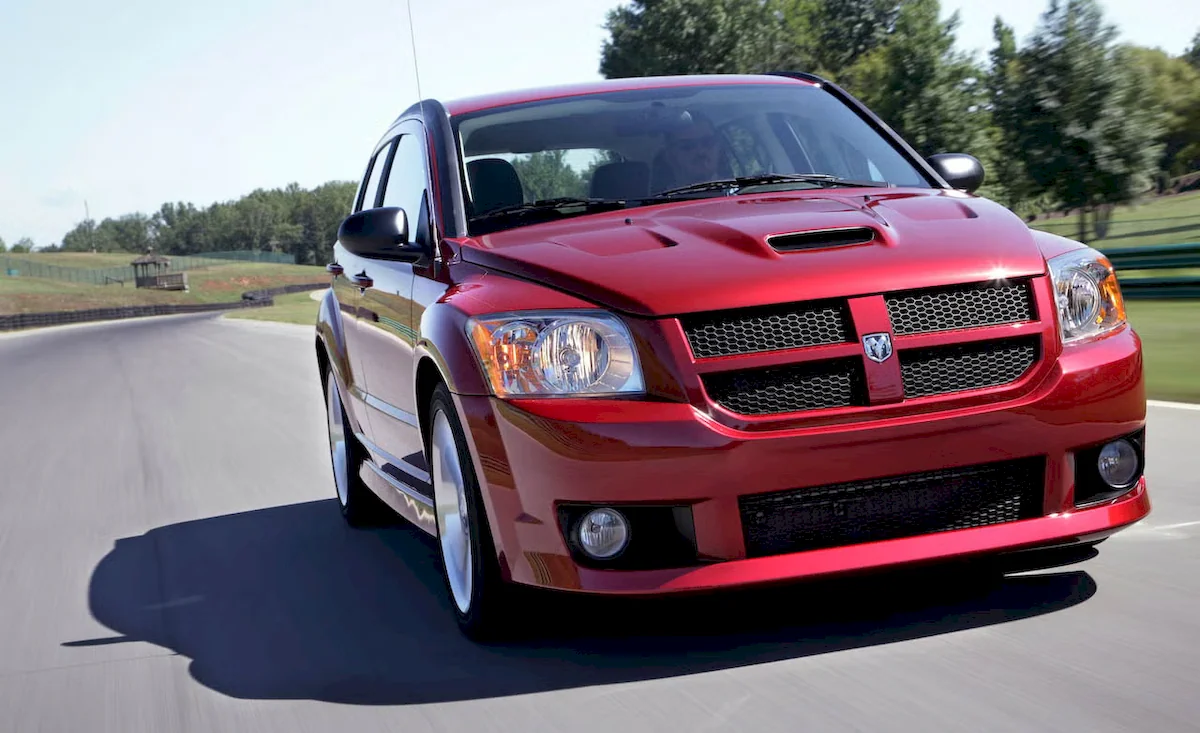
Those characteristics quickly shaped consumer perception. Buyers accustomed to higher standards saw the Caliber as a “recession car” — and not in a flattering way. It became a casualty of circumstances, built under strict survival rules dictated by the market.
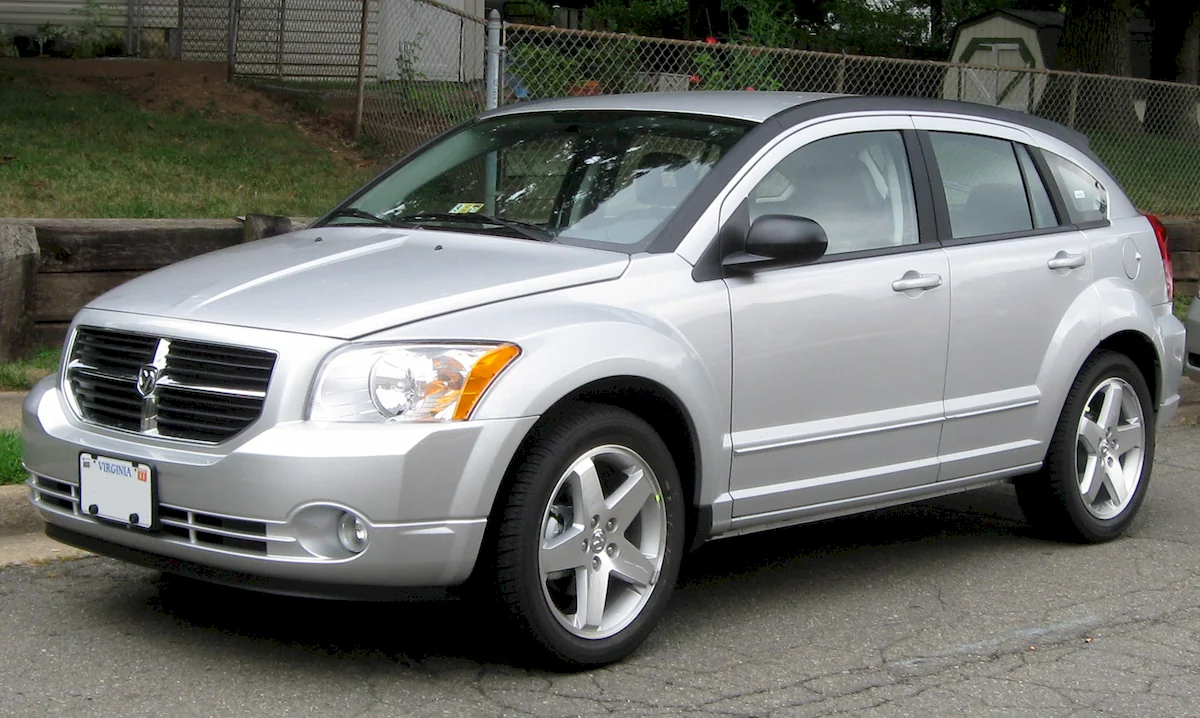
In an effort to appeal to as many customers as possible, the Caliber was positioned as a replacement for multiple models at once. But in chasing versatility, it sacrificed identity. It failed to dominate any single segment and struggled to stand out in a crowded marketplace.
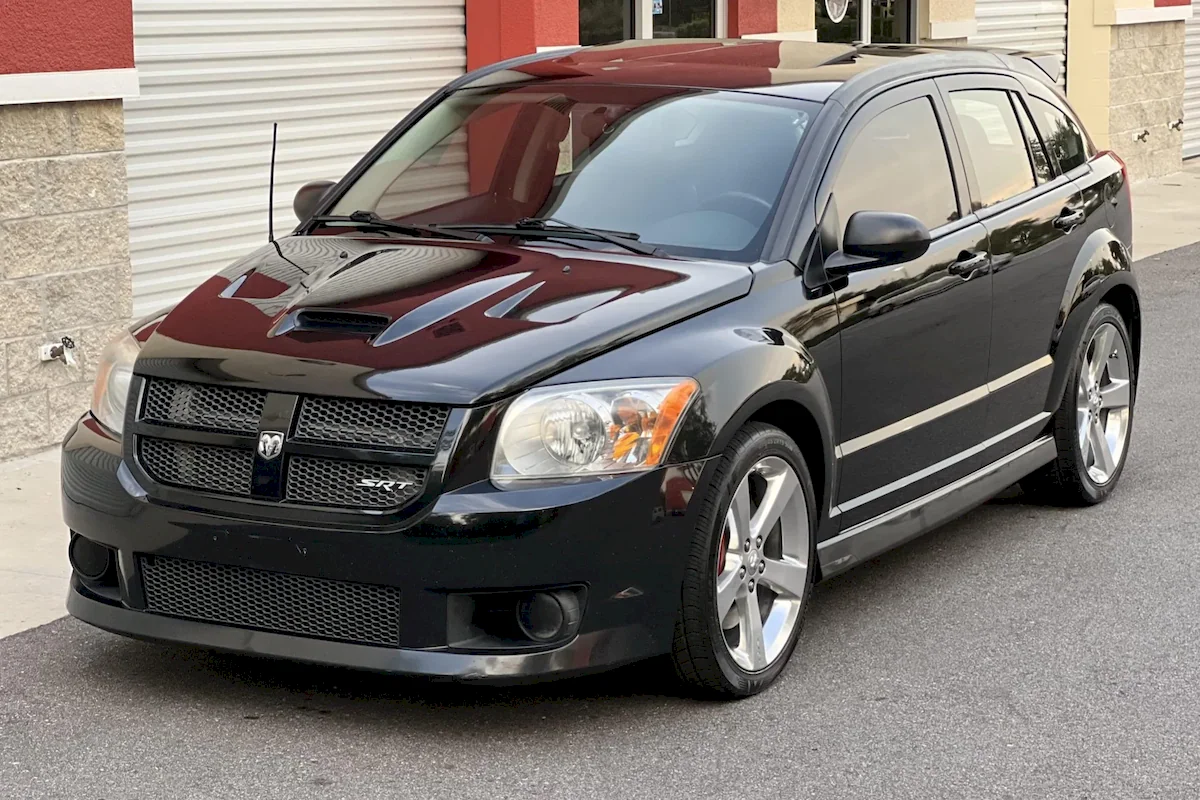
The technical side also raised concerns. The continuously variable transmission (CVT), still relatively new to many American buyers at the time, proved temperamental and often required frequent servicing. The exterior design, while bold, lacked refinement. Inside, the atmosphere reflected aggressive cost-cutting: hard plastics, minimal trim detailing, and limited sound insulation made the car feel dated almost from the moment it left the assembly line.
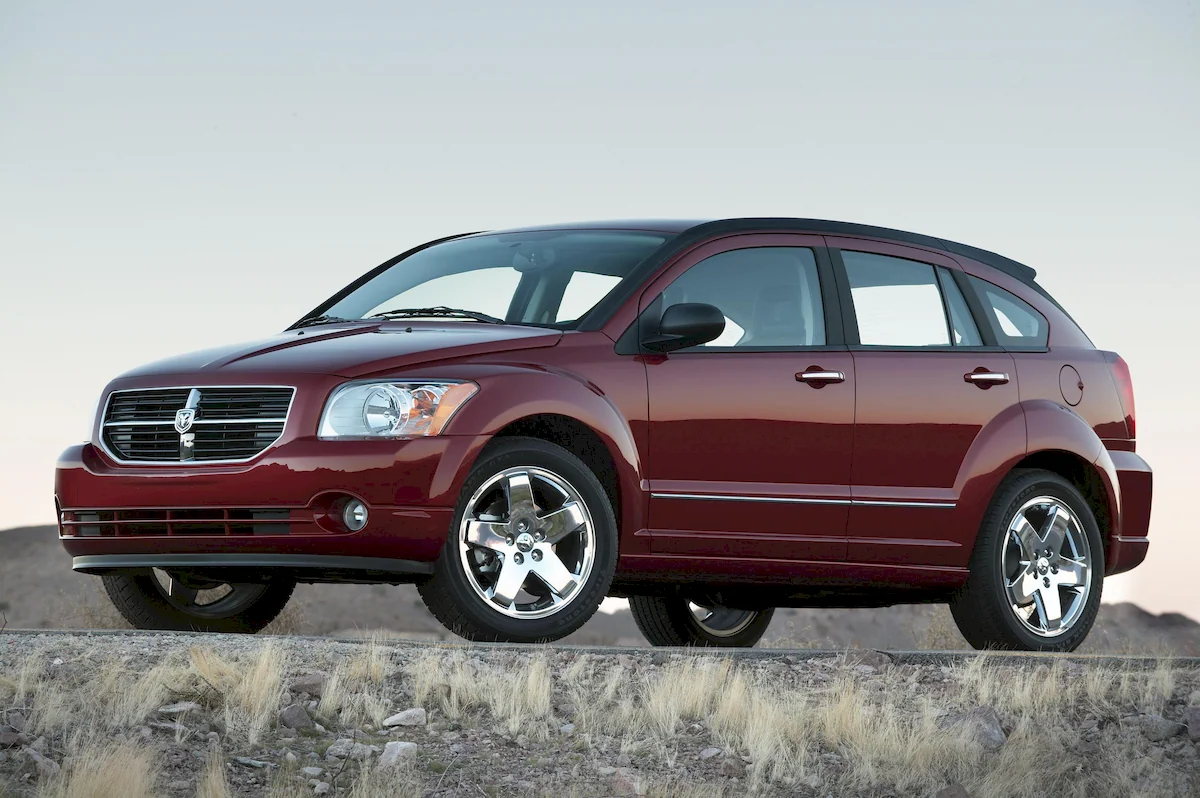
Today, the Dodge Caliber is remembered less as a failed product and more as a symbol of an era when automakers were forced into difficult compromises just to survive. Its story became a cautionary tale for the industry, demonstrating that cutting corners on quality and design rarely leads to long-term success — even during economic hardship.
The Caliber’s legacy serves as a reminder that balancing affordability with solid build quality remains essential to earning consumer trust — especially as the market once again faces new economic and technological challenges.
You may also be interested in the news:
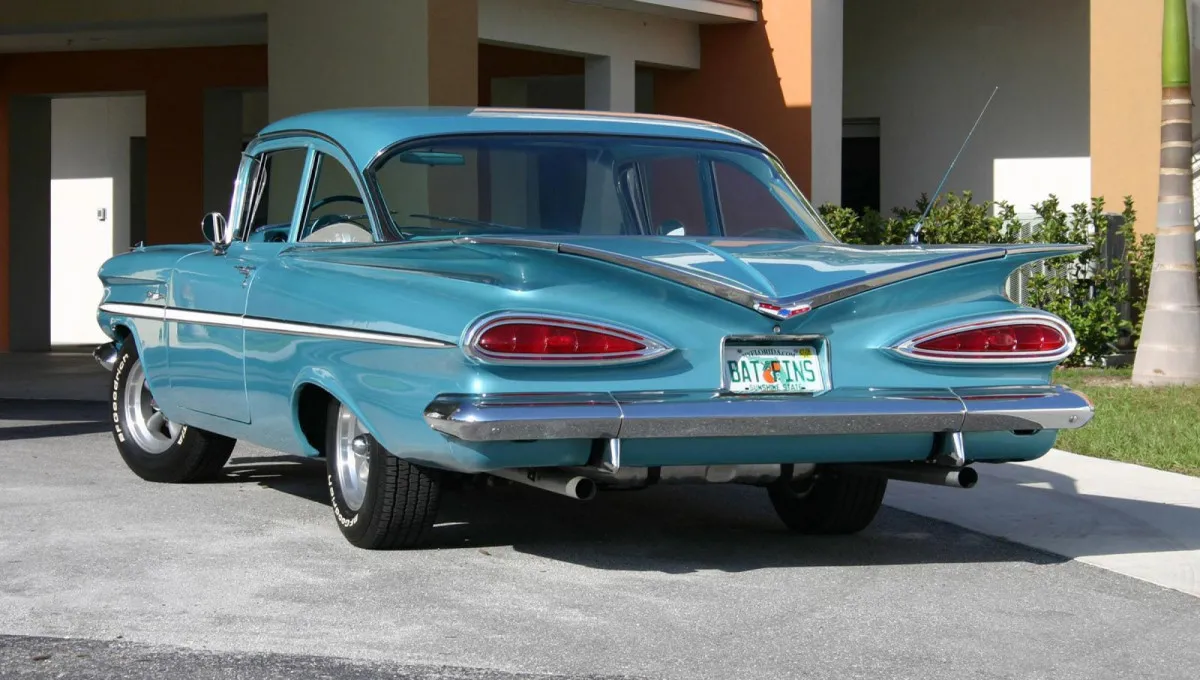
Elegance for Everyone: How Chevrolet Made Its 1960 Cars Stand Out
Chevrolet toned down its extravagant 1959 styling for 1960, bringing a more refined look to its affordable full-size cars.

Invisible Cows and a 17.3 MPH Speed Limit? 4 of America's Strangest Road Signs
From invisible cows to alien highways, these unusual American road signs turn ordinary drives into unforgettable roadside surprises.
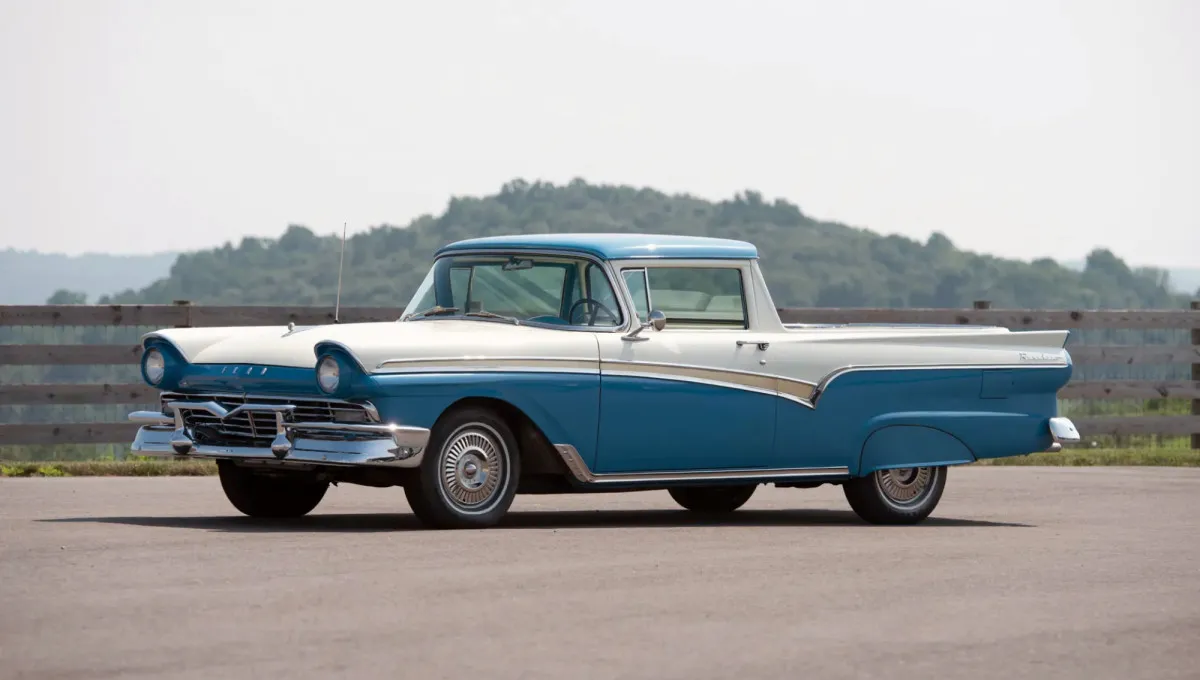
More Than a Car! More Than a Truck! The 1957 Ford Ranchero
The 1957 Ford Ranchero launched a new kind of American vehicle, blending passenger-car styling with pickup-truck utility years before the segment took off.
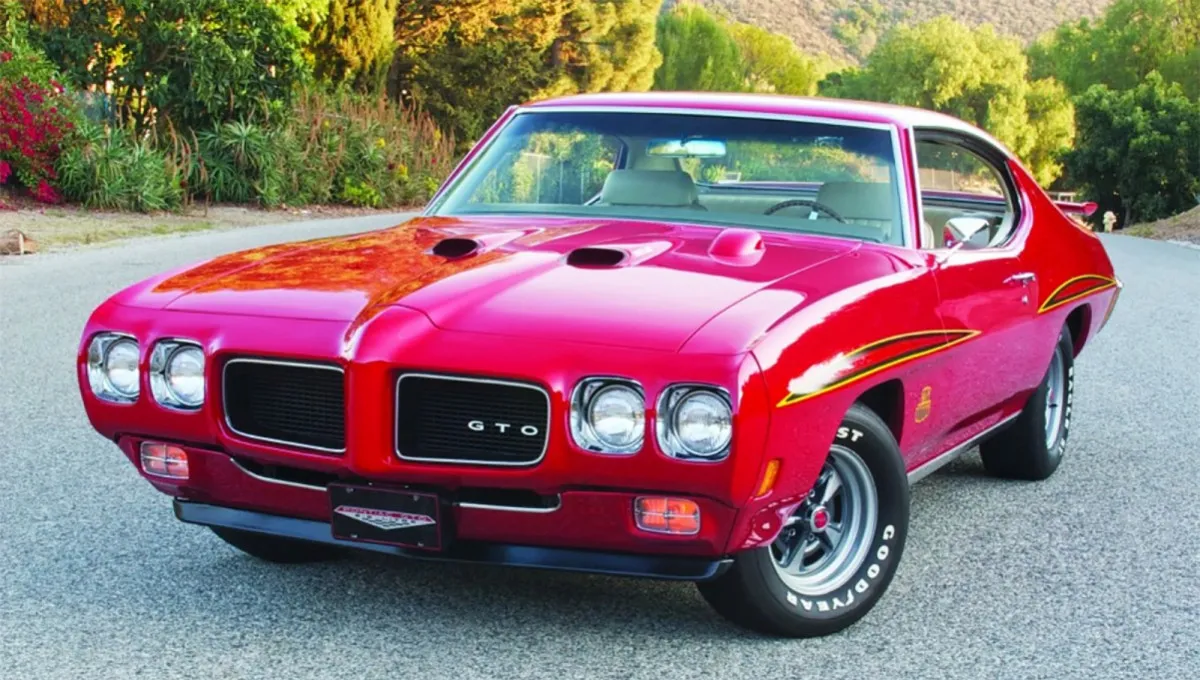
Pontiac's 1970 GTO Had a Wild Exhaust Option—Only 233 Cars Got It
Pontiac offered an unusual exhaust system for the 1970 GTO, but the factory option didn't last long.
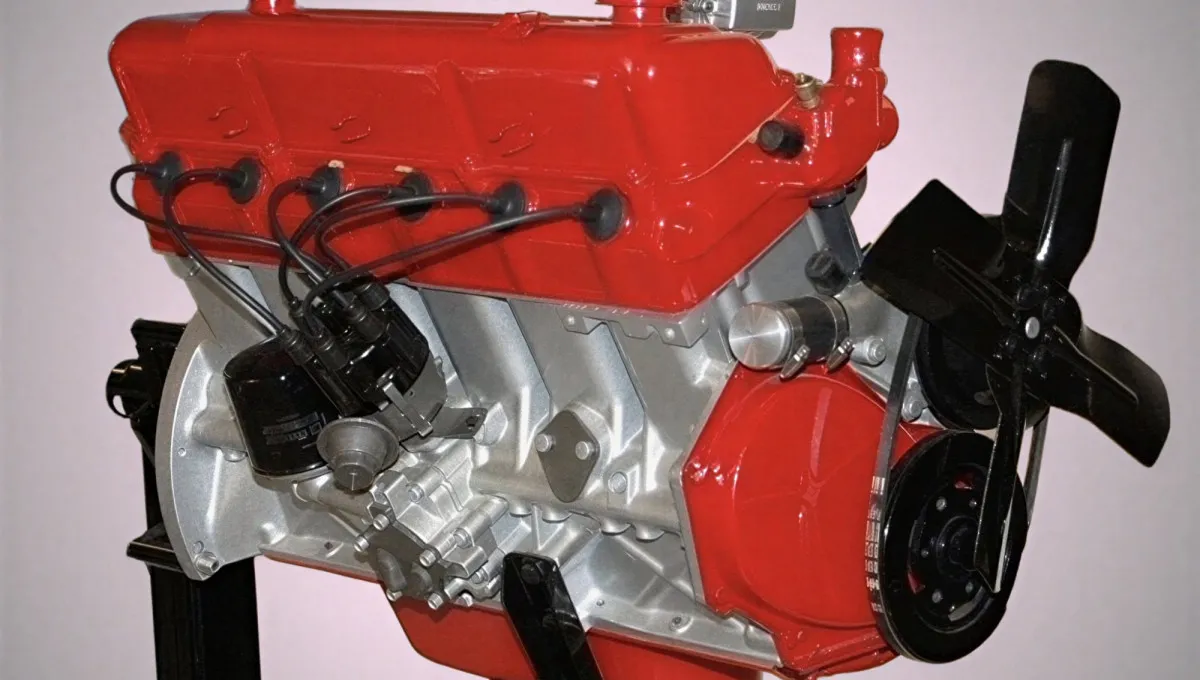
Chrysler's Aluminum Slant 6 Engine: The Lightweight Experiment of 1961–1963
Chrysler built more than 50,000 cars with an aluminum-block Slant 6 before production challenges brought the project to an end.