
Advice from a Veteran Mechanic to Everyday Mechanics and Drivers: 5 Components to Check First This Spring
As temperatures rise, drivers should pay close attention to vehicles that endured a harsh winter of cold weather, road salt, and extreme temperature swings.
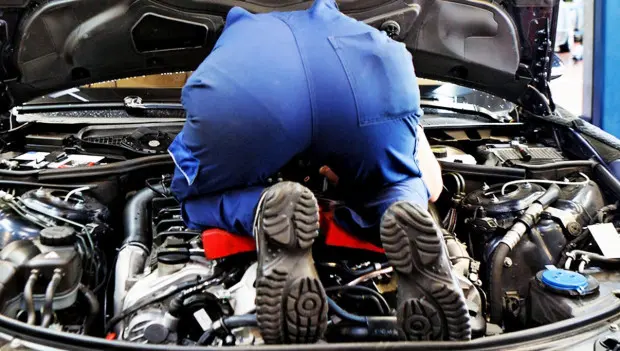
With warmer months arriving, car owners should focus on the mechanical condition of vehicles that have been exposed to freezing temperatures, de-icing chemicals, and constant climate fluctuations. Proper seasonal prep can help prevent costly breakdowns when you least expect them. These steps involve critical systems — from cooling to electronics — and ignoring them can lead to serious repairs.
Cooling System and Radiators
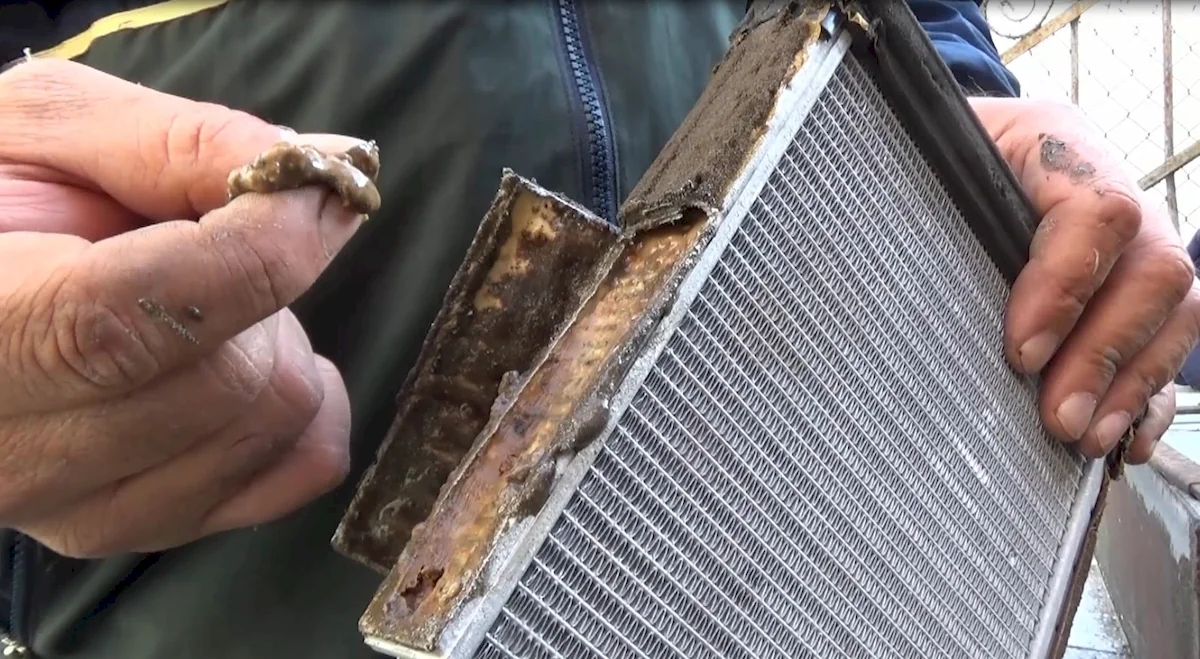
The first thing professionals recommend inspecting is the radiator and overall cooling system. Over winter, the front end of the vehicle accumulates dirt, sand, and road salt that clog the radiator’s delicate fins. This disrupts heat exchange and can cause engine overheating once hot weather hits.
Attempting to clean the radiator yourself at a typical car wash can actually do more harm than good. High-pressure water can bend the fins, and repairing a damaged radiator assembly can be expensive. It’s better to have a professional carefully remove and clean the unit, while also checking coolant level and condition.
Brakes and Suspension
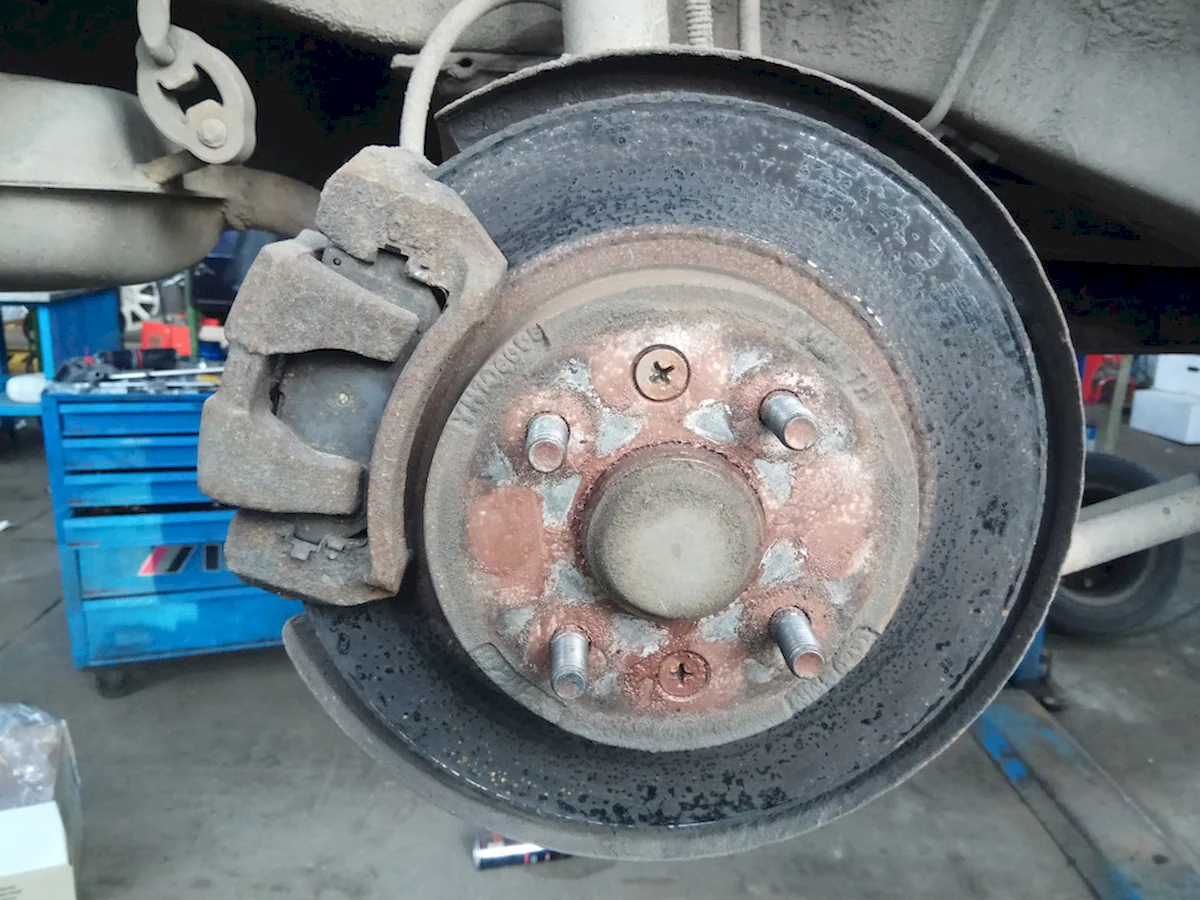
Winter conditions are brutal on brake components. Constant exposure to moisture, salt, and grit can corrode caliper guide pins and damage protective rubber boots. If these parts seize up, brake pads wear unevenly and stopping performance suffers.
Suspension components also take a hit. Rubber bushings lose elasticity in cold temperatures, and CV joint boots and control arm bushings can develop micro-cracks that quickly turn into major failures. Catching these issues early often means replacing inexpensive parts instead of facing costly suspension or drivetrain repairs.
Spring is also a smart time to check wheel alignment. Proper alignment extends tire life and improves handling.
Climate Control System

Many drivers — and even some mechanics — overlook the HVAC system. During winter, moisture builds up inside the cabin, soaking into carpeting and sound insulation. This creates the perfect environment for mold and bacteria, especially if the air conditioning hasn’t been used.
Replacing the cabin air filter isn’t just about comfort — it’s essential for proper airflow. A clogged filter restricts circulation, reduces dehumidification, and forces the compressor to work harder than necessary.
Professional cleaning of the evaporator and checking refrigerant pressure can prevent unpleasant odors and avoid AC failure in the peak of summer heat. It’s also worth remembering that in many vehicles, electronic control modules are located under seats or near the floor. Moisture trapped in carpeting can corrode wiring and damage sensitive control units.
Engine Oil Change
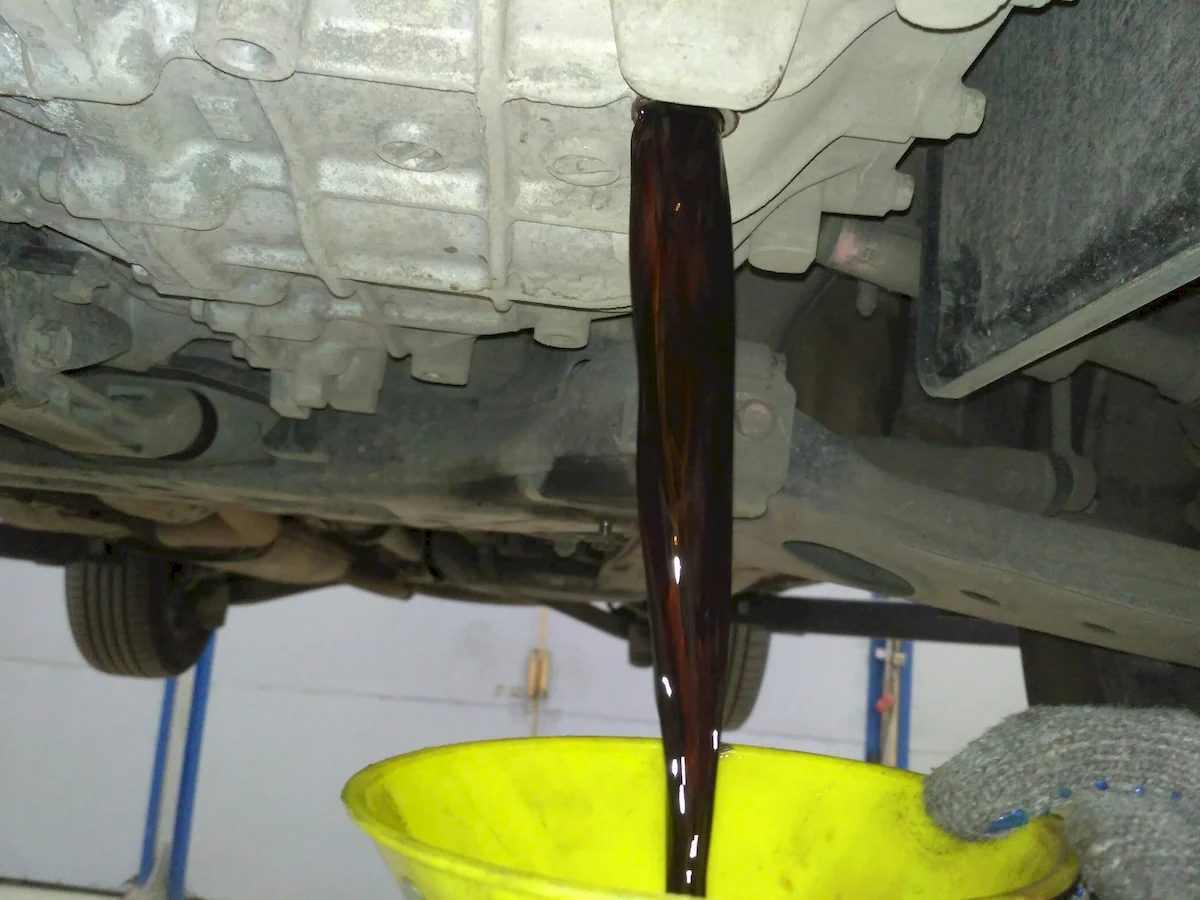
For many American drivers — especially in northern states — winter driving creates extreme conditions for engines. Frequent cold starts, long warm-ups, and stop-and-go traffic allow condensation and unburned fuel to accumulate in the crankcase.
Over time, oil loses its protective properties, viscosity changes, and internal deposits can form. If your vehicle logged around 4,500–5,000 miles over the winter — particularly during a harsh season — it may be wise to change the oil in spring rather than waiting for the scheduled interval. Fresh oil ensures proper protection as engine loads increase in warmer weather.
Battery and Electrical System
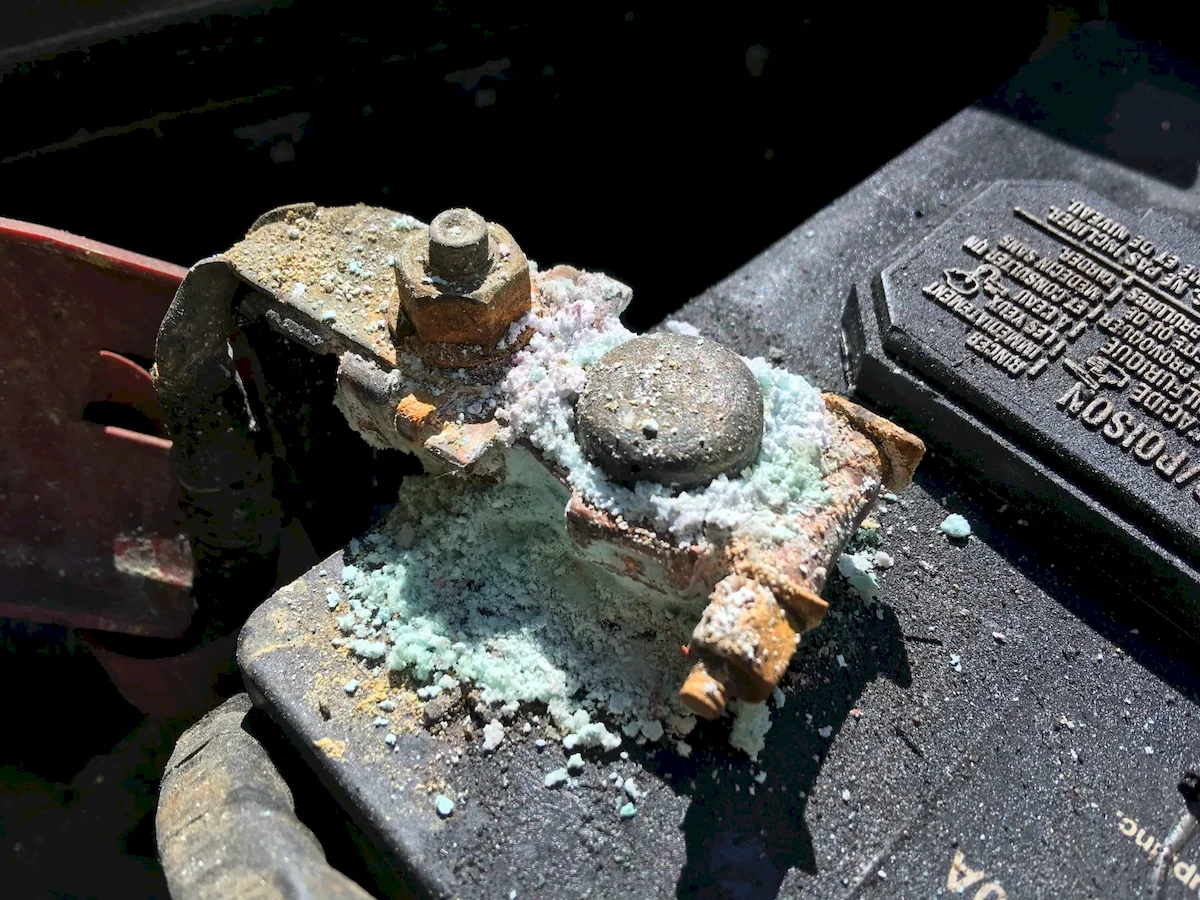
Finally, don’t forget the battery. Cold weather slows chemical reactions inside the battery, while short trips prevent the alternator from fully recharging it. By spring, many batteries are partially depleted and have reduced cold cranking amps.
A professional should test the battery’s actual starting capacity and clean the terminals of corrosion and salt residue. Addressing battery issues now can prevent an inconvenient failure later.
Taking the time for a thorough spring inspection isn’t just preventative maintenance — it’s a smart investment in reliability and peace of mind.
You may also be interested in the news:

Hyundai Recalls Nearly 95,000 Genesis Sedans Over Fire Risk From Power Seats
Hyundai is recalling 94,622 Genesis sedans after a faulty power seat switch was linked to overheating and potential vehicle fires.
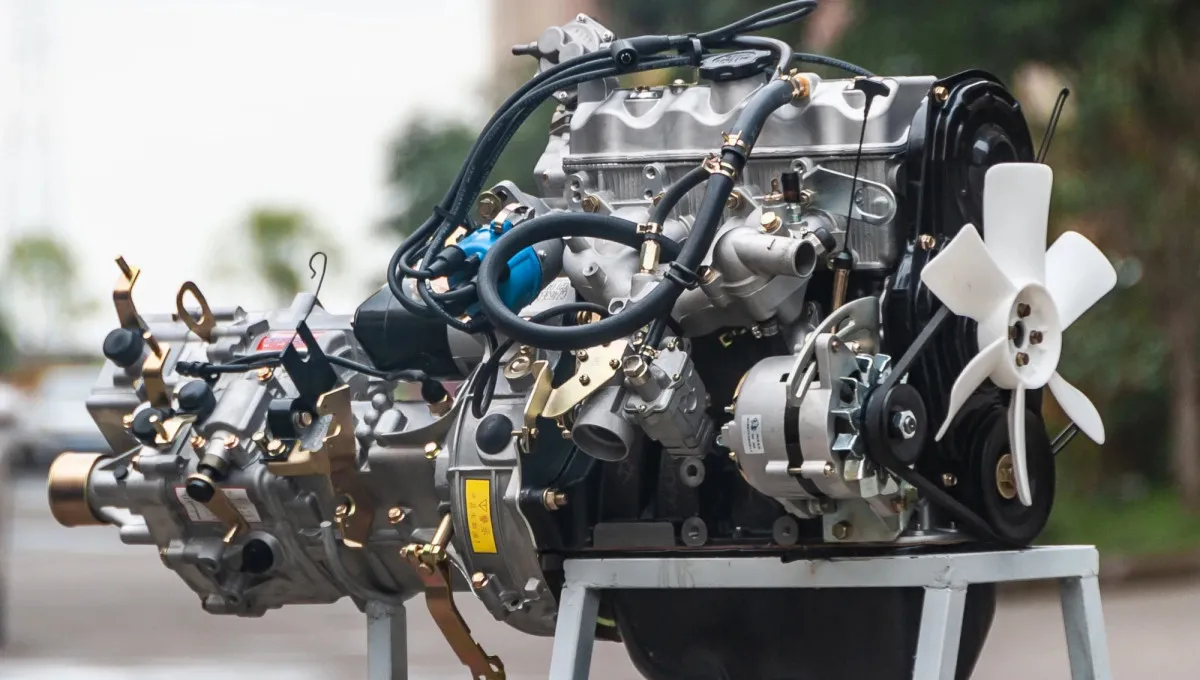
“Are You Sure It’s Chinese?” Who Really Builds China’s Car Engines
Who Really Develops China’s Car Engines?
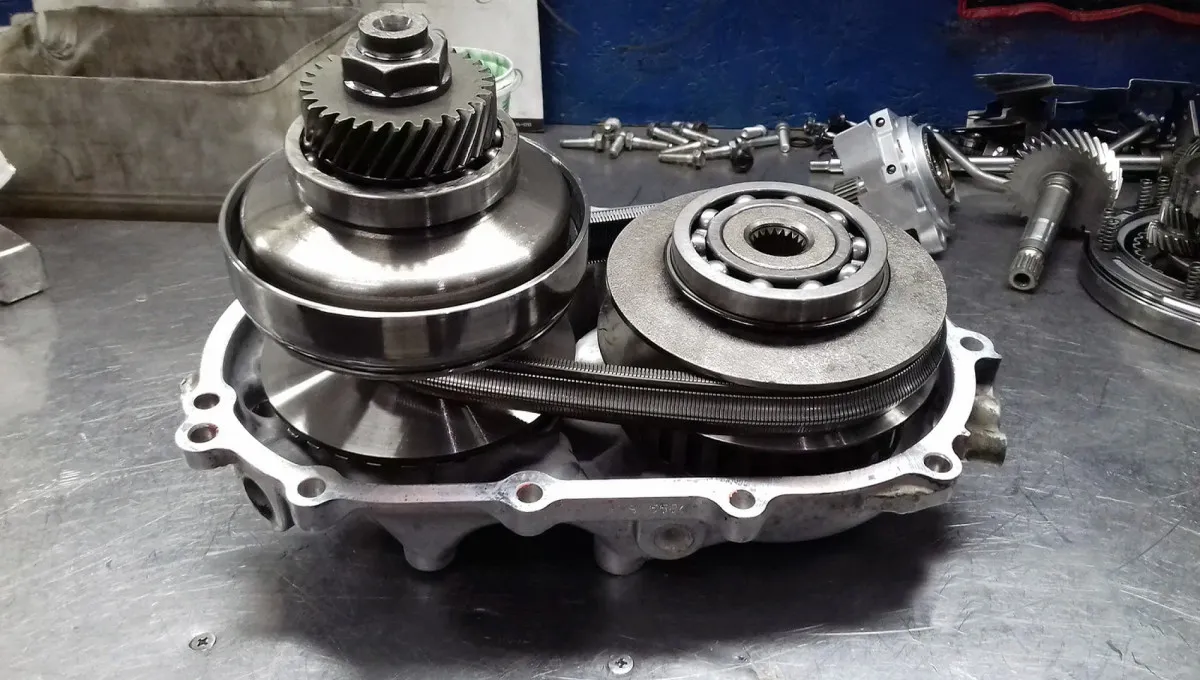
Why Experienced Drivers Still Warn Against Buying a Used Car With a CVT
CVTs offer smooth acceleration and good fuel economy, but expensive repairs and durability concerns make used models risky.
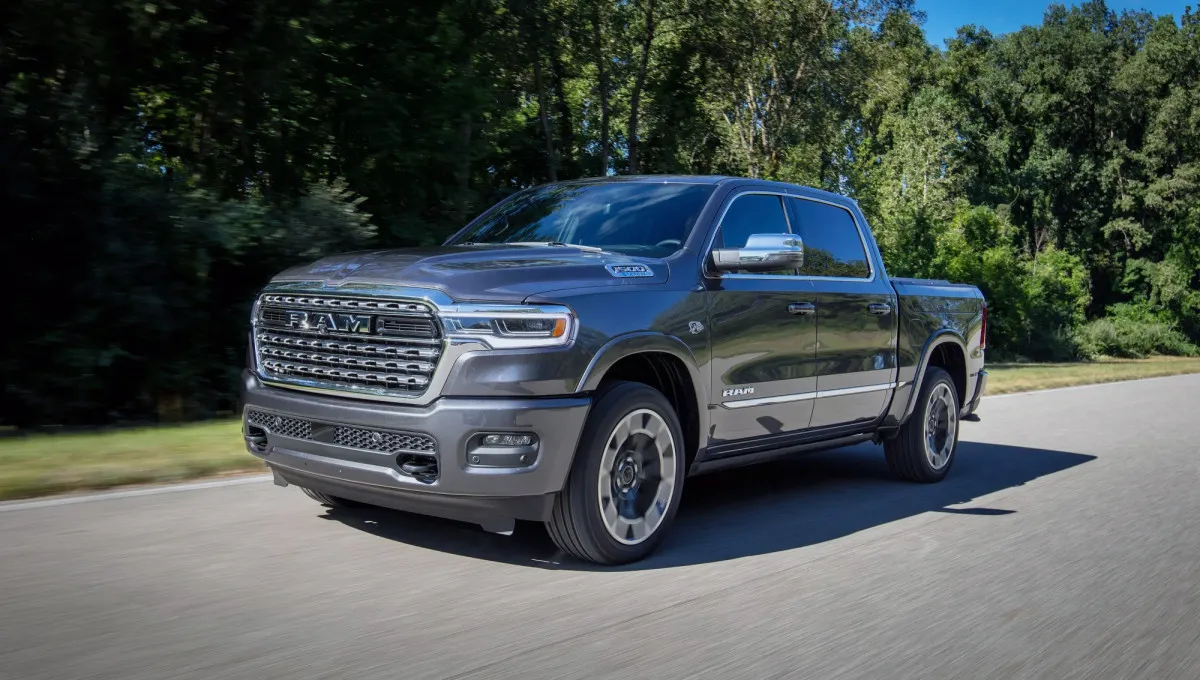
2026 Ram 1500 Recall: 16K Trucks May Have Faulty Tire Pressure Sensors
Ram is recalling 16,385 model-year 2026 Ram 1500 trucks

Hidden Key Fob Trick: Open All Your Car Windows With One Button
An auto mechanic explains how drivers can remotely open and close car windows using a key fob, provided the vehicle has the right hardware.