
Why Roads Are Being Painted Blue in a Heat-Reduction Experiment
Testing blue-painted asphalt to fight extreme summer heat and protect its roads.
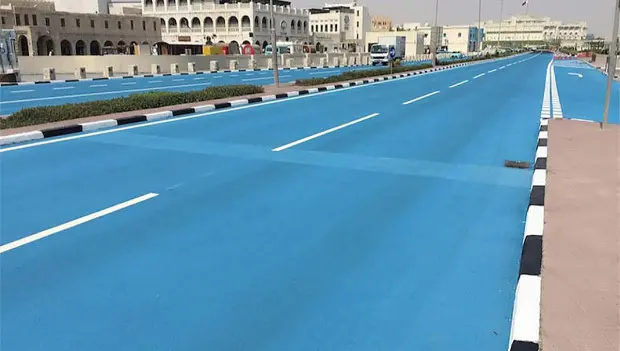
There are plenty of strange ideas in the world, and quite a few of them come from government experiments. Some seem pointless at first glance, while others turn out to be surprisingly practical. One unusual example is happening in Qatar, where officials have started painting asphalt roads blue. As odd as it sounds, the idea is based on a very real problem—and it could eventually help cities around the world.
This is not some random government decision or wasteful spending project. The blue asphalt program is part of an urban heat experiment designed to reduce road surface temperatures during the country’s brutal summers.
Everyone knows that black asphalt absorbs heat quickly under direct sunlight. Because of its dark color, road surfaces can become significantly hotter than the surrounding air. On average, asphalt can run about 35 to 45 degrees Fahrenheit hotter than ambient temperatures, and in extreme heat it can climb well above 120 degrees Fahrenheit.
That creates several problems at once. First, extreme heat itself is dangerous for people living in dense urban areas. Second, constant overheating speeds up the wear and breakdown of road surfaces, leading to cracks and faster deterioration. Third, overheated asphalt can soften, reducing road quality and potentially affecting driving safety.
Many cities try to reduce this problem by planting trees along roads, using shade to keep pavement cooler. But in areas where trees are limited—or where urban density makes large-scale landscaping difficult—the pavement can still become dangerously hot throughout the day.
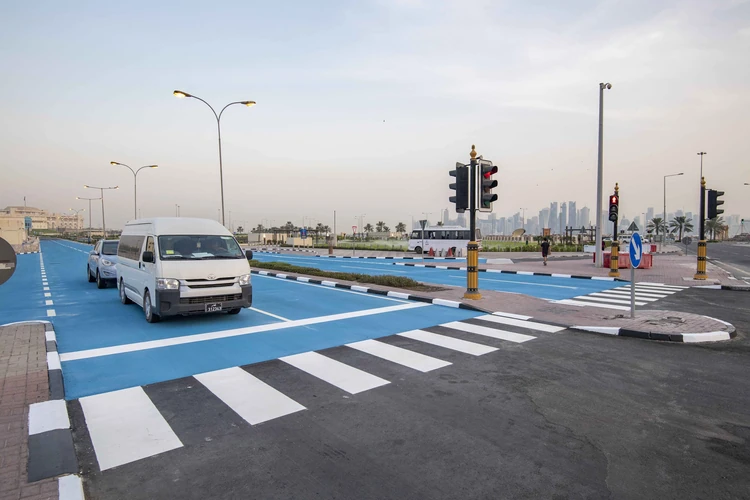
That is exactly the issue Qatar is trying to solve with blue paint. The project was proposed by engineer Saad Al-Doseri and is currently being tested as a pilot program rather than a nationwide policy.
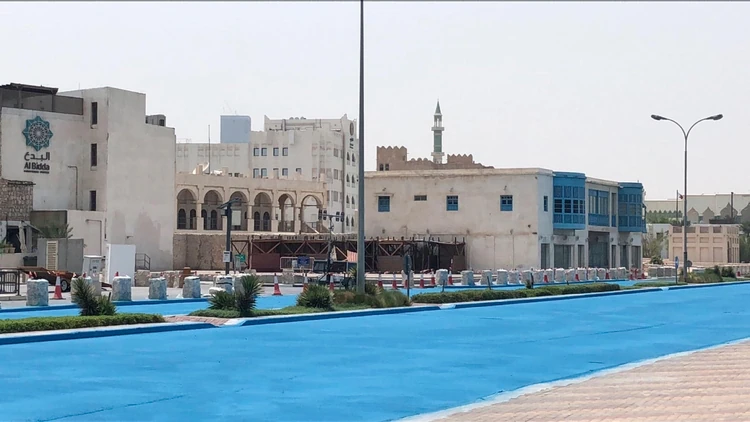
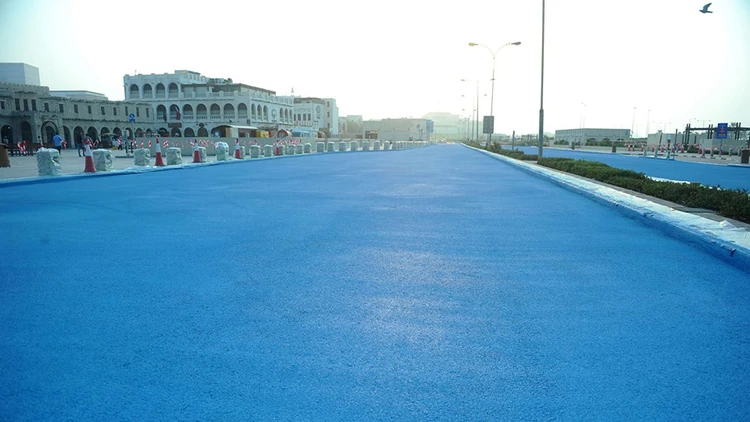
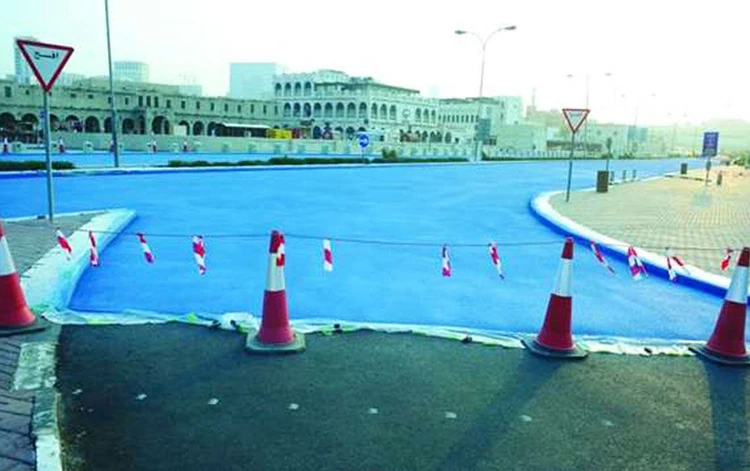
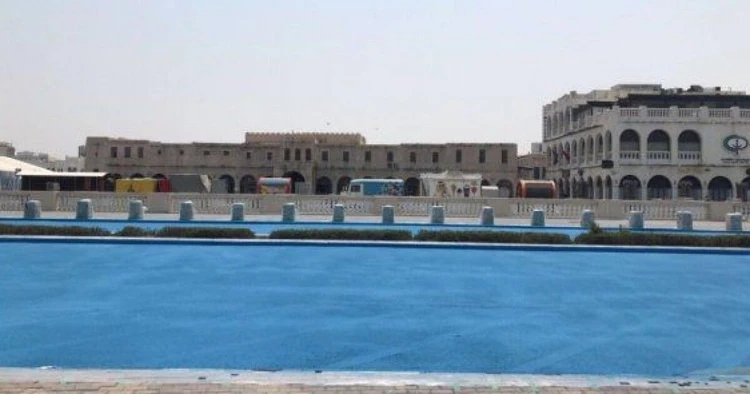
For the experiment, officials selected Abdullah Bin Jassim Street in Doha, the capital of Qatar. The road surface was coated in a blue reflective layer, and engineers plan to monitor pavement temperatures over several years.
If the blue coating successfully lowers surface temperatures by around 27 to 36 degrees Fahrenheit under direct sunlight, the technology could eventually be expanded across the country—and possibly inspire similar projects in other hot-weather cities around the world.
You may also be interested in the news:
Why Your Neighbor Always Parks With the Wheels Turned: An Auto Expert Explains Three Reasons
Straight wheels aren’t always the smartest choice: experienced drivers turn them for three practical reasons you may not expect.
Toyota Built It to Survive 300,000 Miles. Tuners Turned It Into a 2,000-HP Beast
Toyota engineers may have gone too far with durability — and accidentally created the ultimate engine for hot-rodding.
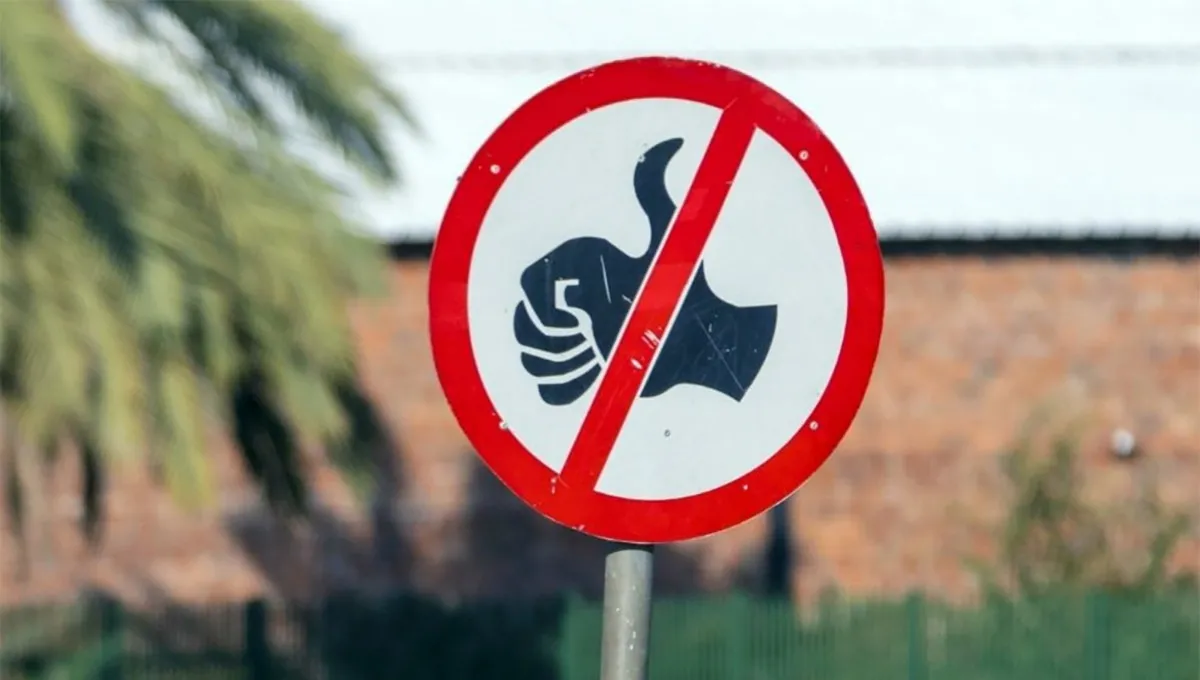
It Confuses Many Drivers: What Does the Road Sign With a Thumbs-Up Mean?
This unusual sign appears near highway entrances, tunnels and other locations where roadside stops can create serious safety hazards.
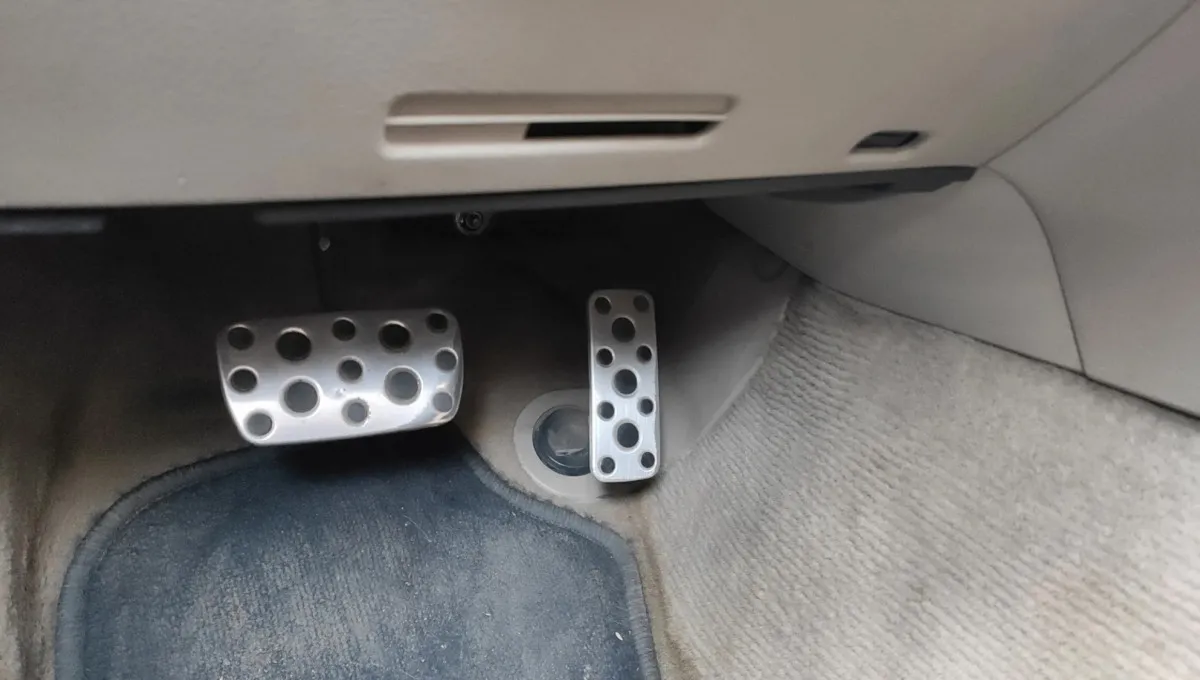
We Know What the Button Behind Your Gas Pedal Does — And It's Even Found in Manual-Transmission Cars
Modern cars are packed with hidden features, and one small button behind the accelerator pedal can serve a surprisingly important purpose.
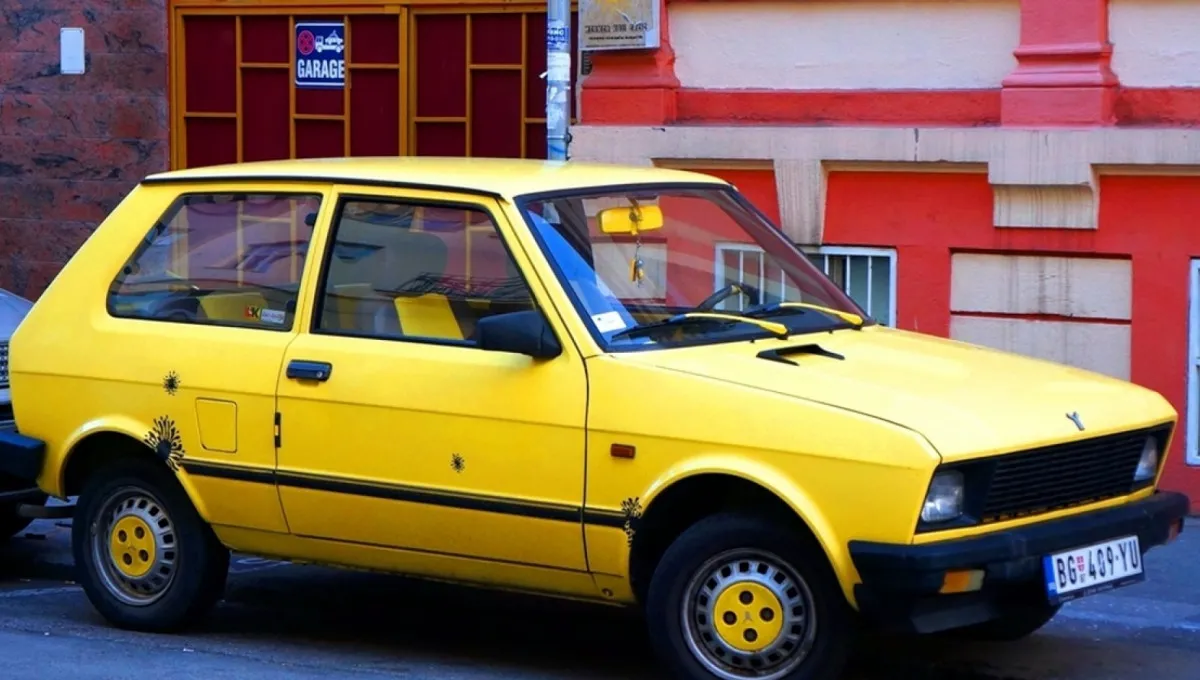
The Worst Cars in the World: A History of Automotive Failures and Disappointments
The auto industry has produced countless groundbreaking models, but some cars became infamous for all the wrong reasons.