
Car Paint and Summer Heat: How Your Vehicle's Color Affects Cabin Temperatures
Your vehicle’s paint color does more than shape its appearance—it also plays a major role in how hot it gets.
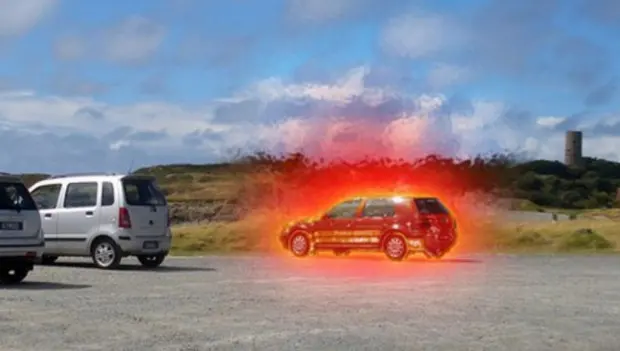
A modern vehicle's paint is far more than a glossy finish. Today's factory coatings are highly engineered systems designed to protect against corrosion, resist harsh weather, and even influence how much heat the vehicle absorbs on a scorching summer day. While color is often chosen for style, it also has a measurable effect on surface temperatures and cabin comfort.
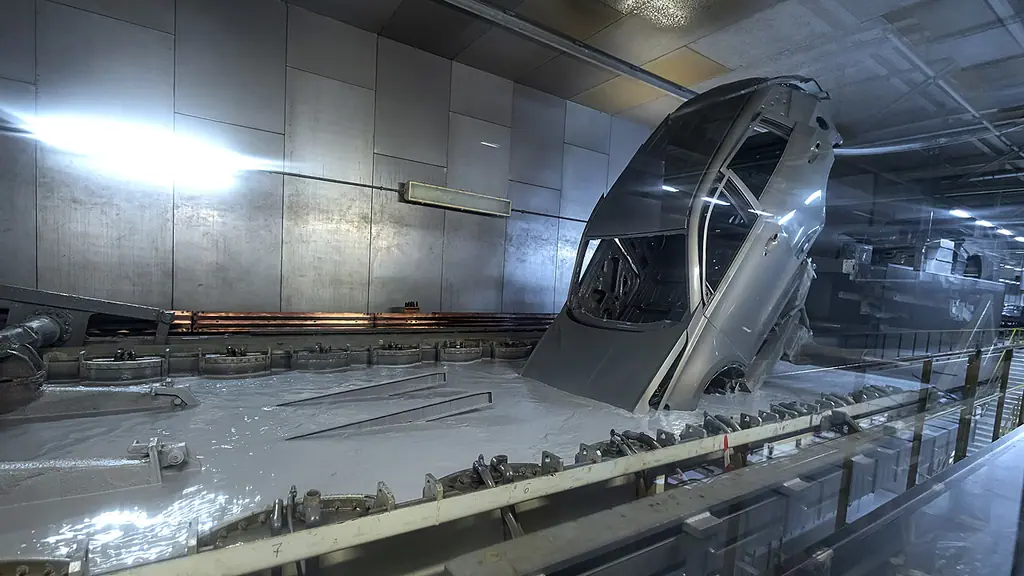
Factory paint isn't a single layer. Instead, it's a sophisticated combination of coatings that begins with corrosion protection on the bare metal, followed by primers, a color coat, and a durable clear coat. Each layer serves a specific purpose, from preventing rust to shielding the finish from rock chips and ultraviolet radiation.
Automotive paint itself contains four primary ingredients:
- Pigments, which create color using compounds such as titanium dioxide for white or iron oxides for red.
- Resins, including acrylic, polyurethane, and epoxy materials, that bind the pigments together while remaining flexible enough to withstand vibration and temperature changes.
- Solvents, which allow the paint to be applied evenly before evaporating during the curing process.
- Performance additives, which improve adhesion, UV resistance, or provide specialized properties such as reflecting infrared radiation.
Because vehicles must survive years of blazing sun, freezing winters, road salt, and gravel impacts, every new paint color undergoes extensive laboratory testing before reaching production.
Manufacturers evaluate paint durability using internationally recognized testing procedures that expose coated panels to high temperatures and repeated heating and cooling cycles. Production paint is typically baked at temperatures between 285°F and 355°F for 20 to 30 minutes, depending on the coating layer. The pigments must remain stable throughout that process.
Ironically, under intense summer sun, body panels can approach surprisingly high temperatures themselves—and that's where paint color becomes important.
Why Color Makes Such a Big Difference
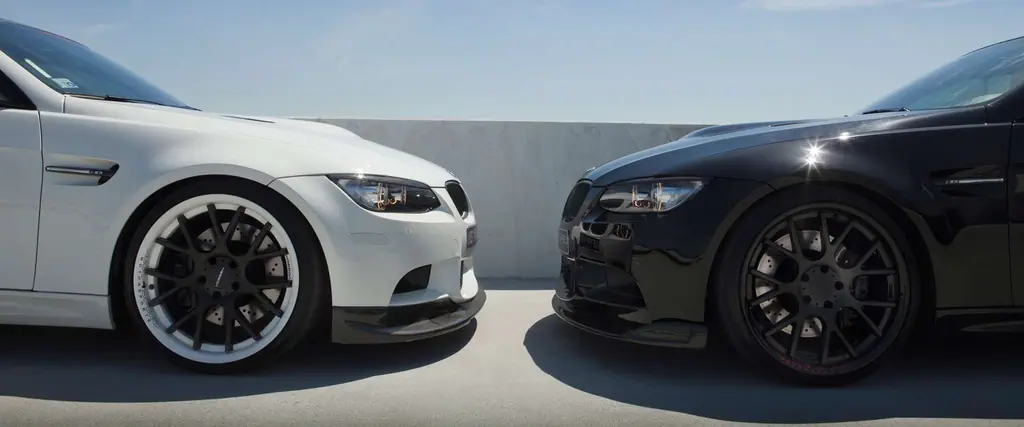
The science is straightforward: lighter colors reflect more sunlight, while darker colors absorb it.
White paint reflects roughly 75% to 85% of incoming sunlight, whereas black paint reflects only about 5% to 10%, absorbing nearly everything else as heat.
Testing under direct sunlight consistently shows significant temperature differences between colors.
White and Silver Stay Coolest
White remains the coolest exterior color in nearly every study. Surface temperatures generally range from about 113°F to 131°F, depending on sun intensity and exposure time.
Silver metallic finishes usually rank second, reaching approximately 129°F to 149°F. Their aluminum particles help reflect additional sunlight, making silver one of the best choices for hot climates.
Gray and Bronze Can Be Surprisingly Warm
Many drivers assume gray is nearly as cool as white, but that's often not the case.
Testing has shown some gray finishes climbing to roughly 145°F, only slightly cooler than black. Bronze and gold-colored vehicles typically fall into a similar range, demonstrating that pigment chemistry matters more than simply whether a color appears light or dark.
Red and Blue Absorb Similar Heat
Despite their very different appearances, red and blue vehicles often reach nearly identical temperatures.
Numerous tests place both colors between roughly 144°F and 167°F after prolonged sun exposure. Whether a color is traditionally considered "warm" or "cool" has little to do with heat absorption—the paint's reflective properties are what matter.
Black Gets Hottest
Black consistently records the highest surface temperatures.
Depending on conditions, black body panels typically reach between 153°F and 178°F, with some tests approaching 176°F after an hour in direct sunlight. At those temperatures, touching exposed metal can quickly become uncomfortable—or even cause minor burns.
The difference becomes obvious on two-tone vehicles. In one experiment, the white portion of a crossover measured about 128°F, while the black roof climbed to nearly 173°F at the same time—a difference of approximately 45 degrees Fahrenheit on the same vehicle.
Metallic and Pearl Finishes Matter Too
Not every version of the same color behaves identically.
Metallic paints generally reflect more sunlight than standard solid colors because of the aluminum flakes suspended in the finish. Pearl paints create more complex reflections using mica particles, although their cooling effect depends heavily on the exact formulation and viewing angle.
In general, lighter metallic finishes remain noticeably cooler than darker solid colors.
What About Cabin Temperature?
Interestingly, the cabin doesn't heat up nearly as differently as the exterior.
Research conducted by the Swiss Touring Club (TCS) and Empa, Switzerland's federal materials science laboratory, found that while exterior temperatures between white and black vehicles can differ by more than 35°F, cabin air temperatures remain much closer.
After about an hour in direct sunlight, dashboard surfaces in both vehicles approached 176°F, while air temperature near occupants' head level reached roughly 113°F regardless of exterior color.
Engineers say that's because most of the heat enters through the windows rather than the sheet metal. Even so, lighter-colored vehicles can still be about 9°F to 11°F cooler inside during the first few minutes after opening the doors.
Paint color also affects air conditioning efficiency. Dark-colored vehicles require more energy to cool, which can increase fuel consumption—and, in EVs, reduce driving range.
The Future: Heat-Reflecting Paint
Some automakers are taking cooling technology much further.
Since 2021, Nissan has been working with Radi-Cool to develop a new thermal-reflective automotive coating that uses advanced metamaterials rather than conventional pigments.
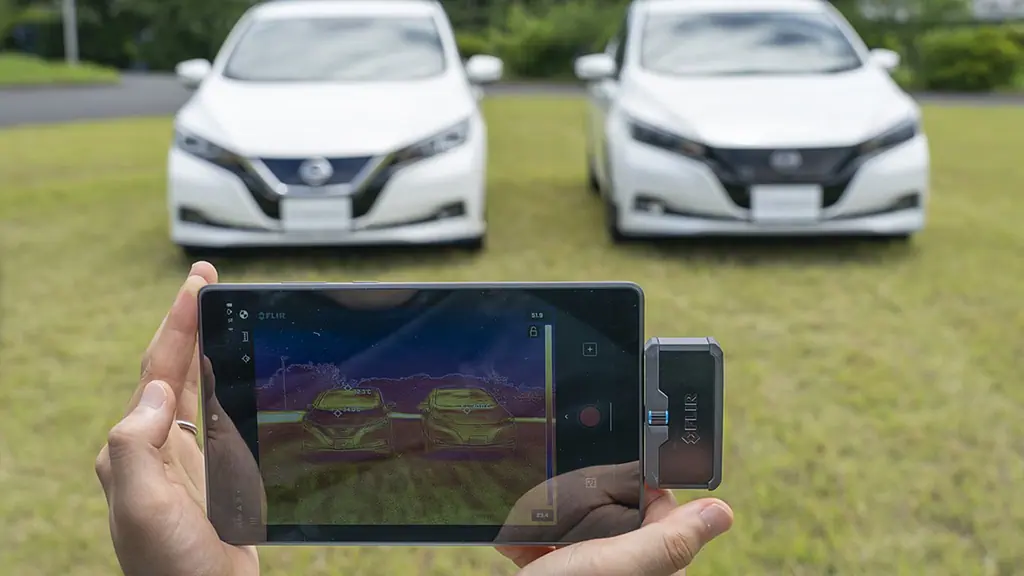
The coating contains two types of microscopic particles. One reflects infrared radiation—the primary source of solar heating—while the other redirects thermal energy away from the vehicle by generating electromagnetic waves that dissipate heat into the surrounding air.
Testing conducted at Tokyo Haneda Airport in August 2024 produced impressive results. Vehicles wearing the experimental coating recorded exterior surface temperatures about 22°F lower than conventionally painted vehicles, while cabin temperatures dropped by roughly 9°F.
The technology isn't production-ready yet, but Nissan believes it could be especially valuable for commercial vehicles that spend long hours parked in direct sunlight.
As Nissan researcher Susumu Miura put it, the ultimate goal is simple: creating cooler vehicles without consuming additional energy.
You may also be interested in the news:
These 8 Cars Went Over 1 Million Miles — They Just Don’t Build Them Like They Used To
Some cars outlast generations of owners, proving that careful maintenance and durable engineering can deliver extraordinary mileage.
The 1957 Dodge: How “Autodynamics” Shaped One of Detroit’s Boldest Designs
The 1957 Dodge Looked Like a Dream Car, but Its Biggest Flaw Was Hiding Beneath the Surface.

Two Ferrari F40s Spotted on Google Maps Turn Out to Be Pontiac Fiero Replicas
Two Ferrari F40 lookalikes spotted on Google Maps in Spain turned out to be replicas built on an American sports car.
Your Speedometer Says 65 MPH, but Your GPS Says 62 — Here’s Why Your Car Does That
Your speedometer reads 65 mph, but your GPS says 62 mph. Here’s why the numbers rarely match.
“Are You Sure It’s Chinese?” Who Really Builds China’s Car Engines
Who Really Develops China’s Car Engines?