
The Little-Known Pedal Trick That Helps Check Car Error Codes
Many drivers don’t realize they can check important fault codes without using any diagnostic tools.
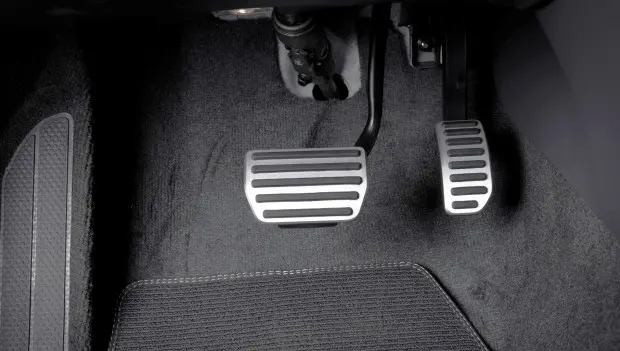
ehicle diagnostics can be expensive these days, which is why many drivers choose to buy affordable scan tools online and handle basic checks themselves. But not everyone knows that some cars can display important fault information without any extra equipment—just by using the pedals and ignition sequence.
If the “Check Engine” light appears on the dashboard, it usually means it’s time to inspect the engine or related systems. The problem is that this warning is very general and doesn’t tell you exactly what failed.
Many modern vehicles, however, are equipped with onboard computers that store detailed fault information. These systems can display trouble codes directly through a specific sequence involving the gas pedal, brake pedal, and ignition switch.
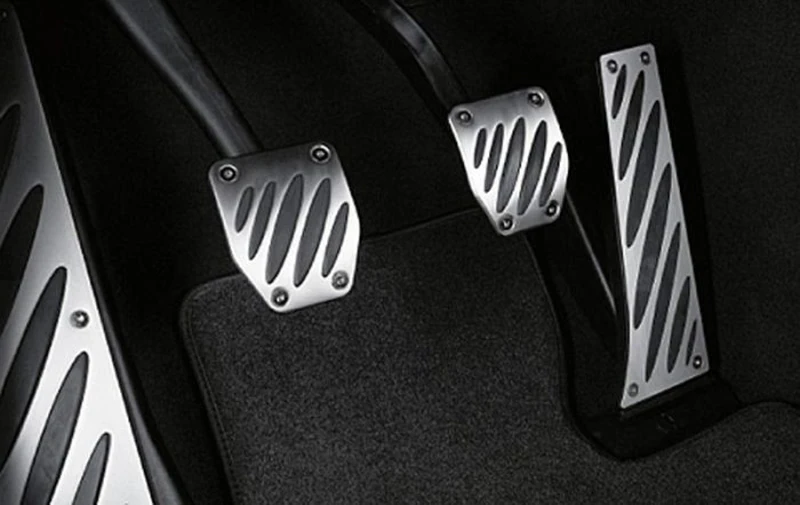
For Manual Transmission Cars
On vehicles with a manual transmission, press the accelerator and brake pedals at the same time, then turn the ignition on without starting the engine.
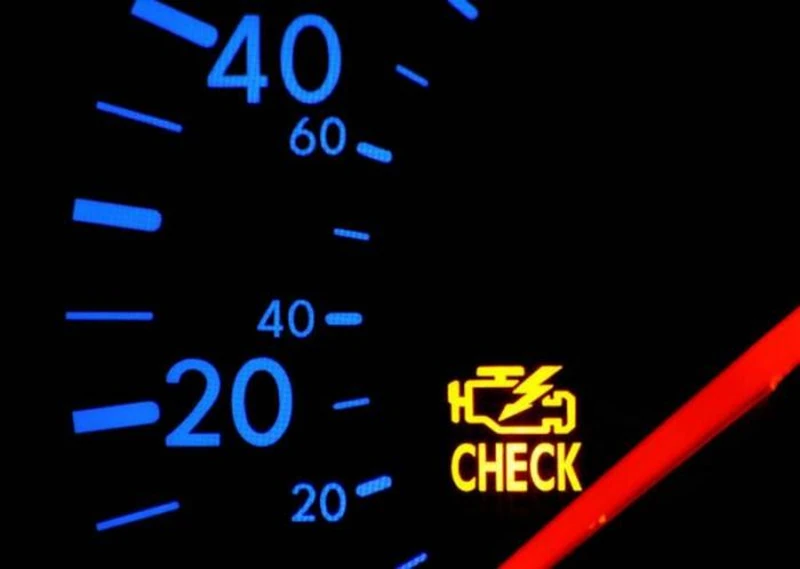
After a few seconds, the onboard computer may display diagnostic trouble codes on the dashboard. These numbers should be written down and decoded later. Each code points to a specific system or component problem.
For Automatic Transmission Cars
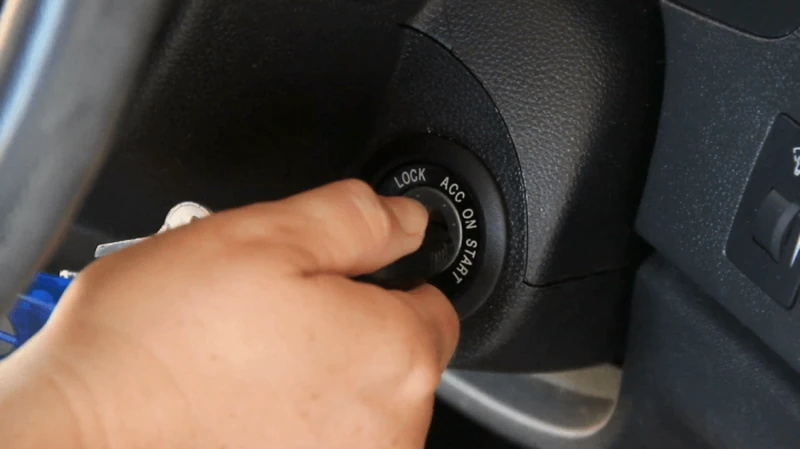
On vehicles with an automatic transmission, press both the gas and brake pedals while turning the ignition on without starting the engine.
Then move the gear selector into Drive mode. Without releasing the pedals, switch the ignition off and then turn it back on again.
After completing this sequence, the dashboard may display a special fault code related to the issue.
How to Read the Codes
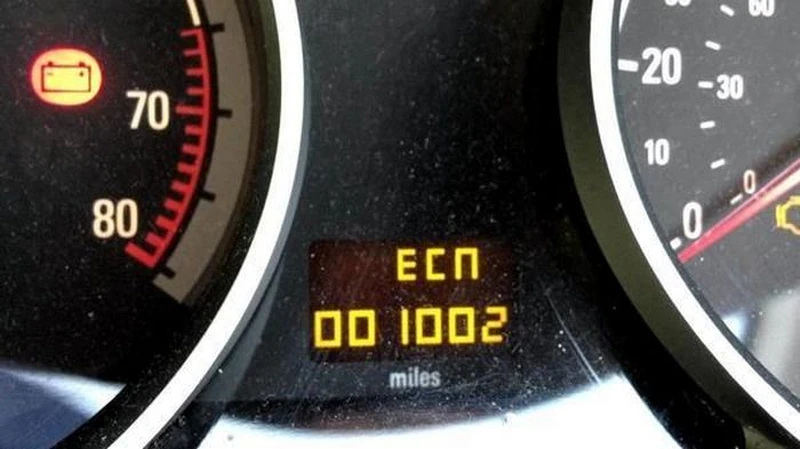
These fault codes can usually be decoded using the vehicle’s owner’s manual or by checking manufacturer-specific information online. This helps drivers better understand the issue before visiting a repair shop.
These codes are often called ECN codes and usually consist of one letter followed by four numbers.
The letter typically identifies the system:
- B — Body
- C — Chassis
- P — Powertrain (engine and transmission)
- U — Network communication systems
The first number usually ranges from 0 to 3 and indicates whether the code is a generic industry code, a manufacturer-specific code, or a reserved category.
The second number refers to the control system or function involved, while the final two digits identify the exact fault.
In most cases, the first four characters are enough to determine where the problem is coming from.
You may also be interested in the news:

Why You Should Never Ignore a Plastic Bag on Your Car Mirror
You park your car, head inside, and return a short time later to find an ordinary plastic bag hanging from the side mirror.

Auto Expert Warns Drivers About Common Mistakes When Installing a Roof Cargo Box
Roof cargo boxes have become increasingly popular with drivers looking for an easy way to carry more gear on road trips.

One Capful and Your Wipers Stop Squeaking: Experts Reveal a Simple Trick
We've all been there: windshield wipers start squeaking, smear grime across the glass and leave streaks behind instead of actually helping.
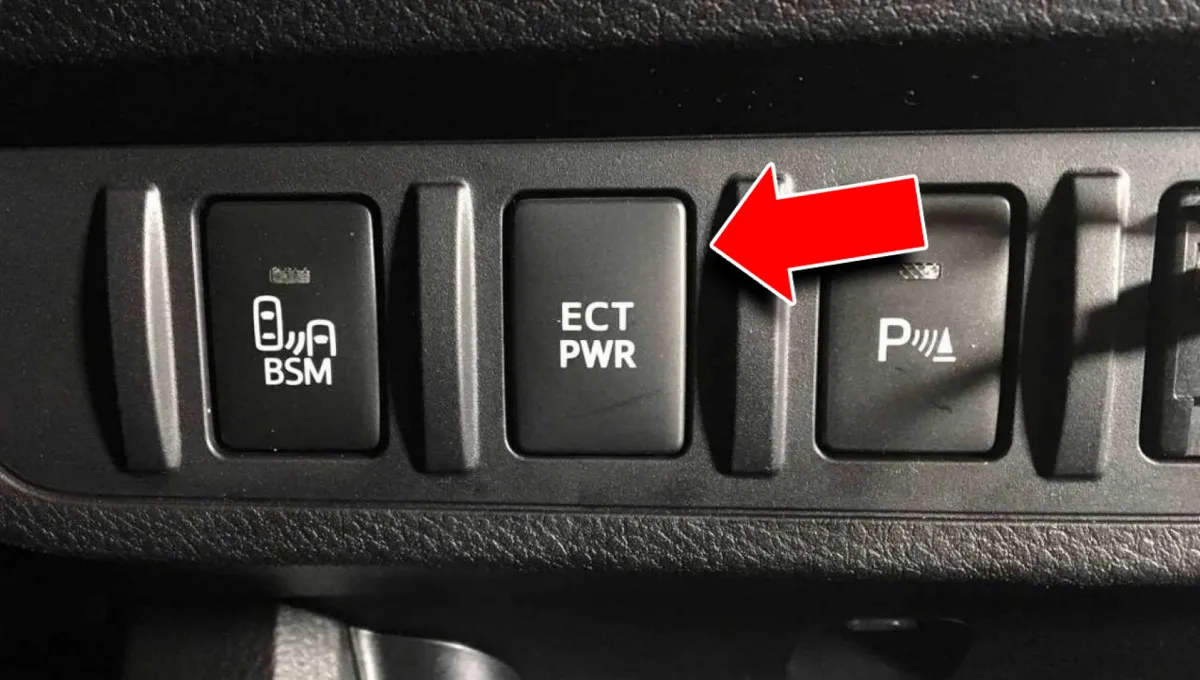
You Hit ECT PWR and Your Toyota Suddenly Wakes Up: What That Mysterious Button Really Does
This little button can change the way a Toyota drives, but plenty of owners have no idea what actually happens when they press it.

It Confuses Many Drivers: What Does the Road Sign With a Thumbs-Up Mean?
This unusual sign appears near highway entrances, tunnels and other locations where roadside stops can create serious safety hazards.