
1972 Dodge Demon 340 Packs Two Ultra-Rare Factory Options, Believed To Be the Only One Left
A highly optioned 1972 Dodge Demon 340 with two factory rarities has surfaced, and collectors say nothing else like it exists.
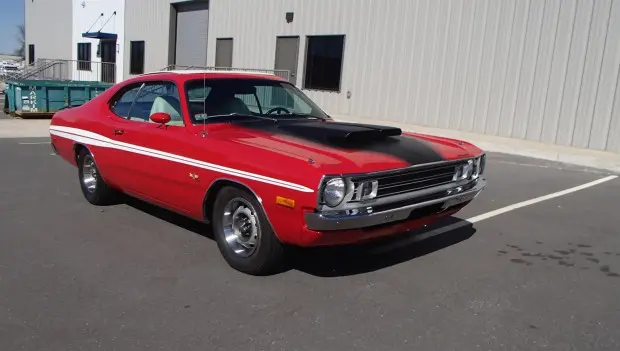
Back in the early 1970s, Dodge leaned into a bold image—complete with a pitchfork. The outcome was the Demon, a budget-friendly fastback built to deliver real street muscle without draining your bank account. Still, as many learned, the devil truly was in the details, and not everyone appreciated the theme.
The Demon nameplate debuted in 1971, stepping in for the performance-focused Dart Swinger 340. Riding on the same fastback body used by the Plymouth Duster but fitted with a Dart front end, the car was marketed as an affordable supercar for everyday drivers.
Its cartoon devil mascot clutching a trident quickly stirred backlash from religious groups across the country. Dodge may have seen the branding as harmless fun, but mounting criticism pushed the company to retire the Demon badge after just two model years. By 1973, the car returned under a safer name: the Dart Sport.
Despite the controversy, the 340-powered cars stayed relatively low-volume. Dodge built 10,098 Demon 340s for 1971, then 10,223 units for 1972—solid numbers, but hardly mass production.
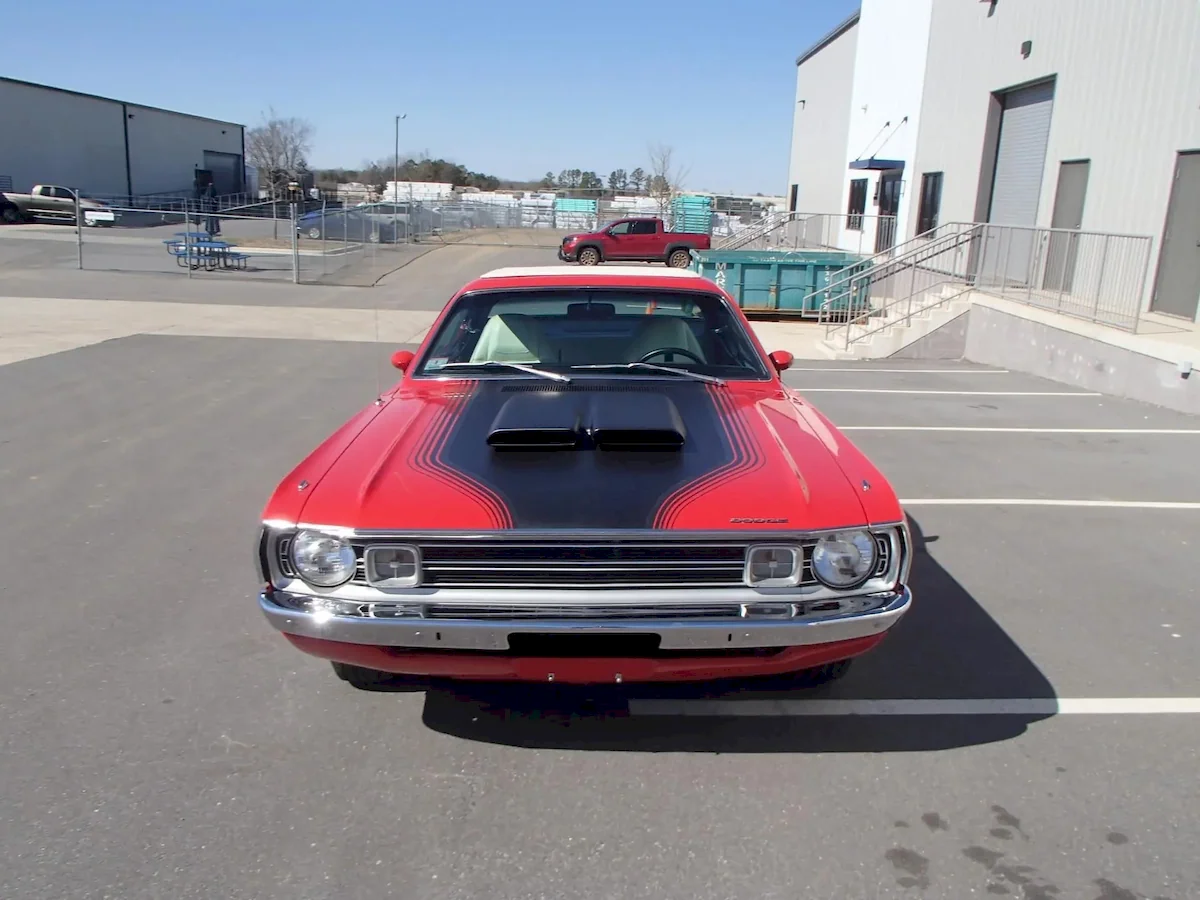
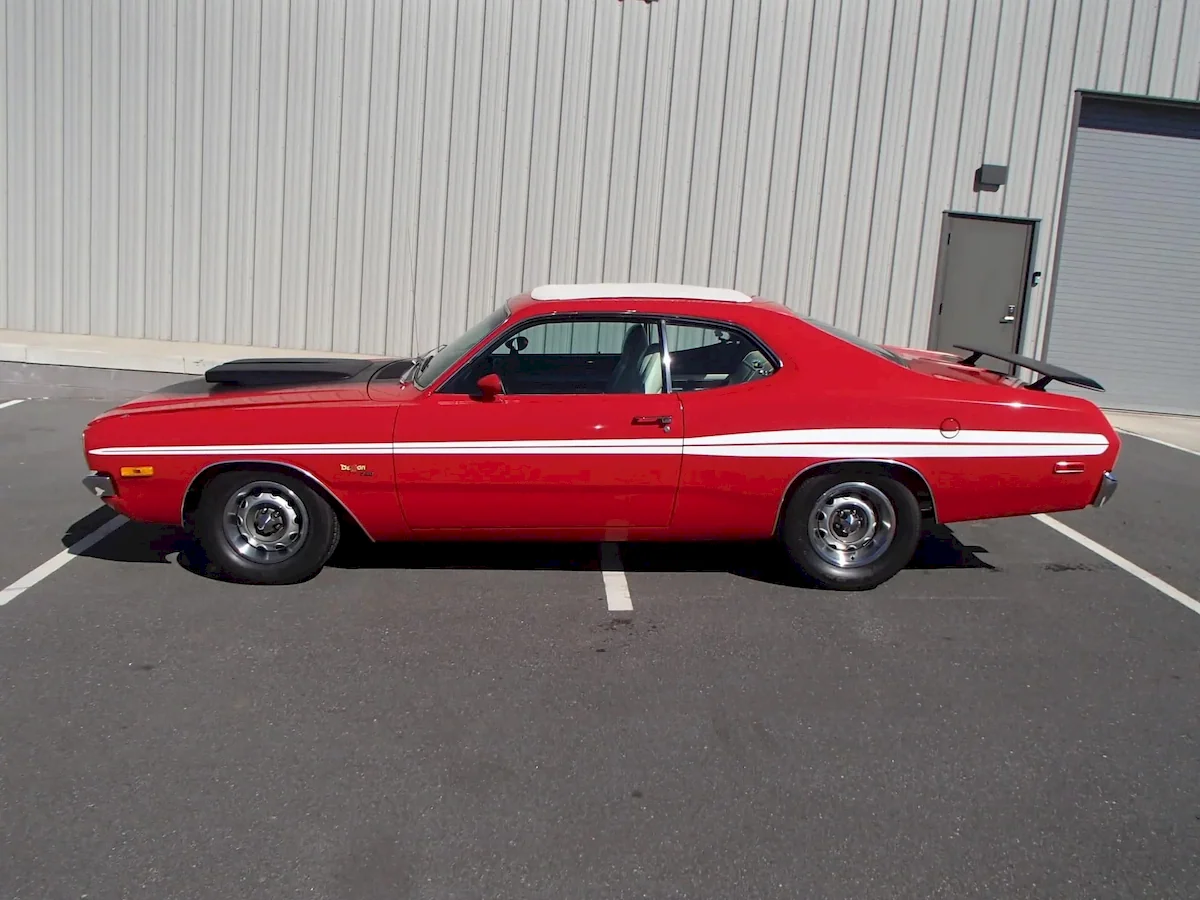
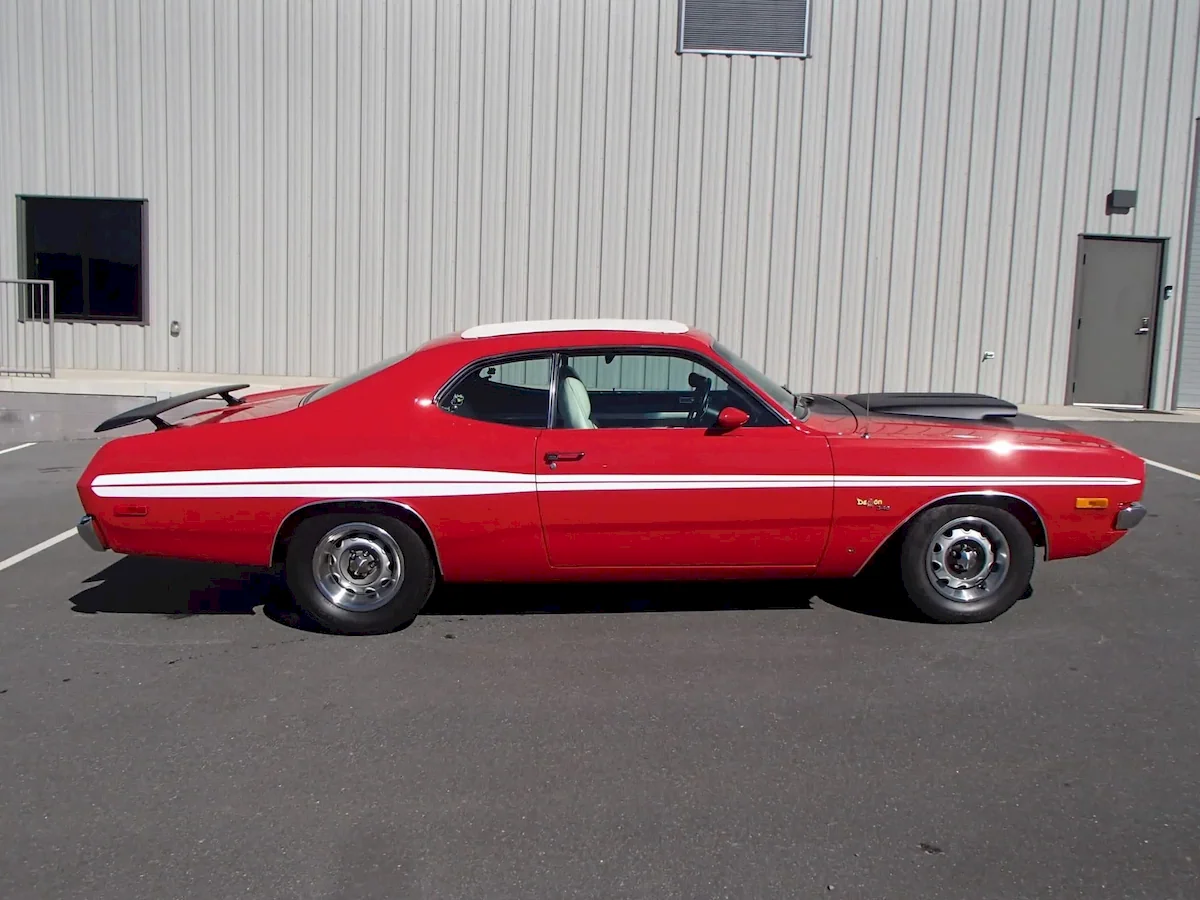
Under the hood sat Chrysler’s lively 340 small-block, paired as standard with a floor-shifted A-230 three-speed manual. Many buyers, however, upgraded to the tougher A-833 four-speed or the TorqueFlite 727 automatic for added performance and durability.
One particularly rare example is now up for grabs on Bring a Trailer. This 1972 Dodge Demon 340 has already drawn serious interest, climbing to $43,666 as of this writing.
With just three days left before bidding wraps up on Sunday, March 8, prospective buyers don’t have much time to make a move.
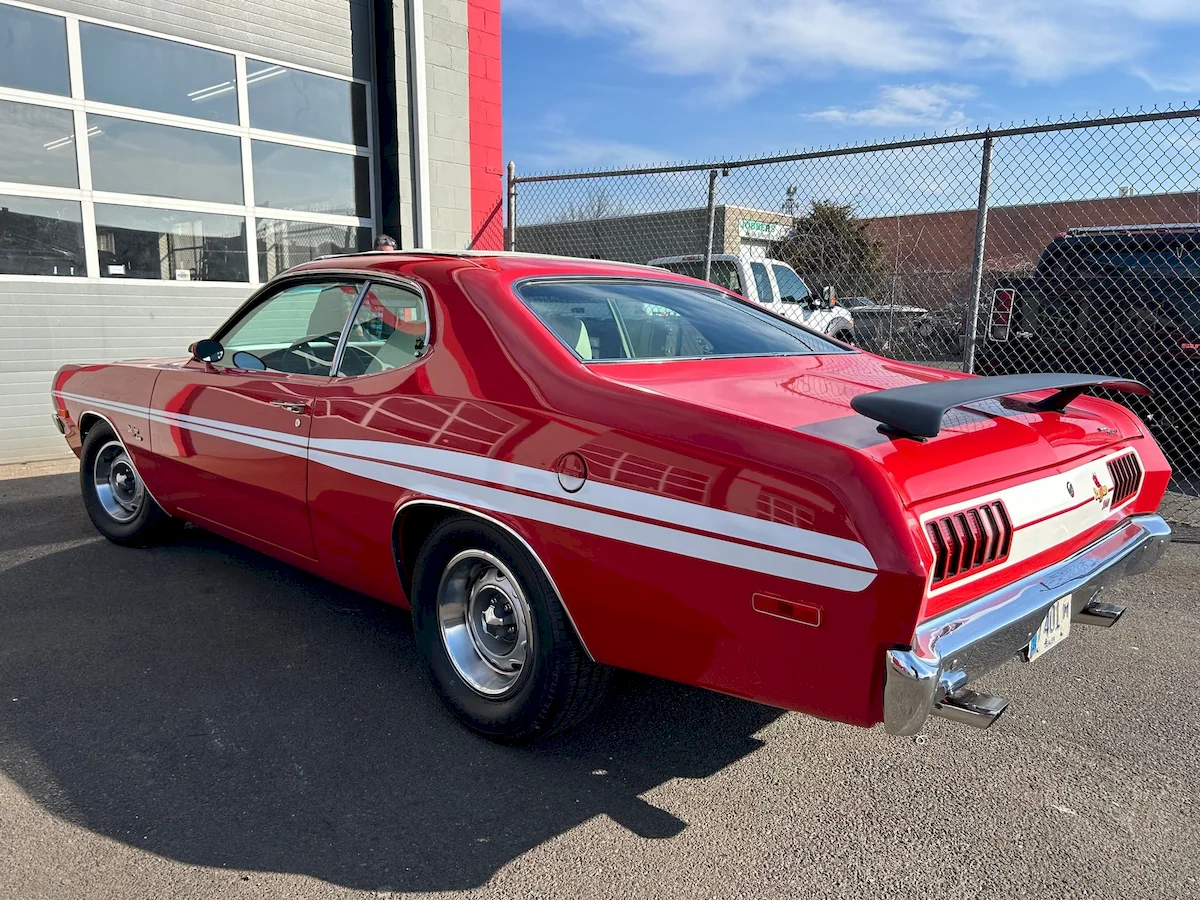
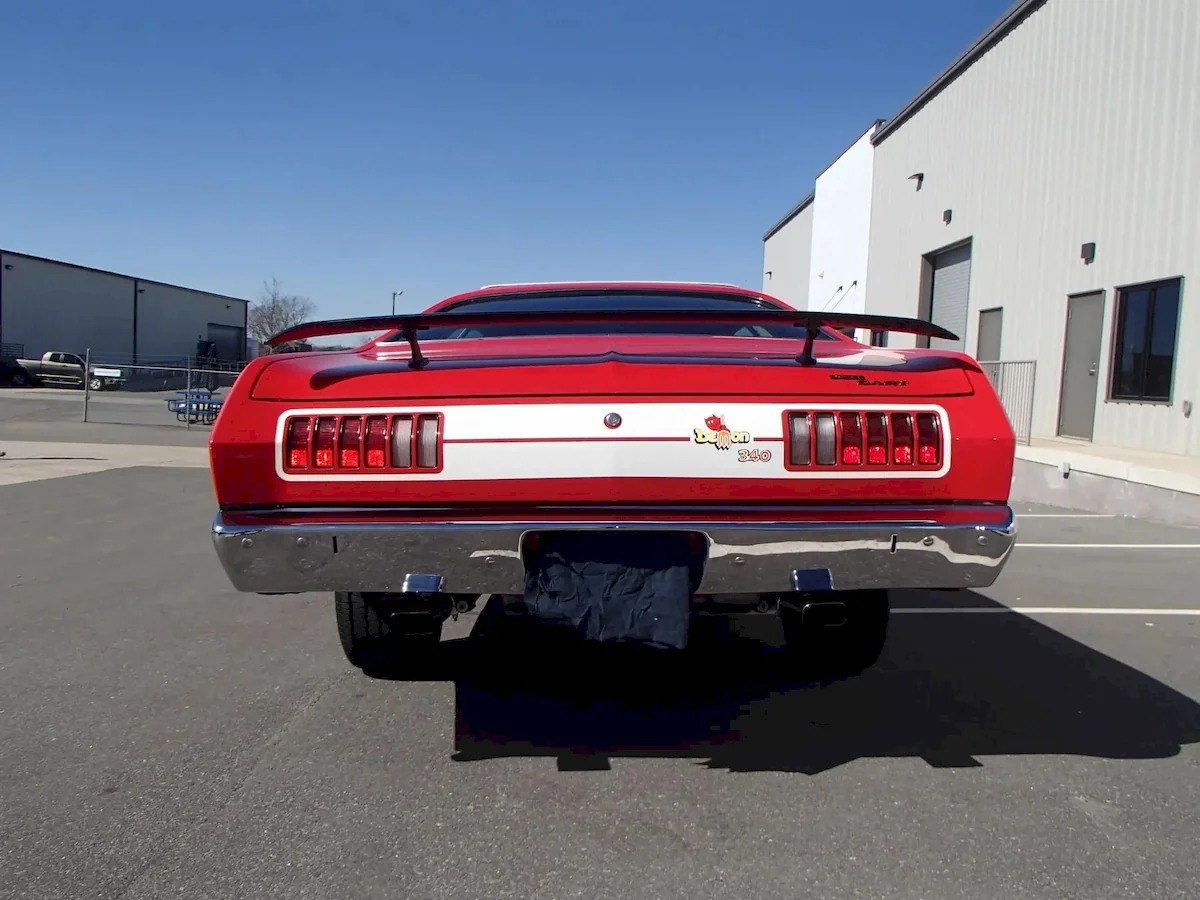
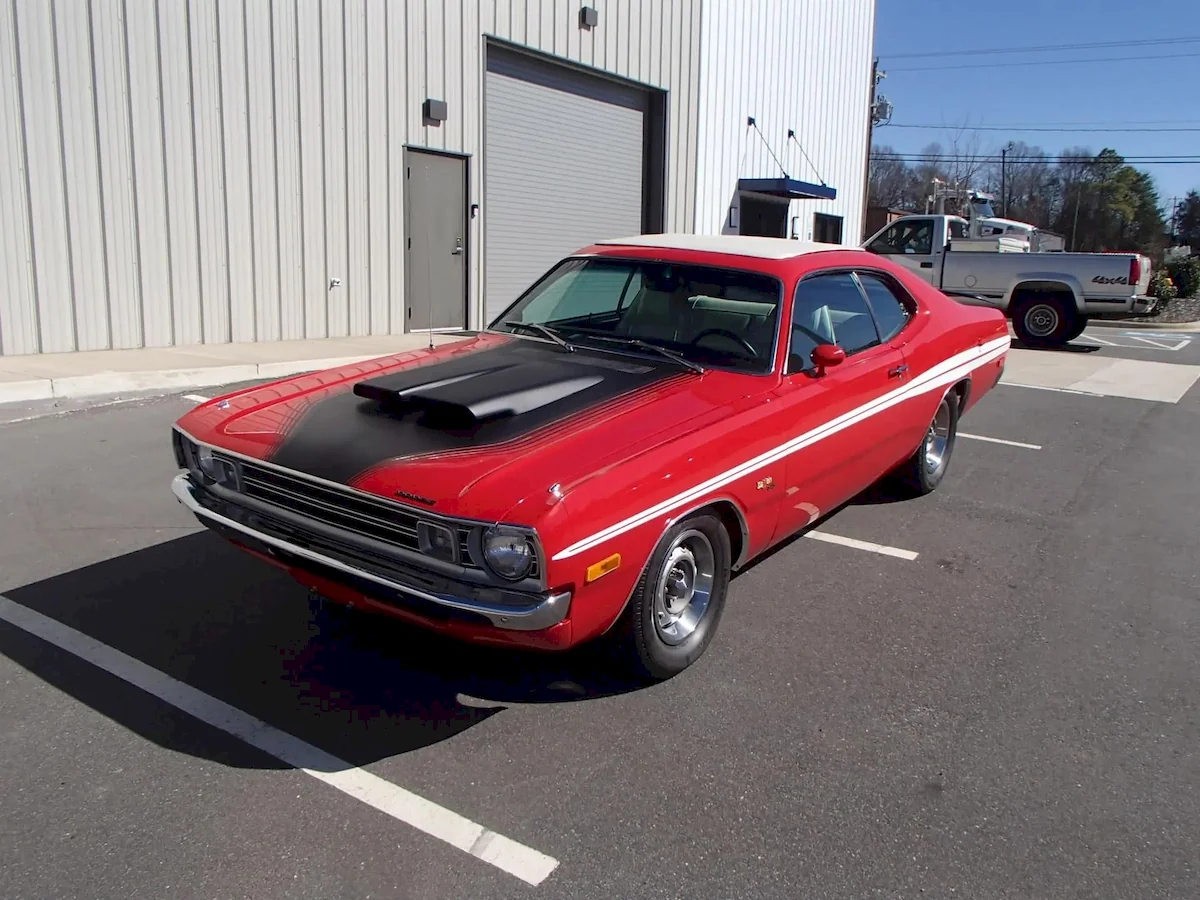
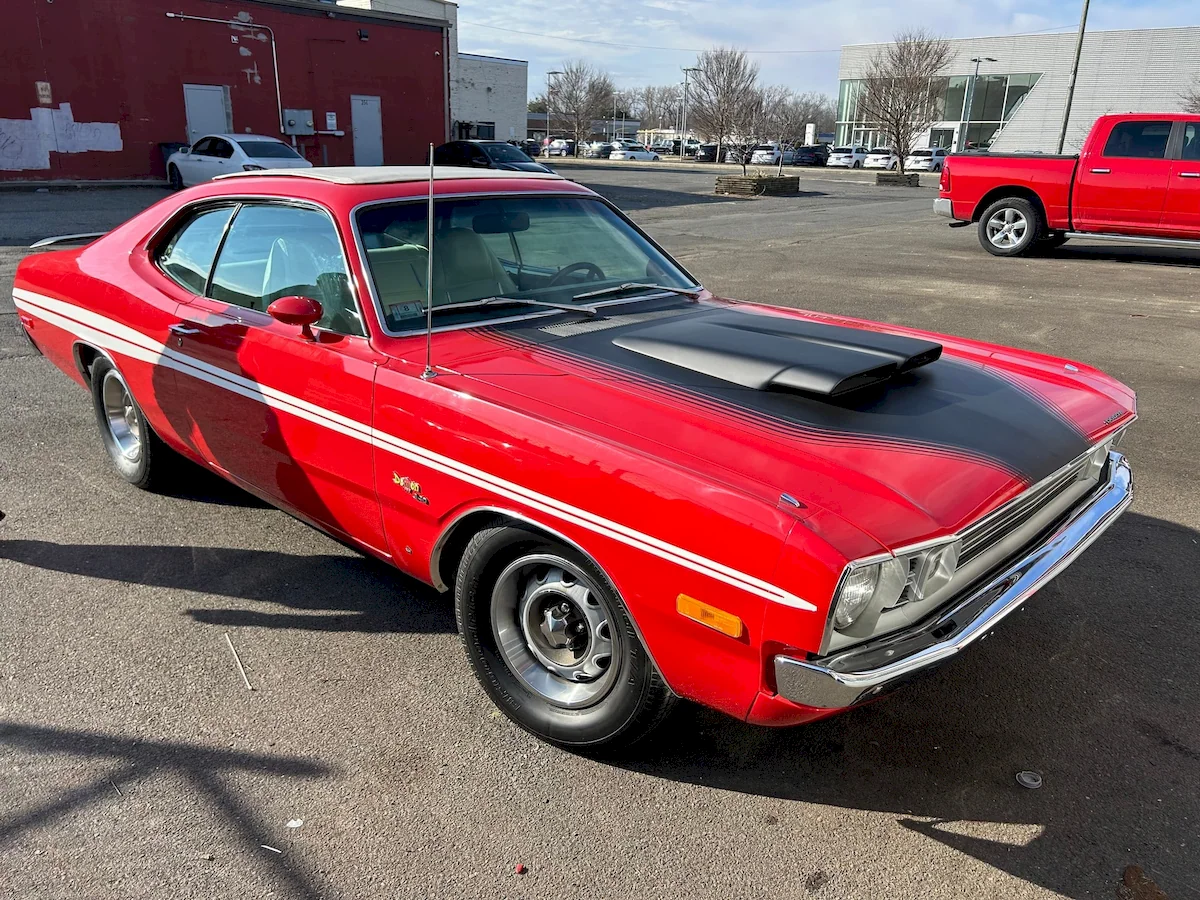
What makes this car stand out isn’t just condition—it’s documentation and factory equipment. It’s one of only 95 Demon 340s built in 1972 with the V3 folding soft-top sunroof. Even more remarkable, it’s reportedly the only known example listed in the Mopar Sunroof Registry that combines that sunroof with factory air conditioning.
The car rolled off the line in June 1972, near the very end of Demon production. That timing alone isn’t usually noteworthy, but in this case it places the vehicle among the final batch ever produced before the name disappeared.
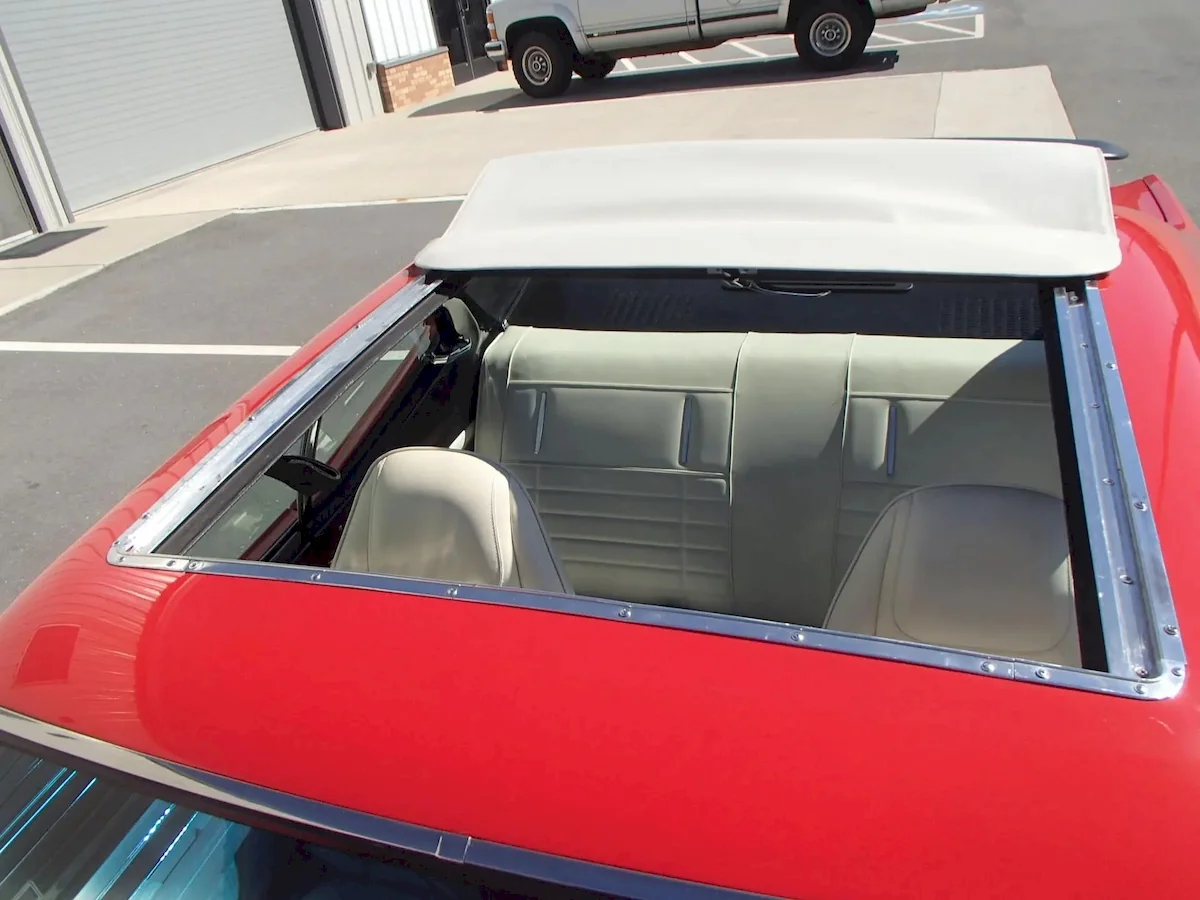
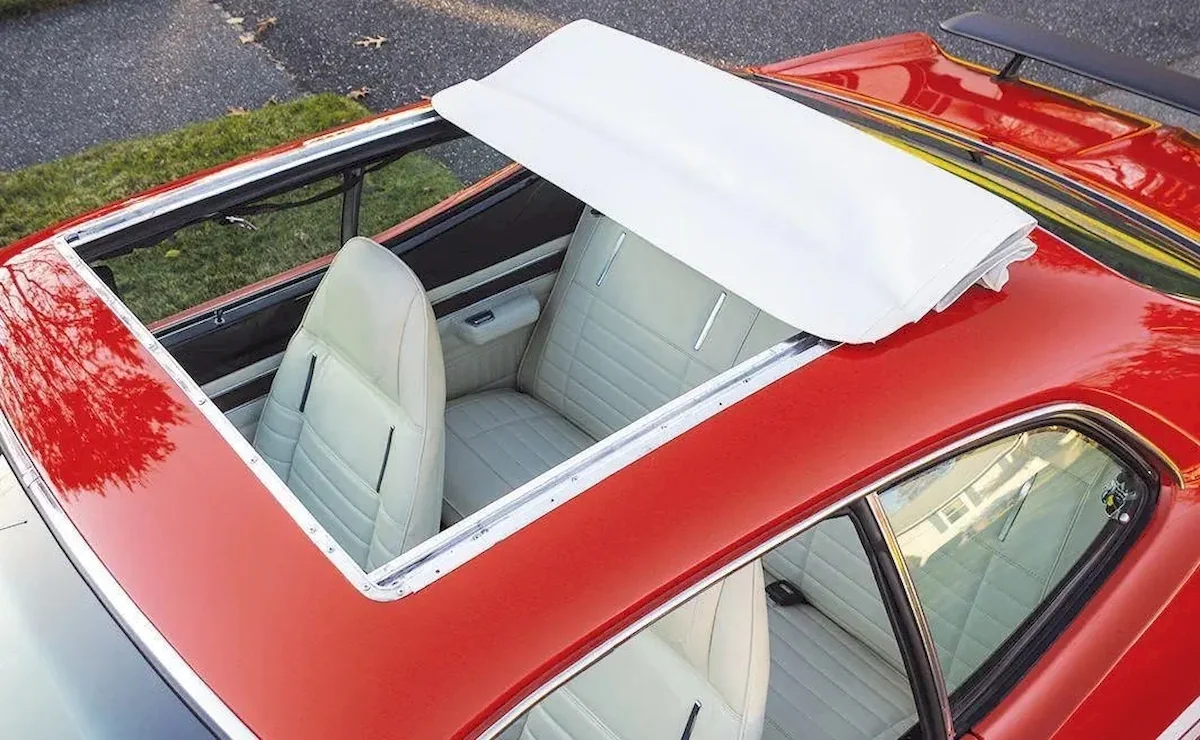
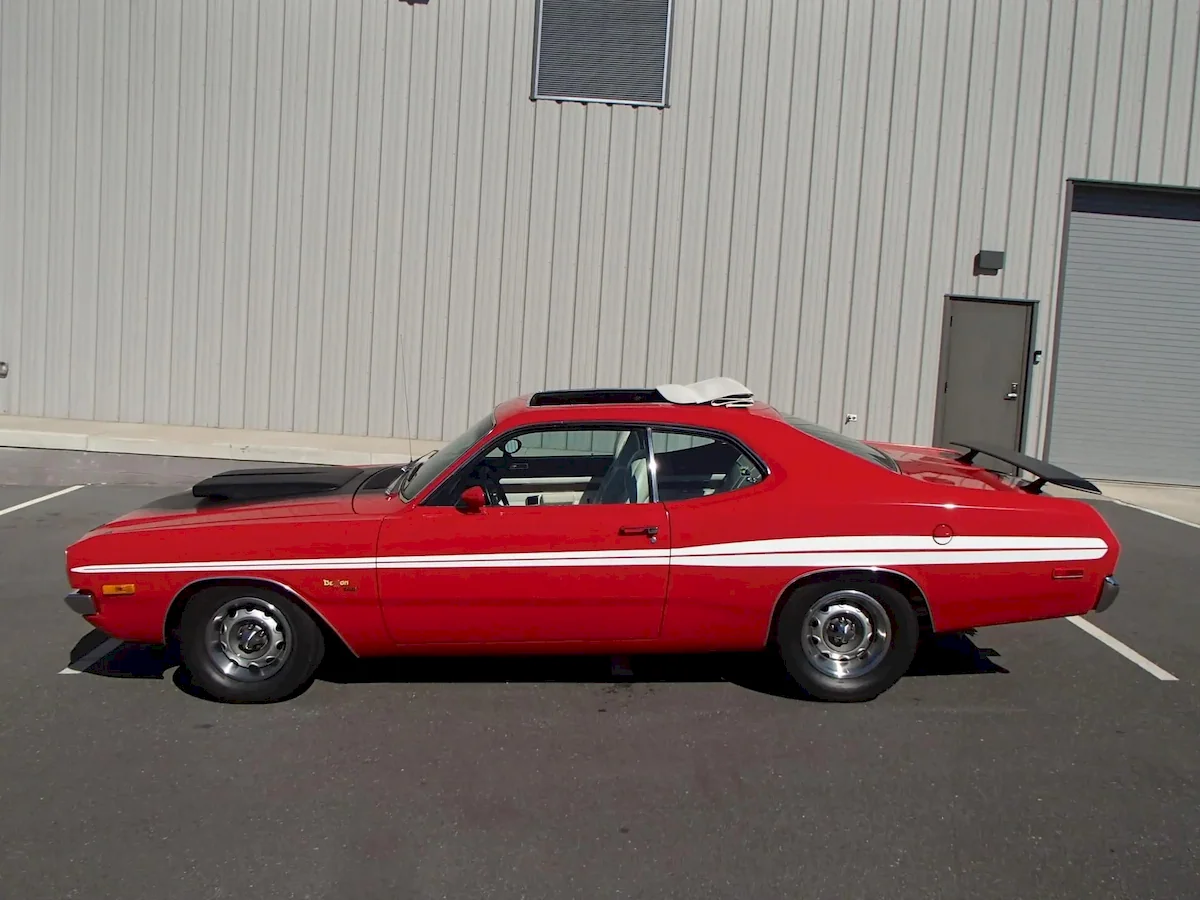
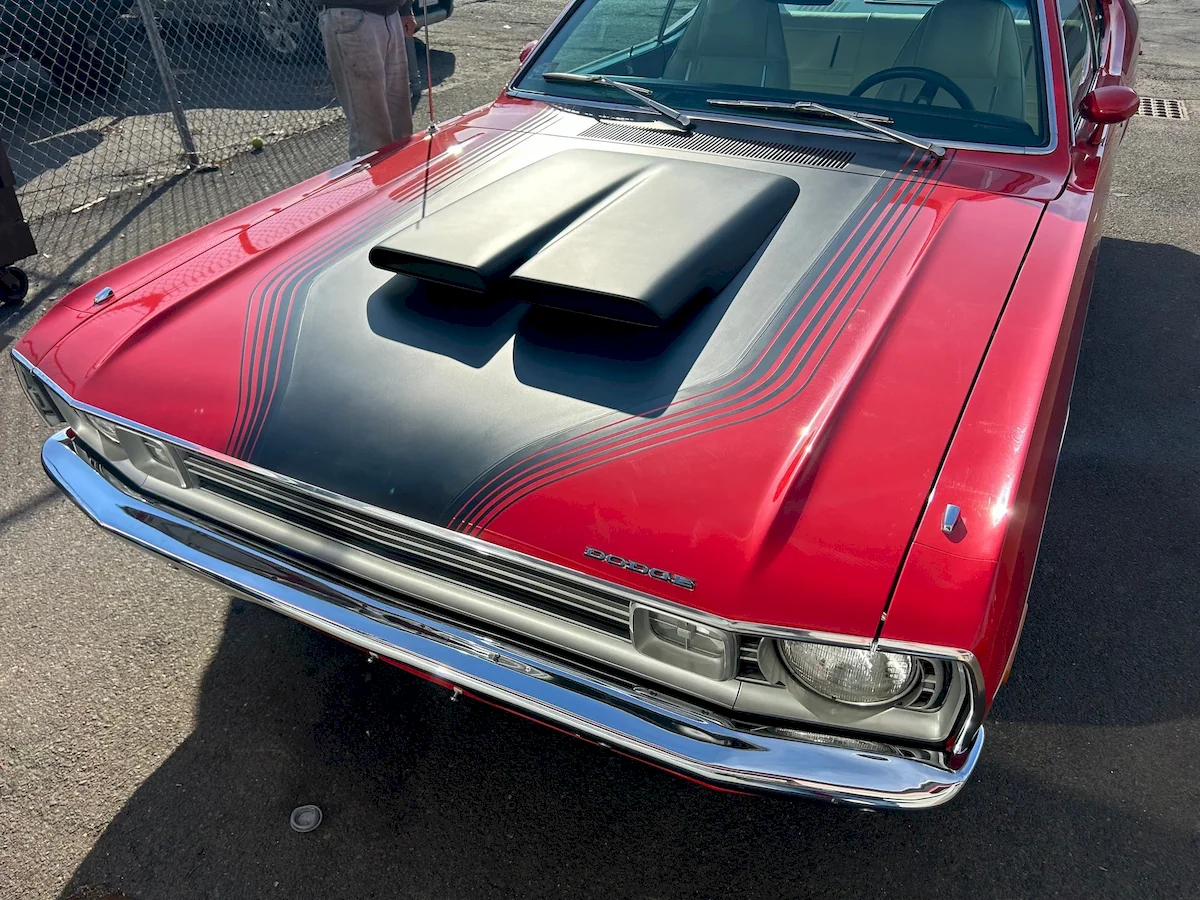
Between 2009 and 2013, the car underwent a full rotisserie restoration, bringing it back to its original FE5 Bright Red finish. The attention to detail is impressive, and the final result would make any Mopar purist smle.
When new, a 1972 Demon 340 carried a base sticker price of around $2,759—up slightly from $2,721 the year before. For the money, buyers got performance that could embarras far more expensive competition.
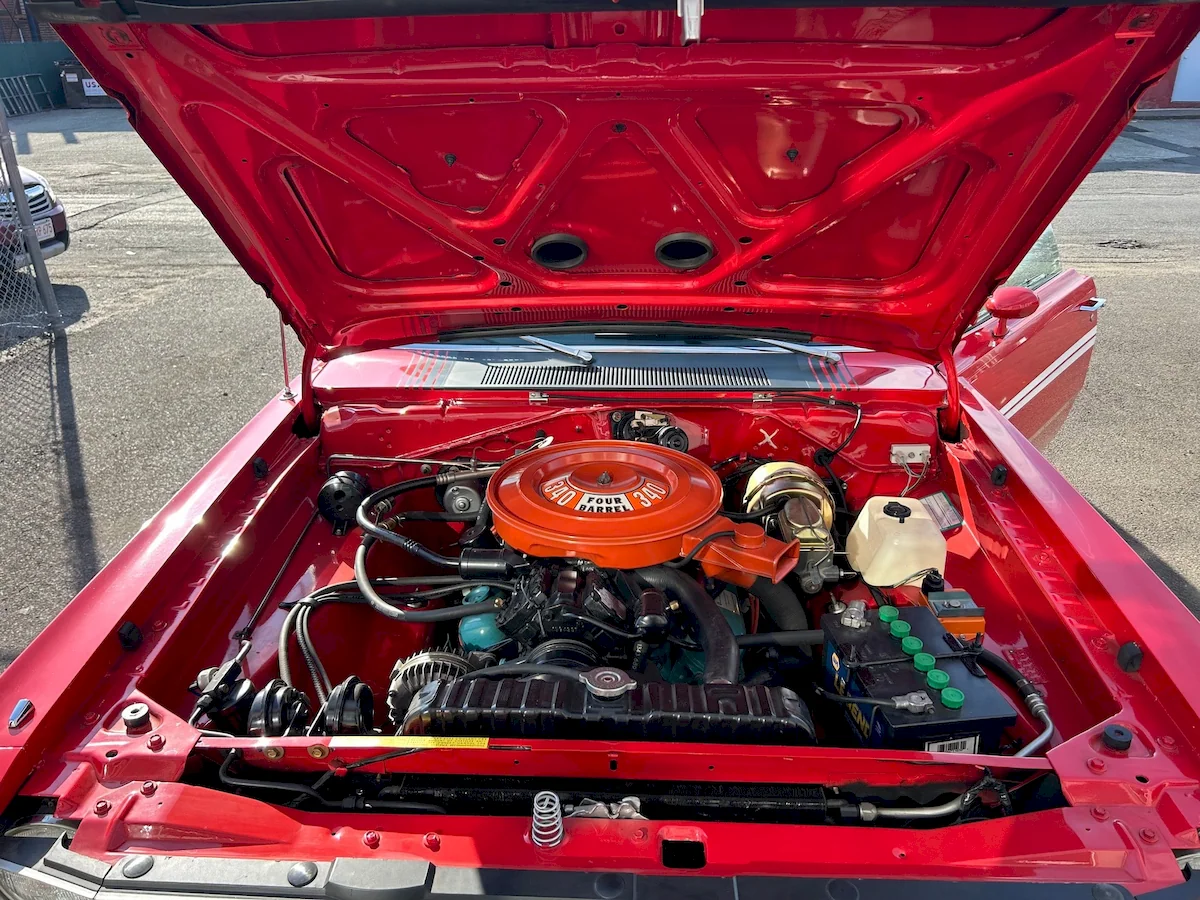
Period testing showed 0–60 mph in 7.8 seconds and the quarter-mile in 14.56 seconds at 96 mph—strong numbers for the era, even as tightening emissions rules began reshaping Detroit’s output.
Although compression ratios dropped in 1972 and horsepower ratings shifted from gross to net—falling to 240 horsepower from the previous year’s 275 gross—the Demon 340 remained a lightweight and very capable street machne.
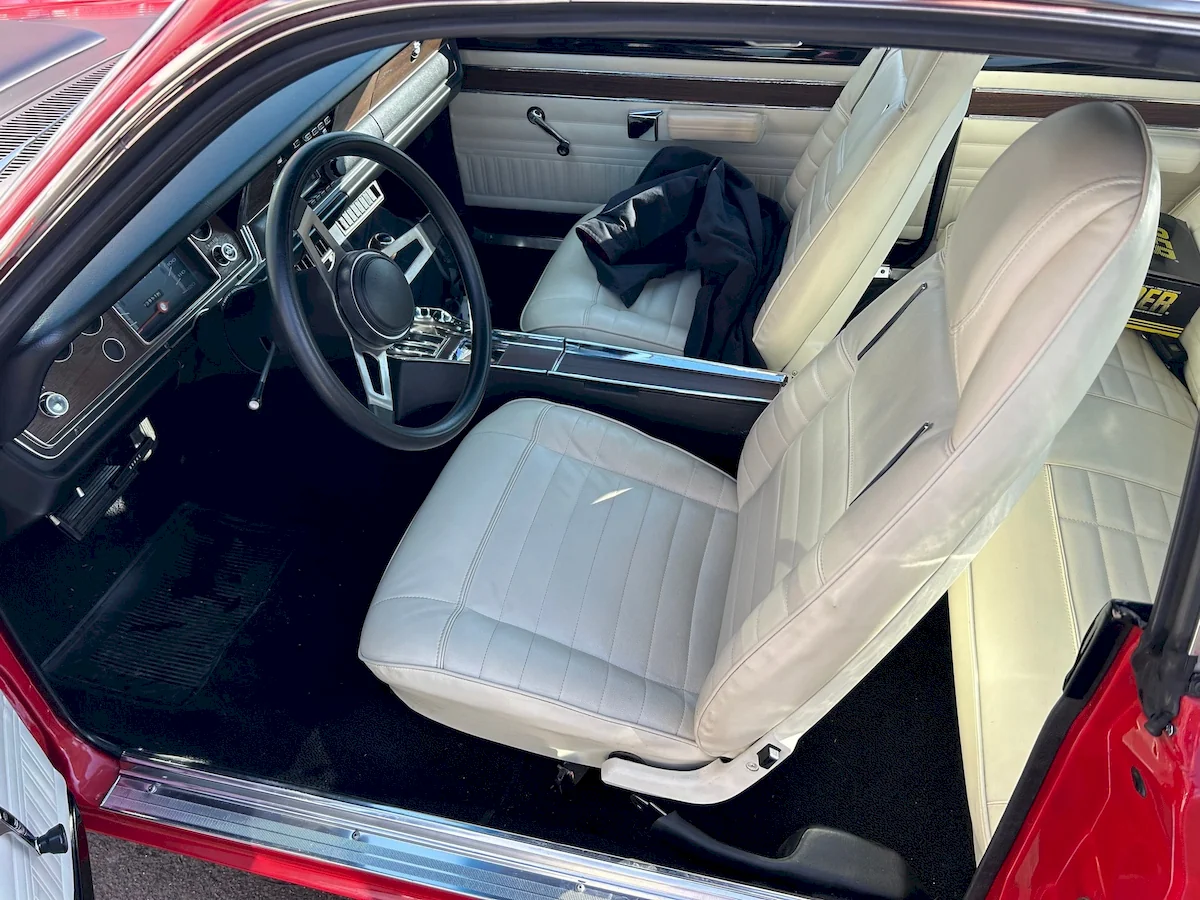
With its rare open-air setup and factory A/C, this example offers a unique chance to own a piece of Mopar history that once stirred controversy and still turns heads today.
You may also be interested in the news:
Hyundai Recalls Nearly 95,000 Genesis Sedans Over Fire Risk From Power Seats
Hyundai is recalling 94,622 Genesis sedans after a faulty power seat switch was linked to overheating and potential vehicle fires.
10 Concept Cars From the 20th Century That Look Like They Came From the Future
From futuristic cockpits to rocket-inspired bodies, these 10 vintage concept cars pushed design boundaries and still look spectacular today.
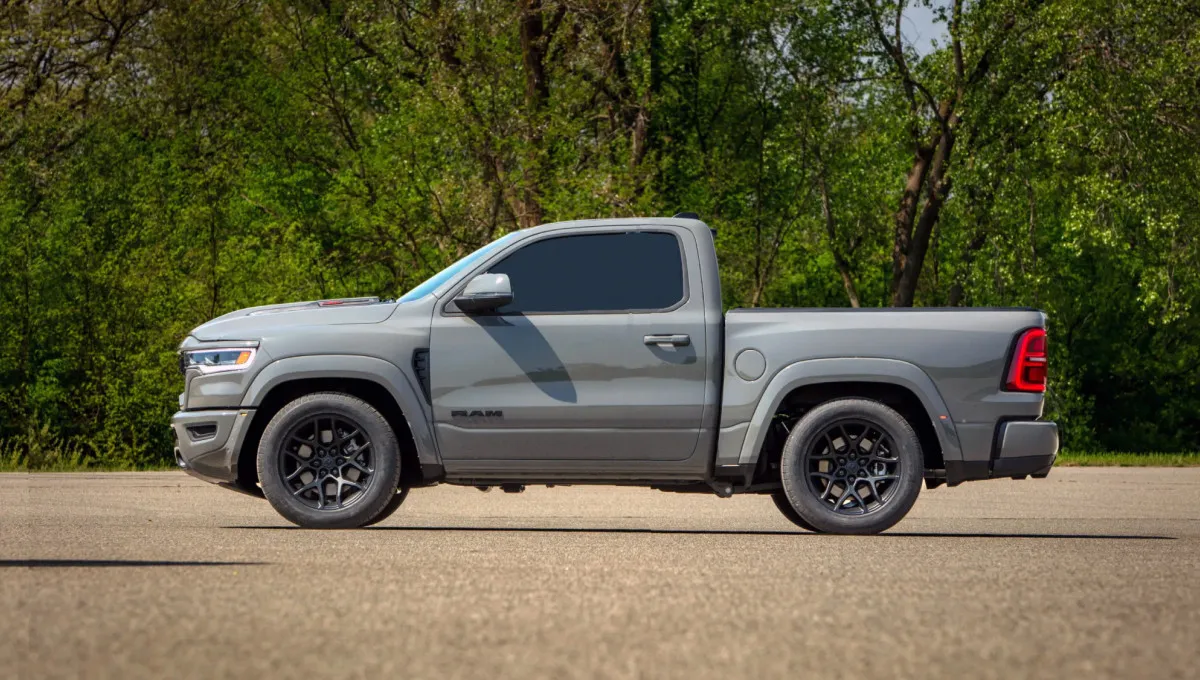
2027 Ram 1500 Rumble Bee: Pricing, Options and How to Build Yours
The 777-HP Ram Rumble Bee Is Coming — But You Can Buy the New Hemi Truck Now
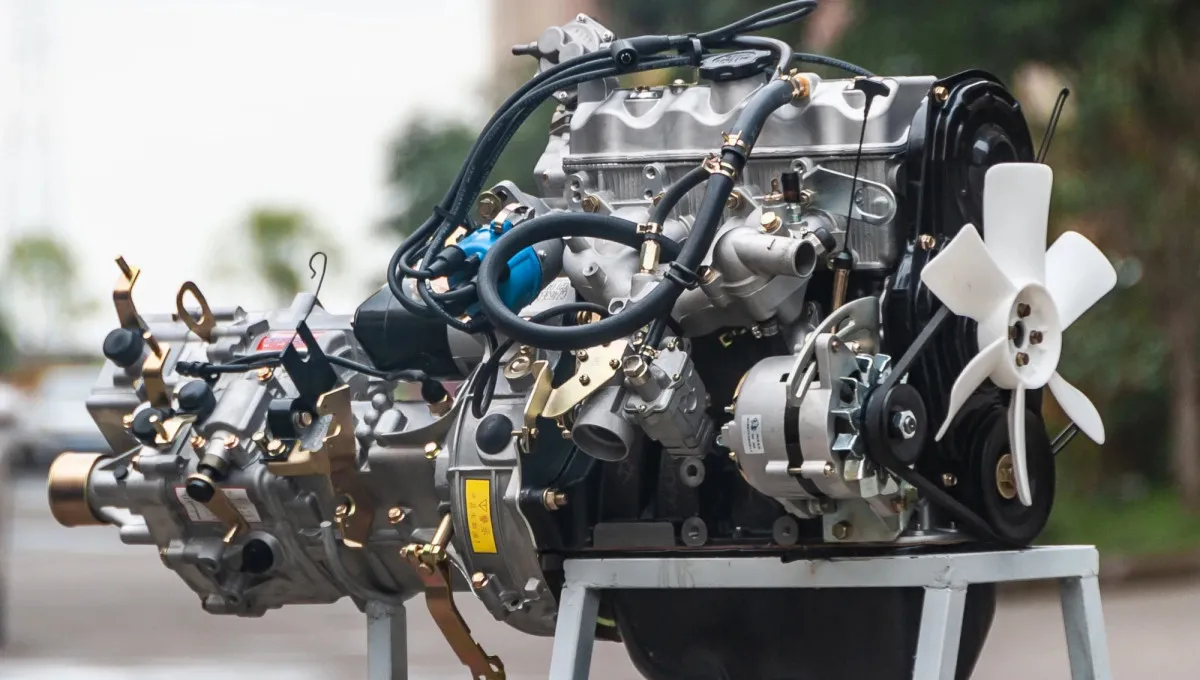
“Are You Sure It’s Chinese?” Who Really Builds China’s Car Engines
Who Really Develops China’s Car Engines?
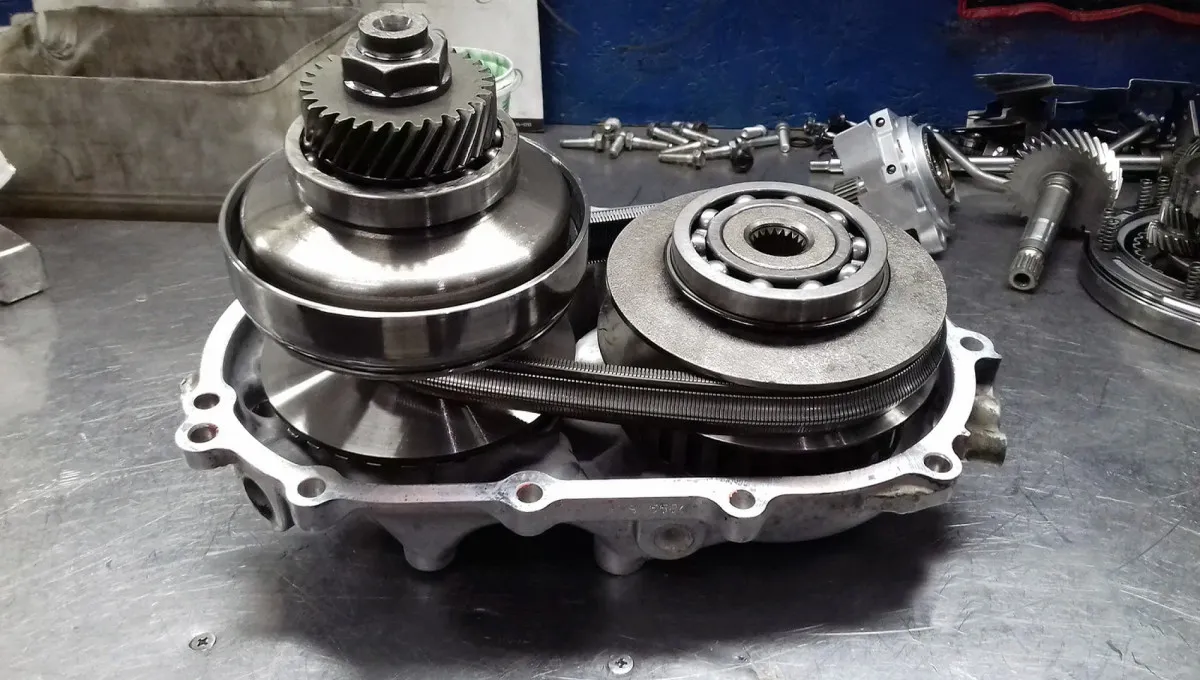
Why Experienced Drivers Still Warn Against Buying a Used Car With a CVT
CVTs offer smooth acceleration and good fuel economy, but expensive repairs and durability concerns make used models risky.