
C-5 Catruk: The Unusual American Half-Track Truck Built by Linn
Engineers chased a single vehicle combining highway speed with rugged off-road capability during the interwar years.
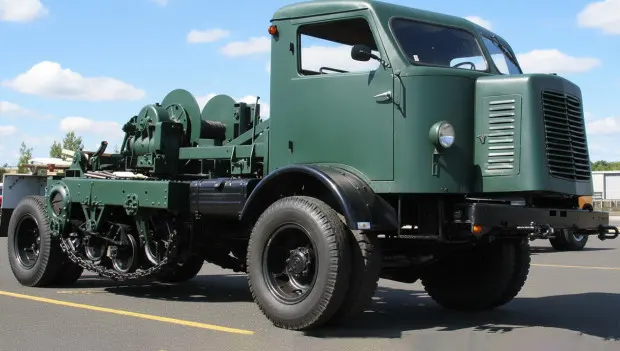
In the years between World War I and World War II, engineers around the world pursued an ambitious idea. Designers wanted a universal vehicle capable of combining two seemingly incompatible qualities: the high highway speeds typical of conventional trucks and the extraordinary off-road mobility associated with tracked machines.
Two main engineering approaches emerged in the search for that perfect solution. The first focused on half-track vehicles using Kégresse-style propulsion systems based on flexible rubber-reinforced belts. The second concept, considered equally promising, involved hybrid machines with a combined wheel-and-track drivetrain. In this configuration, the tracks were used only when crossing difficult terrain. Once the vehicle reached paved roads, the track assembly could be lifted, allowing the truck to continue on wheels alone.
However, this layout had a clear drawback. When raised, the heavy track mechanism essentially became dead weight, reducing the vehicle’s useful payload capacity. Engineers in the United Kingdom, Czechoslovakia, and Austria experimented extensively with such systems, and similar projects soon appeared in the United States.
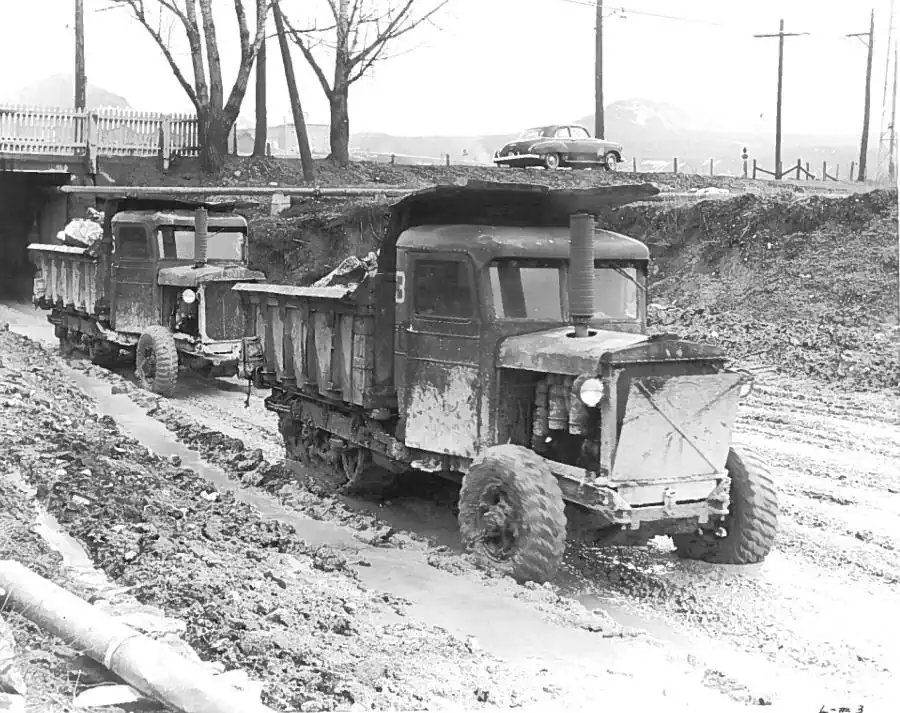
One American company exploring this concept was Linn Manufacturing Corp., founded in 1916 in the town of Morris, New York. The company specialized in half-track trucks built with tractor-style running gear using metal track belts driven by sprockets. These rugged vehicles were designed for extremely harsh operating conditions. Linn trucks delivered impressive pulling power, but their top speed rarely exceeded about 12 mph (20 km/h).
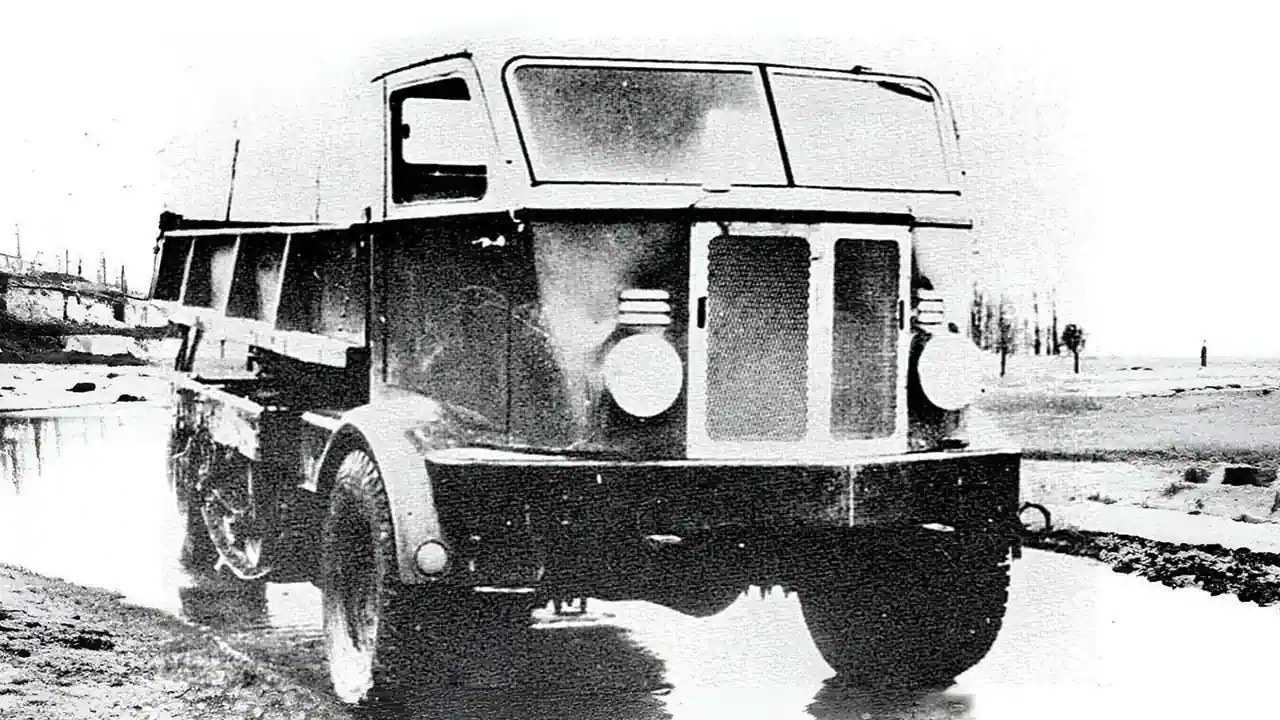
A turning point came in 1938 when Philip Sloan took over leadership of the company. Sloan pushed for the development of a fundamentally new vehicle that could combine the off-road ability of a tracked tractor with the performance of a standard highway truck. By March 1939, the first prototype of this hybrid machine had appeared, designated the Linn C-5.
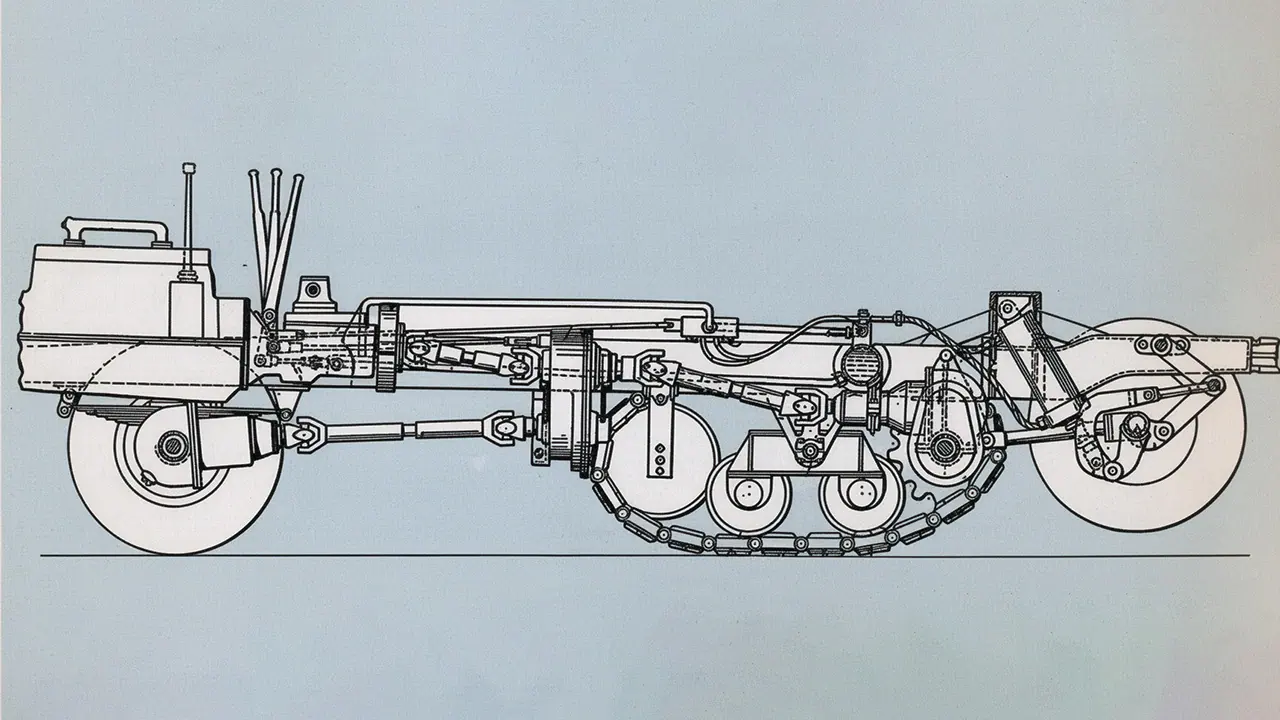
The truck had a 5-ton payload capacity and featured an all-steel dump bed. Power came from a Hercules YXC3 gasoline inline-six engine producing 105 horsepower, though buyers could order a 120-hp Hercules DRXB diesel instead. The track unit was mounted mid-chassis, just ahead of the rear axle. It consisted of an idler wheel, a drive sprocket, and two support rollers attached to a pivoting rocker assembly.
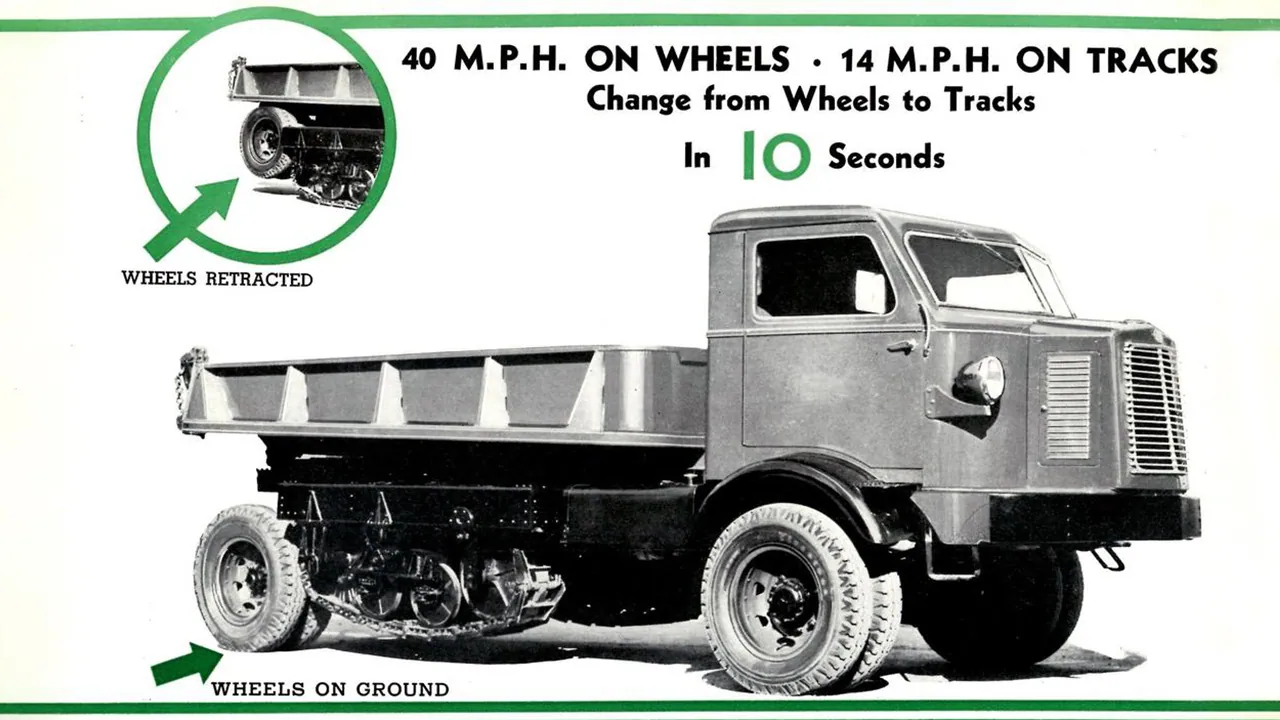
When operating off-road, the truck functioned as a half-track with power delivered to the front axle and the track drive. On paved roads, the driver could activate a hydraulic system that lowered an auxiliary wheel axle. This lifted the rear of the vehicle slightly, raising the tracks off the ground. In this configuration, the Linn C-5 effectively became a front-wheel-drive truck capable of reaching about 31 mph (50 km/h).
In the spring of 1939, the C-5 was sent to the Aberdeen Proving Ground for extensive trials as an artillery tractor intended to tow 155-mm howitzers. Although the tests were largely successful, U.S. Army representatives remained skeptical of the concept and declined to place orders.
After failing to secure a military contract, Linn tried to market the C-5 to civilian customers. Later in 1939, the company began limited series production. But the hybrid truck struggled in the marketplace. It faced competition both from Linn’s own proven half-track models and from emerging all-wheel-drive trucks produced by manufacturers such as Oshkosh, FWD, and Marmon-Herrington.
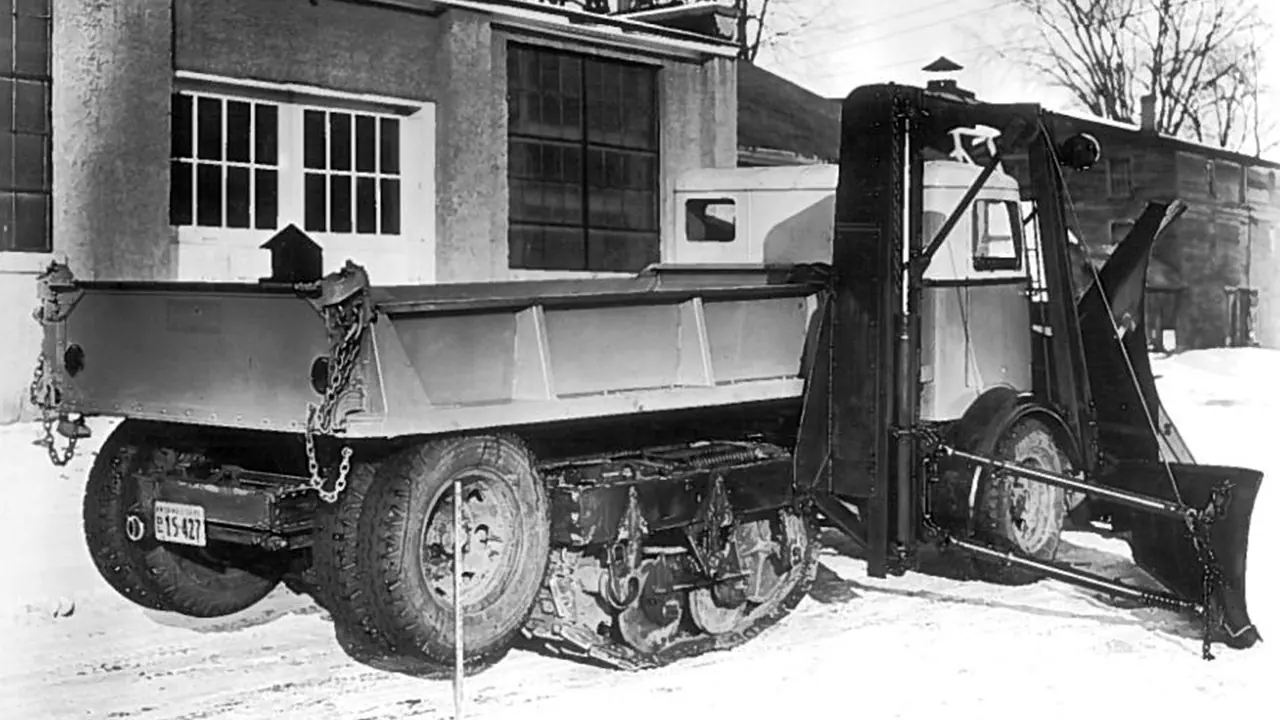
Ultimately, total production of the C-5 never exceeded 50 units. Roughly half of those were built during World War II under orders from the U.S. Navy. After the war, Linn returned to manufacturing its traditional vehicles, but demand for trucks with combined wheel-and-track systems remained weak. As a result, C-5 production ended in 1947.
The Linn company itself survived only a few years longer, quietly shutting down operations in 1952, bringing the story of one of America’s more unusual truck experiments to a close.
You may also be interested in the news:
Mansory Gives the Rolls-Royce Cullinan a Wild New Look With Carbon, Orange and 720 HP
Mansory has transformed the Rolls-Royce Cullinan into a dramatically styled luxury SUV with carbon fiber, orange accents and more power.
Ford Just Gave the 2027 F-150 a New Engine, Hands-Free Trailer Towing and a Carhartt Edition
Ford has updated the 2027 F-150 with a new V6, trailer-capable BlueCruise and a rugged Carhartt special edition.
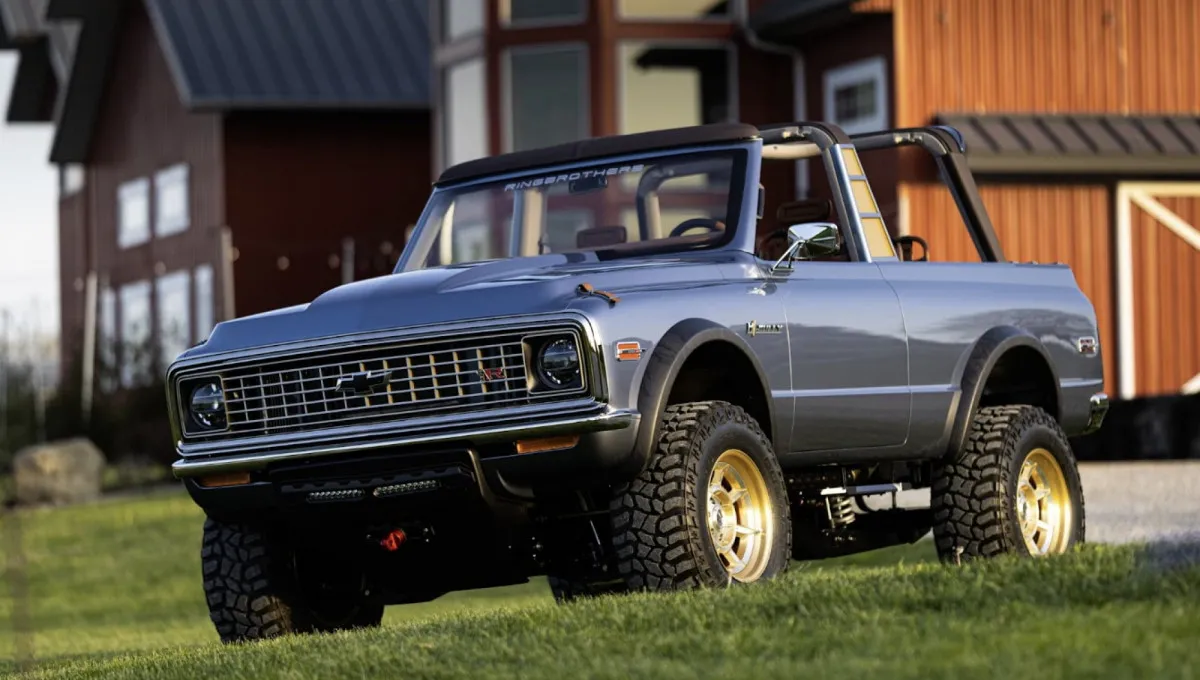
This 1,160-HP 1972 Chevrolet K5 Blazer Bully Is Going to Auction for the First Time
Ringbrothers’ 1972 Chevrolet K5 Blazer Bully, packing 1,160 horsepower, is heading to Mecum’s Nashville auction.
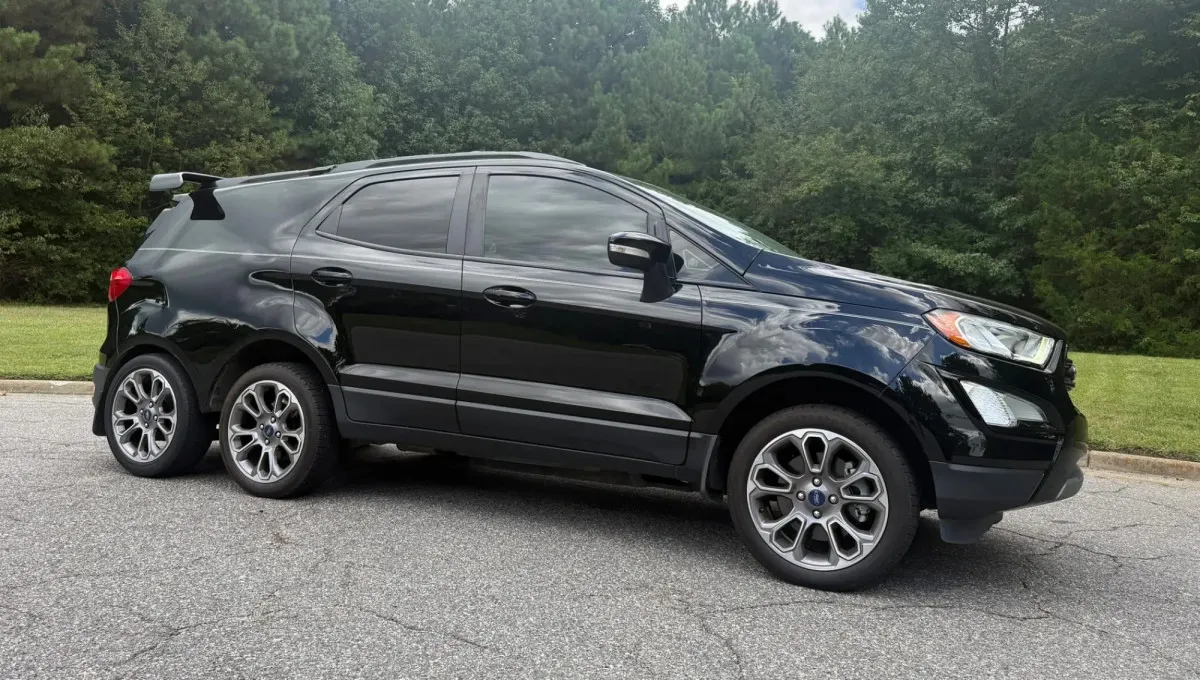
Someone Turned a Ford EcoSport Into a Six-Wheeled SUV — And It's Selling for Just $7,000
An extremely unusual six-wheeled conversion of Ford’s compact crossover has landed on the Bring a Trailer auction block.
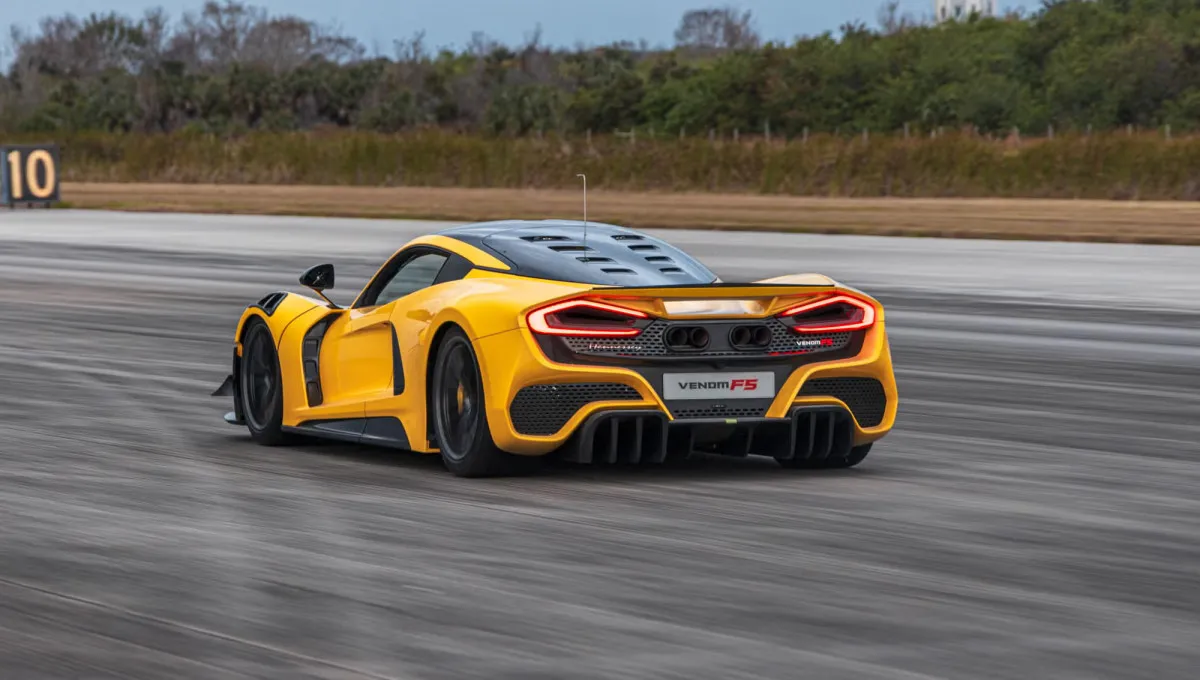
Experts Name the Two Most Powerful Production Sports Cars in the U.S.
American sports cars continue to impress with their horsepower, speed and innovative engineering, with two models standing above the rest.