
Why Letting a Car Sit Too Long in the Garage Can Actually Damage It
Long-term vehicle storage may protect a car outside, but it creates hidden mechanical risks over time.
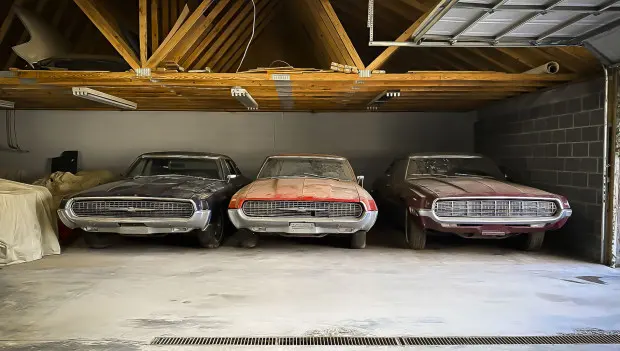
Most drivers eventually face a situation where a vehicle needs to sit unused for an extended period — whether during winter, a long trip, or simply because the car isn’t being driven regularly. At first glance, storing the vehicle in a garage seems like the safest possible option. And in many ways, it is. But keeping a car parked too long indoors can also create problems that many owners overlook.
Garage storage comes with several obvious advantages. A vehicle parked indoors is protected from harsh sunlight, heavy rain, snow, hail, and accidental damage from nearby traffic. It’s also easier to keep the battery charged or warm up the engine when the car is stored inside a covered space.
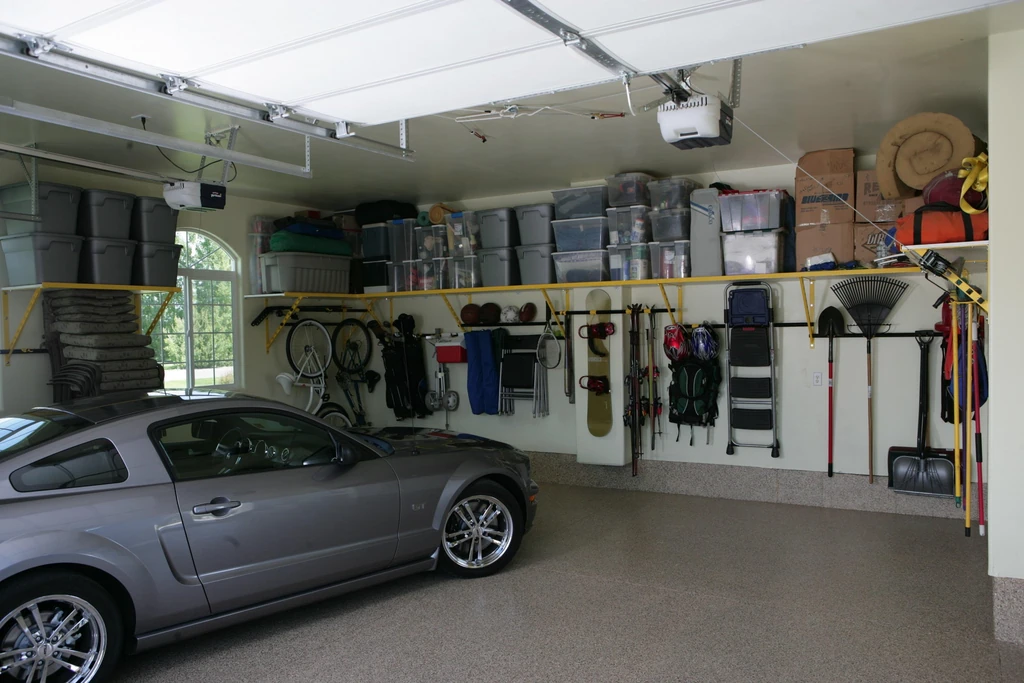
Still, long-term storage can quietly take a toll on a vehicle — even in a garage.
One of the biggest hidden threats is poor ventilation. If moisture builds up inside the garage and air circulation is limited, rust can begin forming much faster on body panels, suspension components, brake hardware, and exposed metal surfaces.
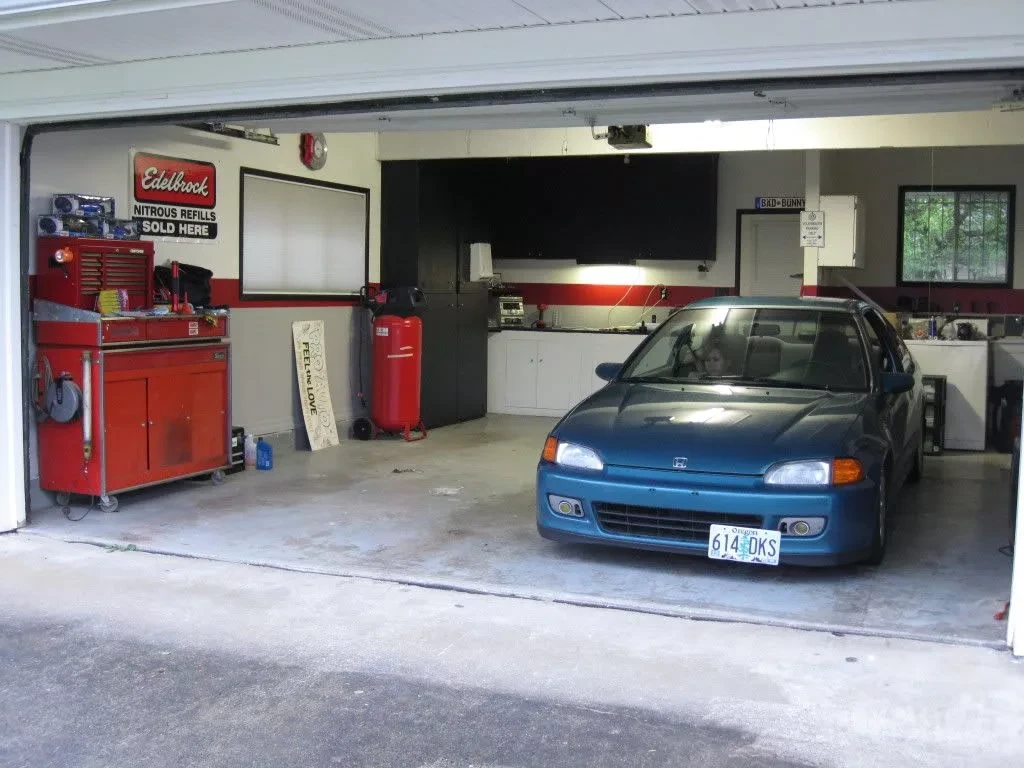
Rodents are another common issue. Mice and rats are notorious for chewing through wiring insulation, rubber hoses, and cabin materials, especially in vehicles left untouched for weeks or months at a time.
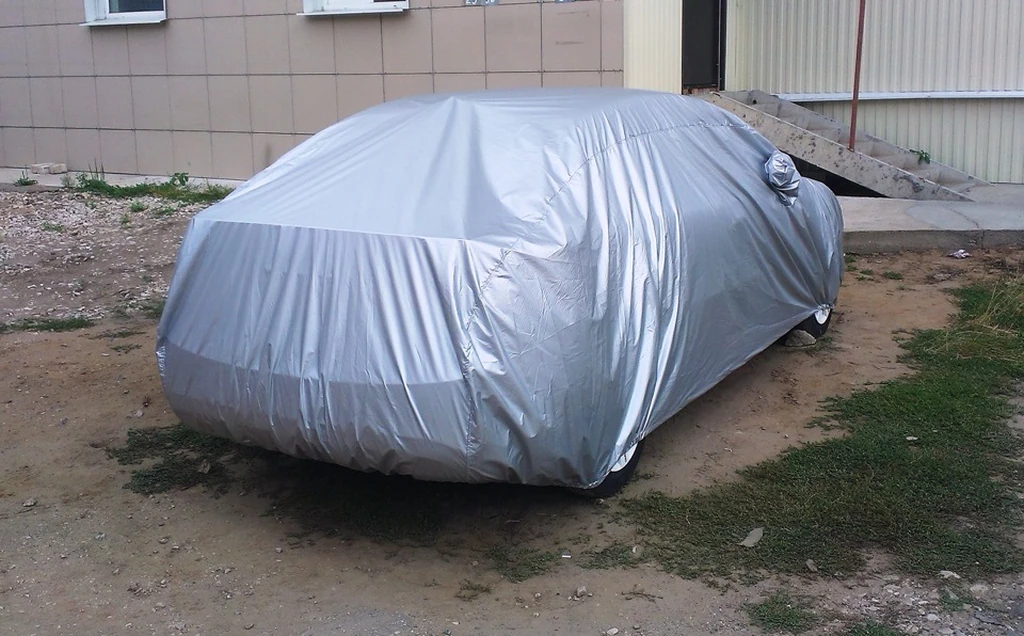
Even without pests or moisture problems, any car left sitting too long without proper preparation will slowly begin to deteriorate mechanically. In many cases, noticeable issues can begin appearing within a year if the vehicle isn’t periodically maintained or driven.
Rubber seals and gaskets gradually lose flexibility. Tires can develop flat spots from sitting in the same position too long. Brake rotors and pads begin collecting surface rust. Battery charge slowly drains away, while exposed electrical connections may start oxidizing.

Fluids also suffer during extended inactivity. Moisture can accumulate in motor oil and brake fluid, while gasoline gradually degrades over time, especially if the fuel tank sits partially empty.
That doesn’t mean outdoor storage is somehow better. A properly ventilated garage remains significantly safer for long-term storage than leaving a vehicle exposed to weather year-round. The key difference is maintenance.
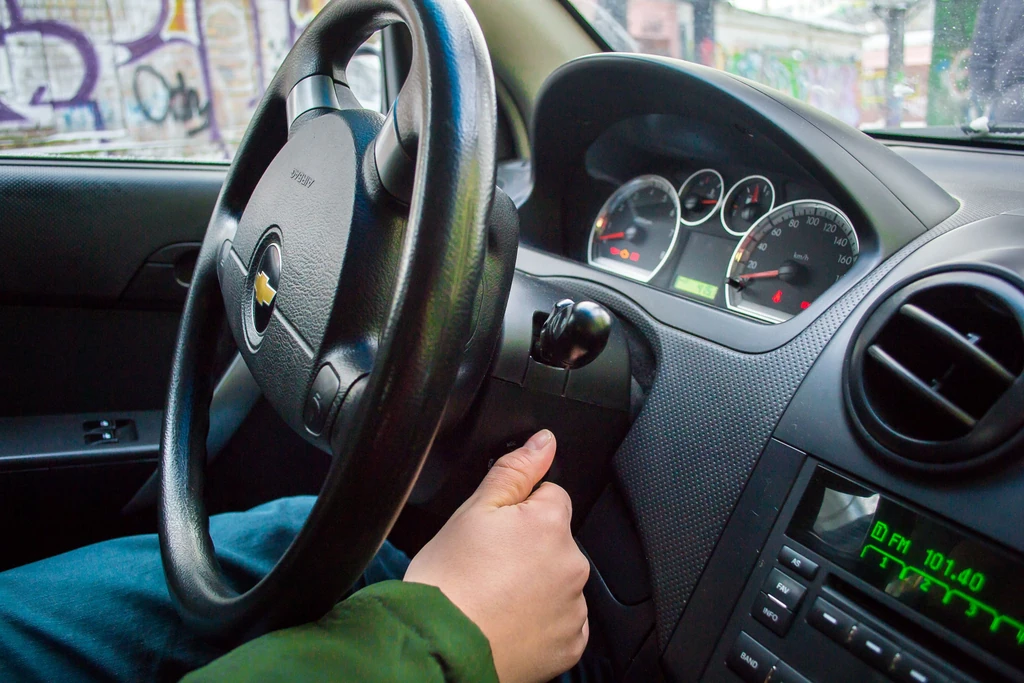
Experts recommend starting and driving a stored vehicle at least once every few weeks whenever possible. Even a short drive helps circulate fluids, recharge the battery, lubricate moving components, and prevent seals from drying out.
For owners planning to store a car long-term, creating stable conditions is critical. Clean, dry air, regular maintenance, and occasional movement can make the difference between preserving a vehicle and slowly damaging it without realizing it.
You may also be interested in the news:
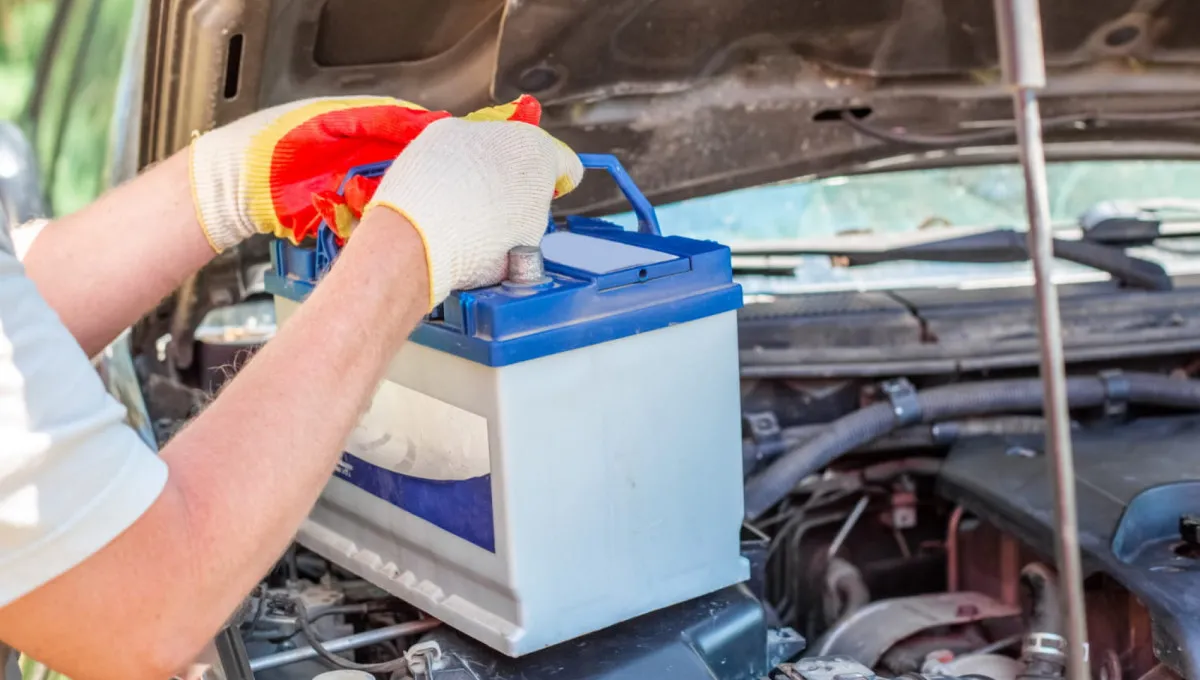
3 Signs Your Car Battery Is About to Die — And the Warning Signs Drivers Often Miss
A failing car battery rarely dies without warning, and these three signs can give drivers time to act before getting stranded.

Mansory Gives the Rolls-Royce Cullinan a Wild New Look With Carbon, Orange and 720 HP
Mansory has transformed the Rolls-Royce Cullinan into a dramatically styled luxury SUV with carbon fiber, orange accents and more power.
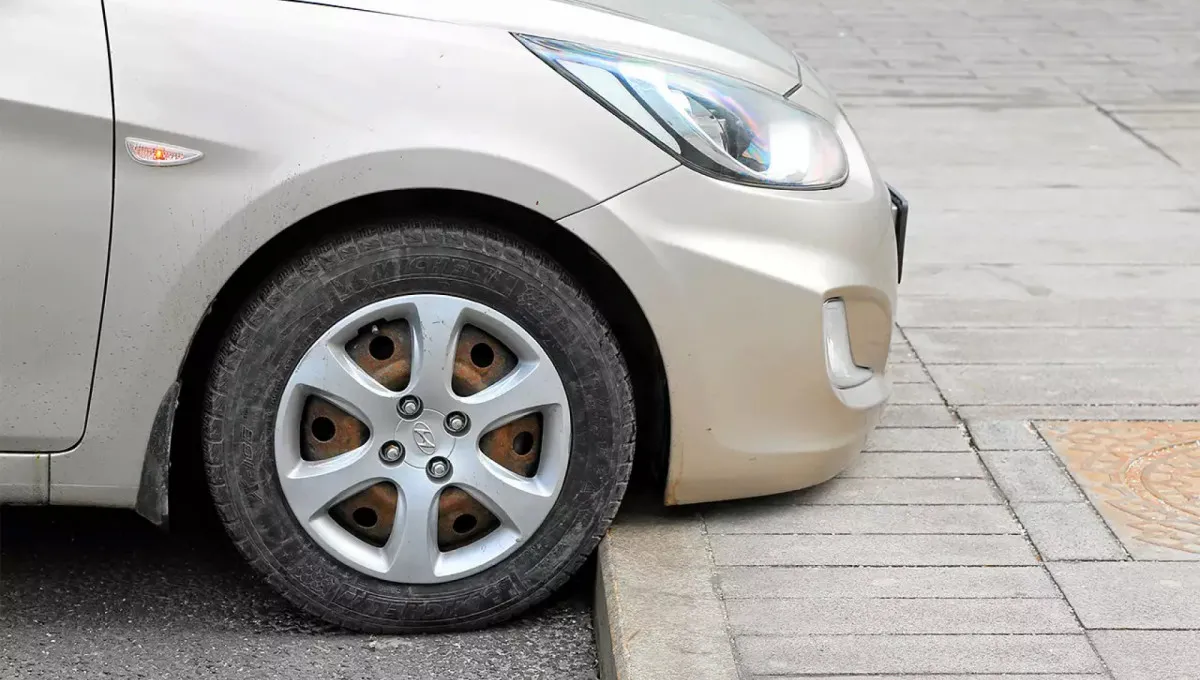
How to Park Close to a Curb Without Scratching Your Bumper: The Two-Mirror Method
How to Park Close to a Curb Without Scratching Your Bumper: The Simple Mirror Trick
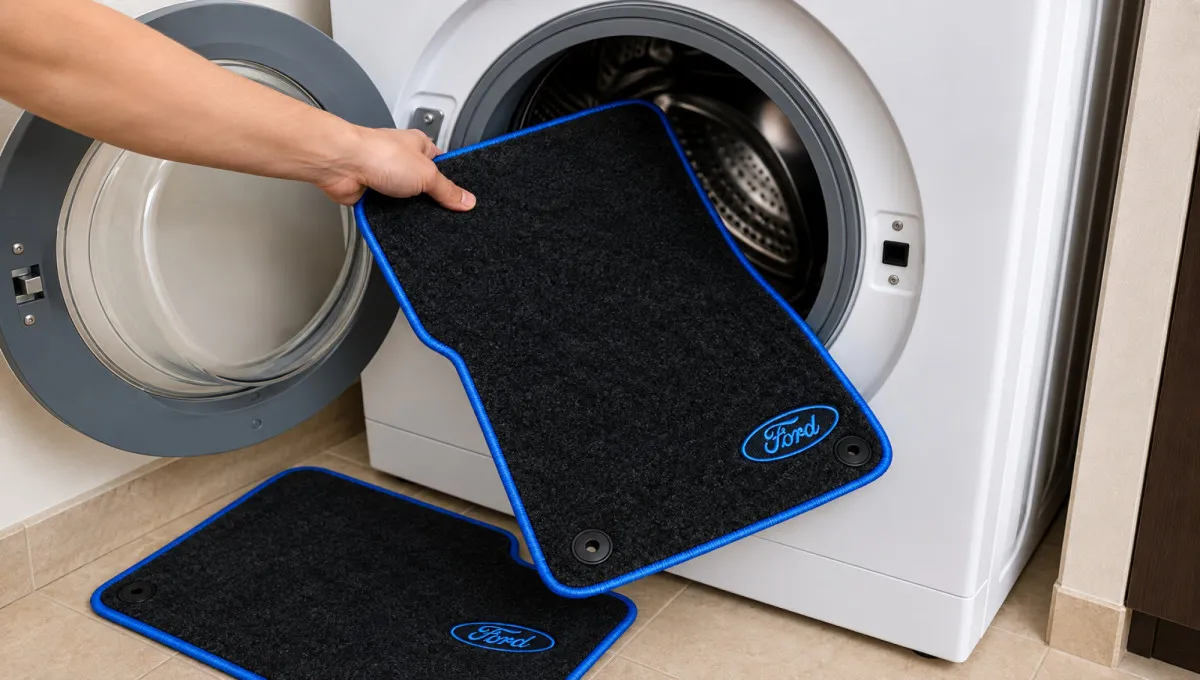
Can You Wash Car Floor Mats in a Washing Machine? Experts Have the Answer
Think Twice Before Washing Your Car Floor Mats in the Washing Machine, Experts Warn.
What Your Glove Box Says About You: See What Taurus, Virgo and Sagittarius Keep Inside
Every driver has their own glove-box habits. For Taurus, Virgo and Sagittarius, the items inside can reveal a surprising little story.