
Is Your Car Overheating? Warning Signs Every Driver Should Know and What to Do Next
Recognizing the early signs of engine overheating can help drivers avoid expensive repairs and unexpected breakdowns.
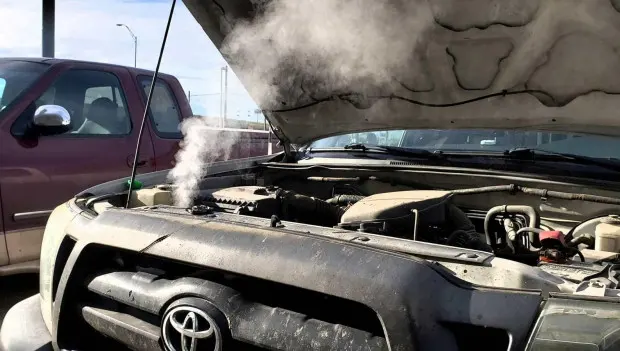
Engine overheating doesn't always begin with steam pouring from under the hood. More often, the engine simply starts running a little hotter than normal, and many drivers blame it on stop-and-go traffic, hot weather, or the air conditioning. But even a small increase in engine temperature can lead to serious damage. Ignoring the warning signs could turn a routine drive into a costly repair.
1. Rising Temperature Is the First Warning
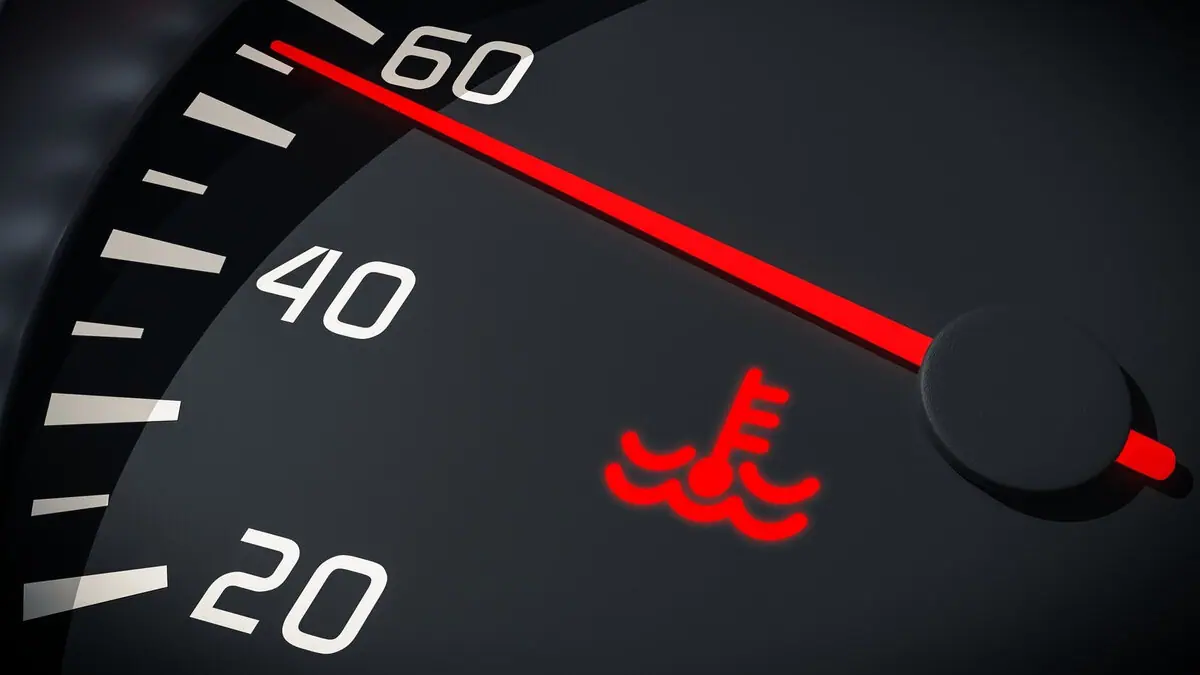
In a properly functioning vehicle, the engine temperature gauge should remain fairly steady. It's normal to see slight changes in heavy traffic or while climbing steep grades, but the needle shouldn't continue moving toward the red zone. If the temperature warning light comes on, an overheating message appears, or the gauge climbs higher than usual, don't ignore it.
Many newer vehicles no longer include a traditional temperature gauge. Instead, they rely on a warning light that may not illuminate until the engine is already overheating. During hot weather, pay attention to how often the cooling fan runs, whether you notice the smell of coolant, or if the vehicle begins losing power.
2. Why Engines Overheat
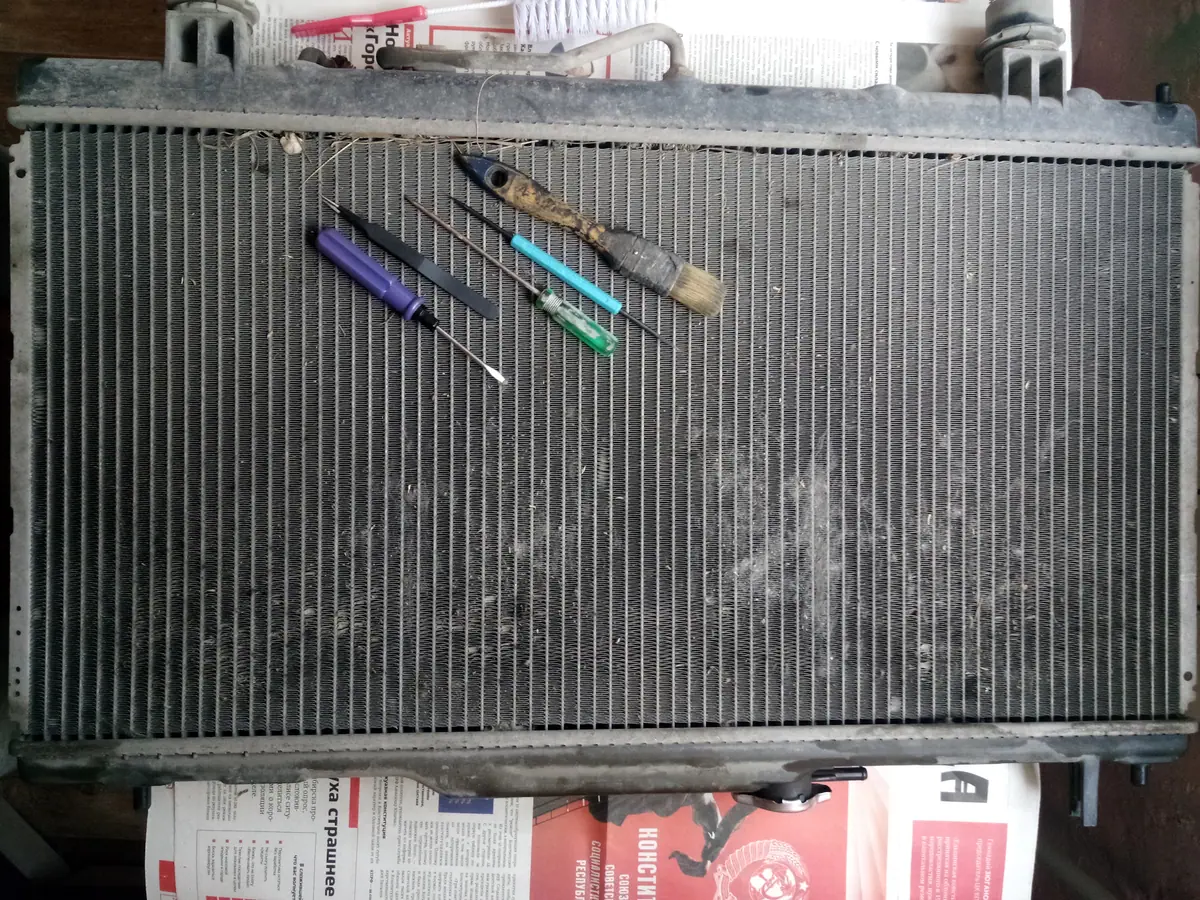
An engine's cooling system is straightforward. Coolant absorbs heat from the engine, passes through the radiator to release that heat, and then circulates back through the engine. If coolant can't circulate properly or the radiator can't remove enough heat, engine temperatures begin to climb.
Several problems can cause overheating, but the most common are coolant leaks from damaged hoses, a clogged radiator, an inoperative cooling fan, a stuck thermostat, a failing water pump, or trapped air in the cooling system. Sometimes the pressure cap on the coolant reservoir fails to maintain system pressure, allowing coolant to boil at a lower temperature. Older vehicles may also suffer from internal corrosion, debris buildup, or coolant that hasn't been replaced on schedule.
3. Steam, Odors, and Other Warning Signs
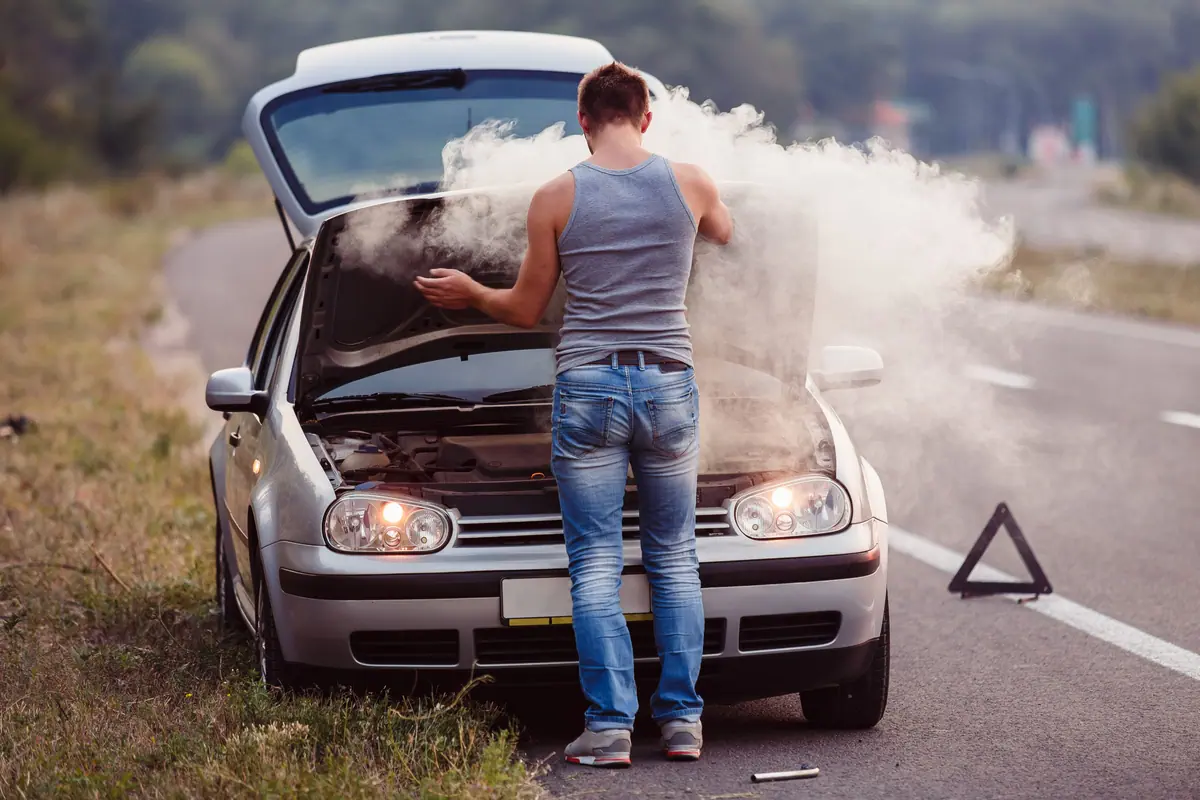
Steam coming from under the hood is usually a late warning. It often means coolant is already boiling or escaping from the system. If you open the hood, do so carefully, since hot steam can cause serious burns.
A sweet smell often indicates leaking coolant that's contacting hot engine components. A burning odor should also be taken seriously, as excessive heat can affect engine oil, wiring, plastic parts, and drive belts. Some drivers may notice rough engine operation, reduced performance, hesitation, or knocking. If any of these symptoms appear, pull over instead of hoping the problem will go away.
4. What to Do Immediately
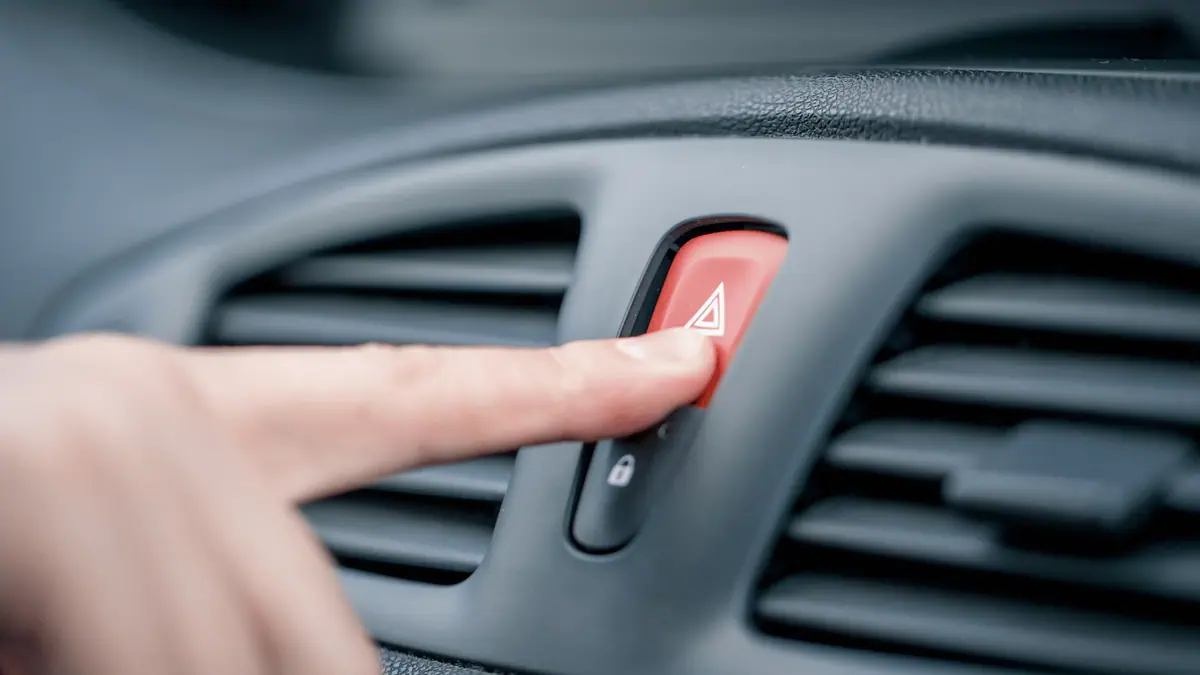
If engine temperature starts rising, turn off the air conditioning. If you need to drive a short distance to a safe location, switch the heater to its highest setting and roll down the windows. The cabin will become uncomfortable, but the heater core helps pull heat away from the engine.
Once it's safe, pull over, turn on your hazard lights, and shut the engine off. Never remove the radiator cap or coolant reservoir cap while the engine is hot. The cooling system remains under pressure, and boiling coolant can spray out unexpectedly. Wait at least 20 to 30 minutes before checking anything, and even longer if outside temperatures are extremely high.
5. Should You Add Coolant?
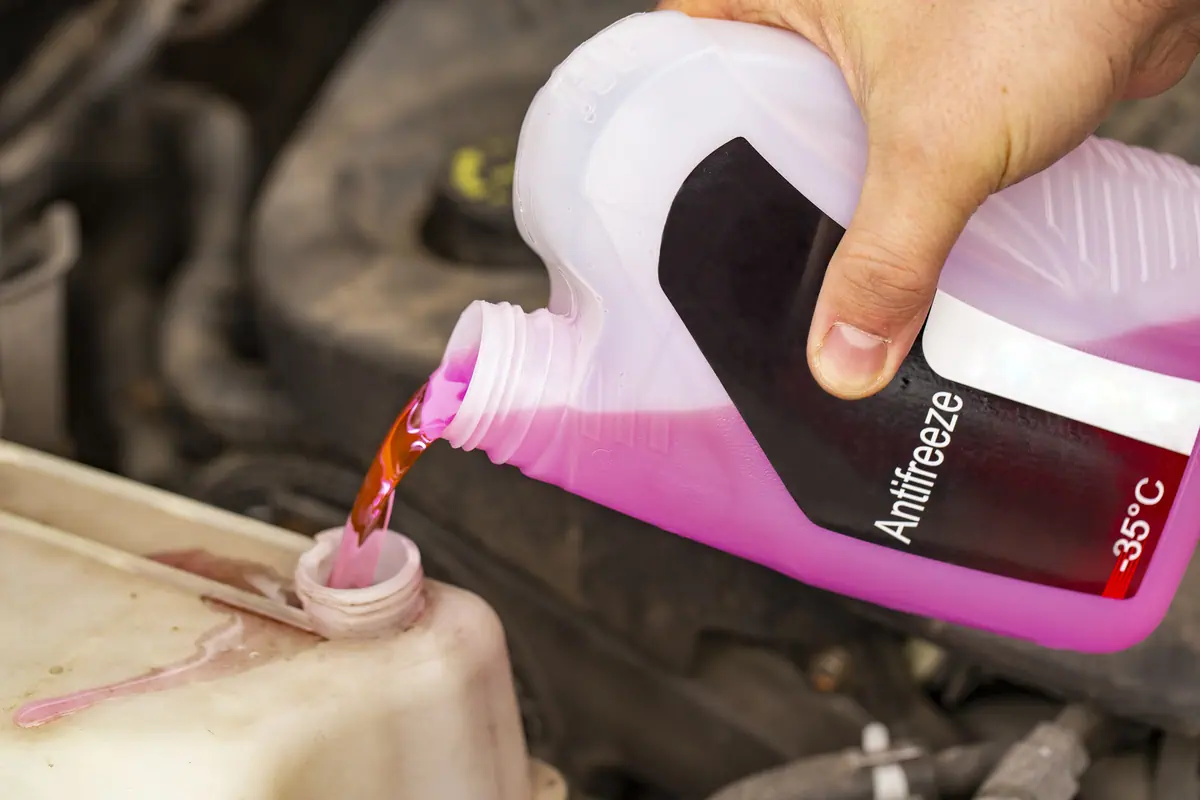
After the engine has cooled completely, check the coolant level in the reservoir. If it's below the minimum mark, add the correct coolant specified for your vehicle. In an emergency, clean water can be used temporarily to reach a repair shop, but the cooling system should later be refilled with the proper coolant mixture.
Never pour cold water into an overheated engine. The sudden temperature change can damage metal components and engine gaskets. If coolant immediately leaks onto the ground after topping it off, the system has a leak and continuing to drive could cause severe engine damage.
6. When It's Time to Call a Tow Truck
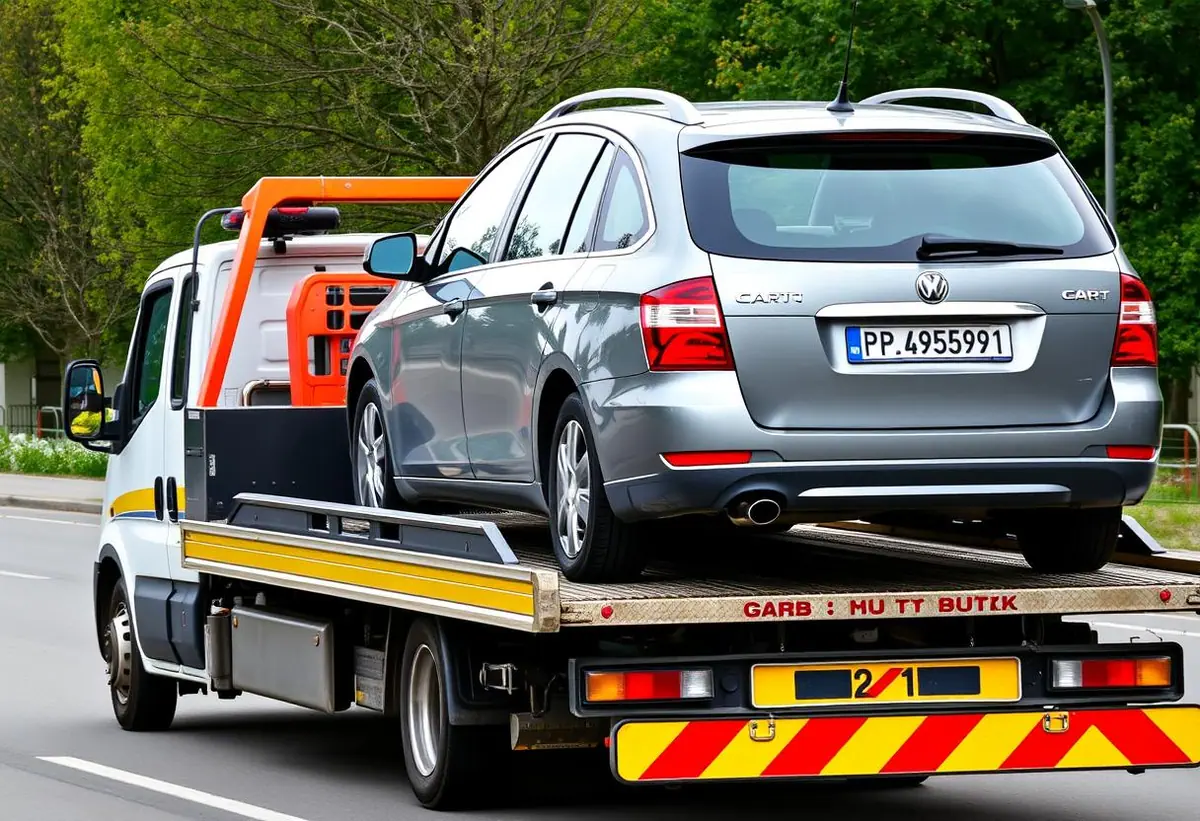
Some situations aren't worth risking. If the engine overheats again shortly after cooling down, steam continues coming from under the hood, coolant is leaking beneath the vehicle, the heater blows cold air while the engine is hot, the coolant reservoir bubbles continuously, thick white smoke comes from the exhaust, or the engine oil appears milky, it's best to stop driving.
These symptoms may indicate a serious mechanical failure rather than a minor cooling system issue. Severe overheating can damage the head gasket, cylinder head, pistons, and turbocharger on turbocharged engines. Trying to limp the vehicle home often leads to a much more expensive repair.
7. What to Inspect After the Engine Cools
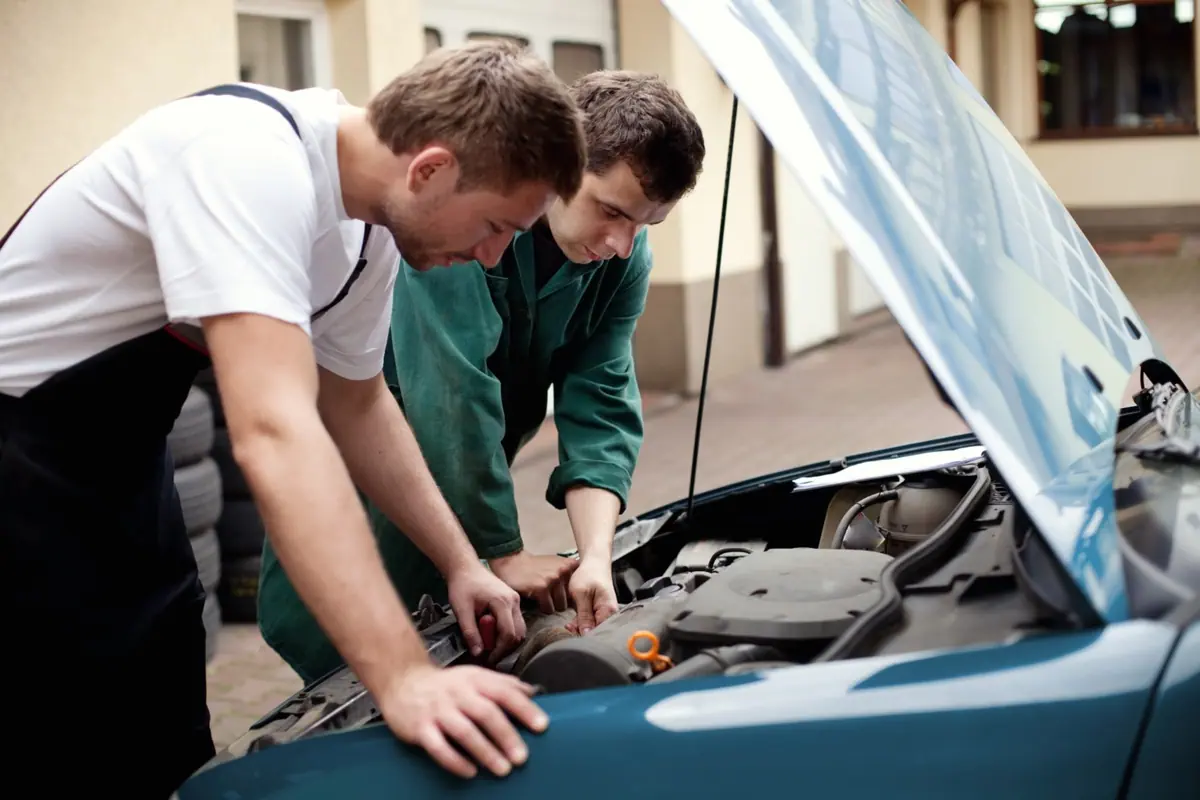
Start with a visual inspection. Check the coolant reservoir, hoses, radiator, and the ground beneath the vehicle. Look for leaks, cracked hoses, loose clamps, or debris blocking airflow through the radiator. If the cooling fan never turns on even when the engine is hot, the problem could involve the fan motor, relay, fuse, wiring, or temperature sensor.
A quick inspection, however, isn't a substitute for a professional diagnosis. A repair shop can pressure-test the cooling system, inspect the thermostat, water pump, radiator, pressure cap, cooling fans, and check for combustion gases in the coolant. That last test is especially important if the vehicle has overheated more than once.
8. How to Prevent Engine Overheating
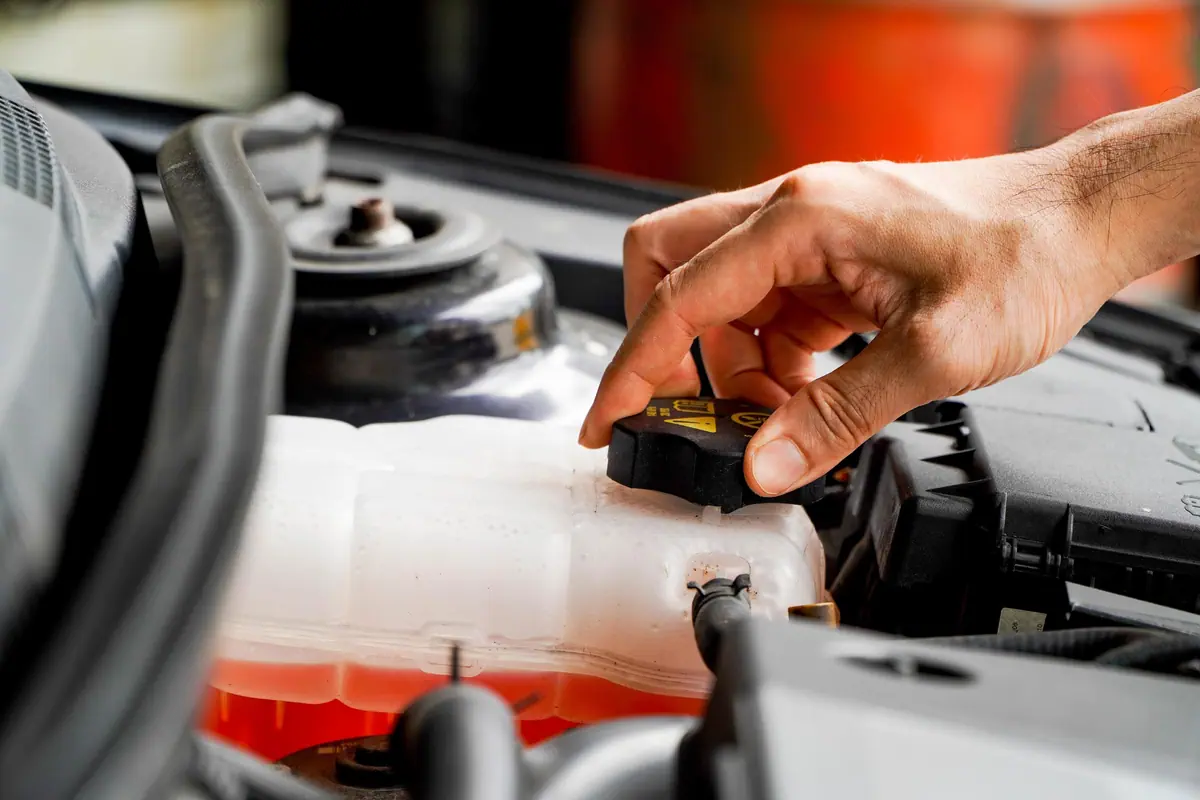
Before summer arrives, inspect the coolant level and condition, examine radiator hoses, verify the pressure cap is working properly, and make sure the radiator stays clean. Dirt, leaves, and cottonwood fluff often collect between the engine radiator and the A/C condenser, reducing cooling efficiency even when the front of the vehicle appears clean.
Avoid blocking airflow through the grille with heavy aftermarket mesh, spinning the tires for long periods in sand or mud, towing heavy loads in extreme heat without preparation, or ignoring even a single episode of elevated engine temperature. A healthy engine may run warmer under heavy loads, but it should never overheat.
You may also be interested in the news:
Your Brakes Squeal Every Morning? Here’s When That Noise Is Normal—and When It Could Mean Trouble
That sharp brake squeal first thing in the morning is often harmless—but persistent noise can point to worn or damaged brake components.
7 Car Repairs Mechanics Secretly Hate Taking on — Here’s Why Shops Say “No”
A mechanic explains why some seemingly routine repairs can become expensive nightmares for both shops and car owners.
Your Car May Be Burning More Gas This Fall — Here’s the Surprising Reason Why
Colder temperatures, longer warm-up times and denser air can all cause your car to use more fuel in the fall.
The “Gas-Saving” Tricks That Could Destroy Your Car — And What Drivers Should Do Instead
Some fuel-saving tricks can backfire, costing drivers far more in repairs than they ever save at the gas pump.

328,000 Jeep Grand Cherokees Recalled Over a Hidden Crash Risk — Owners Should Act Now
Chrysler is recalling more than 328,000 Jeep Grand Cherokees over a rear coil spring problem that could increase the risk of a crash.