
5 Fascinating Brazilian Cars Most Americans Have Never Heard Of
Brazil produced several remarkable sports cars that remain largely unknown outside South America despite their unique engineering.
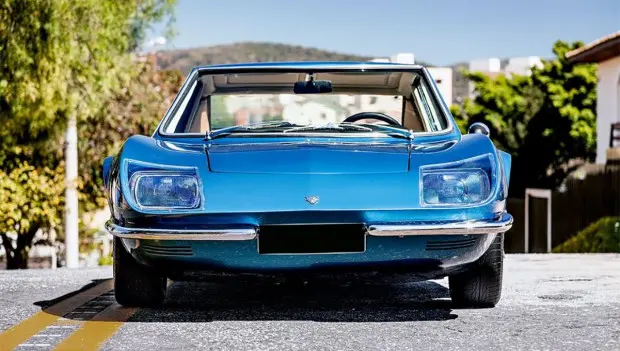
Many American enthusiasts know Brazil as one of the world's largest automotive manufacturing hubs, but far fewer are familiar with the country's homegrown performance cars. Major global automakers have operated engineering and production facilities there for decades, while local manufacturers developed distinctive sports cars tailored to the domestic market. Brazil's ban on imported vehicles beginning in the mid-1970s also encouraged the creation of unique models that remain little known outside the region.
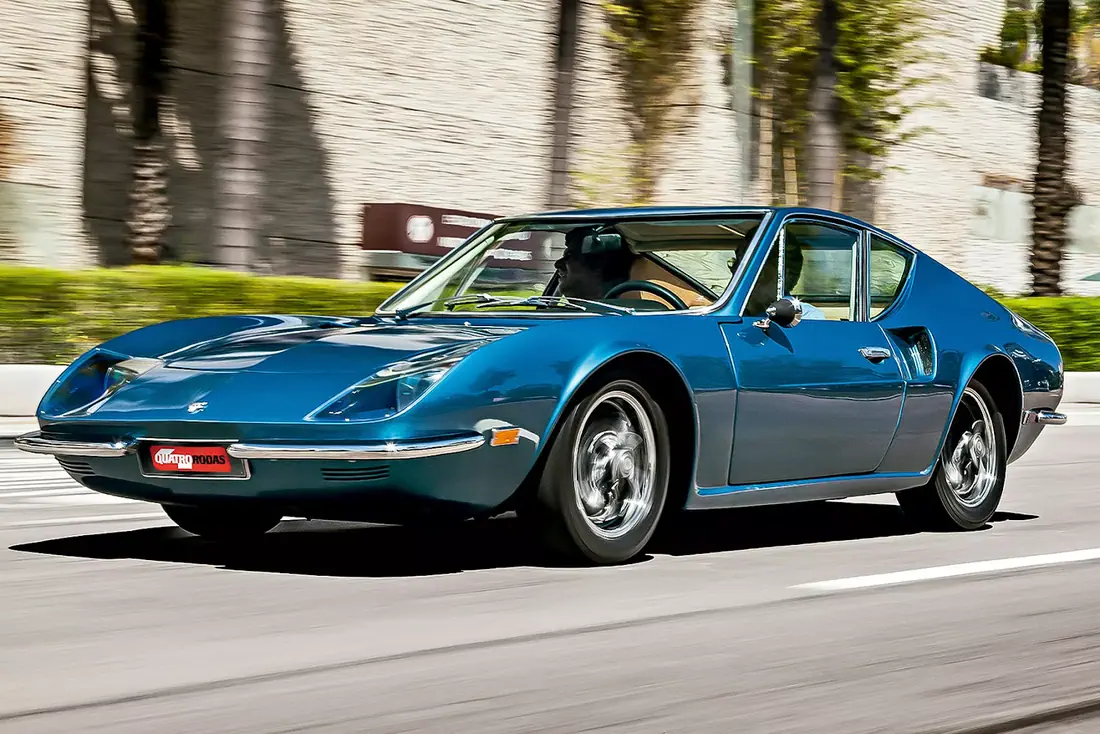
Puma: Brazil's Best-Known Sports Car
Puma is widely regarded as Brazil's most successful sports car brand. Its story began when DKW's Brazilian division built a lightweight race car for its factory racing team. Featuring a fiberglass body and a three-cylinder two-stroke engine, the prototype went on to win at Interlagos.
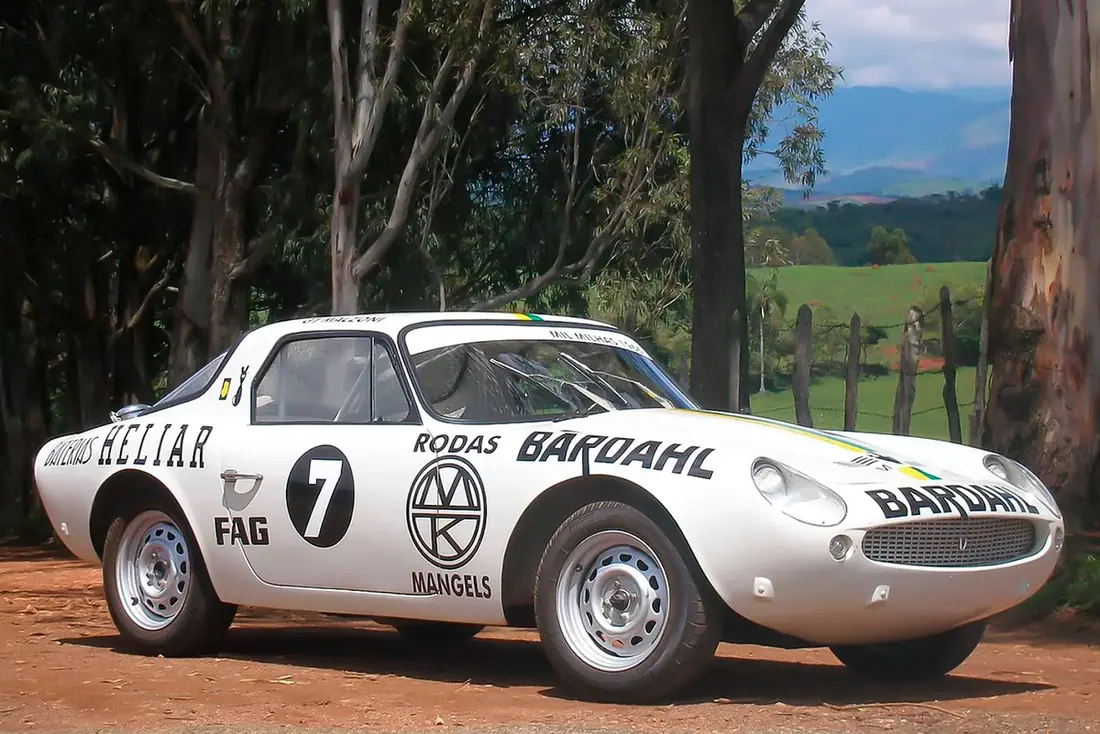
Production models followed in 1966. Later versions adopted mechanical components from the Volkswagen Karmann Ghia, including its rear-mounted engine and Beetle-based platform.
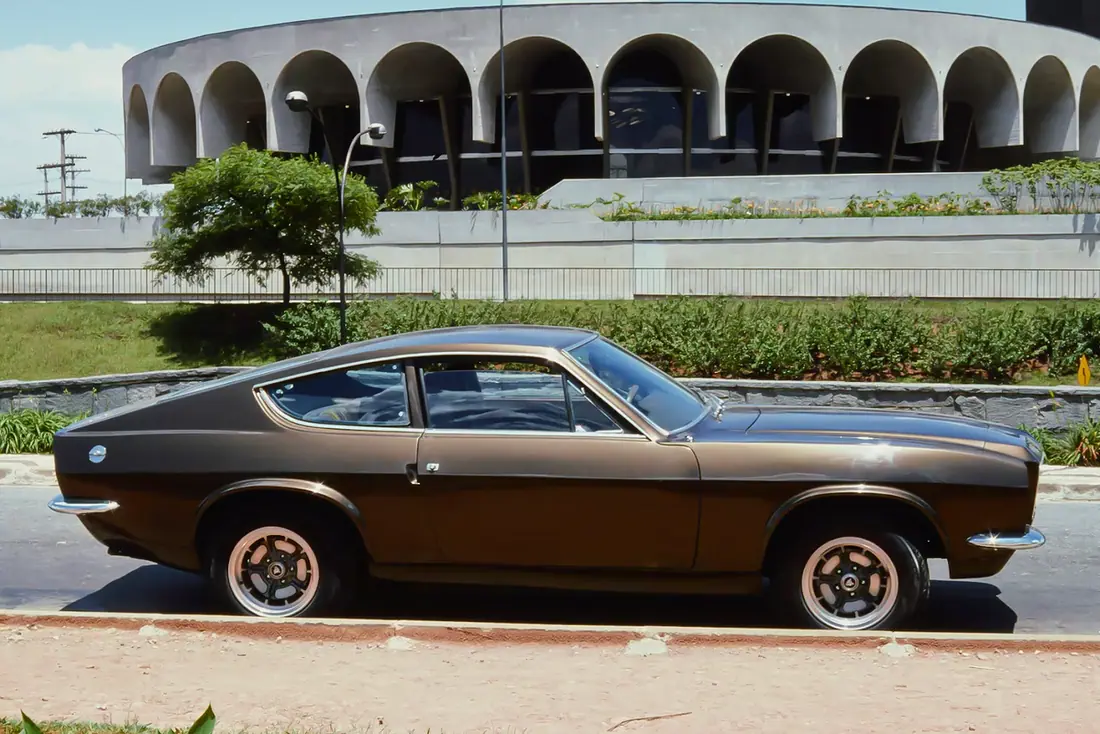
Between 1973 and 1984, Puma introduced the GTB, a larger grand touring coupe inspired by the styling of American muscle cars. Powered by a 4.1-liter inline-six engine, the GTB was produced in a little more than 1,500 units.
Brasinca 4200GT Uirapuru
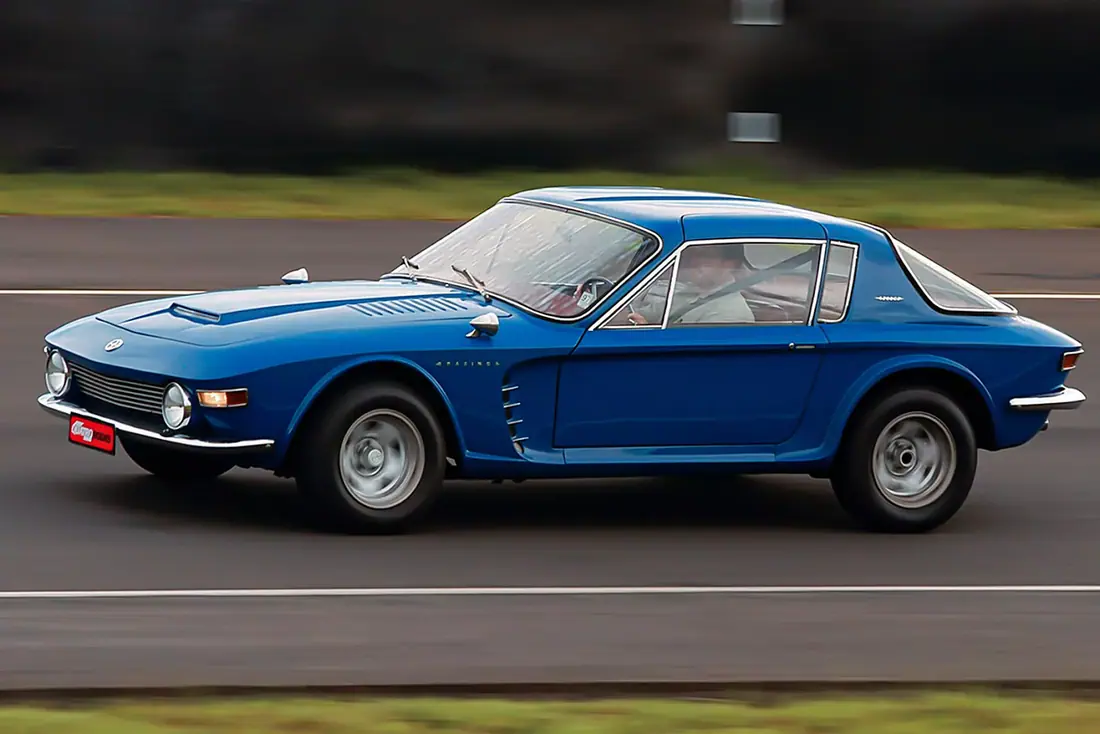
Only 78 examples of the Brasinca 4200GT Uirapuru were built between 1964 and 1967. While its specifications were respectable rather than groundbreaking, the car became one of Brazil's most memorable sports cars.
Its key specifications included:
- Chevrolet-sourced engine
- 166 horsepower
- Limited-slip differential
- Four-speed manual transmission
- Top speed of approximately 121 mph
- 0–62 mph in 10.4 seconds
Its impressive performance during road testing earned the Uirapuru significant recognition from Brazil's leading automotive publication, Quatro Rodas, in 1965.
Bianco S: The Master of Illusion
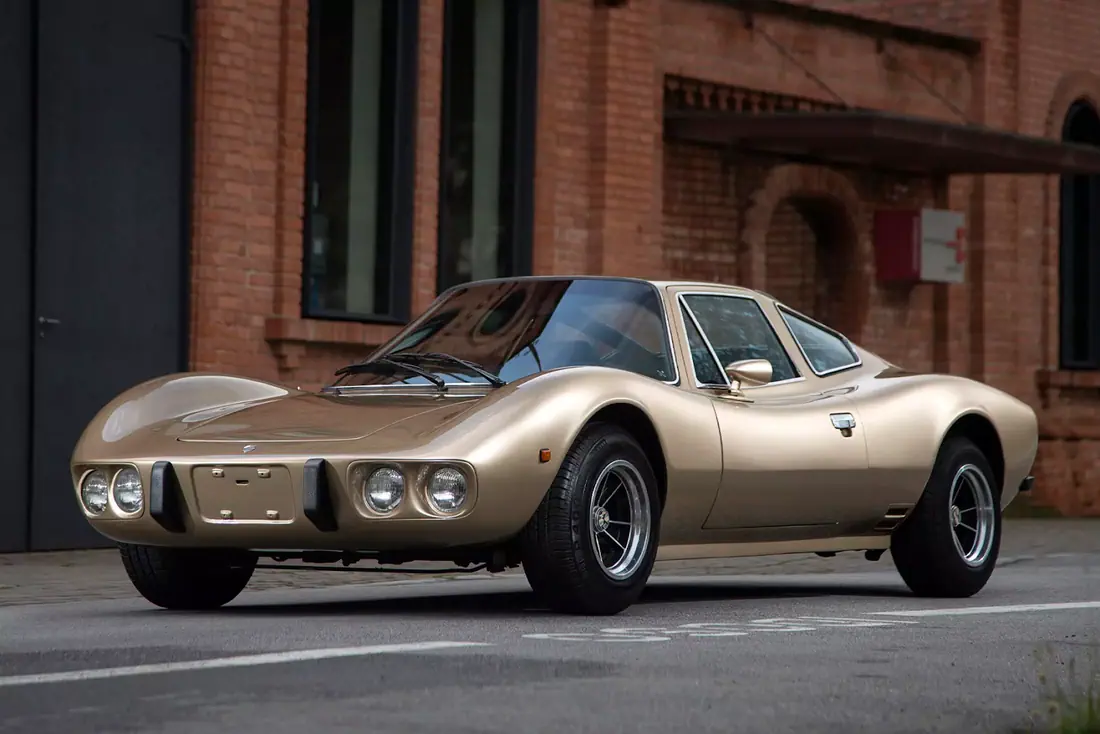
The Bianco S was designed by a racing engineer determined to capture the appearance of an exotic sports car on a modest budget. Its naturally aspirated 1.6-liter engine, equipped with dual carburetors, produced just 65 horsepower.
Despite a top speed of only about 93 mph, its sleek styling made it look considerably faster than its performance suggested.
Farus: Brazil's Sports Car With American Ambitions
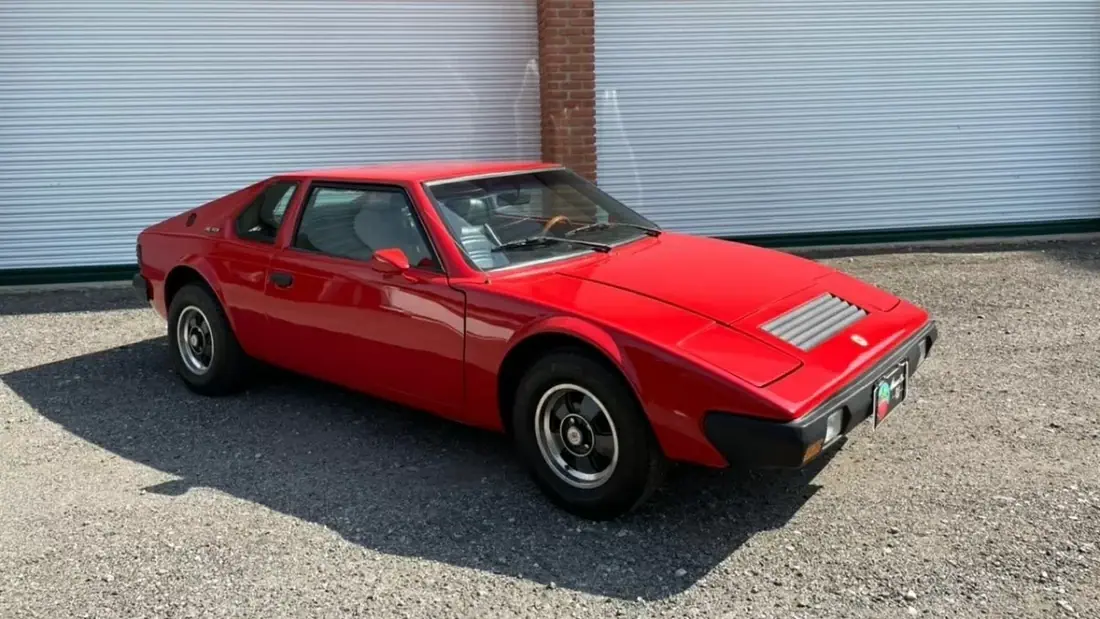
The first Farus model used a 1.3-liter Fiat engine producing 72 horsepower. Its lightweight fiberglass body helped keep curb weight to roughly 1,760 pounds, but performance remained modest.
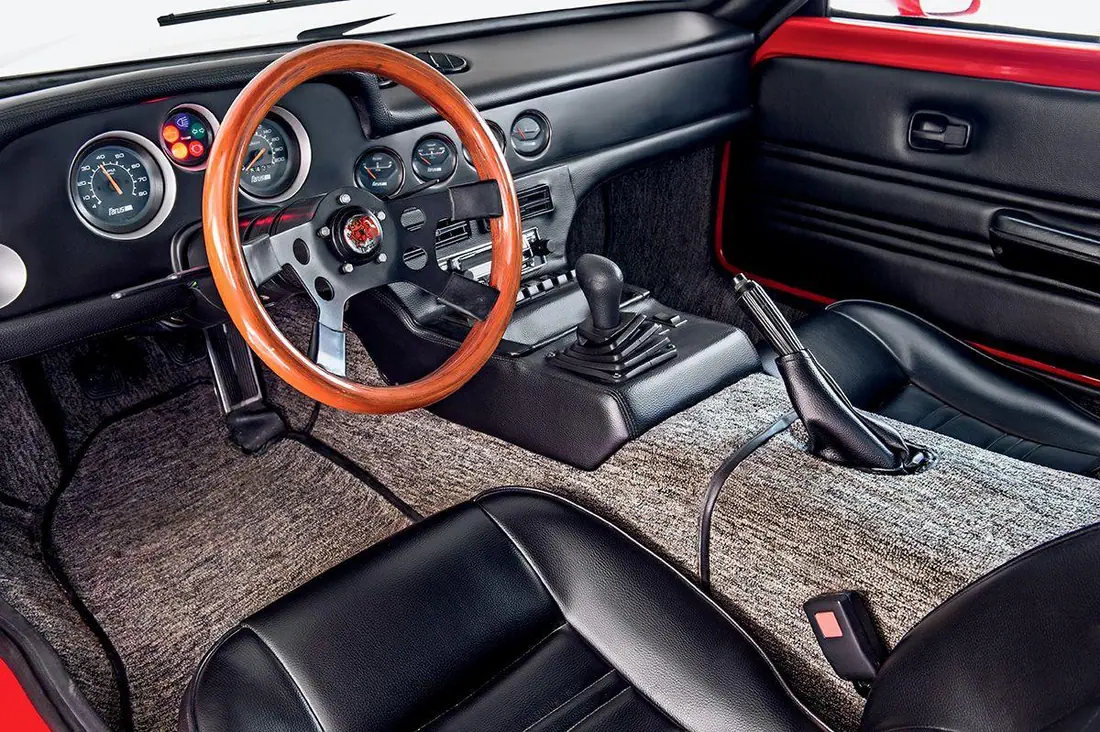
Later versions addressed that shortcoming with significant upgrades:
- Chrysler Turbo I turbocharged 2.2-liter four-cylinder engine
- 146 horsepower
- Five-speed manual transmission
- Overall length: 157.5 inches
- Width: 66.1 inches
- Height: 43.3 inches
- Wheelbase: 94.5 inches
- Curb weight: 1,650–1,830 pounds
A leather interior and wood-rim steering wheel gave the Farus a premium feel for its era. The company even planned to sell the car in the United States, reportedly collecting more than 1,500 preliminary orders after an auto show debut. Those plans ultimately fell through because the company lacked the funding needed to expand production.
Hofstetter Turbo: Brazil's Futuristic Super Coupe
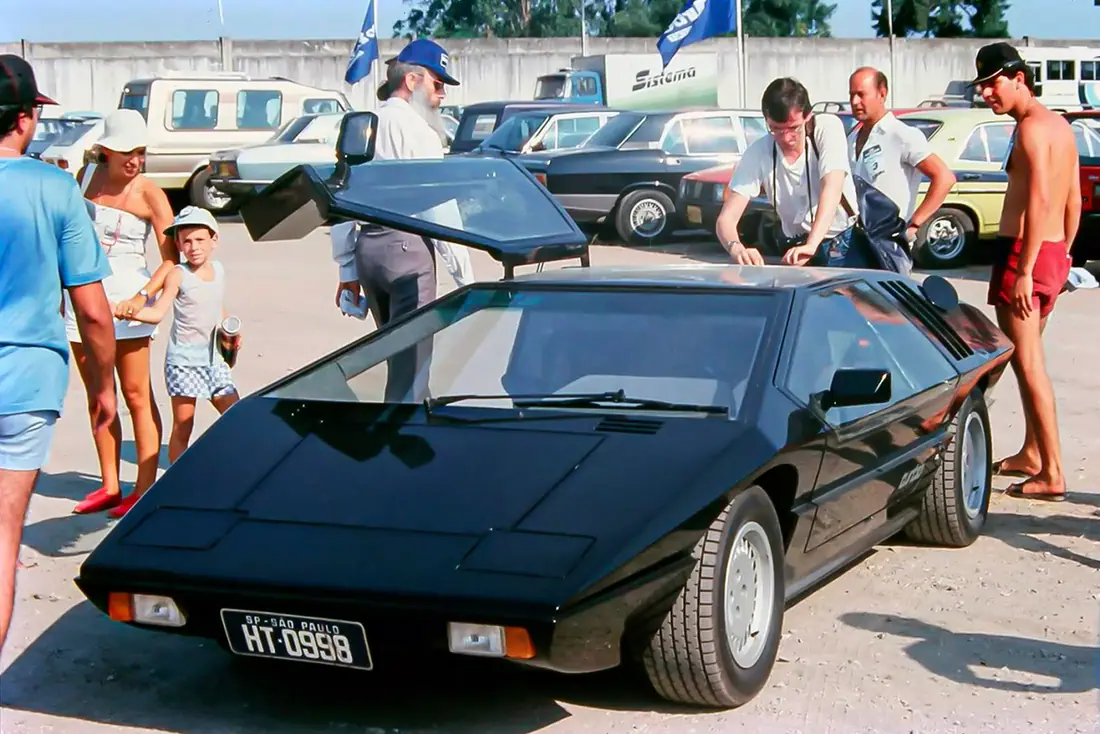
The Hofstetter Turbo stood out with dramatic wedge-shaped styling and upward-opening doors that gave it an exotic appearance. The most powerful versions featured a turbocharged 2.0-liter four-cylinder engine producing 210 horsepower.
Thanks to its lightweight construction, the Hofstetter Turbo was capable of reaching a top speed of approximately 149 mph, making it one of the fastest production cars ever developed in Brazil.
You may also be interested in the news:
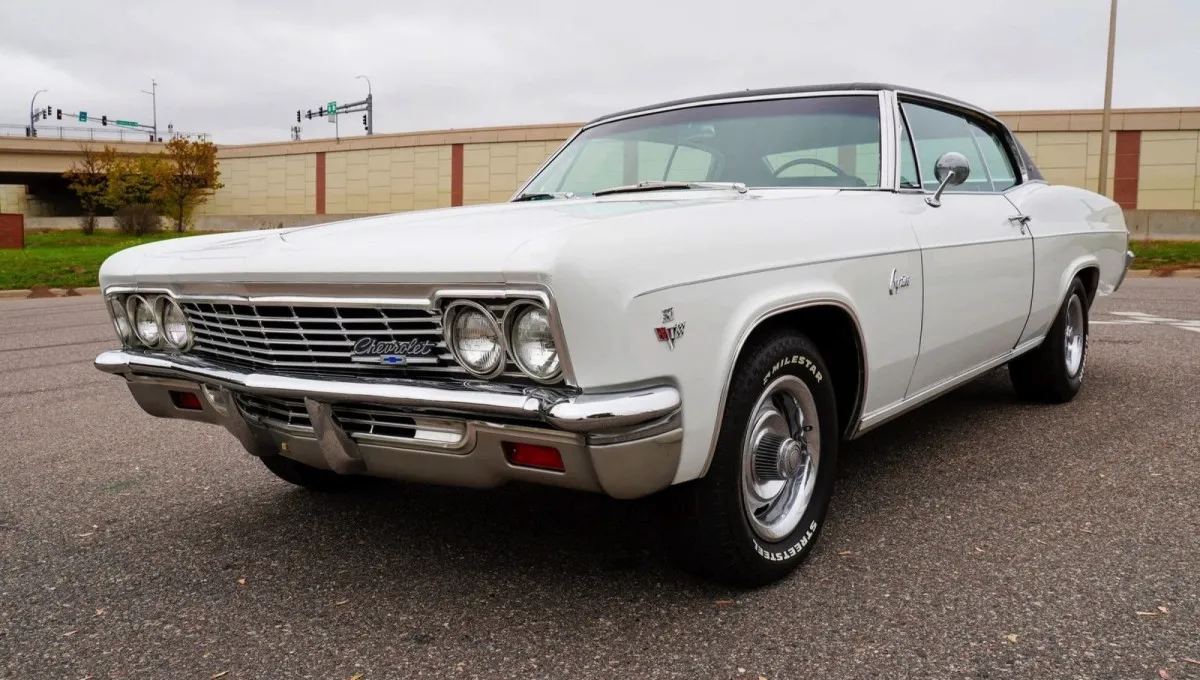
Restored 1966 Chevy Caprice Looks Showroom-Fresh, but Those 13K Miles Don't Tell the Whole Story
This restored 1966 Chevrolet Caprice looks road-ready, but its 13,000-mile odometer reading comes with an important catch.
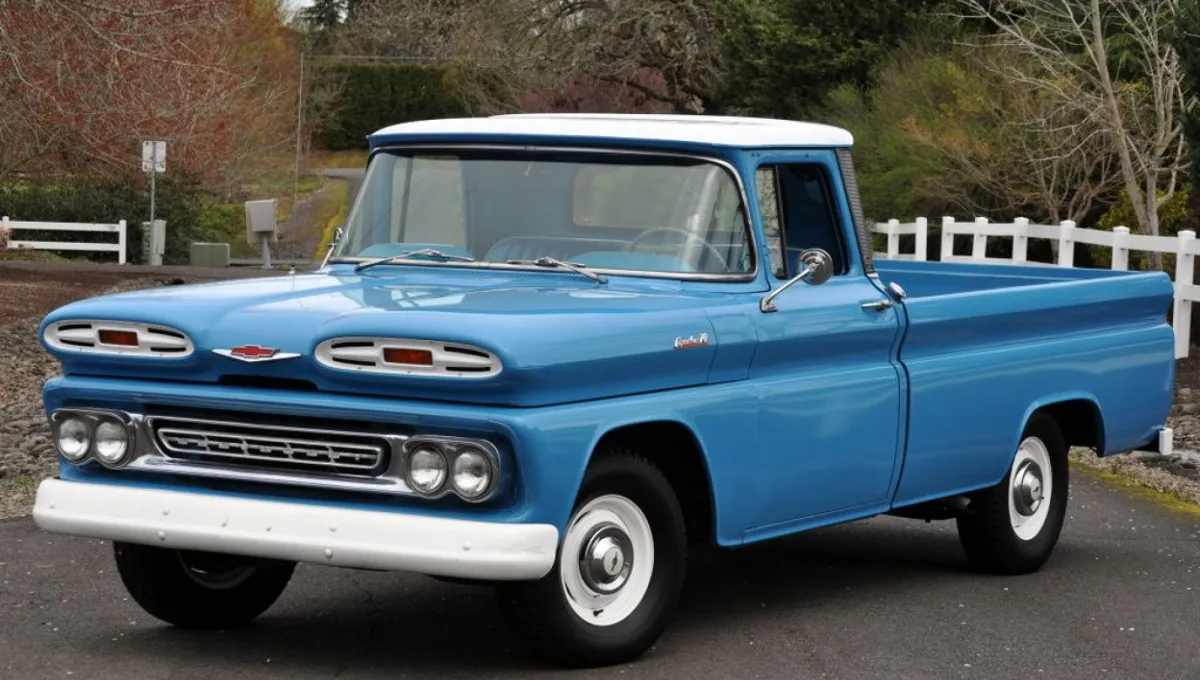
The 1960 Chevrolet Pickup: The Biggest Thing to Happen to Trucks Since Trucks Were Invented
Chevrolet unveiled an all-new pickup for 1960, calling it “the most important news since trucks came into being!”
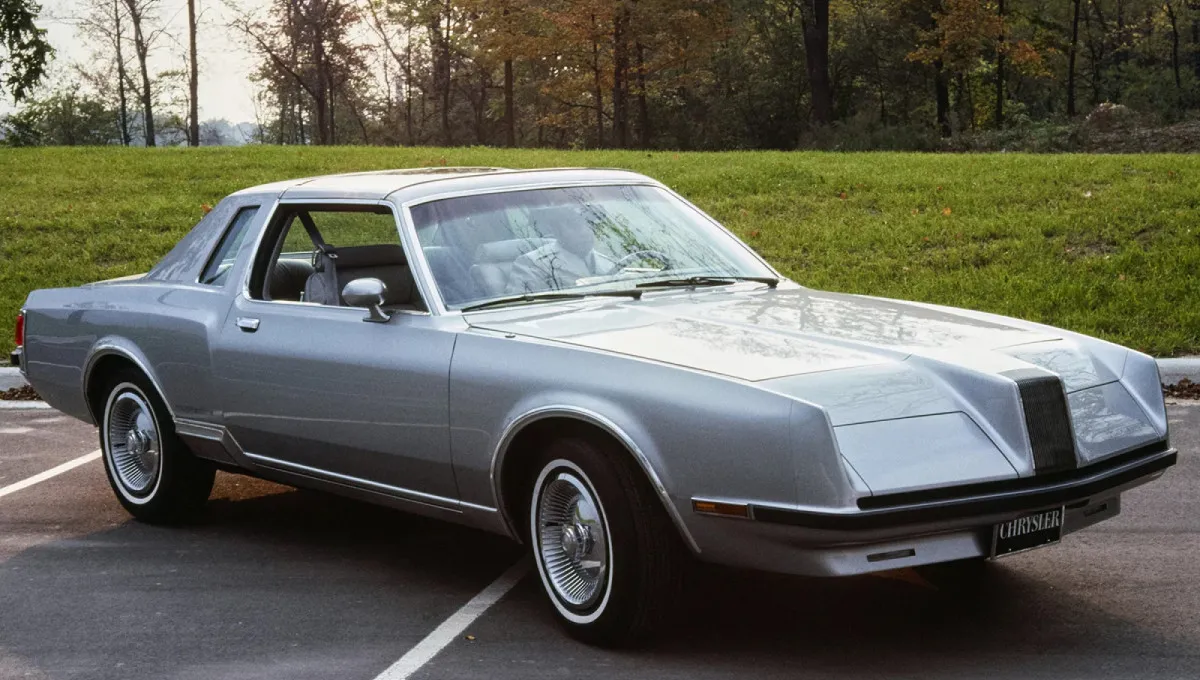
The 1977 Chrysler LeBaron Turbine: The Final Chapter of a 25-Year Experiment
Chrysler's 1977 LeBaron Turbine concept showcased decades of gas turbine research, but financial troubles ultimately brought the ambitious program to an end.

These 8 Cars Went Over 1 Million Miles — They Just Don’t Build Them Like They Used To
Some cars outlast generations of owners, proving that careful maintenance and durable engineering can deliver extraordinary mileage.
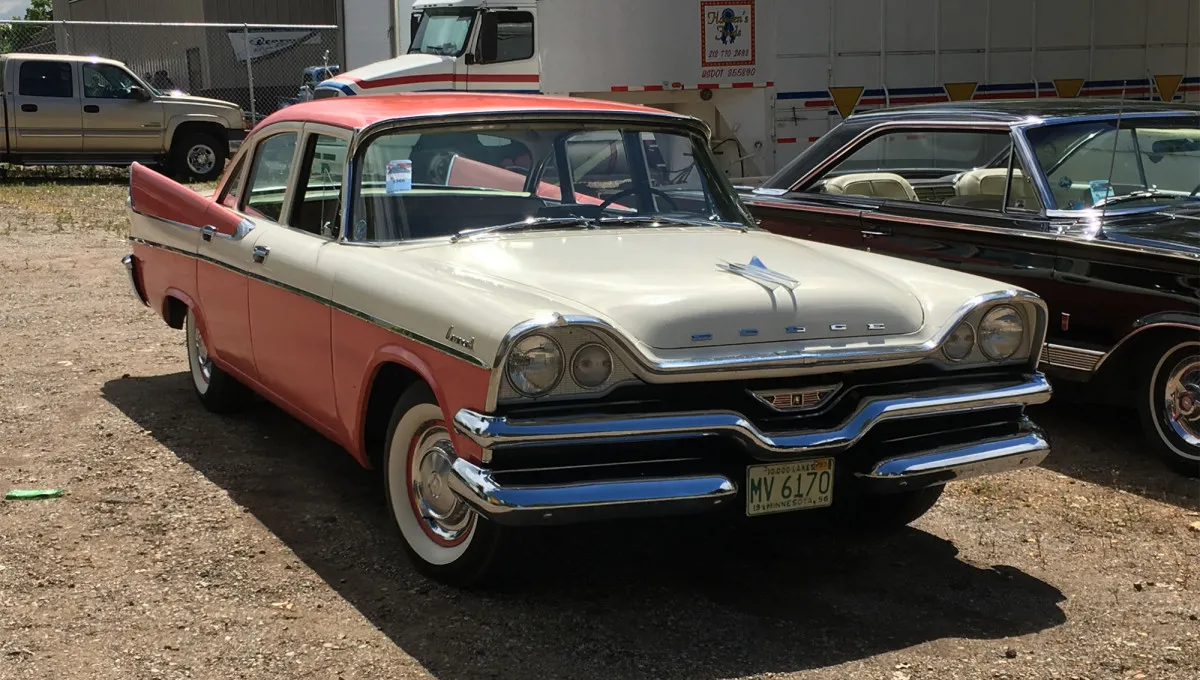
The 1957 Dodge: How “Autodynamics” Shaped One of Detroit’s Boldest Designs
The 1957 Dodge Looked Like a Dream Car, but Its Biggest Flaw Was Hiding Beneath the Surface.