
US Researchers Find a Smarter Way to Improve Electric Motors With Less Wear and More Power
Researchers at Oak Ridge National Laboratory have developed a new electric drive architecture that could boost motor durability while reducing stress on critical power electronics.
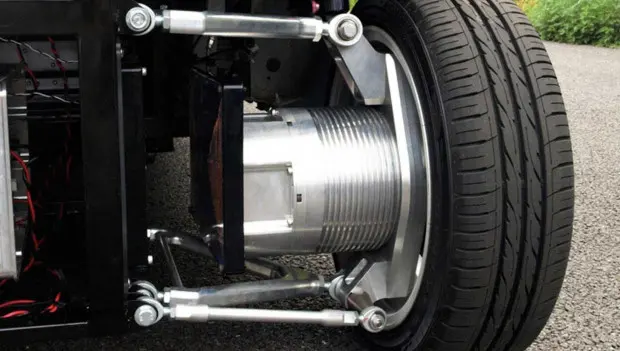
Researchers at Oak Ridge National Laboratory (ORNL) have developed a new electric drive architecture that could make high-output electric motors more reliable and longer-lasting. Computer simulations indicate the design significantly reduces voltage fluctuations while lowering the electrical load placed on power electronics capacitors.
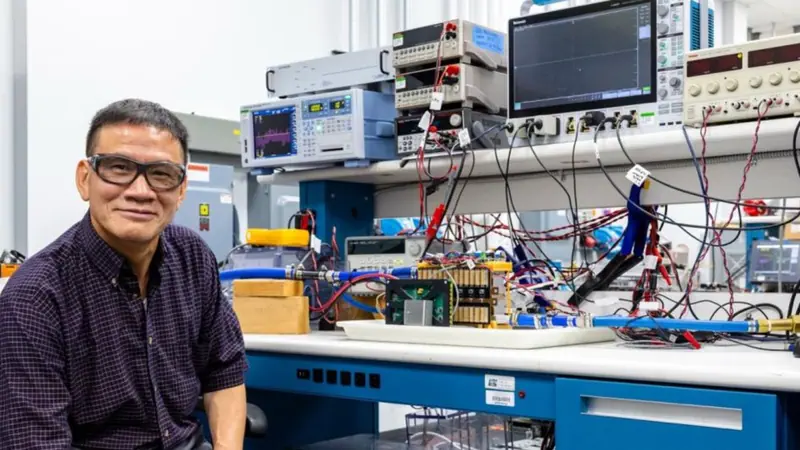
The technology is aimed at applications where electric drive systems operate under extreme power demands and continuous heavy loads, including electric aircraft, marine vessels, and heavy-duty trucks.
Instead of adding more hardware to the powertrain, ORNL engineers redesigned the drive system itself. The new architecture uses two synchronized inverters with opposite polarity along with two sets of motor windings wrapped in opposite directions.
This configuration allows the magnetic fields generated by the windings to combine and maintain the required torque while canceling unwanted currents and parasitic voltages. As a result, the system reduces stress on electronic components without sacrificing motor performance or efficiency.
To control the new setup, the research team also developed a dedicated signal modulation algorithm. The software does not require additional computing power and is compatible with existing industrial motor control systems.
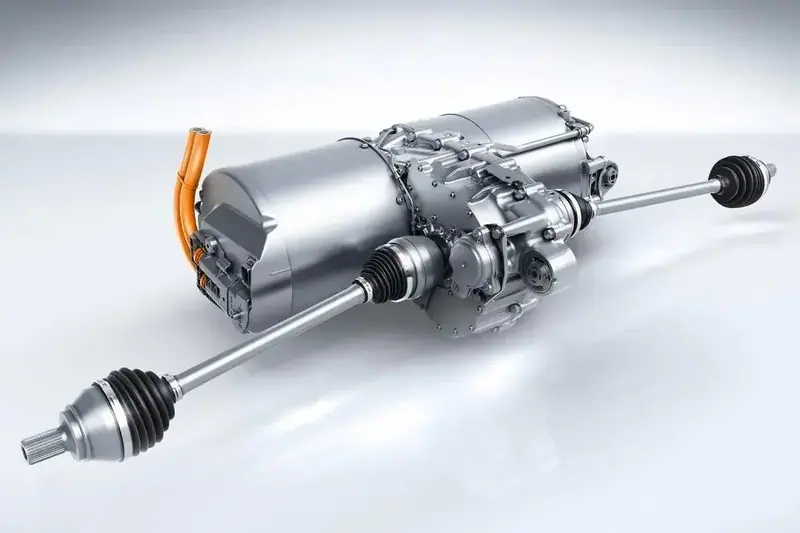
One of the technology's biggest advantages is its ease of implementation. According to the researchers, manufacturers would not need to install extra hardware or overhaul existing production lines. The only major manufacturing change involves reversing the winding direction for part of the motor windings during production.
Simulation results showed substantial improvements:
- Voltage ripple was reduced by approximately 90%.
- Capacitor current dropped from 124.1 amps to 70.3 amps, a reduction of about 43%.
The researchers believe the approach could pave the way for more durable electric propulsion systems across next-generation transportation, where increasing motor output must be matched by improvements in efficiency, reliability, and service life.
You may also be interested in the news:

Mansory Gives the Rolls-Royce Cullinan a Wild New Look With Carbon, Orange and 720 HP
Mansory has transformed the Rolls-Royce Cullinan into a dramatically styled luxury SUV with carbon fiber, orange accents and more power.
Ford Just Gave the 2027 F-150 a New Engine, Hands-Free Trailer Towing and a Carhartt Edition
Ford has updated the 2027 F-150 with a new V6, trailer-capable BlueCruise and a rugged Carhartt special edition.

This 1,160-HP 1972 Chevrolet K5 Blazer Bully Is Going to Auction for the First Time
Ringbrothers’ 1972 Chevrolet K5 Blazer Bully, packing 1,160 horsepower, is heading to Mecum’s Nashville auction.

Someone Turned a Ford EcoSport Into a Six-Wheeled SUV — And It's Selling for Just $7,000
An extremely unusual six-wheeled conversion of Ford’s compact crossover has landed on the Bring a Trailer auction block.

Experts Name the Two Most Powerful Production Sports Cars in the U.S.
American sports cars continue to impress with their horsepower, speed and innovative engineering, with two models standing above the rest.