
Hyundai Patents a New Split Anti-Roll Bar
Hyundai has filed a patent for a split anti-roll bar made up of two sections connected by a spring-loaded center shaft.
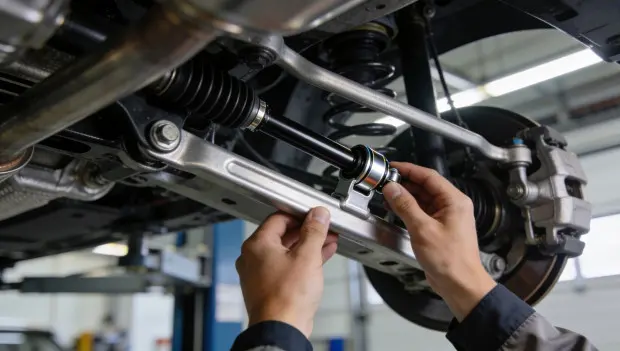
Hyundai has filed a patent for a split anti-roll bar made up of two sections connected by a spring-loaded center shaft. The design is intended to absorb impacts from road imperfections locally without sacrificing cornering precision or increasing manufacturing costs.
Hyundai engineers appear to be rethinking the conventional anti-roll bar design. A recently filed patent describes a system made up of two separate halves connected by a center shaft with multiple springs. It is worth noting that filing a patent does not guarantee the technology will reach production vehicles. Even so, the proposed design appears practical, inexpensive to manufacture, and capable of providing meaningful benefits for owners of future models.
A traditional anti-roll bar is a single-piece component installed separately at the front and rear of a vehicle. Its primary function is to reduce body roll in corners by linking the left and right sides of the suspension. The downside of this simple design is that any impact absorbed by one wheel is transmitted almost immediately through the rigid bar to the opposite side of the vehicle.
How the New Design Works
This is the problem Hyundai's engineers set out to address. According to the patent, the anti-roll bar is split into two sections connected by a center shaft with a spring mechanism. That gives the component a certain degree of flexibility. As resistance increases, both outer sections begin to twist, and the system then behaves like a conventional one-piece anti-roll bar, meaning handling during aggressive cornering is unaffected.
When just one wheel hits a small bump, however, the new design's main advantage comes into play. The resulting impact is absorbed locally instead of being transferred to the opposite side of the vehicle. A limited amount of movement allows each wheel to respond independently to minor road imperfections without loading the entire anti-roll bar assembly. As a result, passengers experience less vibration while ride comfort improves without reducing steering precision.
Why It Makes Sense for Hyundai
Some vehicles already use hydraulic active anti-roll bars that can vary stiffness depending on driving conditions. Those systems, however, are technically complex and significantly increase the vehicle's final cost, which does not fit the brand's philosophy of offering affordable and practical performance models. The semi-active mechanical design described in the patent avoids that drawback. It should not significantly increase production costs compared with a conventional anti-roll bar while still delivering meaningful comfort benefits.
Hyundai performance models have long been known for offering a strong balance of price and performance. They include:
- i20 N hot hatch;
- Elantra N sedan.
These models have spent years pushing more established and more expensive rivals to stay competitive while helping Hyundai's N sub-brand establish itself in the market. In theory, the new design could make models like these even more appealing by improving ride comfort without compromising sharp handling.
It is also important to note that this type of anti-roll bar would not necessarily be limited to high-performance N models. The technology could also find its way into Hyundai's mainstream lineup, as well as vehicles from related brands Kia and Genesis, making them more comfortable without significantly increasing the final cost of the vehicle.
You may also be interested in the news:
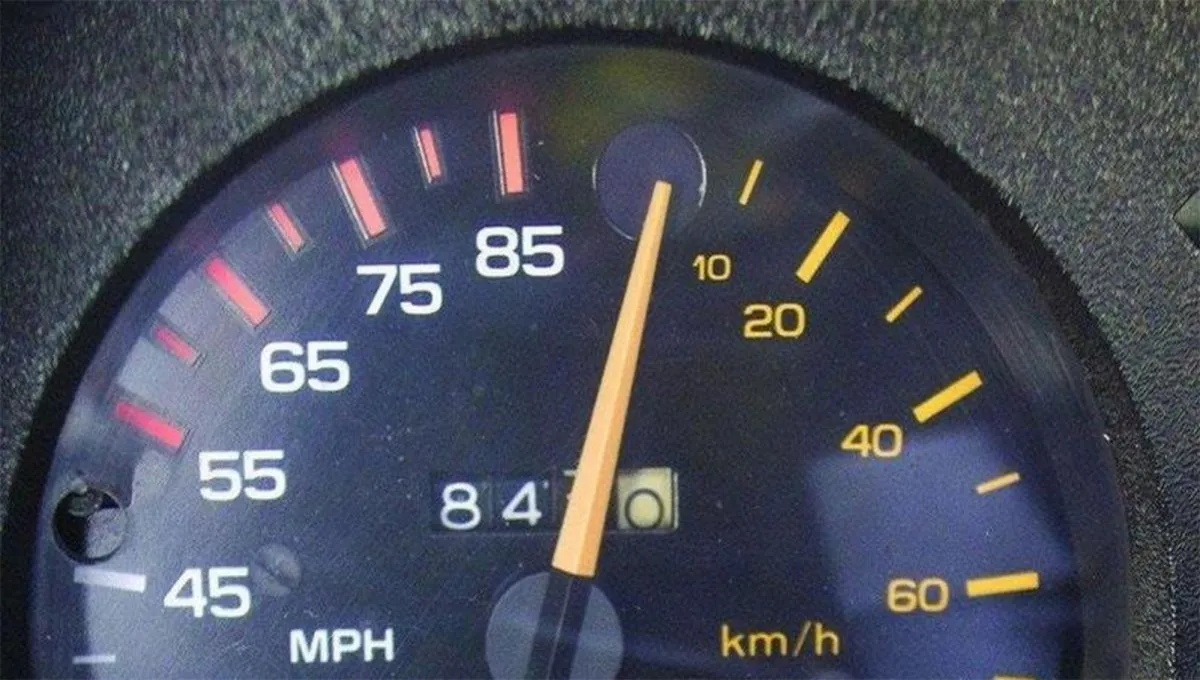
Your Speedometer Says 65 MPH, but Your GPS Says 62 — Here’s Why Your Car Does That
Your speedometer reads 65 mph, but your GPS says 62 mph. Here’s why the numbers rarely match.

Hyundai Recalls Nearly 95,000 Genesis Sedans Over Fire Risk From Power Seats
Hyundai is recalling 94,622 Genesis sedans after a faulty power seat switch was linked to overheating and potential vehicle fires.
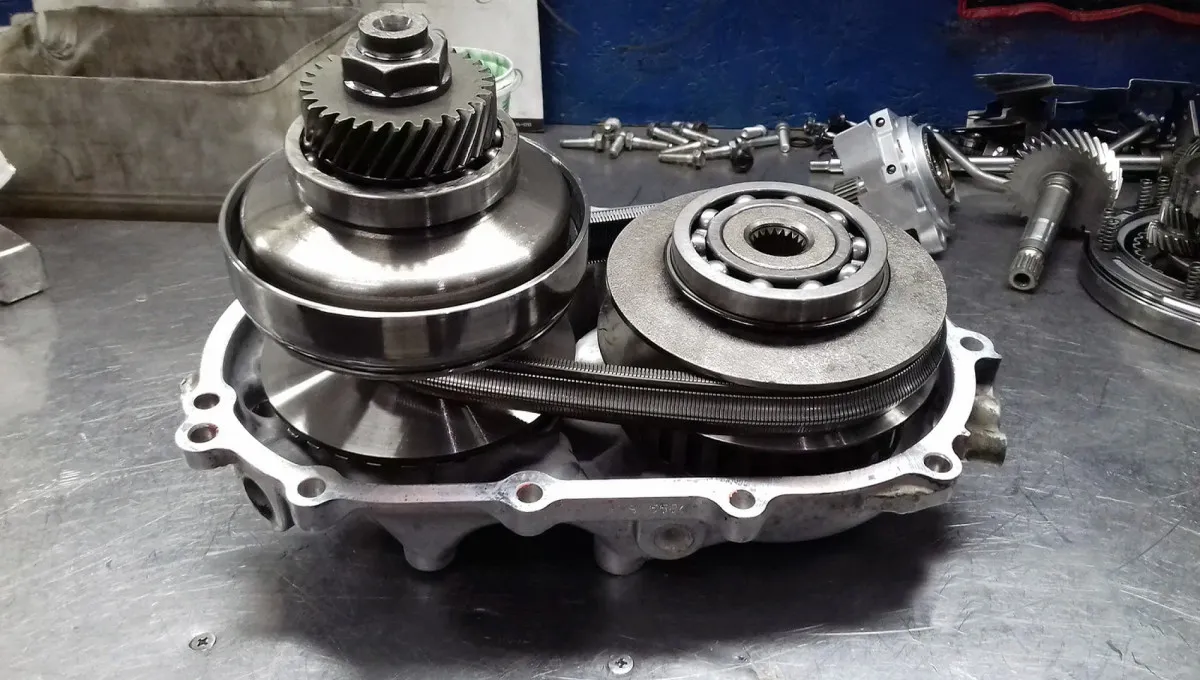
Why Experienced Drivers Still Warn Against Buying a Used Car With a CVT
CVTs offer smooth acceleration and good fuel economy, but expensive repairs and durability concerns make used models risky.
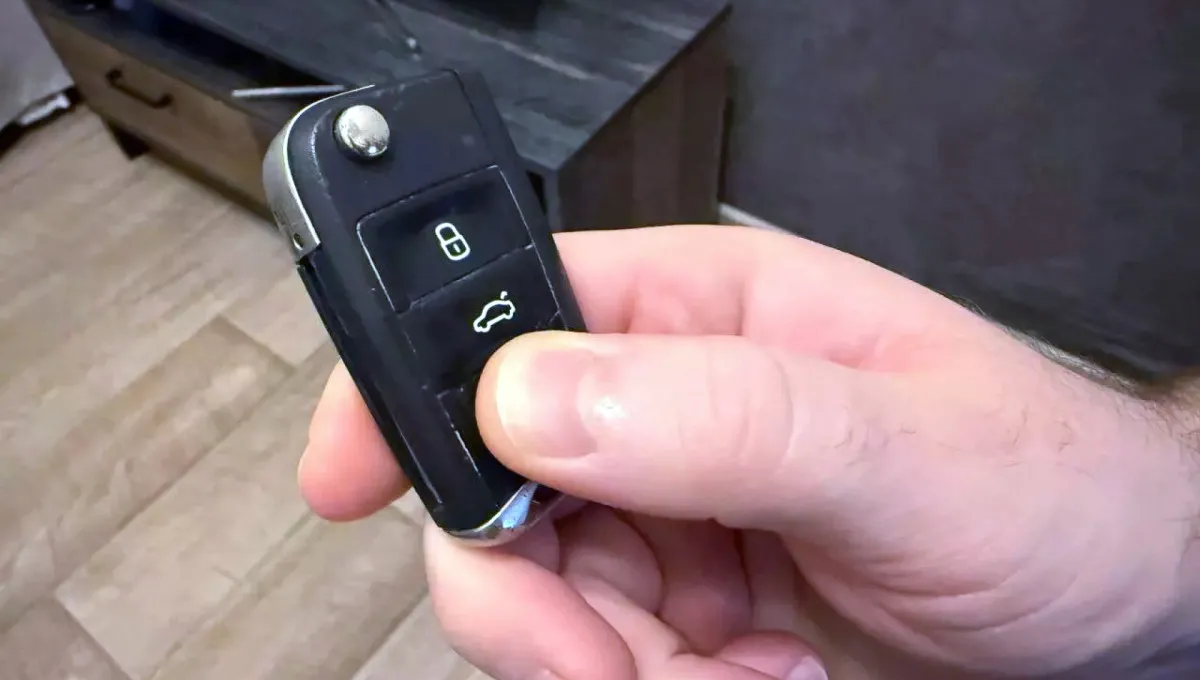
Hidden Key Fob Trick: Open All Your Car Windows With One Button
An auto mechanic explains how drivers can remotely open and close car windows using a key fob, provided the vehicle has the right hardware.

8 Car Maintenance Mistakes That Could Cost You Thousands if You Wait Too Long
Depending on driving conditions, some maintenance tasks may need to be performed sooner and more often than the automaker recommends.