
Why Skipping Air Filter Replacement Can Damage Your Engine and Cost Drivers Much More Later
Skipping air filter replacement might seem harmless, but mechanics warn it can seriously harm engines.
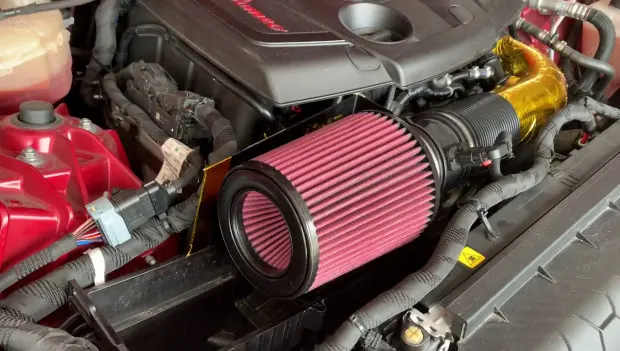
Many drivers assume they can save a little money by delaying the replacement of an engine air filter. At first glance, the part seems inexpensive and easy to ignore. But automotive specialists warn that trying to stretch its lifespan—or attempting to clean it—can lead to bigger problems under the hood.
The engine air filter plays a simple but critical role: it keeps dust, dirt, and debris from entering the engine while ensuring the proper flow of air needed for combustion. When it becomes clogged, engine performance can quickly start to suffer.
The “Cheap Fix” That Can Backfire
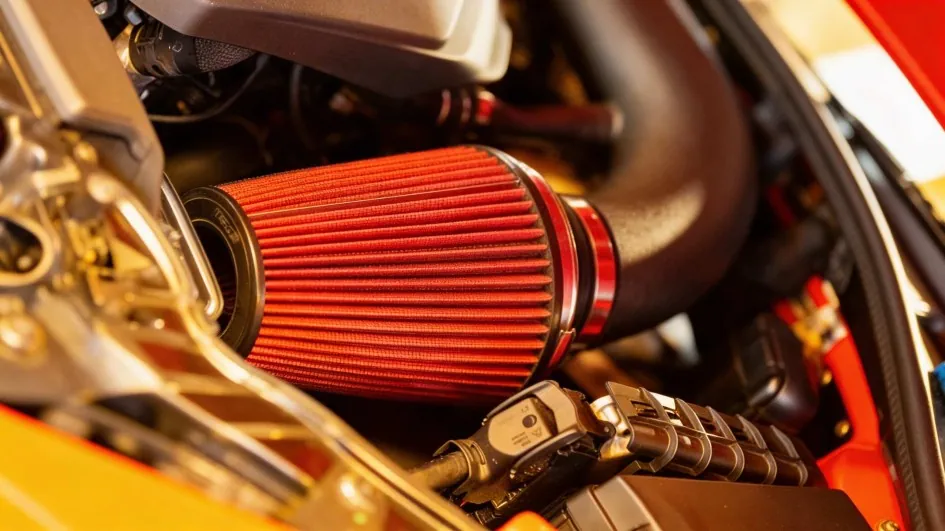
On automotive forums, debates about air filters never seem to end. Some drivers argue that instead of replacing the filter on schedule, it can simply be cleaned. Popular do-it-yourself suggestions include vacuuming it, rinsing it with water, or brushing away dirt with something like a toothbrush.
While these methods might sound harmless, many professional mechanics say they often make the situation worse.
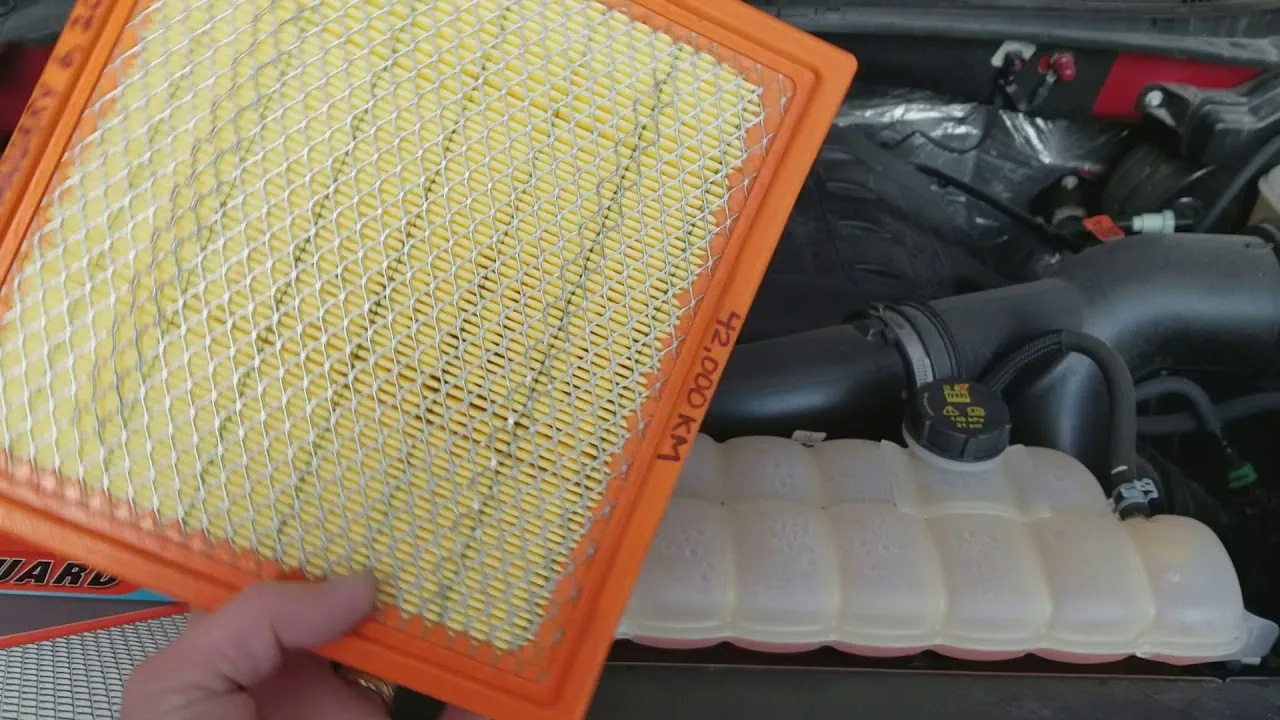
Standard paper air filters are designed as single-use components. Washing or aggressively cleaning them can damage the filtering material and reduce airflow. When that happens, the engine receives less oxygen than it needs.
The result can include:
- Reduced engine performance
- Higher fuel consumption
- Increased stress on engine components
- In extreme cases, long-term mechanical damage
Saving a few dollars on a replacement filter could eventually lead to repairs costing hundreds—or far more.
Not All Filters Are the Same
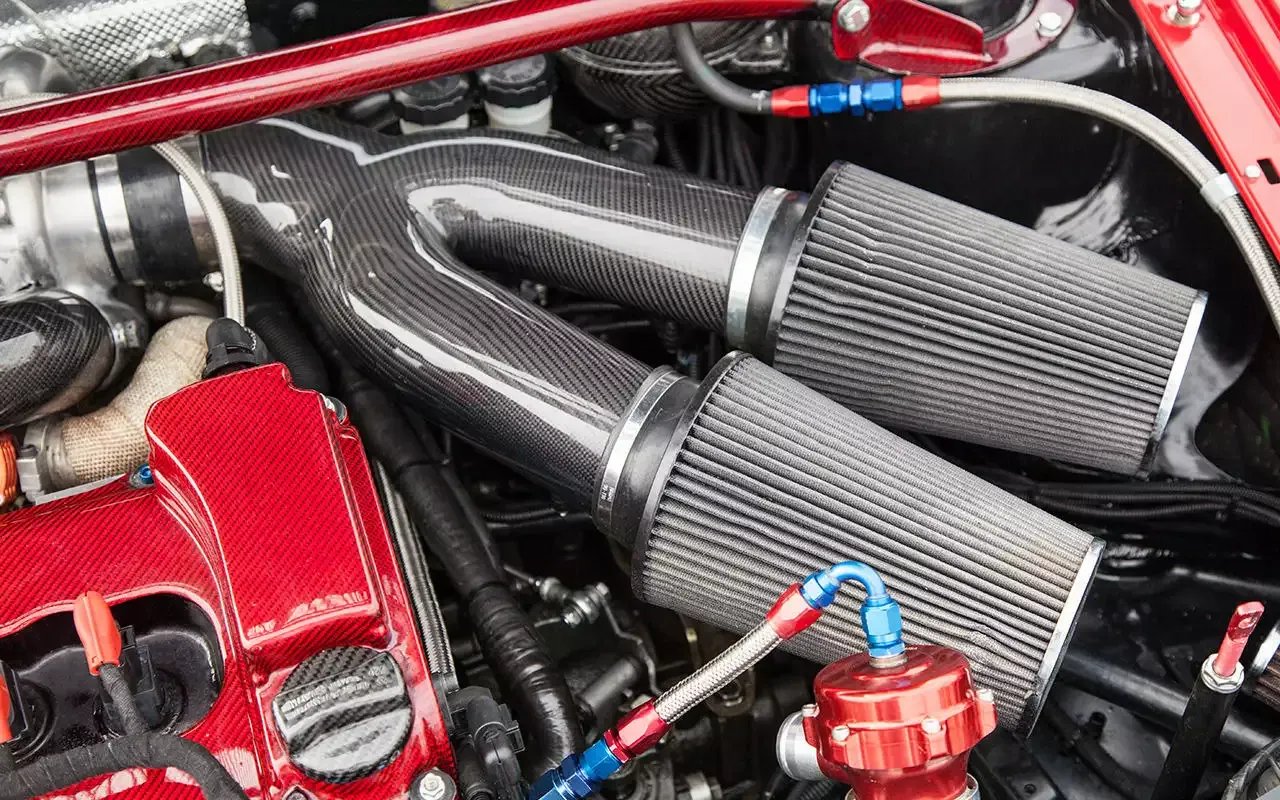
Part of the confusion comes from the existence of reusable “performance” filters, sometimes called high-flow or racing filters. These are commonly used in motorsports or modified vehicles and are designed to be cleaned and treated with special oil before reuse.
However, those filters are very different from the standard disposable air filters found in most passenger vehicles. Mixing up the two often leads drivers to believe that any filter can simply be washed and reused.
Follow the Manufacturer’s Schedule
Every vehicle’s owner’s manual clearly outlines when the engine air filter should be replaced. Ignoring that recommendation can create unnecessary risks.
In dusty or harsh driving environments—such as dirt roads, construction zones, or areas with heavy debris—the filter may need to be changed more often than the standard service interval.
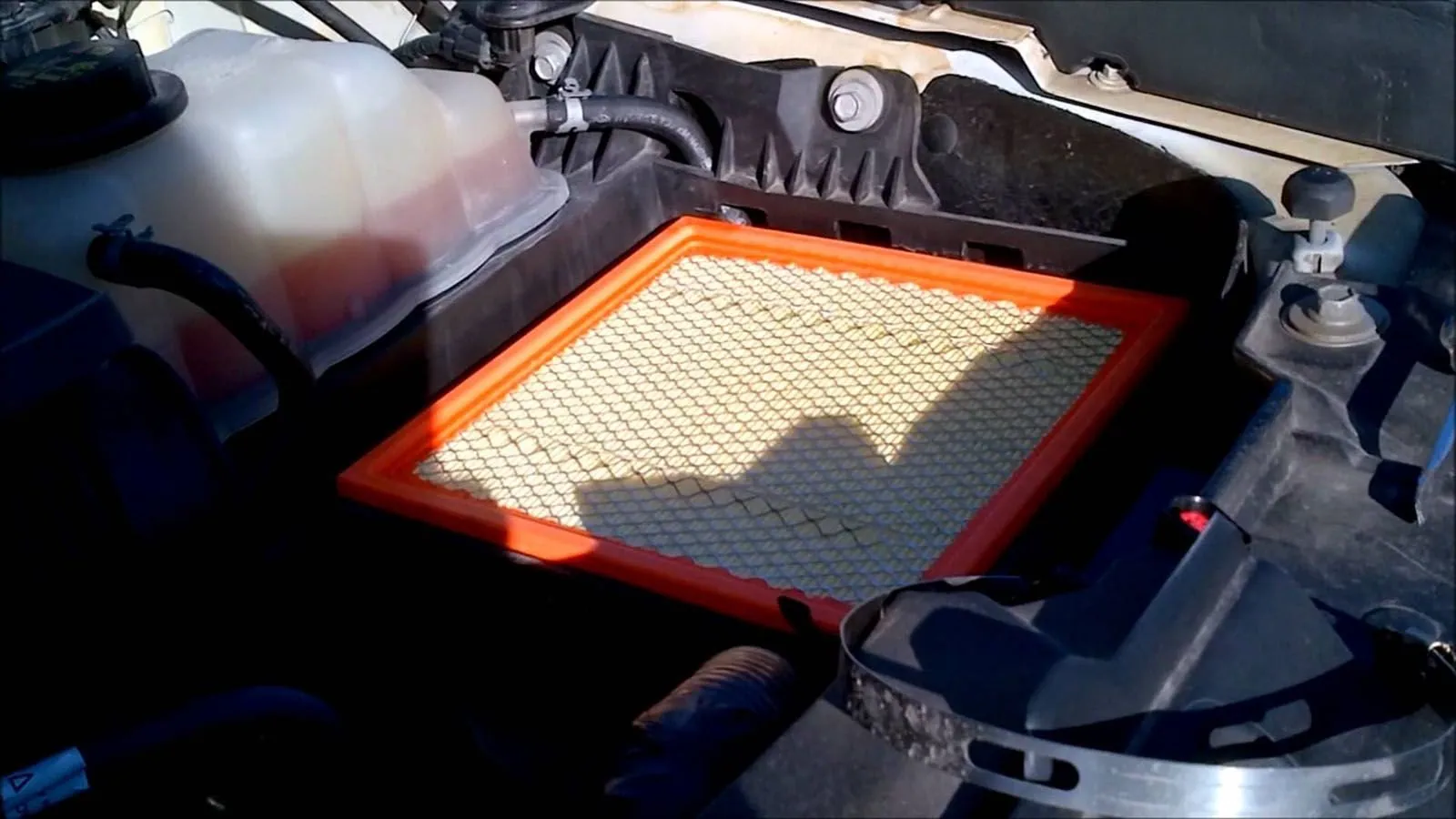
For many vehicles in the United States, that means replacing the air filter roughly once a year or every 12,000–15,000 miles, though conditions and driving habits can shorten that interval.
With the price of auto parts and service continuing to rise, many drivers are understandably looking for ways to cut maintenance costs. But experts say skipping basic maintenance is rarely the best place to save money.
The idea of a “lifetime” air filter for standard vehicles is largely a myth. In practice, trying to squeeze extra life out of a worn filter often results in higher fuel use and a greater risk of engine trouble.
In the end, replacing an inexpensive air filter on time is far cheaper than dealing with the potential cost of engine repairs later.
You may also be interested in the news:

Your Steering Wheel Starts Shaking at 60 MPH? Don’t Ignore These Warning Signs
A vibrating steering wheel is often most noticeable at highway speeds, but the cause isn’t always immediately obvious.
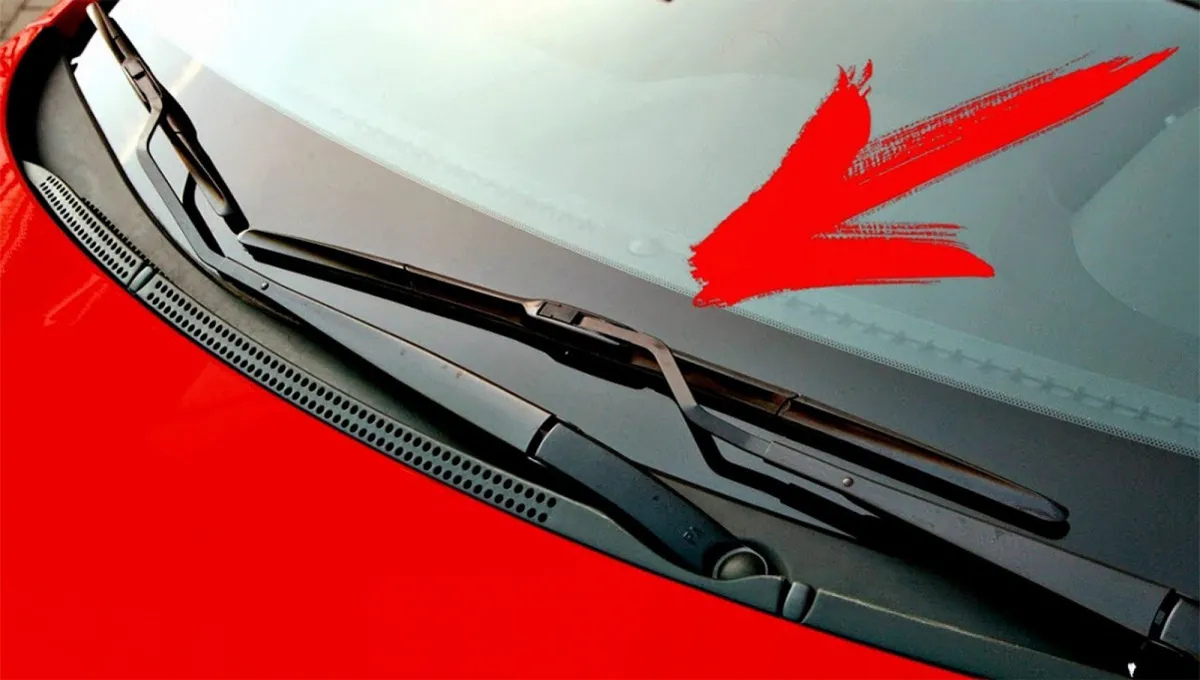
Windshield Wipers Aren’t Cleaning Properly? Here’s What Could Be Wrong
Why do windshield wipers sometimes fail to do their job?
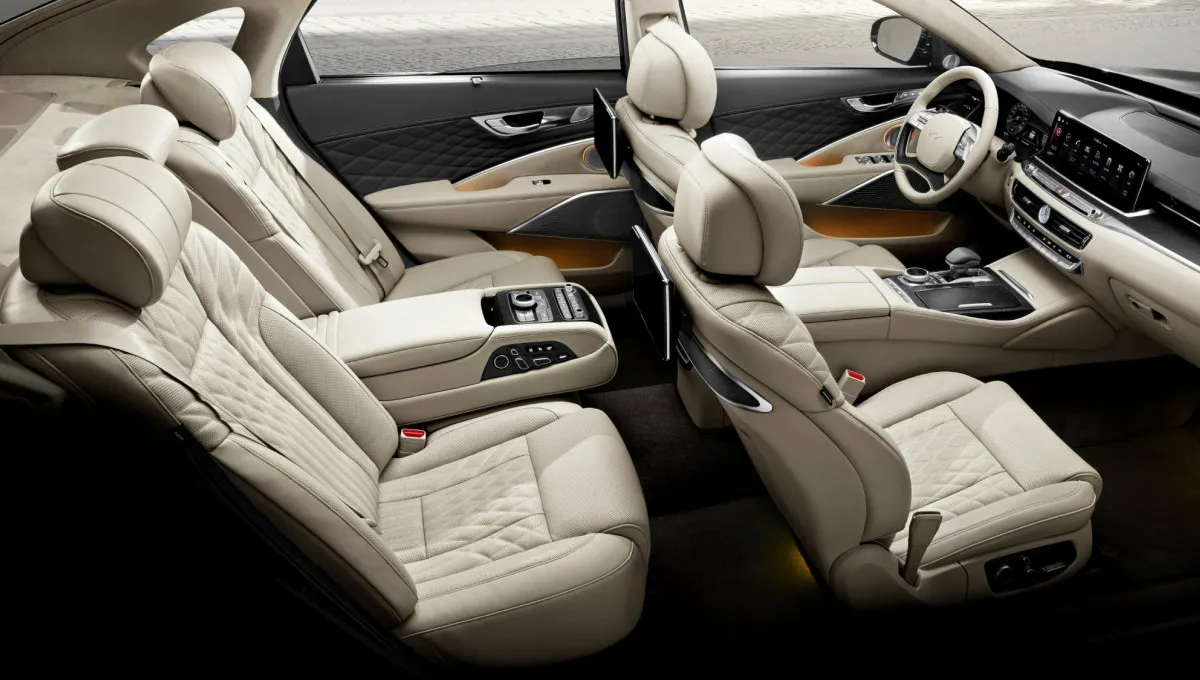
Best Sedans for Interior Space: The Roomiest Cars of 2026
These six sedans offer generous legroom and shoulder room, giving families a comfortable alternative to larger SUVs for long trips.

Best Cars for Teen Drivers: Affordable and Safe Picks
These affordable used and new vehicles combine strong safety ratings, reliability, and reasonable prices for young drivers and their families.

12 Used Cars Retirees Should Know About—These Models Put Safety, Comfort and Reliability First
Great for Retirees: These Used Cars Stand Out for Safety, Reliability and Comfort