
What Damage Happens If You Drive With the Parking Brake Left On
Most drivers have at least once forgotten their parking brake was still engaged before driving off.
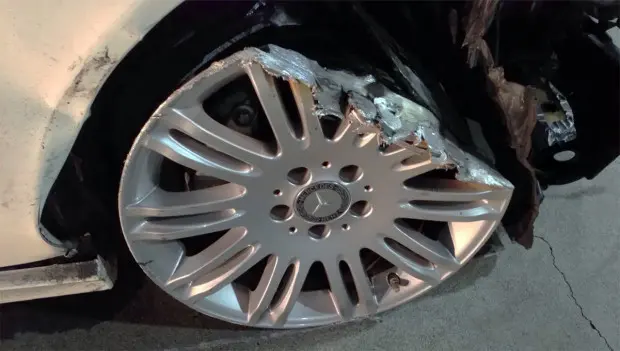
Almost every driver has, at some point in their life behind the wheel, forgotten that the parking brake was still engaged. In most cases, the mistake is noticed quickly and corrected right away. But there are situations where a car can actually be driven for a noticeable distance with the brake still on. So what kind of damage can this really cause?
General consequences of driving with the parking brake engaged
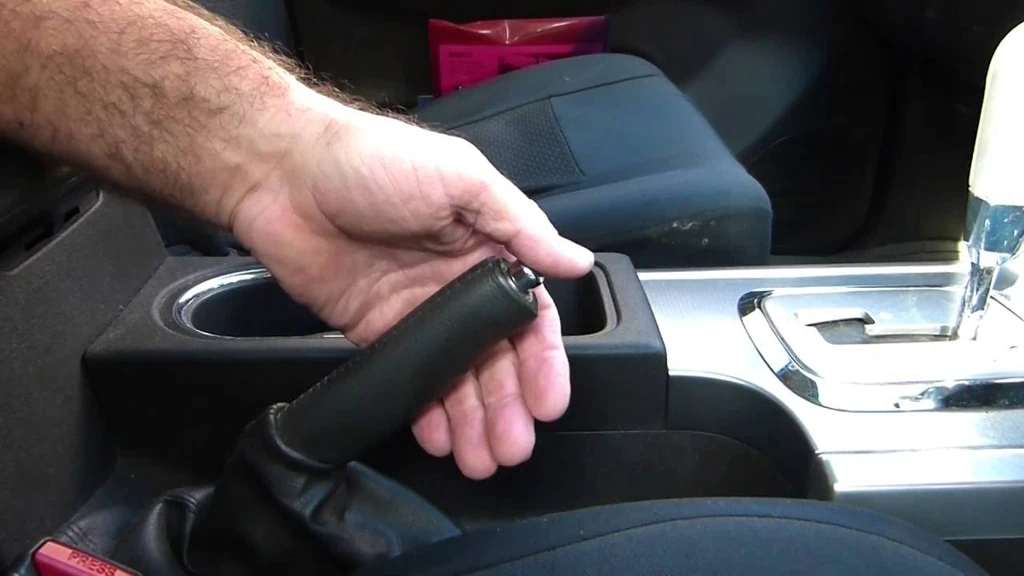
Driving with the parking brake on is a bit like towing a heavy load that exceeds the car’s design limits. In a rear-wheel-drive vehicle, the car may barely move at all. If the driver keeps trying, the smell of overheated brake pads will usually show up very quickly.
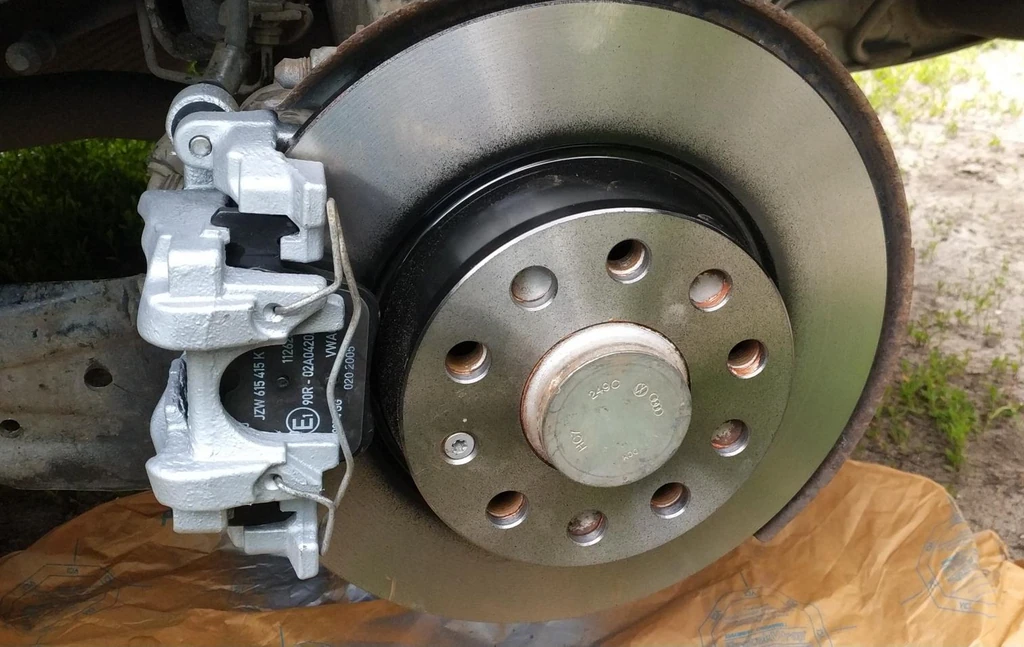
In front-wheel-drive or all-wheel-drive cars, it is still possible to move forward, especially in wet or slippery conditions. However, no matter the drivetrain, the engine and transmission end up working under extreme stress. Wear increases rapidly, sometimes reaching critical levels in a very short time.
The transmission usually takes the hardest hit.
Effects on manual transmissions
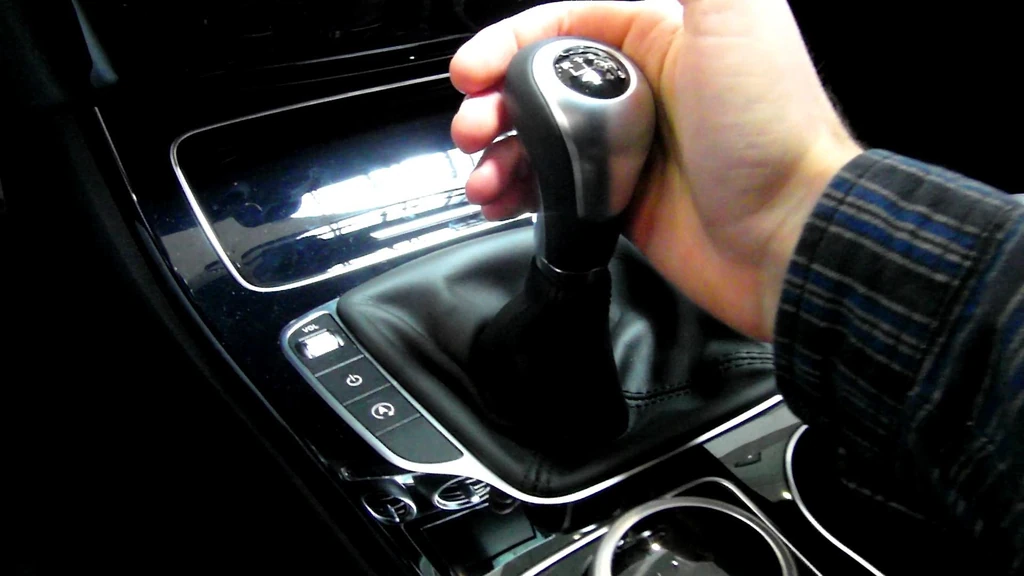
A manual gearbox tends to survive this situation better than automatics, but it’s still not harmless. The worst damage typically affects the brake components and clutch friction surfaces, which can overheat or even burn out. A strong burnt smell in the cabin is often the first warning sign that something has gone wrong.
A key risk is when the parking brake is only partially engaged. In that case, especially on slippery roads, the driver may not immediately realize anything is wrong.
Effects on automatic transmissions
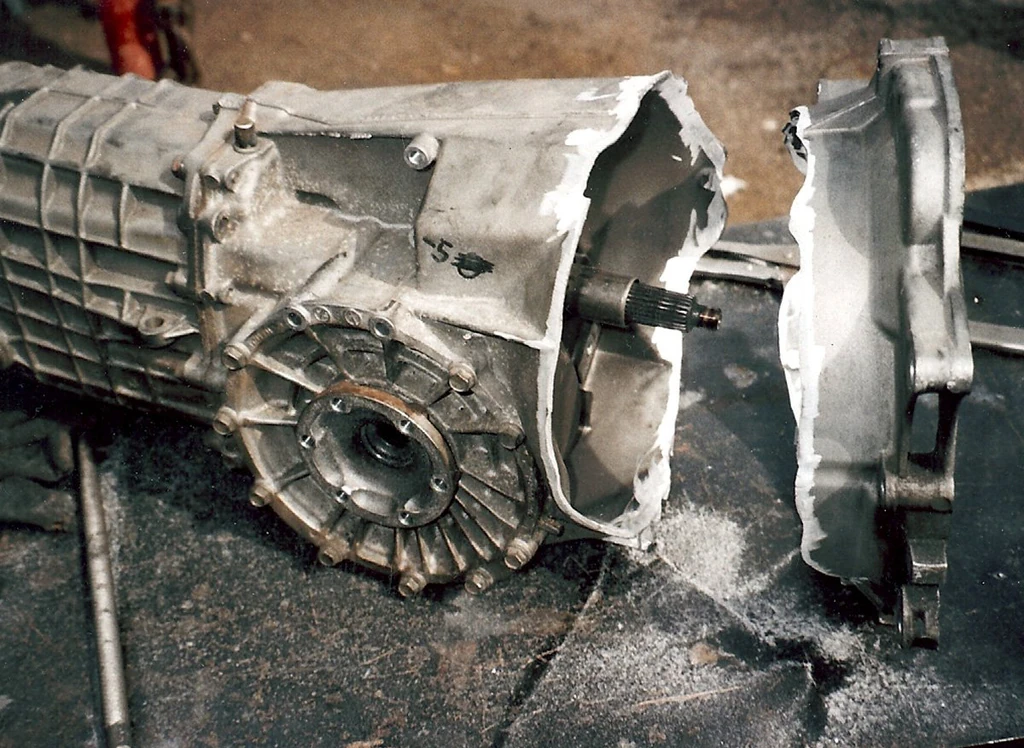
For automatic gearboxes, the situation is generally worse. Beyond uneven tire wear and added strain on the brakes and suspension, the transmission itself can overheat. The transmission cooler is pushed beyond normal limits, and internal clutch packs experience accelerated wear.
After such an incident, warning signs like vibrations during braking, transmission going into limp mode, or a parking brake that no longer holds the car on a slope usually mean expensive repairs are coming.
Effects on CVT transmissions
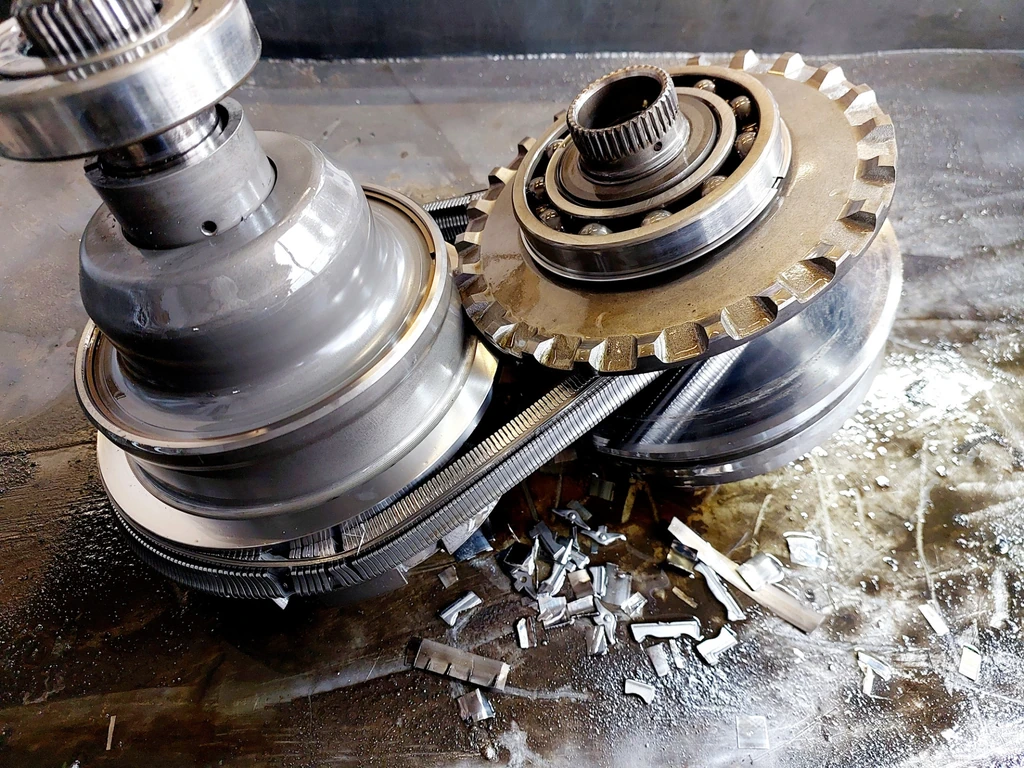
The worst-case scenario involves CVT systems. Because a continuously variable transmission relies on a belt running between pulleys rather than fixed gears, any extra resistance creates severe slippage and heat buildup.
Driving with the parking brake engaged can wear the belt and internal components at an alarming rate. In extreme cases, the belt may fail completely, leaving the vehicle unable to move at all. Repairs are often very costly, and in some cases replacing the entire transmission becomes the only realistic option.
You may also be interested in the news:
Your Steering Wheel Starts Shaking at 60 MPH? Don’t Ignore These Warning Signs
A vibrating steering wheel is often most noticeable at highway speeds, but the cause isn’t always immediately obvious.
A Dirty Car Could Be Quietly Damaging Your Engine — And the Repairs Can Cost Thousands
A dirty car can threaten the engine, causing overheating, corrosion, fires, and costly mechanical failures.
YouTube Has a New Problem: AI Is Creating Fake Mechanics Who Look Completely Real
Artificial intelligence is now being used to create convincing fake auto mechanics on YouTube, raising concerns about misleading advice.
Your Brakes Squeal Every Morning? Here’s When That Noise Is Normal—and When It Could Mean Trouble
That sharp brake squeal first thing in the morning is often harmless—but persistent noise can point to worn or damaged brake components.
7 Car Repairs Mechanics Secretly Hate Taking on — Here’s Why Shops Say “No”
A mechanic explains why some seemingly routine repairs can become expensive nightmares for both shops and car owners.