
Why LED Headlights Flicker — and How Drivers Can Fix the Problem
Cheap LED headlight conversions often cause annoying flickering issues, but the solution is usually straightforward.
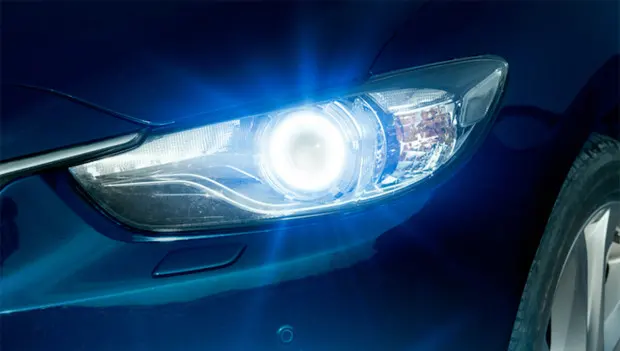
Owners of older vehicles are always looking for simple upgrades. If adding more horsepower isn’t realistic, improving headlight performance usually is. A few years ago, aftermarket HID “xenon” kits became the trend. Today, LED replacements have taken over. But many drivers who swap halogen bulbs for LEDs quickly notice something frustrating: the lights begin flickering like old fluorescent tubes.
The reason is surprisingly simple.
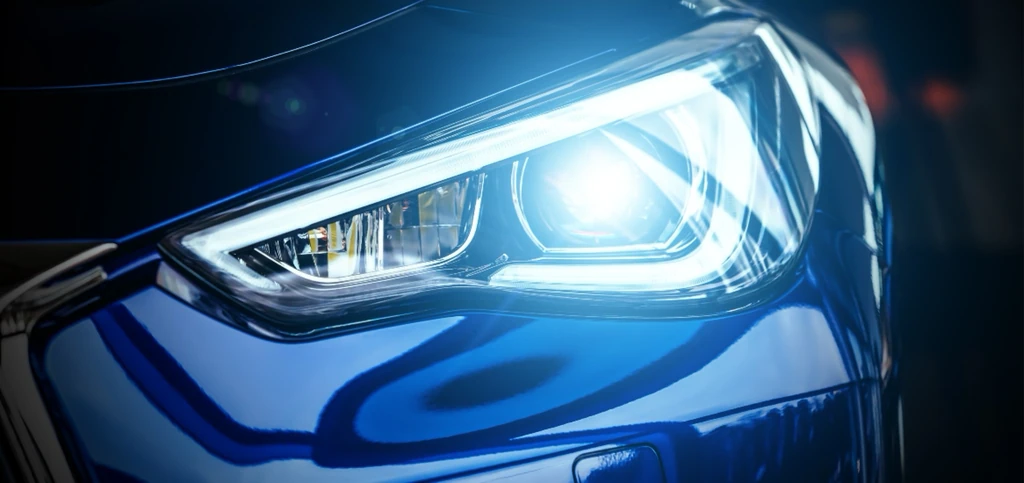
Factory-installed LED headlights on modern vehicles rarely have this problem. Flickering usually appears when owners replace standard halogen bulbs with inexpensive aftermarket LED kits. On paper, both systems run on a 12-volt electrical system, so it seems like they should work identically. In reality, they don’t.
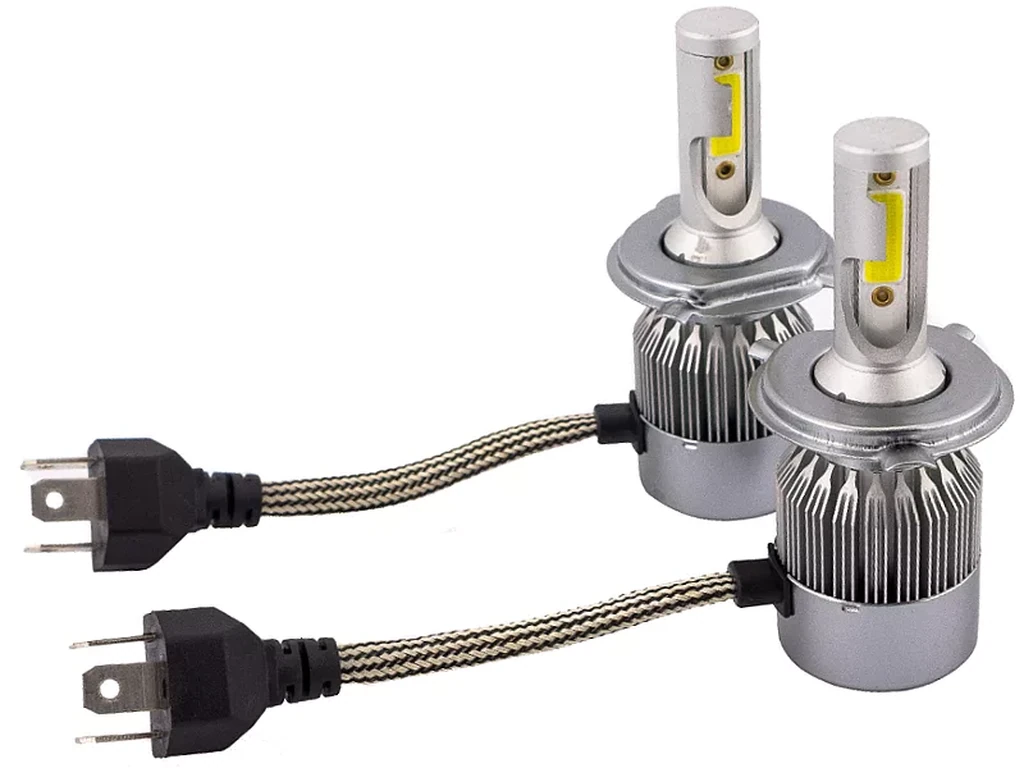
Unlike a traditional incandescent bulb, an LED is a sensitive semiconductor that requires stable electrical current to operate correctly. Well-engineered LED systems use dedicated current regulators to maintain consistent performance. Cheap LED bulbs, however, often rely on nothing more than a basic resistor that simply limits current instead of stabilizing it.
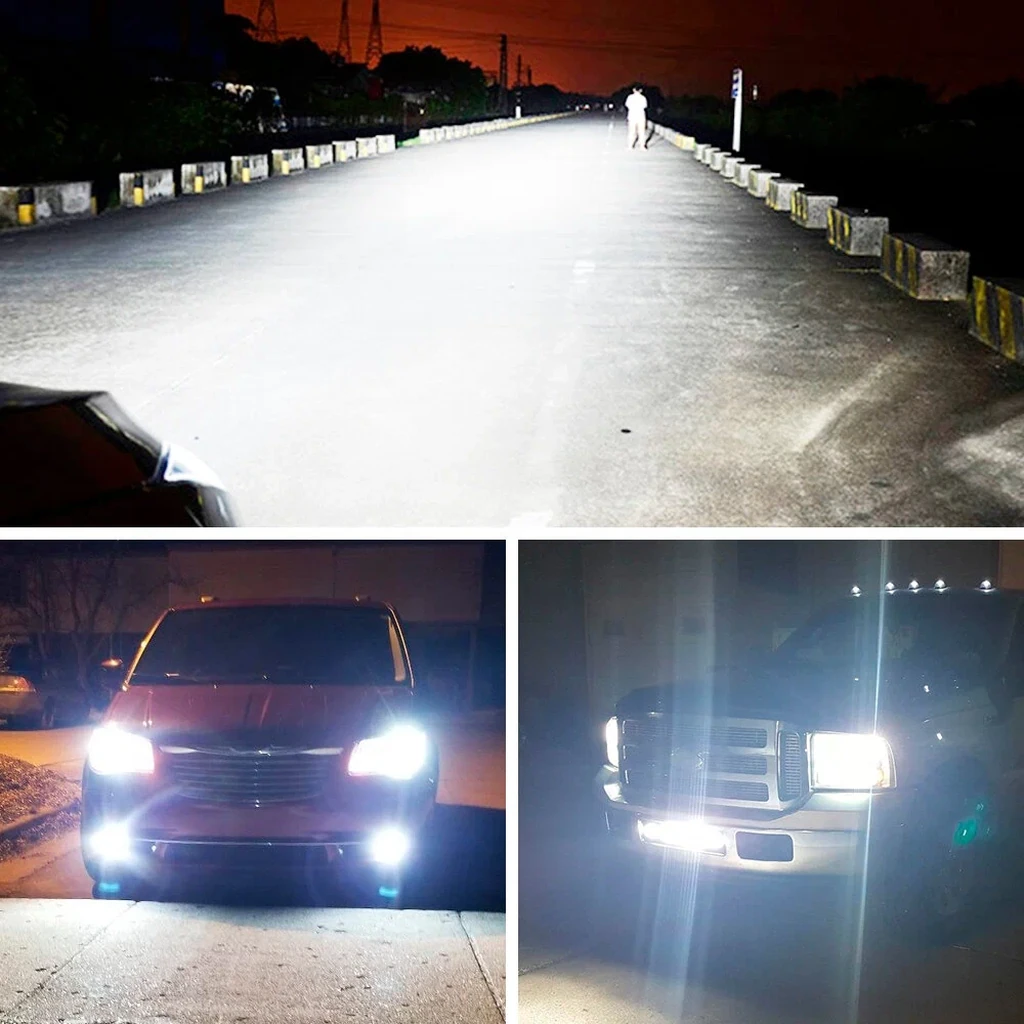
That becomes a problem because voltage inside a vehicle’s electrical system constantly fluctuates. Even small swings of a few volts can affect LED performance. Semiconductor components are far less tolerant of these variations than old-school halogen bulbs.
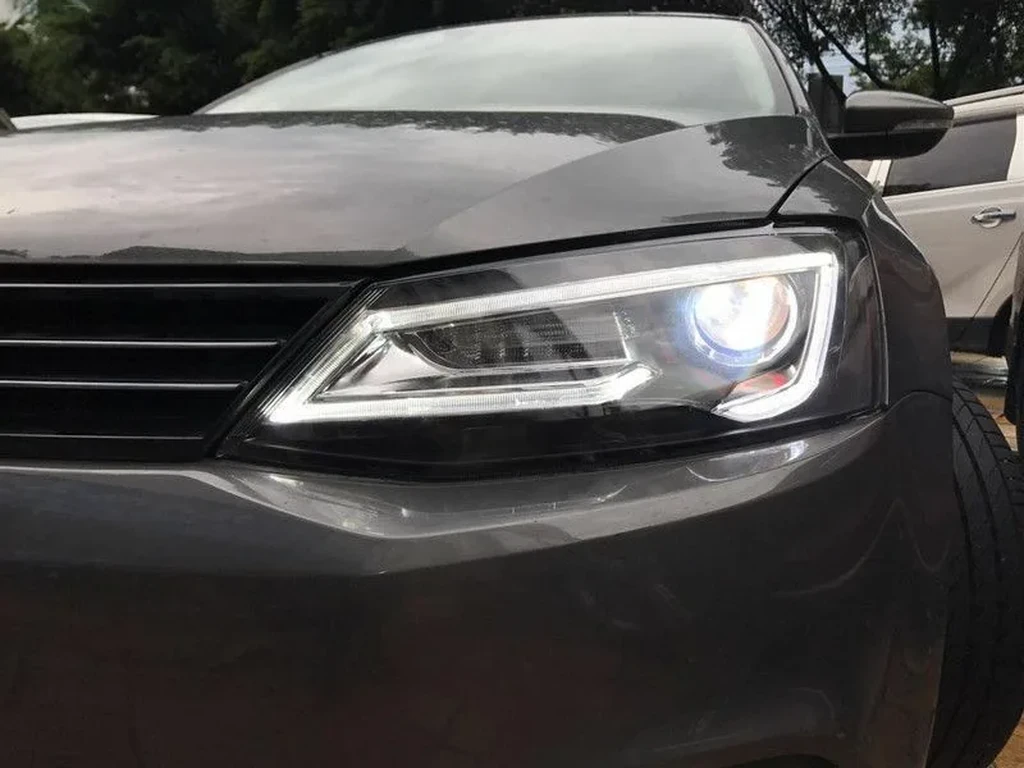
Budget LED kits create another issue: overheating. Many low-cost bulbs use undersized resistors to push more brightness from the LEDs. The result is excess heat, unstable operation, and eventually flickering. Nearby heat sources — including conventional incandescent bulbs still mounted in the same housing — only make things worse. Most LEDs struggle once temperatures climb above roughly 160 degrees Fahrenheit.
DIY fixes for flickering LEDs have become popular online. Some enthusiasts recommend wiring a large electrolytic capacitor in parallel with the bulb, while others install an additional resistor in series to smooth out the current. In certain cases, those tricks can reduce flickering temporarily.
More often than not, though, the real problem is poor-quality LED hardware.
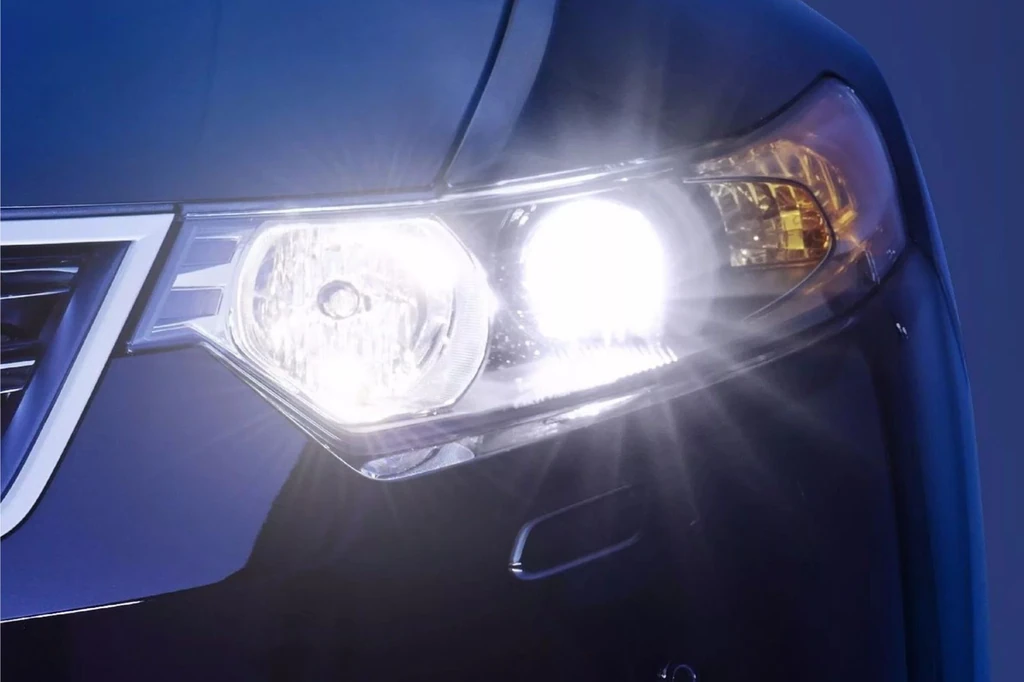
Drivers looking for a reliable upgrade should stick with products from established manufacturers like OSRAM or Philips. Higher-quality LED replacements typically include proper heat sinks and built-in current stabilizers designed specifically for automotive use. When engineered correctly, LED headlights should operate without flickering at all.
You may also be interested in the news:

Your Steering Wheel Starts Shaking at 60 MPH? Don’t Ignore These Warning Signs
A vibrating steering wheel is often most noticeable at highway speeds, but the cause isn’t always immediately obvious.
Windshield Wipers Aren’t Cleaning Properly? Here’s What Could Be Wrong
Why do windshield wipers sometimes fail to do their job?

Best Sedans for Interior Space: The Roomiest Cars of 2026
These six sedans offer generous legroom and shoulder room, giving families a comfortable alternative to larger SUVs for long trips.

Best Cars for Teen Drivers: Affordable and Safe Picks
These affordable used and new vehicles combine strong safety ratings, reliability, and reasonable prices for young drivers and their families.

12 Used Cars Retirees Should Know About—These Models Put Safety, Comfort and Reliability First
Great for Retirees: These Used Cars Stand Out for Safety, Reliability and Comfort