
The Engine That Changed America
How Oldsmobile’s Rocket V8 reshaped American performance cars long before the muscle car era began.
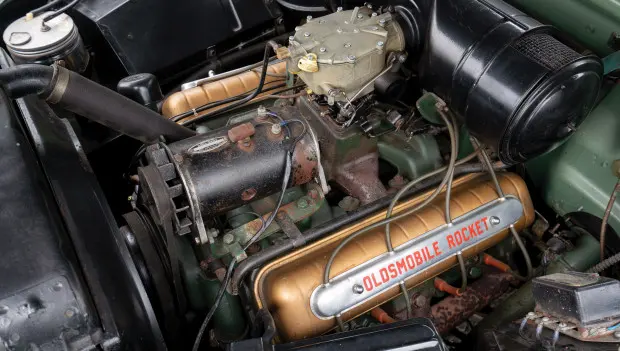
The term “muscle car,” used to describe powerful rear-wheel-drive American vehicles with V8 engines, only became popular in the 1970s. But long before that label existed, the United States was already building fast, affordable performance machines. One of the earliest examples appeared in 1949 with the Oldsmobile 88, a sedan that would quietly help redefine American performance culture.
At the time, Oldsmobile sat in the middle of the General Motors lineup, not the most premium brand, but known for solid engineering and comfort. The 1949 Oldsmobile 98 introduced a new kind of V8 engine — the famous Rocket V8 — which transformed what was otherwise a standard family sedan into something much quicker and more exciting for its era. It even earned early nicknames linking it to NASCAR dominance.
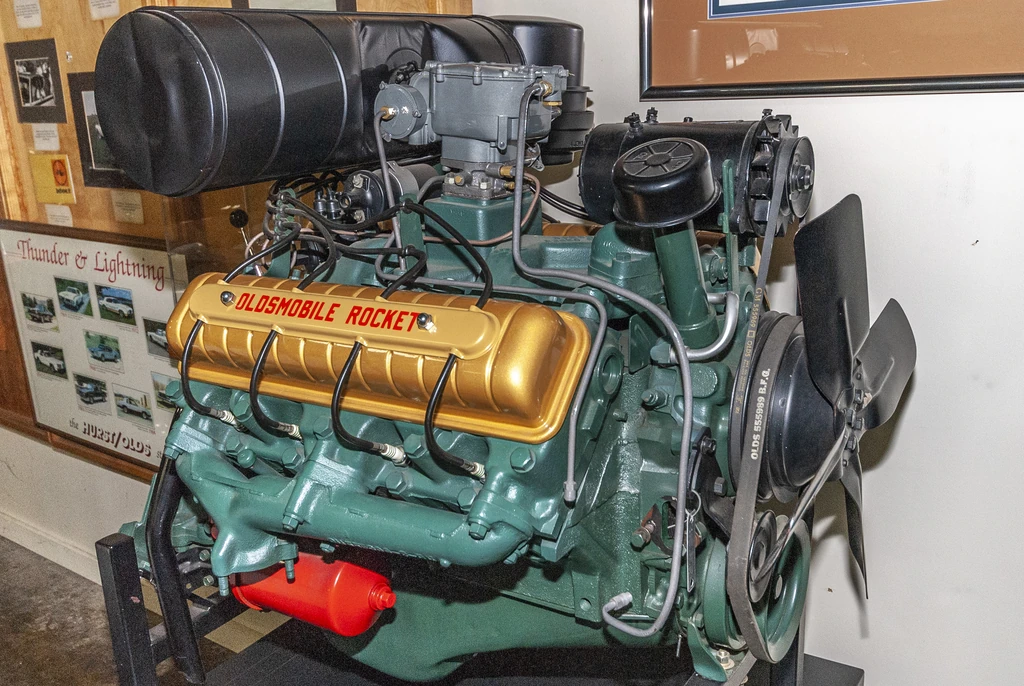
The engine itself was developed under the influence of engineer Charles Kettering, whose ideas went far beyond automotive design. His work before World War II helped prove that overhead-valve (OHV) layouts improved airflow, reduced mechanical losses, lowered noise, and improved reliability compared to older flathead designs.
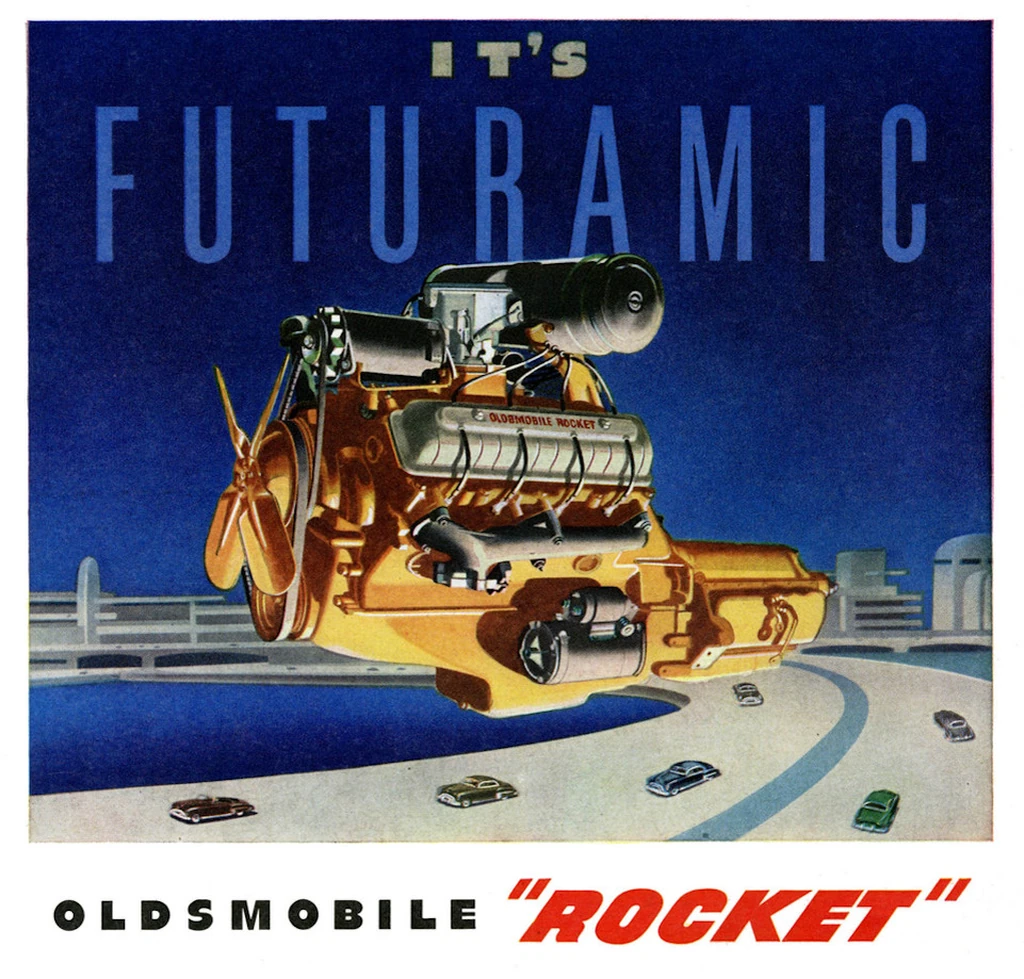
The Rocket V8 also featured a short-stroke design, meaning the piston travel was shorter than the cylinder bore. That setup reduced internal resistance, improved high-RPM efficiency, and kept the engine relatively compact and light for its time. It used a forged five-bearing crankshaft, aluminum pistons, a dual-plane intake manifold, and a Carter two-barrel carburetor.
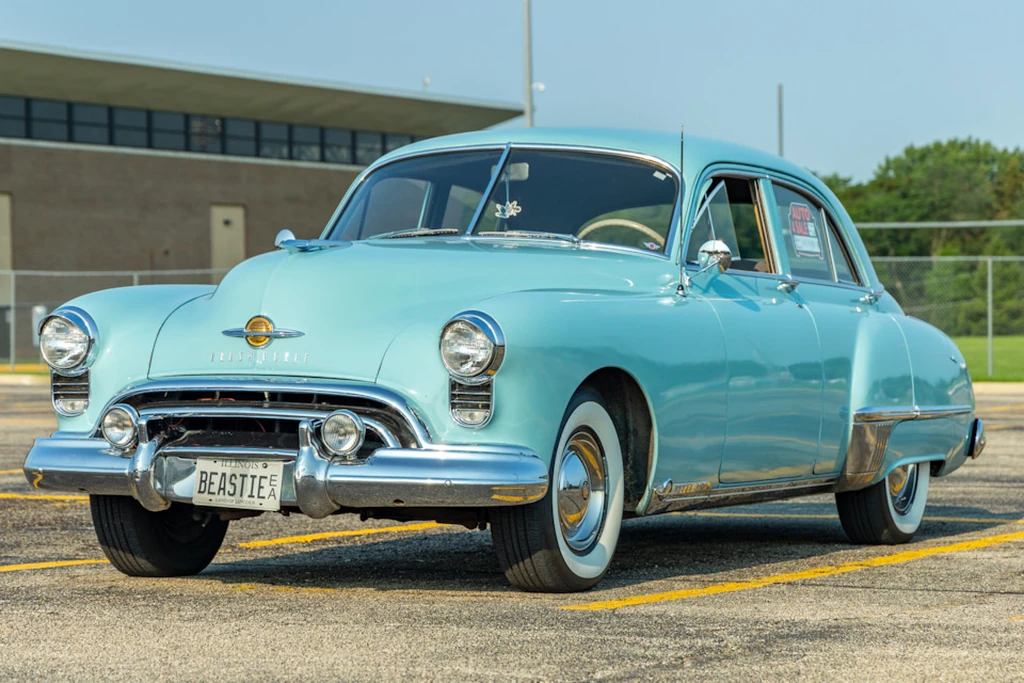
With a displacement of 303 cubic inches (about 5.0 liters), the engine produced around 135 horsepower. It also delivered noticeably better fuel efficiency — roughly 15–20% more than earlier V8s. By modern standards, the Oldsmobile 98 might seem slow, but in its day a nearly 2-ton sedan reaching 60 mph in about 17 seconds and topping out near 90 mph (145 km/h) was considered strong performance.
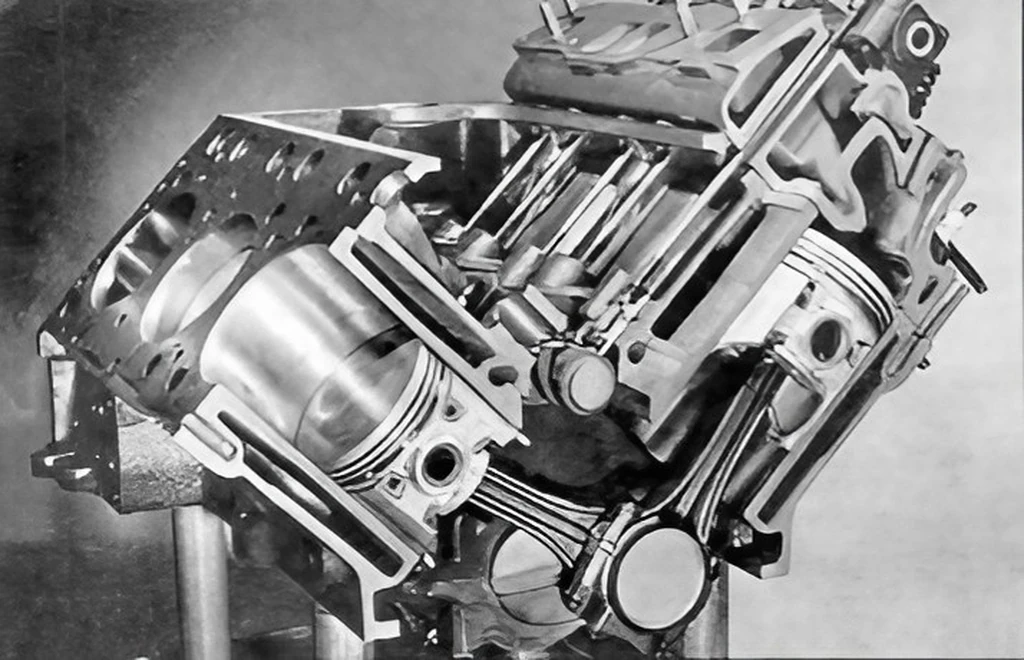
Oldsmobile engineers didn’t stop there. In the same year, they installed the Rocket V8 into the lighter Oldsmobile 88, creating a far quicker package. That combination unexpectedly turned it into the fastest production car in America at the time. It could hit 60 mph in under 13 seconds and reach roughly 97 mph (156 km/h).
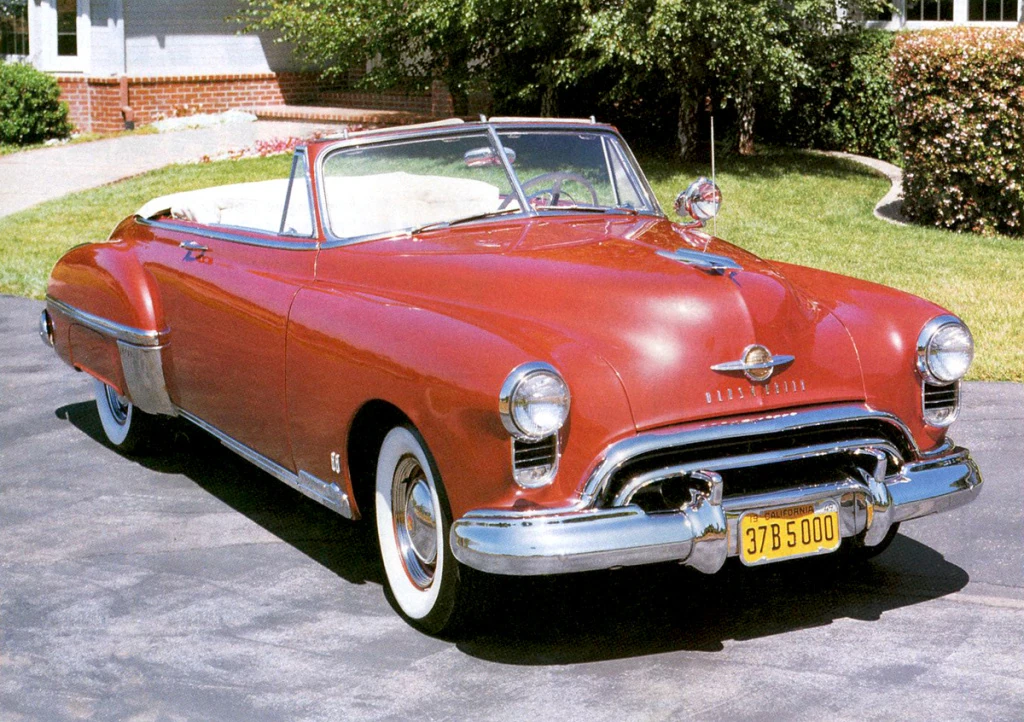
That performance quickly translated into racing success. The Oldsmobile 88 entered NASCAR competition and immediately became a force. In its first partial season, it won 6 out of 9 races, and the following year it took 10 wins out of 19. The car earned the nickname “King of NASCAR,” cementing its reputation nationwide.
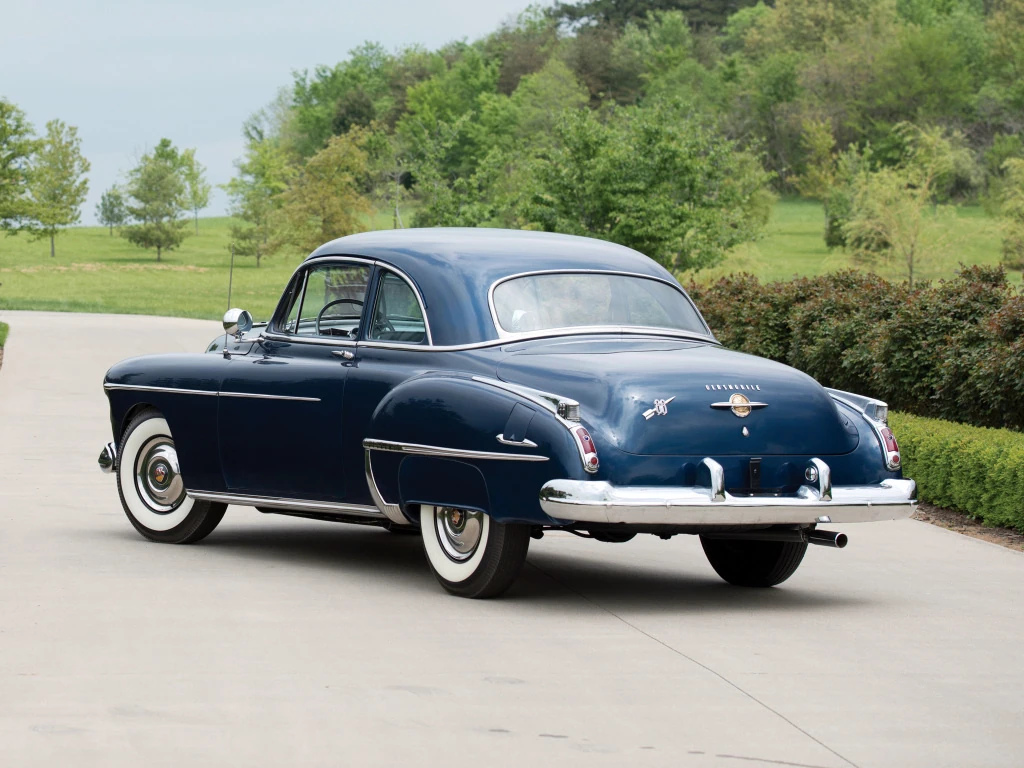
Its cultural impact even stretched beyond racing. In 1951, musician Jackie Brenston released the song “Rocket 88,” which is widely considered one of the earliest rock and roll records, inspired directly by the car.
The success of the Oldsmobile 88 helped establish a formula that would define American performance cars for decades: a relatively compact body, a powerful V8 engine, and rear-wheel drive. The Rocket engine architecture itself went on to influence generations of GM powerplants and remains part of the foundation of American V8 design in modernized form even today.
You may also be interested in the news:

Honda Is Rethinking Its Future SUVs—and a Massive New Ohio Plant Is Coming
Honda is planning a major Ohio expansion as it shifts its future lineup toward larger hybrid SUVs.
Diesel Prices Just Hit a Record in the U.S.—And the Supply Crunch Could Get Worse
U.S. diesel prices have hit record highs as tightening global supplies raise concerns about further increases.
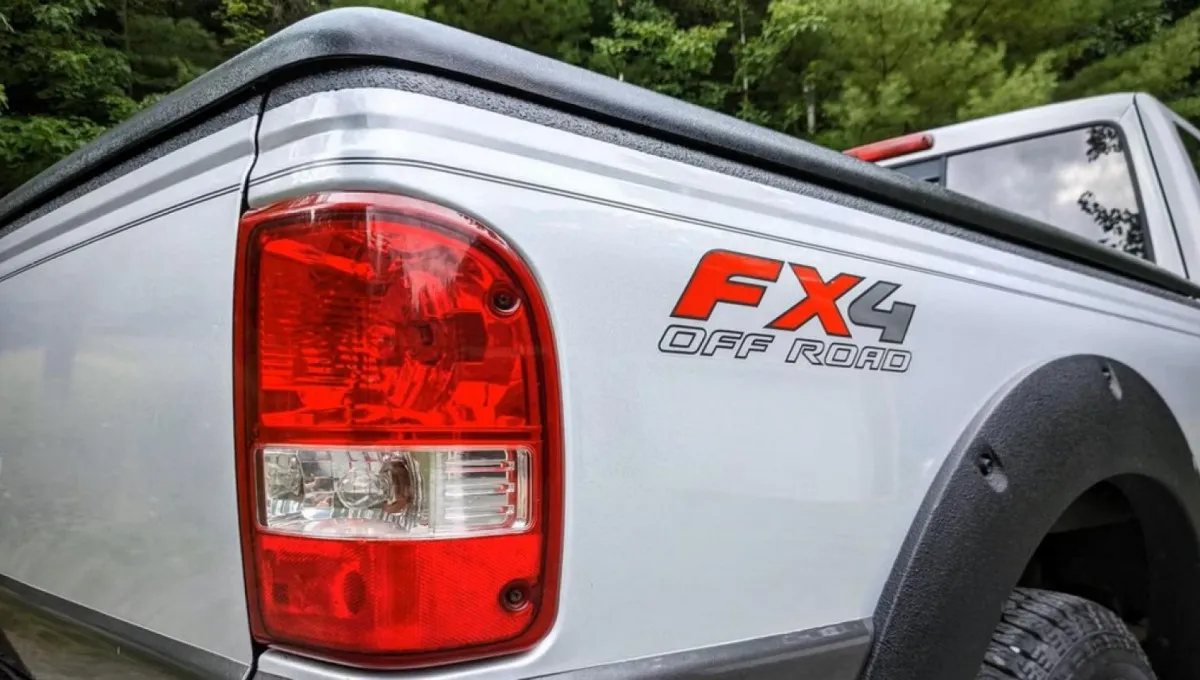
Ford Ranger FX4 Level II Was Cool Long Before the Raptor
Ford Built This Insane Ranger Years Before the Raptor—and Almost Nobody Remembers It
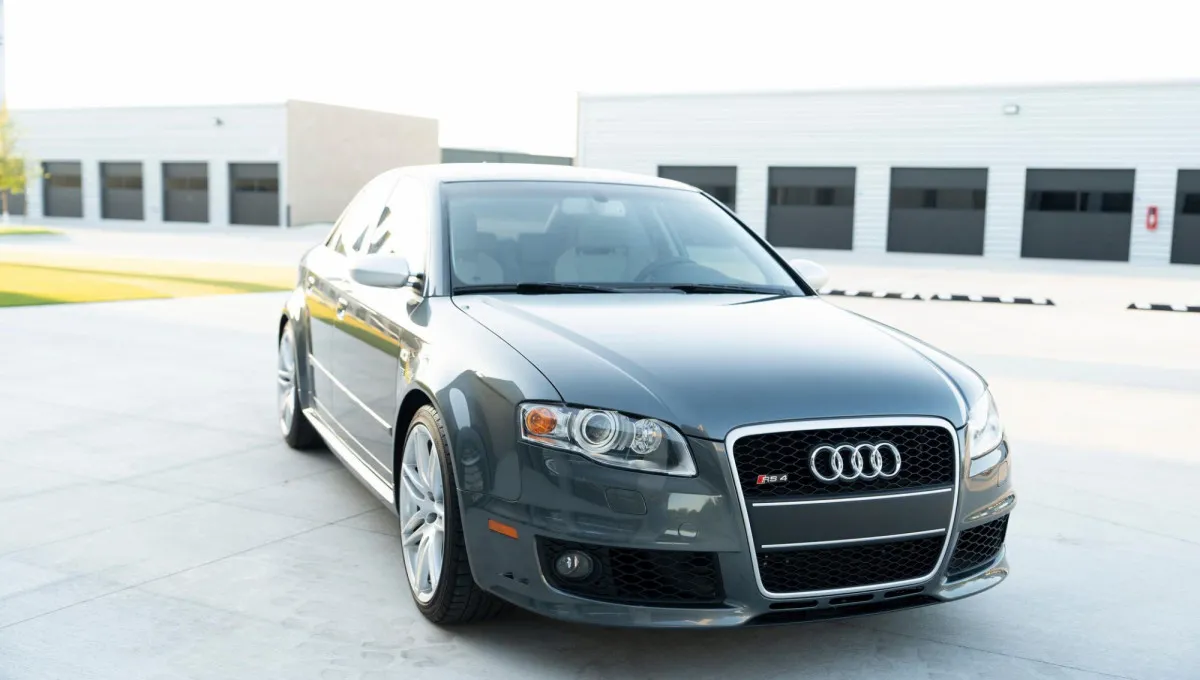
This 18-Year-Old Audi RS4 Just Sold for More Than It Cost Brand-New
After spending 18 years in a garage, this low-mileage Audi RS4 has become a sought-after collector car.
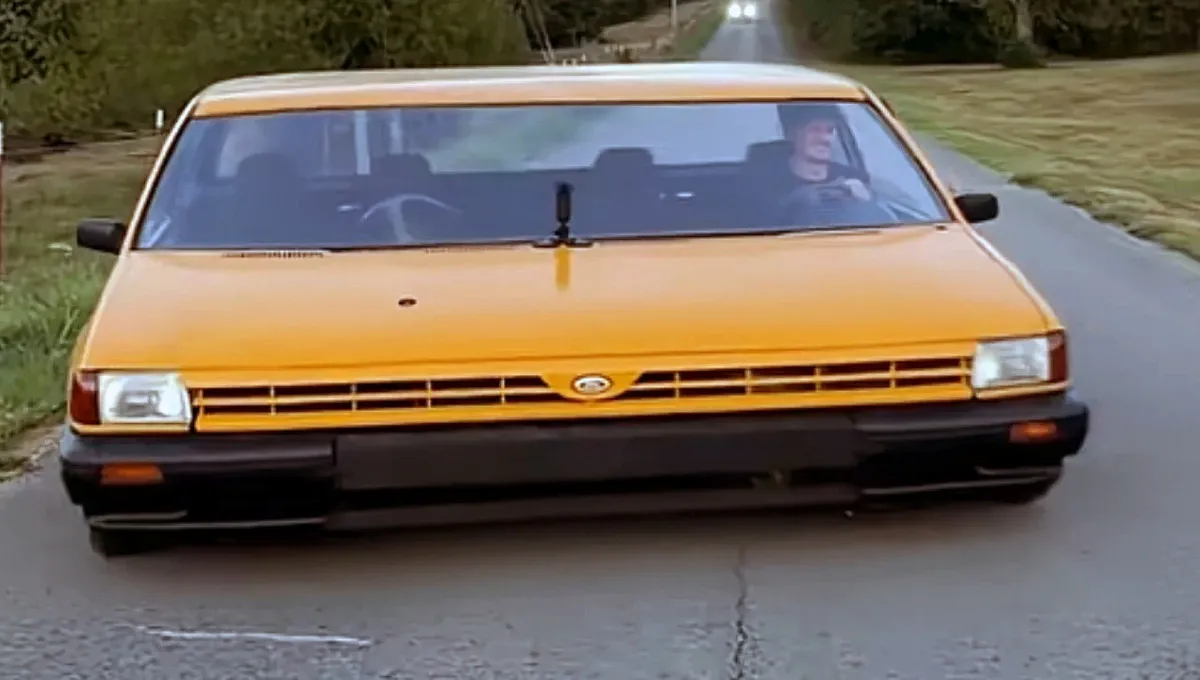
Tennessee Man Builds an Absurdly Wide Car Where Everyone Gets to Ride Shotgun
Tennessee creator Tyler Fever built an absurdly wide car after previously turning a Ford Festiva into a street-legal sliver.