
Nissan Creates “V6 Day,” Sending a Clear Message About the Future of Gas-Powered Performance
Nissan is celebrating its legendary V6 engines while much of the auto industry shifts toward EV technology.
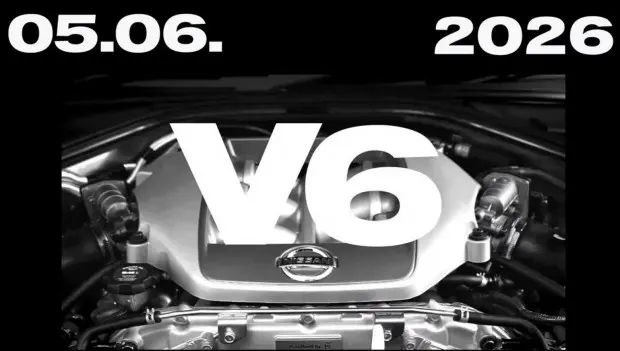
As global automakers rush toward electrification and battery-powered vehicles, Nissan is moving in the opposite direction. The Japanese brand has officially declared May 6 as annual “V6 Day,” a celebration dedicated to the company’s iconic six-cylinder engines.
And no, it’s not a joke.
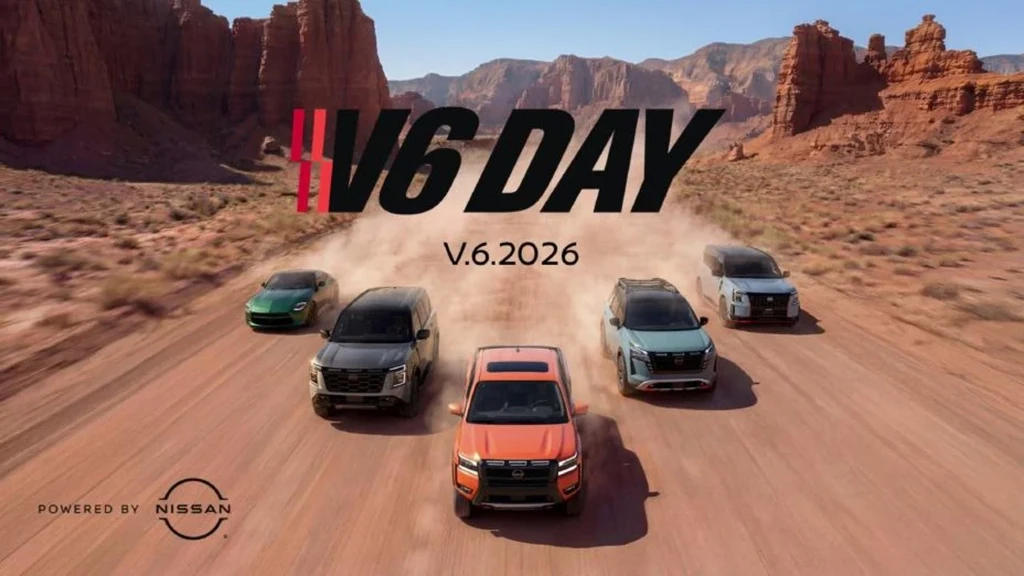
For Nissan, the announcement is a very public statement that powerful gasoline engines still matter. While competitors continue downsizing engines or eliminating them entirely, Nissan says the V6 remains a major part of the brand’s future.
A Celebration for Drivers Who Still Love the Sound of a V6
The new holiday wasn’t created randomly. At Nissan, the V6 isn’t just another engine layout — it’s part of the company’s identity.
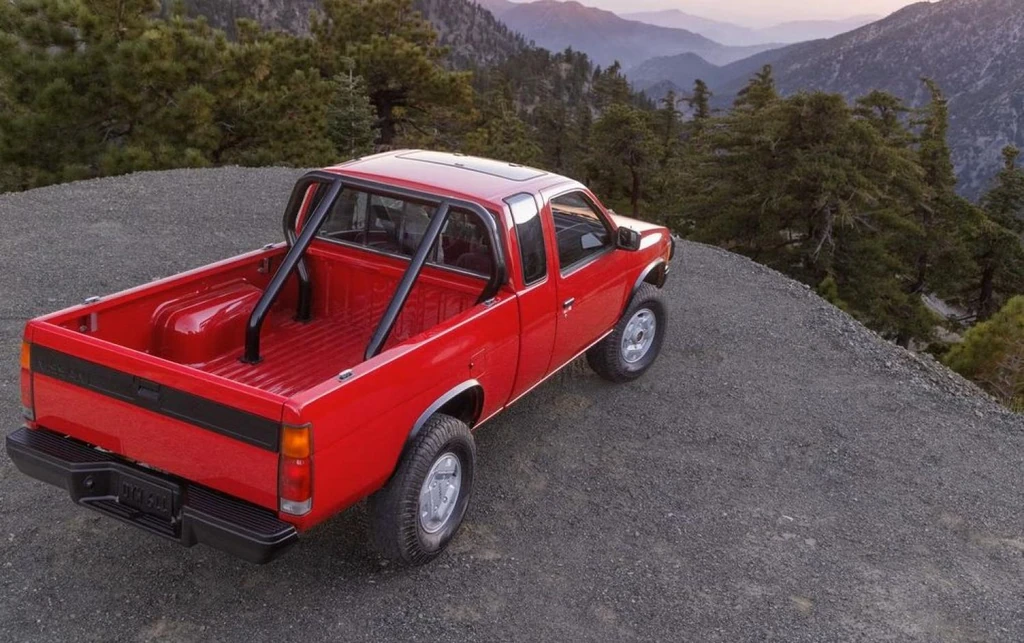
From the growl of the legendary 300ZX to the brutal acceleration of the GT-R, and from the rugged Pathfinder to the hard-working Frontier pickup, Nissan’s V6 engines have powered some of the company’s most recognizable vehicles for decades.
Christian Meunier, chairman of Nissan Americas, recently called the V6 “the heart of our lineup.” According to him, Nissan has no plans to phase out the engine. In fact, the company is preparing new applications for it, including hybrid powertrains.
One major focus is the rumored return of the body-on-frame Xterra SUV, which Nissan has already confirmed will use a V6 engine.
Twenty Million Reasons Nissan Is Proud
So why exactly was May 6 chosen?
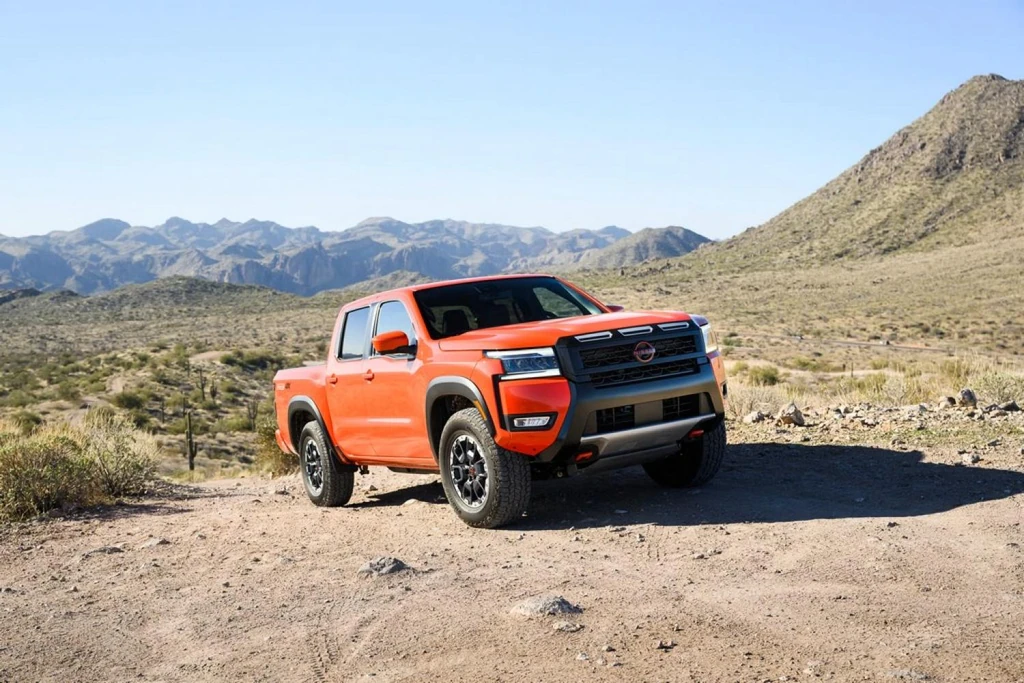
Besides the obvious V6 wordplay, Nissan also has a major production milestone to celebrate. The company’s engine plant in Decherd, Tennessee recently produced its 20 millionth engine since opening in 1997.
Appropriately, the milestone engine was a V6 destined for the Nissan Frontier.
The plant alone has built nearly 6.5 million V6 engines over the years, while total investment in the facility has now surpassed $14 billion.
From the Legendary VQ to the Hand-Built VR38
Nissan still offers one of the largest V6 lineups in today’s auto industry.
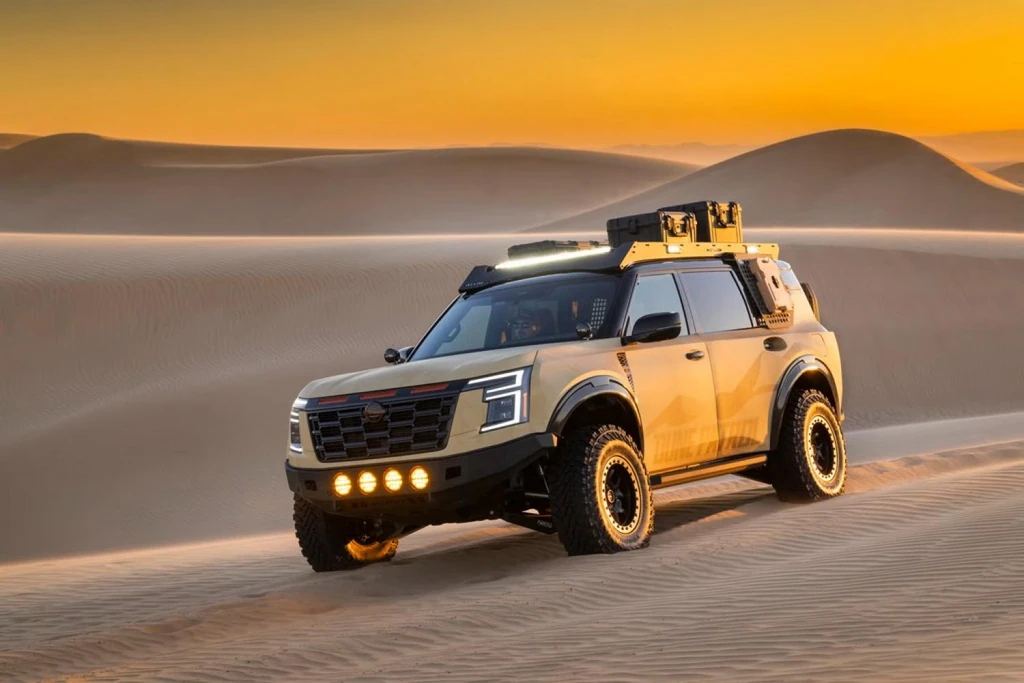
Its six-cylinder engines power everything from the Nissan Z sports car to the Infiniti QX80 luxury SUV and several of the company’s pickup trucks.
One of Nissan’s biggest success stories remains the naturally aspirated VQ engine family. Between 1995 and 2008, the VQ appeared on WardsAuto’s prestigious “10 Best Engines” list for 14 consecutive years — an achievement very few engines have matched.
At the very top of Nissan’s performance hierarchy sits the VR38DETT, the twin-turbocharged V6 hand-assembled by Nissan’s elite Takumi master technicians.
Rumors continue to suggest the next-generation GT-R R36, expected before 2030, could retain the same V6 engine while pairing it with a high-performance hybrid system.
Nissan Bets on Common Sense
Even as EV sales continue growing, Nissan appears realistic about current market demand.
Consumer surveys still show many drivers remain hesitant to fully switch from gasoline to electric vehicles because of charging concerns, driving range, and affordability.
That’s why “V6 Day” feels like more than simple marketing.
For Nissan, it’s also about preserving the emotional side of driving — the sound, personality, and mechanical feel that enthusiasts still love about internal combustion vehicles.
At a time when much of the industry is walking away from gas engines, Nissan’s move feels like a deliberate nod to traditional car culture and the loyal fans who still apreciate it.
You may also be interested in the news:
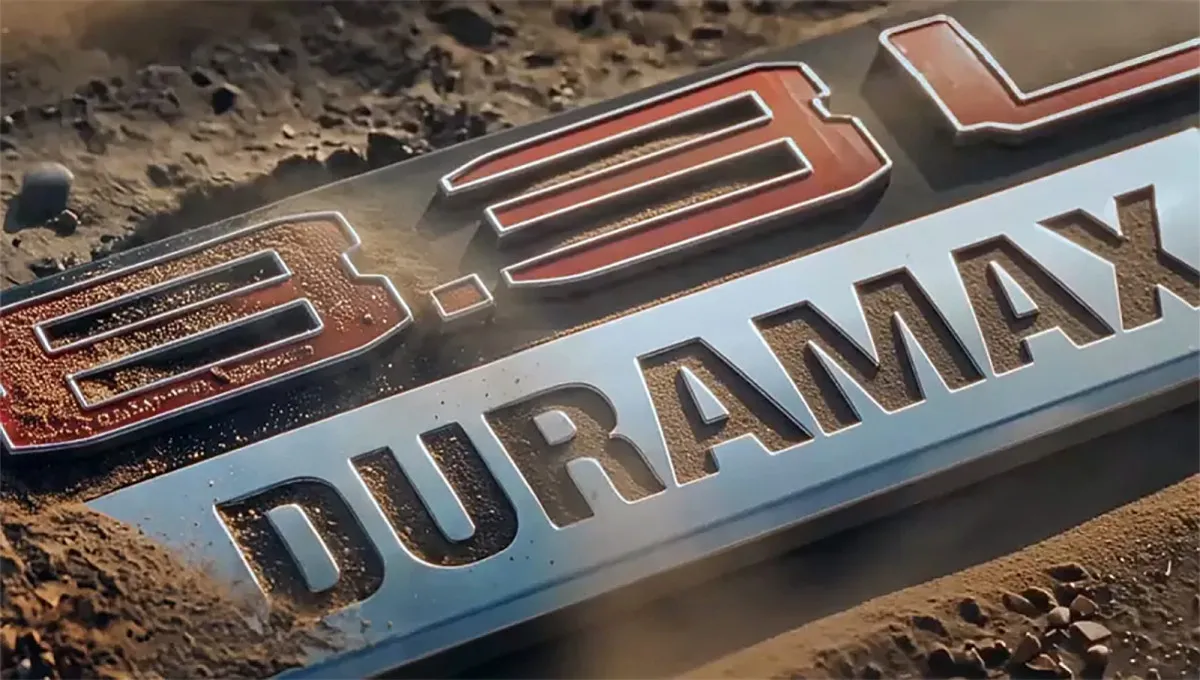
GM Just Unleashed an 8.3-Liter Diesel V8 to Take on Ford’s 1,200-Lb-Ft Power Stroke
General Motors has confirmed an all-new 8.3-liter Duramax V8 diesel called Mongoose for the 2027 Silverado HD and Sierra HD.
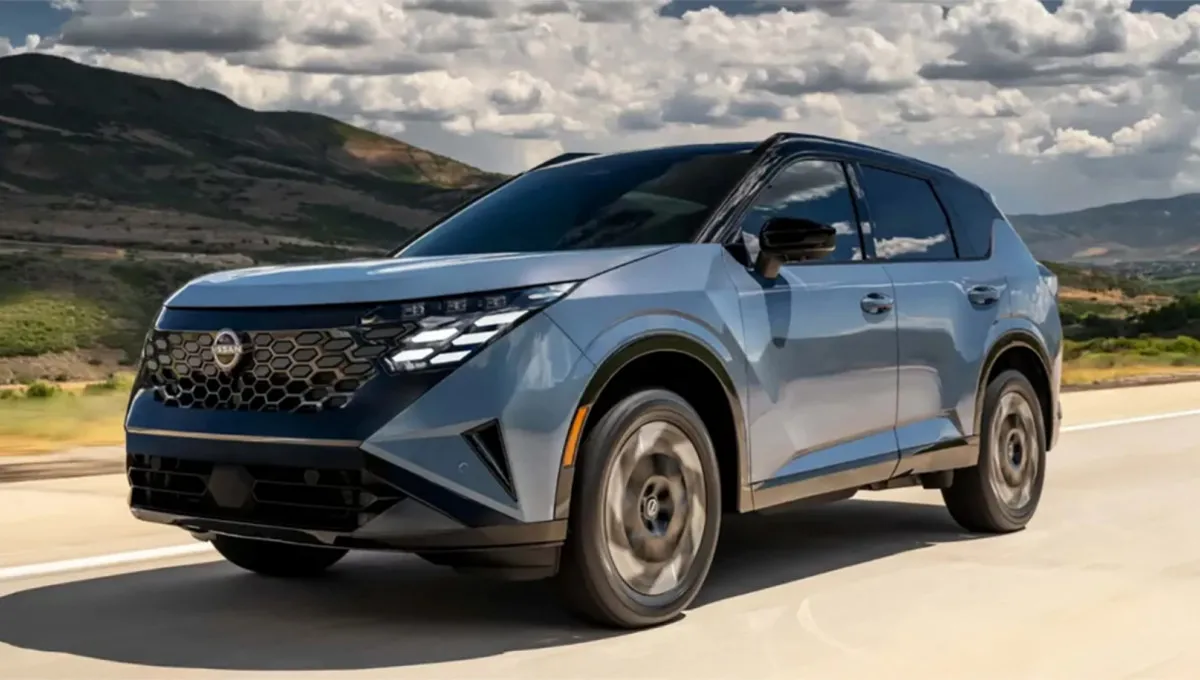
The New Nissan Rogue Is Here—and Its Hybrid Powertrain Changes Everything
The new Nissan Rogue makes its U.S. debut with a ground-up Nissan design and an all-new hybrid powertrain built around electric motors.
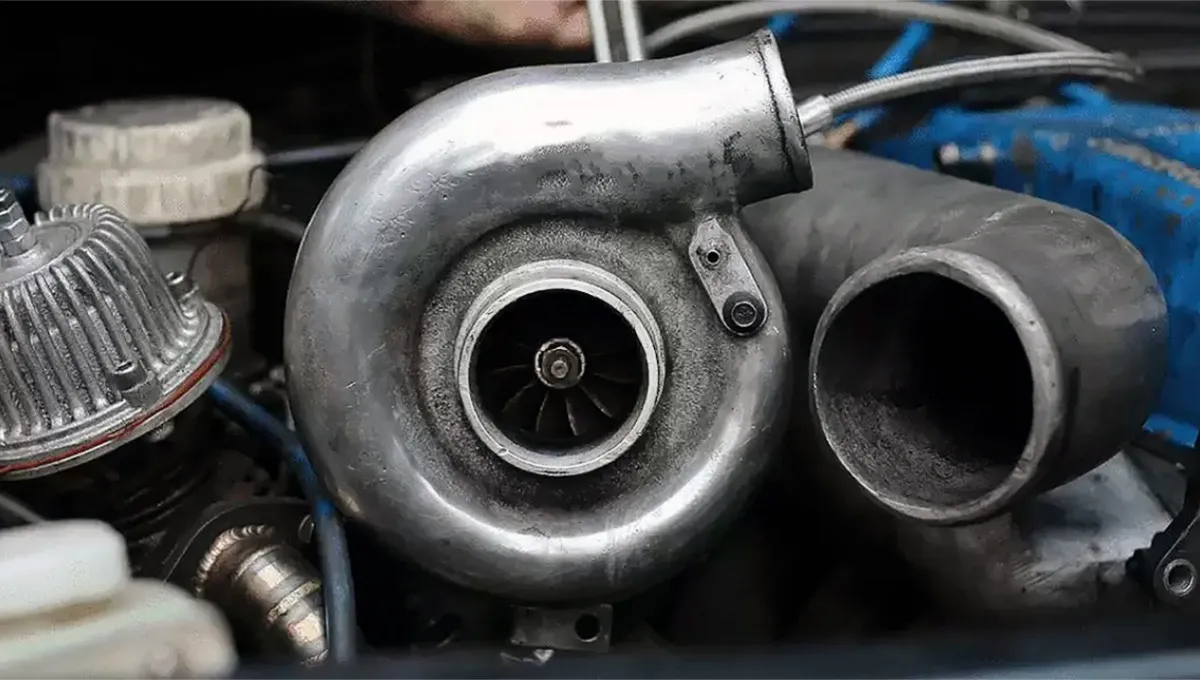
Why Small Turbo Engines Are Replacing Big V8s—and What It Means for Your Next Car
Turbochargers let automakers squeeze big-engine performance from smaller engines—but the technology comes with trade-offs.
American Heart, British Body: Defender Just Got a Corvette V8—and It’s a $210,000 Beast
Osprey Custom has unveiled its latest restomod project, giving a classic Land Rover Defender a powerful Corvette V8 and modern upgrades.
Why Are Automakers Really Shrinking Engines to 1.5 Liters?
Why is the auto industry shrinking engine sizes so aggressively?