
Why Rubber Hoses Are Stretched Across Highways in the U.S.
Those strange rubber tubes across American roads actually play a major role in tracking traffic patterns.
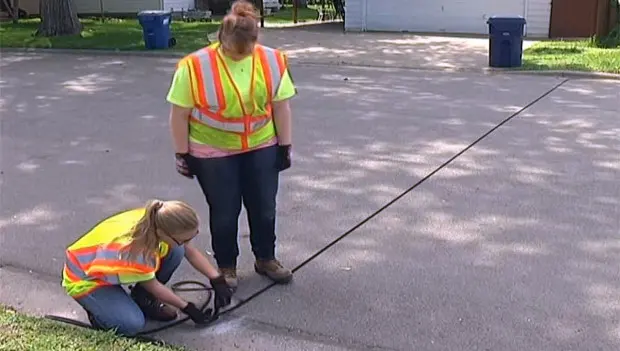
If you’ve ever driven on a highway in the United States, you may have noticed mysterious rubber hoses stretched across the pavement. At first glance, they look odd — almost like somebody accidentally left equipment lying across the road.
But those rubber tubes are actually traffic sensors, and they serve an important purpose.
A Simple but Clever Traffic Sensor

The devices are officially known as pneumatic road tubes. Transportation departments use them as temporary traffic-monitoring systems to collect real-world driving data.
Their operation is surprisingly simple.
When a vehicle drives over the rubber tube, the tire compresses the air inside it. That sudden pressure change creates a pulse, which is then detected by electronic monitoring equipment.
One end of the tube is sealed, while the other connects to a small roadside sensor unit that records every pressure spike caused by passing vehicles.
What the Tubes Actually Measure
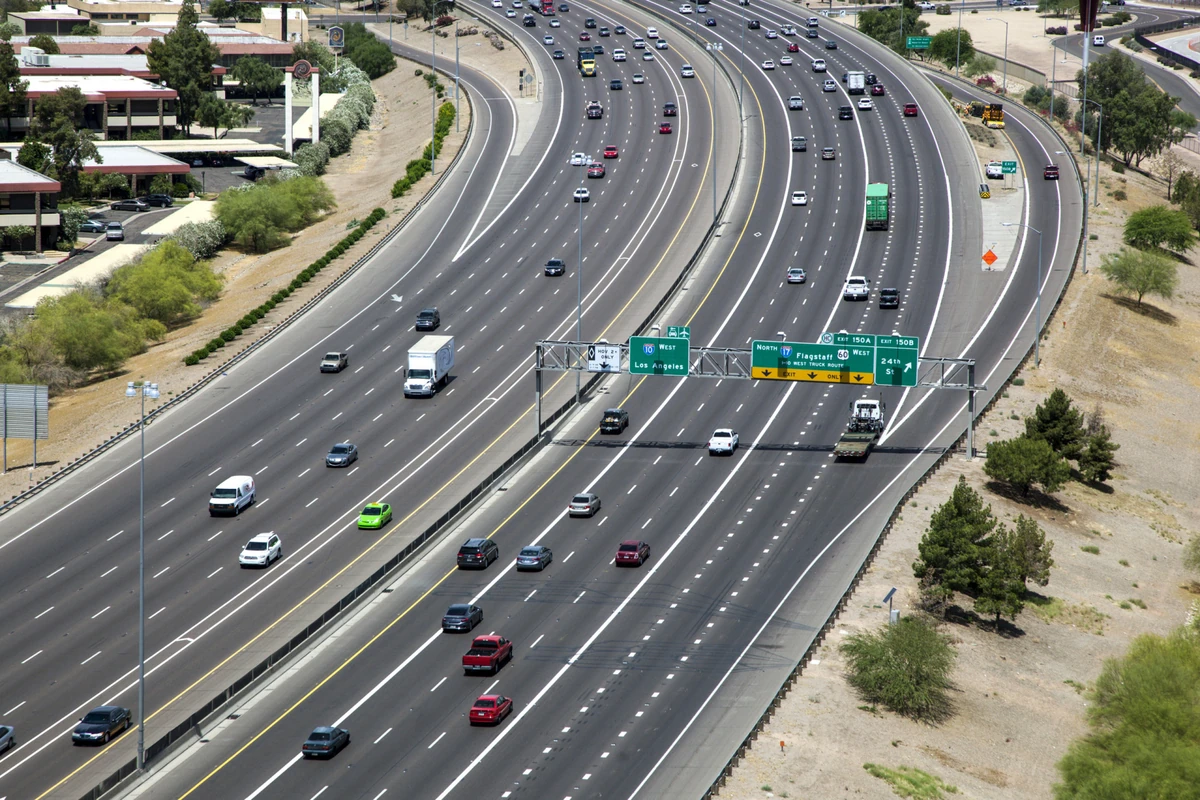
These temporary road sensors help transportation agencies gather several types of traffic information, including:
- Total number of vehicles using the road
- Traffic volume during specific hours or days
- Vehicle speed
- Direction of travel
- In some cases, the type of vehicle based on axle spacing
The collected data is transmitted to a battery-powered receiver usually attached to nearby poles, signs, or placed inside small roadside equipment cabinets.
Why They’re Used Instead of Permanent Sensors

Pneumatic road tubes are designed as temporary monitoring tools rather than permanent infrastructure.
On heavily traveled highways, the rubber tubes can wear out fairly quickly due to constant traffic and weather exposure. However, they aren’t intended to stay on the road permanently anyway. Transportation crews install them only when traffic studies or temporary monitoring is needed.
Permanent traffic sensors are usually embedded directly into the pavement, making them far more durable but also significantly more expensive to install.
Still Common Across America

Despite advances in modern traffic-monitoring technology, pneumatic road tubes remain widely used throughout the United States because they’re inexpensive, portable, and easy to deploy.
So the next time you hear a small “thump-thump” while driving over one of those rubber hoses, you’ll know your vehicle just helped collect traffic data for local transportation engineers.
You may also be interested in the news:
That O/D OFF Button in Your Car Has a Purpose—Here’s When You Actually Need to Press It
That mysterious O/D OFF button isn't a warning of transmission trouble—it can actually make driving easier in specific situations.
Honda Is Rethinking Its Future SUVs—and a Massive New Ohio Plant Is Coming
Honda is planning a major Ohio expansion as it shifts its future lineup toward larger hybrid SUVs.

Diesel Prices Just Hit a Record in the U.S.—And the Supply Crunch Could Get Worse
U.S. diesel prices have hit record highs as tightening global supplies raise concerns about further increases.

Ford Ranger FX4 Level II Was Cool Long Before the Raptor
Ford Built This Insane Ranger Years Before the Raptor—and Almost Nobody Remembers It

This 18-Year-Old Audi RS4 Just Sold for More Than It Cost Brand-New
After spending 18 years in a garage, this low-mileage Audi RS4 has become a sought-after collector car.