
Why Tire Punctures From Screws Keep Happening on Highways
Loose screws on highways are causing more tire punctures than many drivers realize across America today.
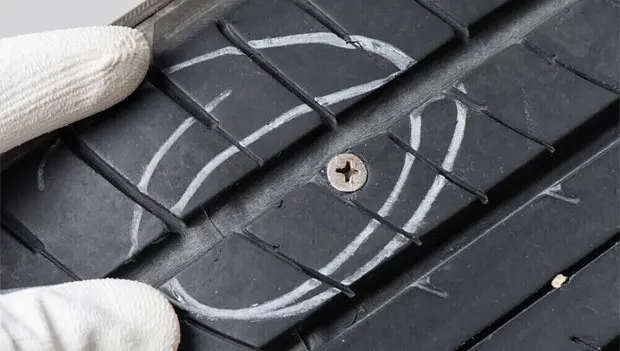
You’re cruising down the interstate, traffic is light, everything feels routine — and then suddenly the tire pressure warning light flashes on the dashboard. You pull onto the shoulder, check the tires, and at first nothing seems wrong. Then comes the faint hissing sound that confirms your trip just got a whole lot more annoying. A visit to the tire shop later reveals the culprit: a screw lodged in the tread.
For many experienced drivers, stories like this are painfully familiar. Sooner or later, almost everyone ends up dealing with a tire puncture caused by a screw or self-tapping fastener. In fact, many motorists feel like these incidents have become even more common over the years. Naturally, that raises the question — where are all these screws coming from in the first place?
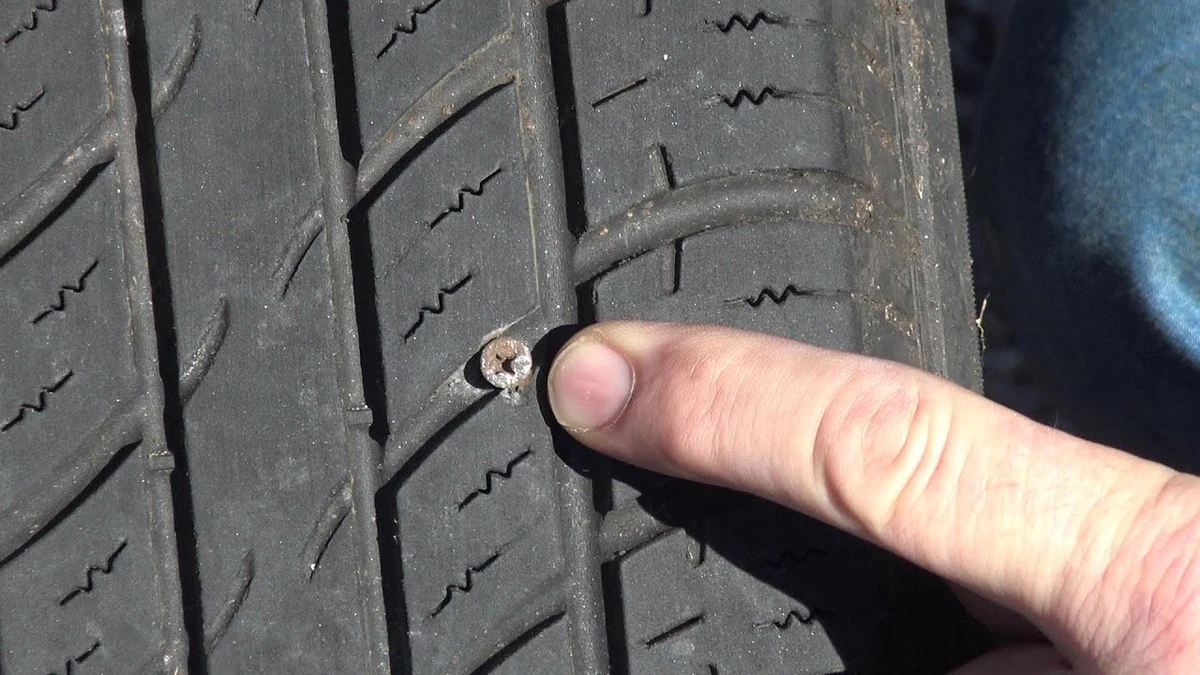
The answer is actually pretty simple, though not exactly comforting. In most cases, screws end up on roads because of construction and transportation work. Modern building projects rely heavily on self-tapping screws for wood framing, drywall, roofing, and countless other tasks. During transport, some hardware inevitably falls from trucks or trailers and stays behind on the pavement.
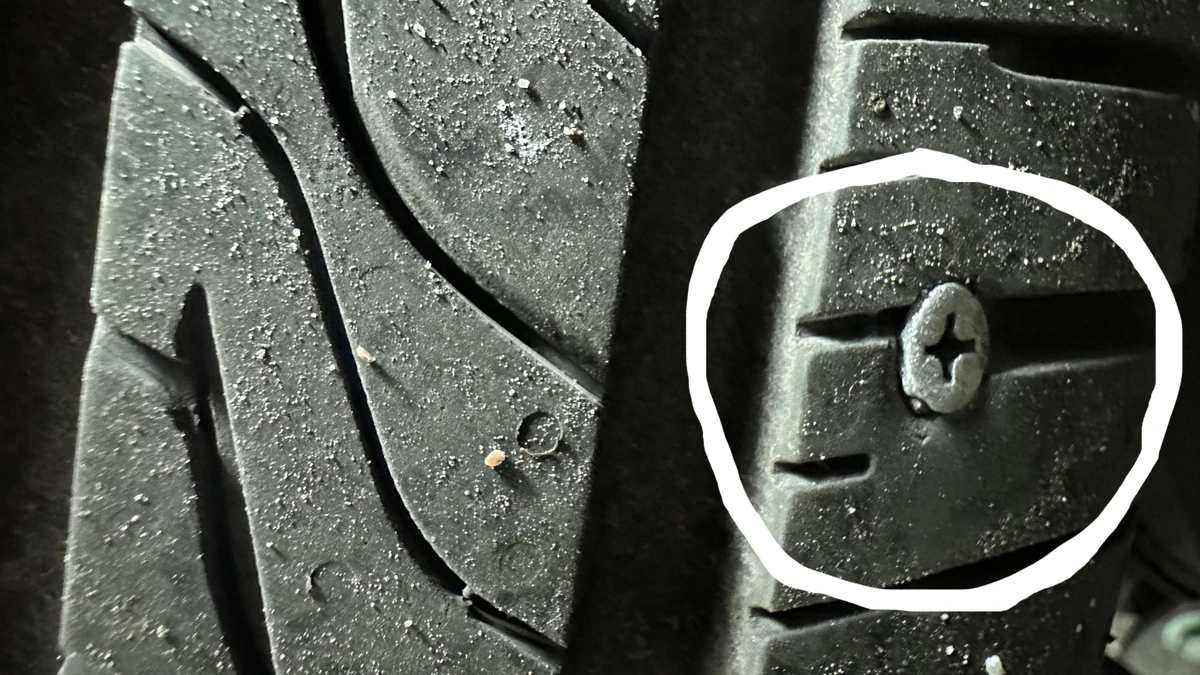
There’s another source, too. Plenty of drivers use screws for quick vehicle repairs, fastening loose bumpers, fender liners, mud flaps, or body panels. Over time, some of those parts shake loose and scatter onto the roadway. Construction debris hauling also contributes to the problem, especially when loads aren’t properly secured and random materials spill onto highways.
And then there’s the less pleasant possibility: sometimes the screws appear there intentionally. Whether it’s vandalism, negligence, or just plain carelessness, drivers occasionally become unwilling victims of someone else’s mess. Or somebody simply droped them by accident.
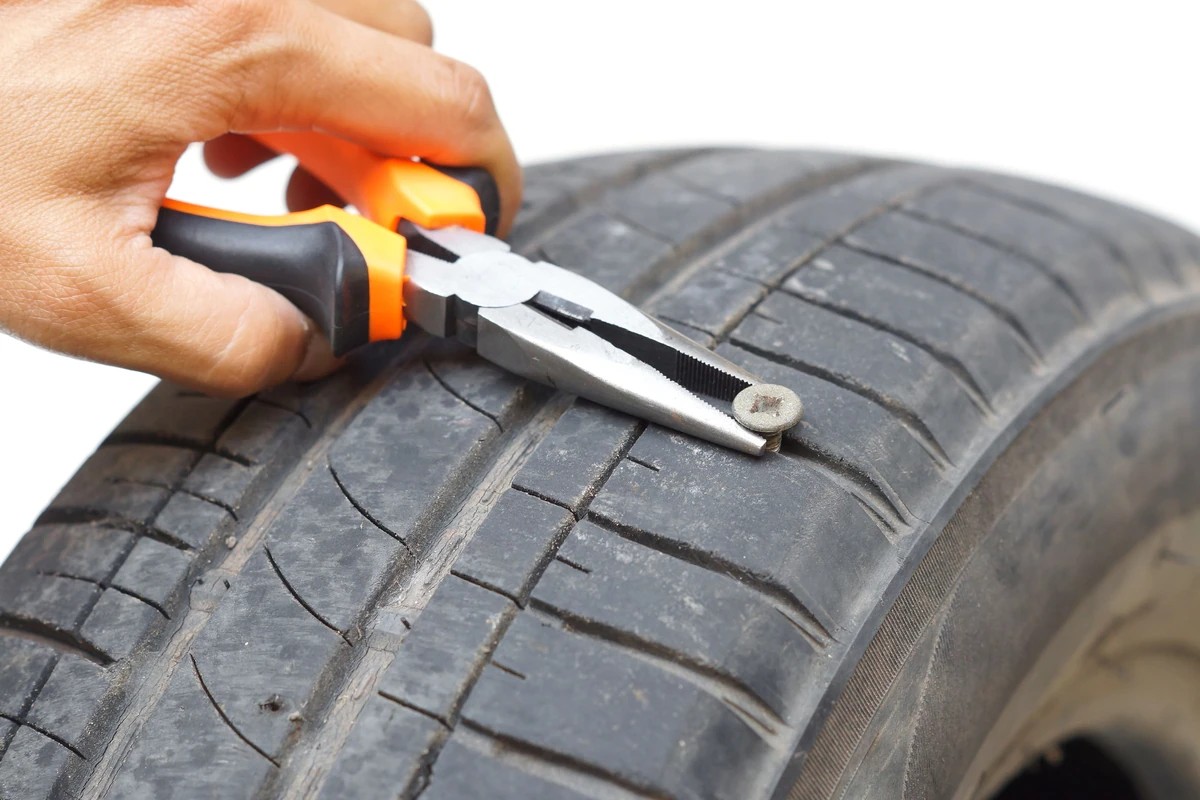
What makes screws especially nasty compared to other sharp road debris is the way they interact with tires. Short screws are particularly dangerous. The process usually happens in two stages. One tire rolls over the screw first, flipping it upright with the sharp end pointing upward. When the next tire hits it, the screw can drive straight into the tread.
Unlike larger objects, screws are also surprisingly difficult to spot during a quick roadside inspection. The puncture hole may be tiny, and the screw itself can sit deep enough inside the tread that it blends into the rubber. That’s why many drivers hear air leaking before they ever see the actual damage.
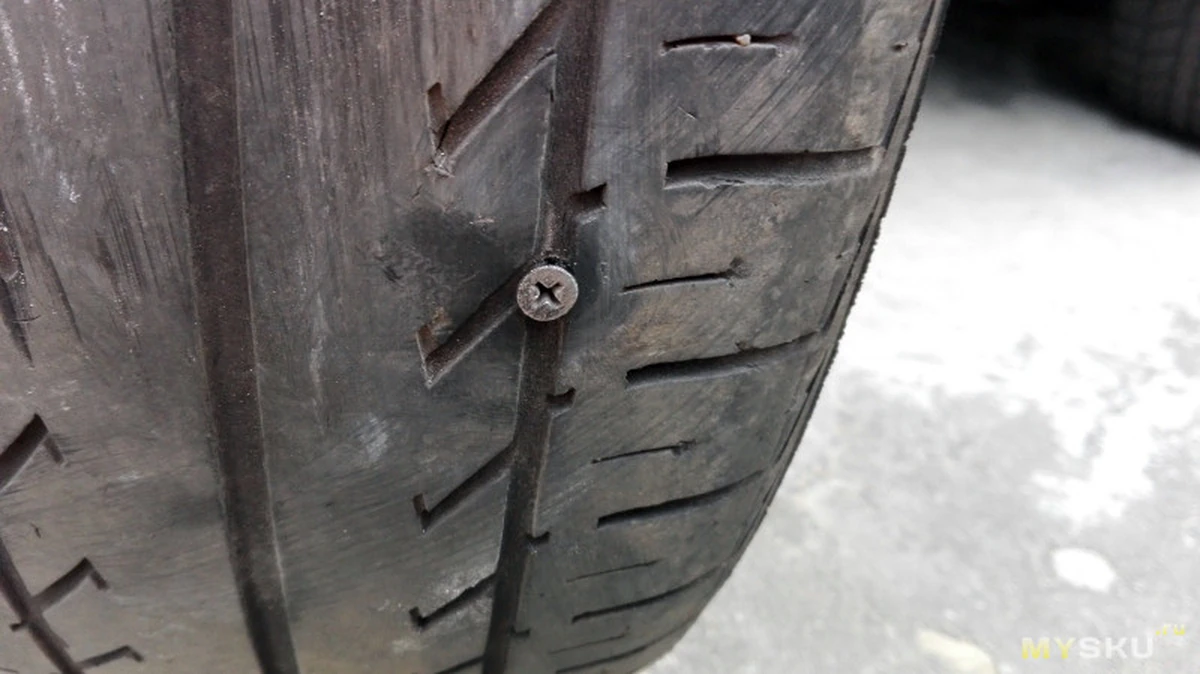
Modern tires are durable, but they’re still vulnerable to small metal hardware scatterd across busy highways every single day. And with construction traffic, overloaded trucks, and roadside debris becoming increasingly common, these frustrating punctures probably aren’t going away anytime soon.
You may also be interested in the news:

7 Cars That Should Have Been Legends — But One Big Flaw Held Them Back
Some cars had the styling, performance and character to become icons, but one glaring weakness kept them just short of legendary status.

Your Steering Wheel Starts Shaking at 60 MPH? Don’t Ignore These Warning Signs
A vibrating steering wheel is often most noticeable at highway speeds, but the cause isn’t always immediately obvious.

These 5 Automakers Still Refuse to Build an SUV
SUVs and crossovers now account for roughly 61% of new-vehicle sales in the U.S., yet these five automakers continue to avoid the segment.
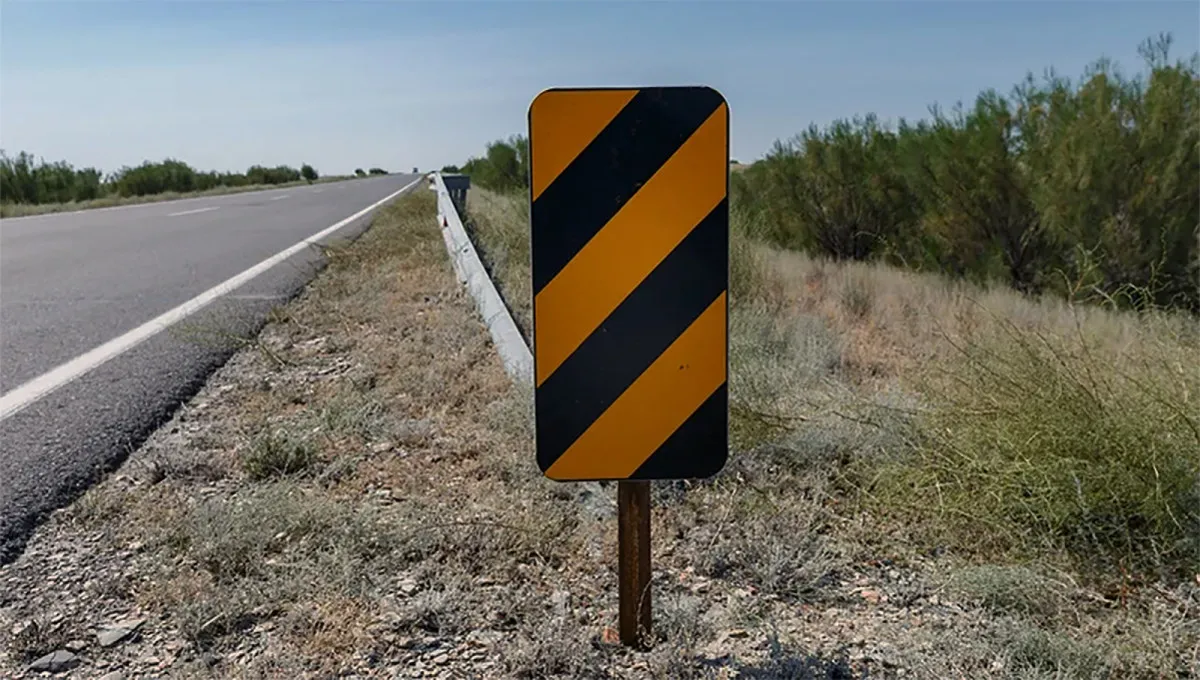
You've Seen These Black-and-Yellow Road Markers—But Do You Know What They Really Mean?
Those familiar black-and-yellow road markers quietly tell drivers which direction to take around roadside obstacles.
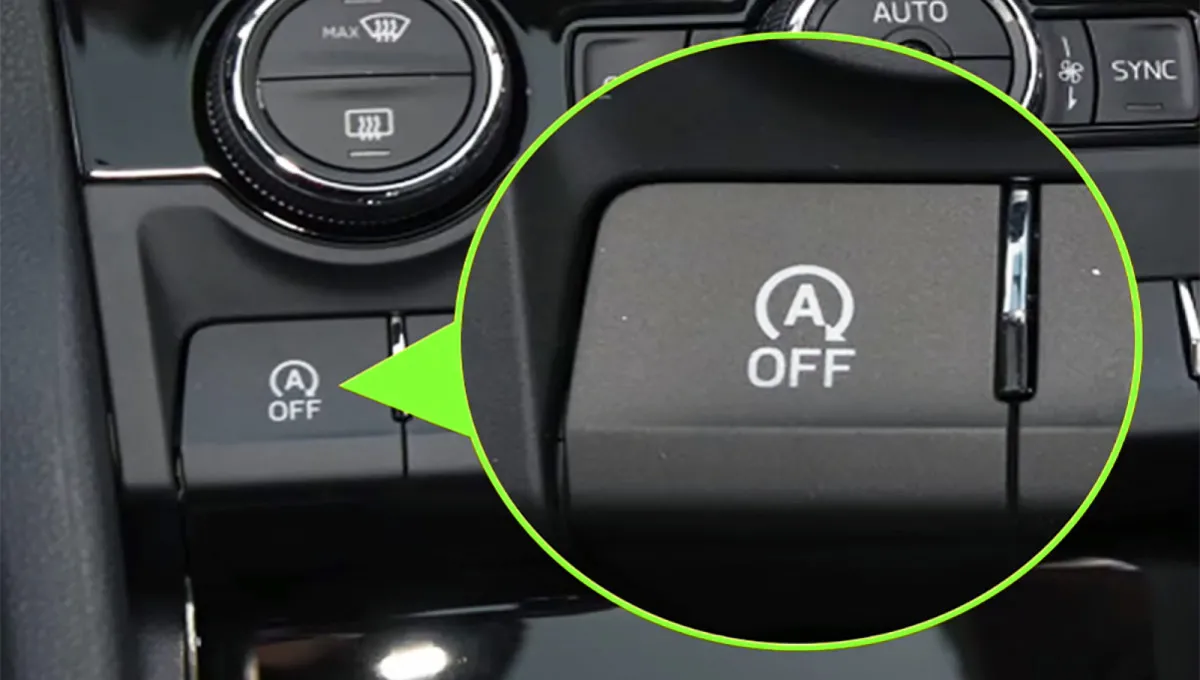
Start/Stop Systems Are Everywhere — But Are They Really Saving You Gas or Wearing Out Your Engine?
Does start-stop technology really save fuel, and does it put extra wear on the engine? Here’s what drivers need to know.