
Why Semi Trucks Lift Their Rear Wheels: Driver Habit or Practical Necessity
Raised rear axles on semi trucks actually serve important mechanical and financial purposes during lighter hauls.
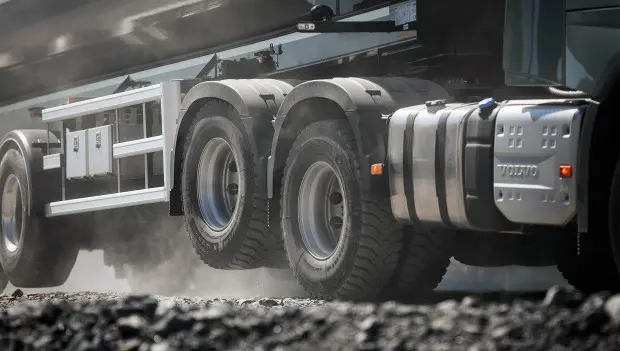
Many drivers have probably noticed that some semi trucks travel down the highway with one set of rear wheels lifted off the ground. For people unfamiliar with the trucking industry, the sight can seem strange — almost like something is wrong with the trailer. In reality, there’s a very practical reason behind it.
If you look closely at certain tractor-trailers, you’ll notice that not every wheel is always touching the pavement. However, this only happens on specific trucks and trailer configurations. The reason is simple: the extra axle usually isn’t needed when the truck is running empty or carrying only a light load.
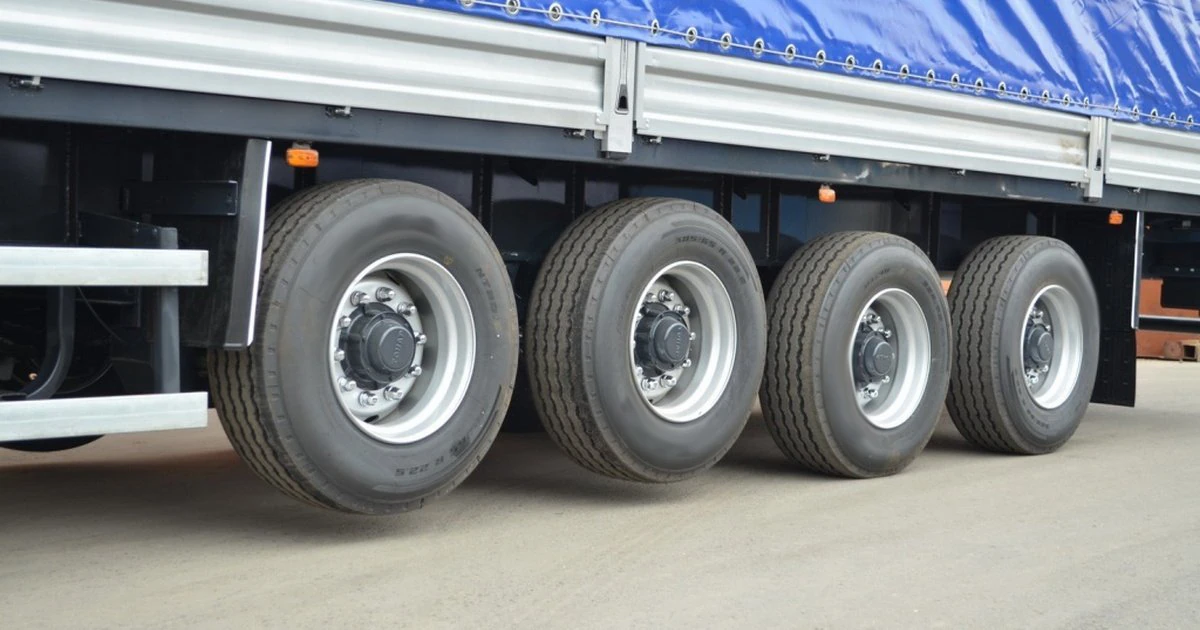
Modern semi trailers often use lift axles, sometimes called tag axles or pusher axles, which can be raised or lowered depending on cargo weight. When the trailer isn’t heavily loaded, the driver can lift one axle to reduce unnecessary wear.
The biggest reason for lifting the rear axle comes down to economics. Truck tires are expensive, especially for heavy-duty commercial vehicles that spend thousands of miles on the road every month. By keeping one axle off the pavement during lighter trips, trucking companies reduce tire wear and extend the life of the rubber.
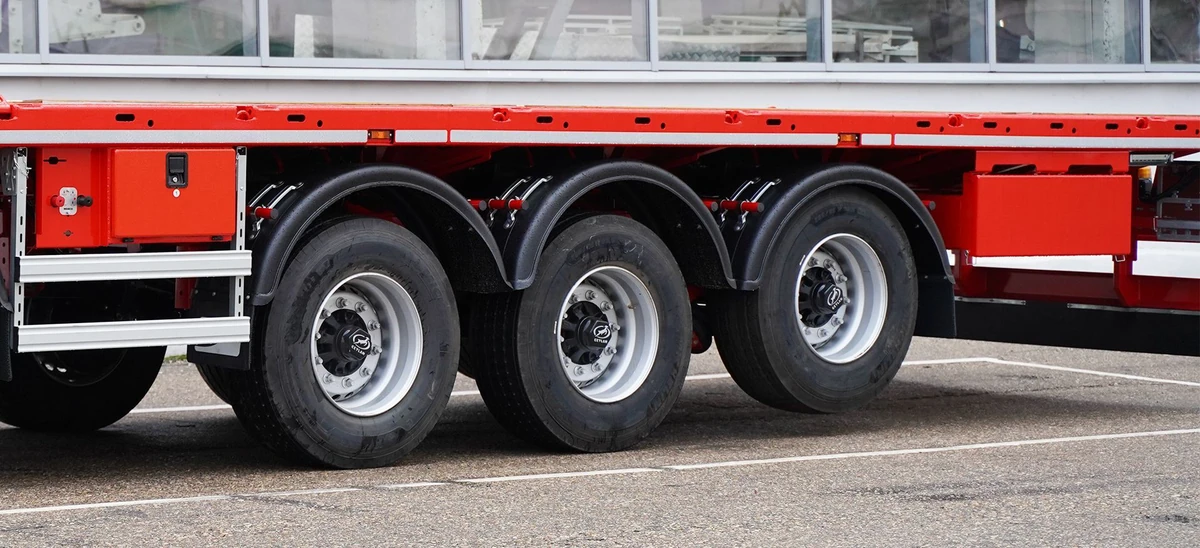
Less rolling resistance also helps improve fuel economy — an important advantage when diesel costs continue fluctuating. Even small efficiency gains matter in long-haul trucking, where operating costs add up quickly.
There’s another important benefit: maneuverability. When all trailer axles remain on the ground, turning and maneuvering become more difficult, particularly in tight spaces or during sharp turns.
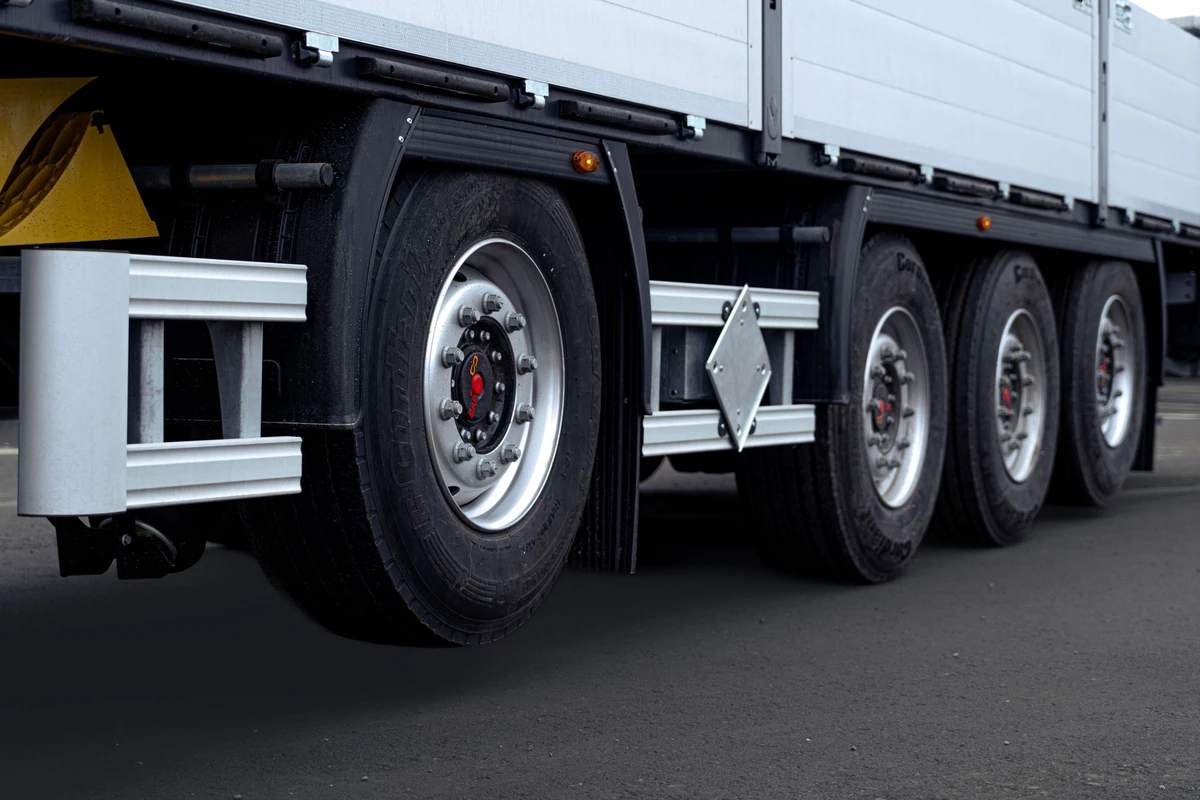
By lifting one axle, the truck creates less friction against the pavement, making the vehicle easier to steer and reducing stress on both the suspension and tires. In some situations, it can also improve overall vehicle stability and reduce wear on drivetrain components.
Lift axles aren’t exclusive to tractor-trailers. Many heavy-duty dump trucks, construction vehicles, and large commercial haulers also use similar systems when their design includes more than two axles.
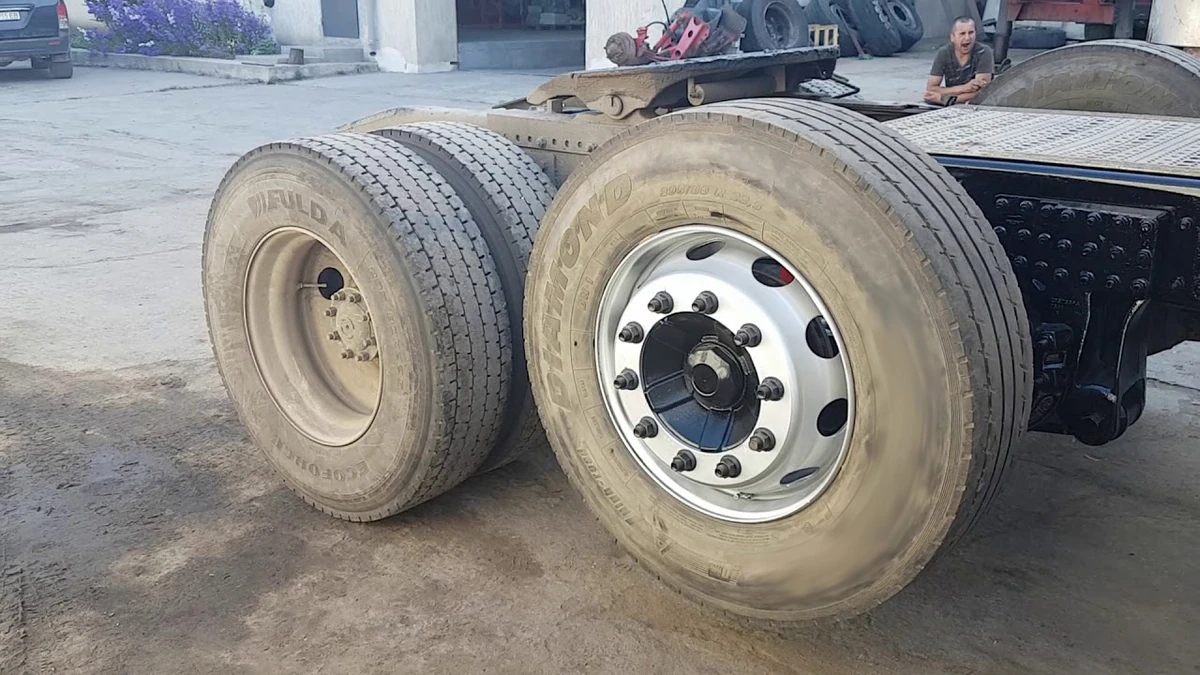
So the next time you spot a semi truck rolling down the interstate with raised rear wheels, you’ll know it’s not a styling choice or driver quirk — it’s a smart solution designed to save money, reduce wear, and make massive trucks easier to handle.
You may also be interested in the news:

7 Cars That Should Have Been Legends — But One Big Flaw Held Them Back
Some cars had the styling, performance and character to become icons, but one glaring weakness kept them just short of legendary status.

These 5 Automakers Still Refuse to Build an SUV
SUVs and crossovers now account for roughly 61% of new-vehicle sales in the U.S., yet these five automakers continue to avoid the segment.

You've Seen These Black-and-Yellow Road Markers—But Do You Know What They Really Mean?
Those familiar black-and-yellow road markers quietly tell drivers which direction to take around roadside obstacles.

Start/Stop Systems Are Everywhere — But Are They Really Saving You Gas or Wearing Out Your Engine?
Does start-stop technology really save fuel, and does it put extra wear on the engine? Here’s what drivers need to know.
3 Signs Your Car Battery Is About to Die — And the Warning Signs Drivers Often Miss
A failing car battery rarely dies without warning, and these three signs can give drivers time to act before getting stranded.