
When Iconic Cars Let Enthusiasts Down: The Models That Lost Their Loyal Fan Bases
Automakers can spend decades building passionate followings, only to lose them with one controversial redesign.
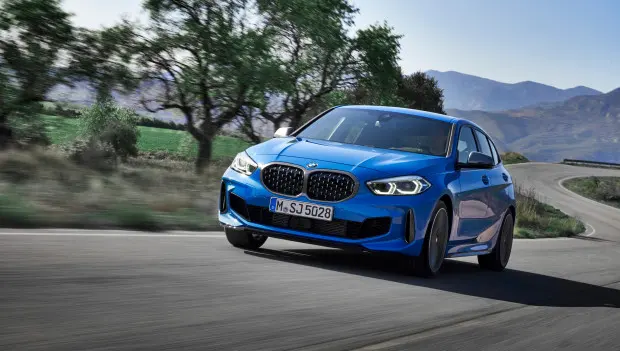
For many drivers, loyalty to a specific car model runs deep. Some enthusiasts stick with the same badge for decades, proudly buying each new generation the moment it hits dealerships. But even the strongest fan loyalty has limits. Sometimes, one questionable redesign or major engineering shift is enough to alienate even the most dedicated supporters.
1. Mitsubishi Eclipse Cross
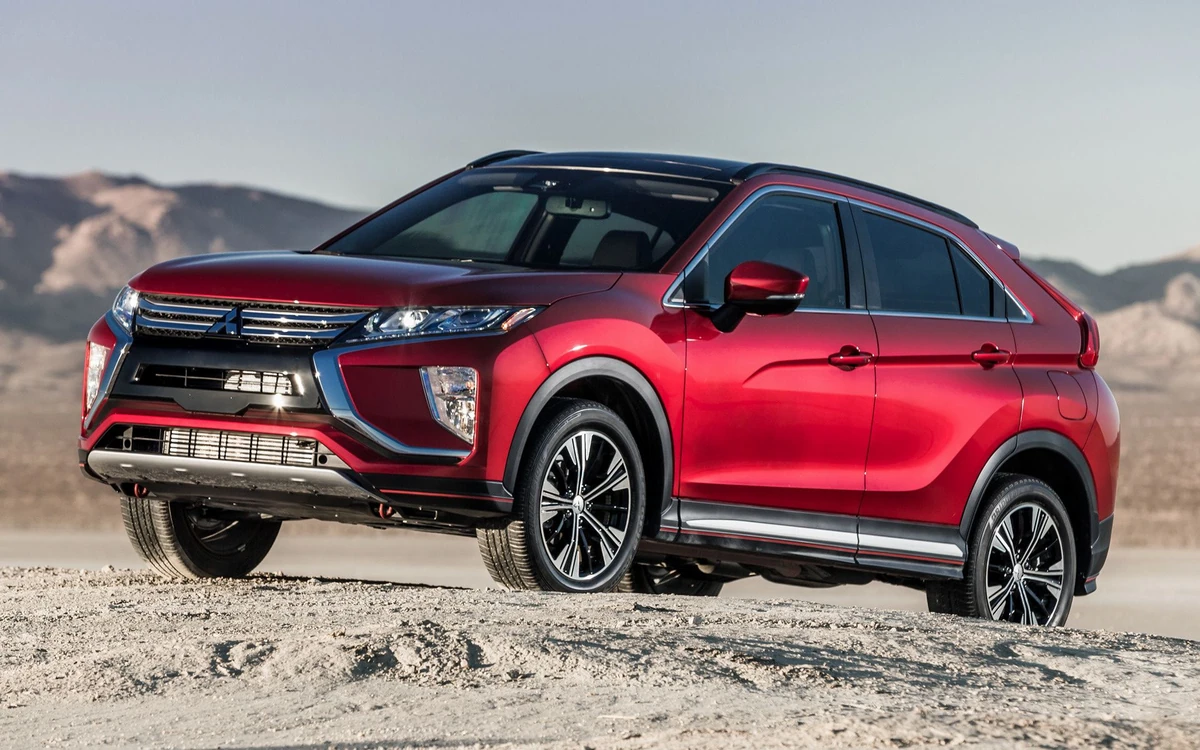
The Mitsubishi Eclipse name once represented sleek sports coupes and stylish convertibles. Today, the Eclipse Cross exists solely as a compact crossover SUV. While the vehicle itself isn’t necessarily bad, longtime fans never fully accepted the transformation of a beloved performance-oriented nameplate into a family-focused utility vehicle.
2. Toyota Supra (A90)
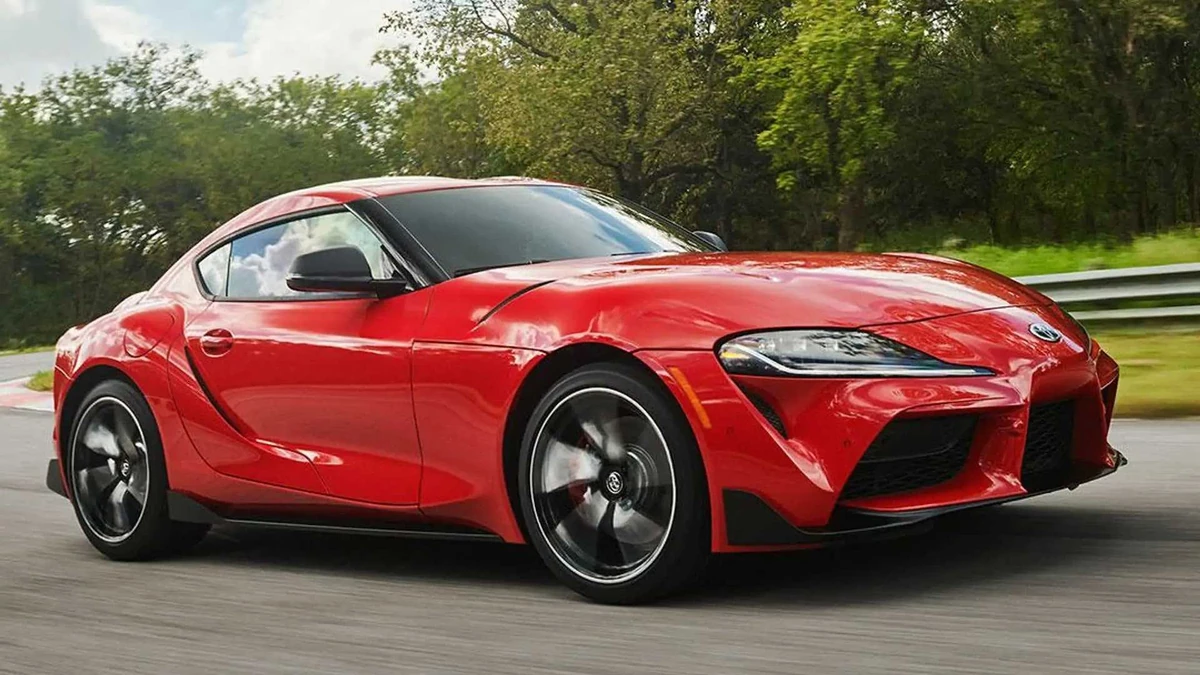
The latest Toyota Supra remains a capable sports car, but many enthusiasts still criticize its close relationship with the BMW Z4. Underneath the bodywork, the two cars share much of their engineering, leaving some loyal Supra fans disappointed by the lack of a truly independent Toyota platform. Performance tuning options are extensive, but critics argue the car still falls behind several rivals in straight-line acceleration by nearly a full second.
3. BMW 1 Series (F40)
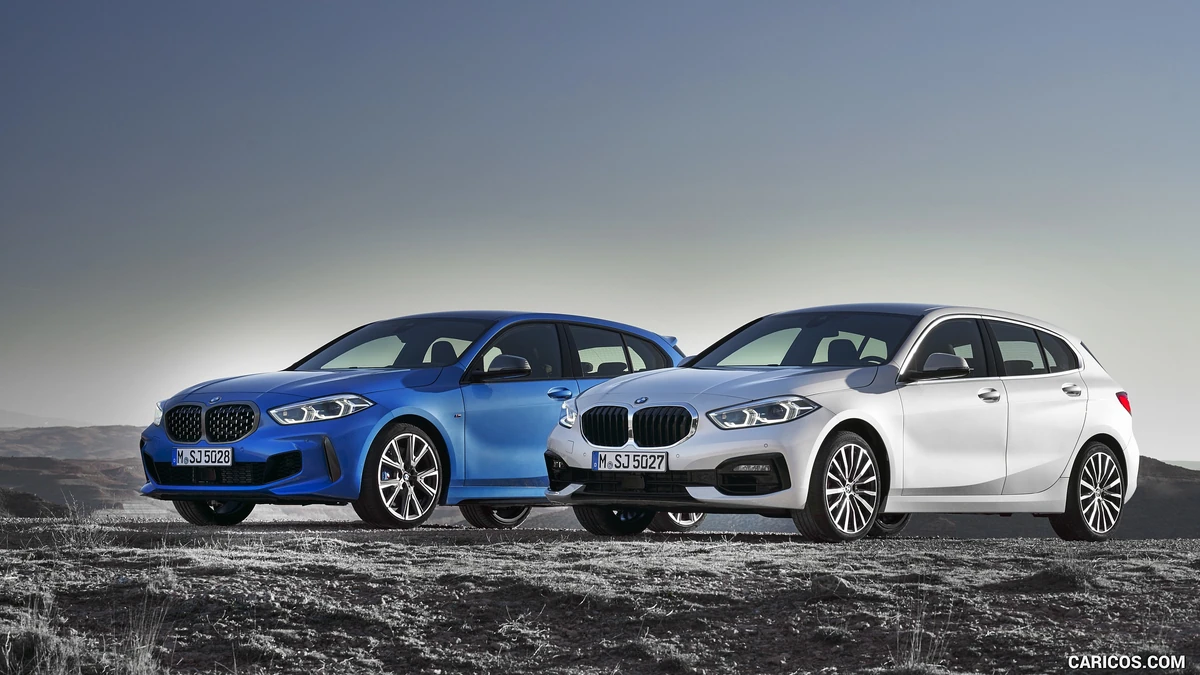
Among BMW purists, the F40-generation 1 Series sparked immediate backlash. The biggest issue? BMW moved the car to a front-wheel-drive platform, abandoning the rear-wheel-drive layout enthusiasts had long associated with the brand. Many drivers also complained that the newer model lost some of the sharp handling characteristics that once made the 1 Series stand out.
4. Ford Puma (Second Generation)
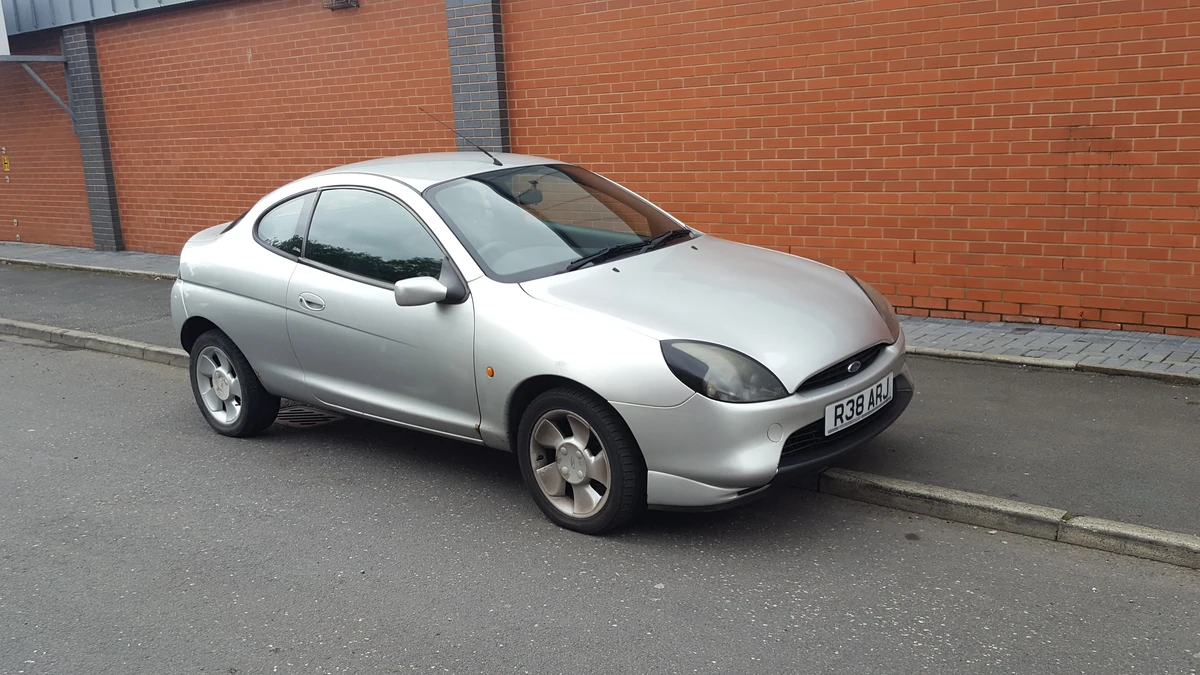
Back in 1997, the original Ford Puma earned widespread praise and even won “Car of the Year” honors in parts of Europe. The modern Puma, however, returned as a compact crossover instead of the lightweight sporty coupe fans remembered. For many longtime enthusiasts, turning a fun rally-inspired car into another SUV crossed the line.
5. Maserati Quattroporte (AM123)
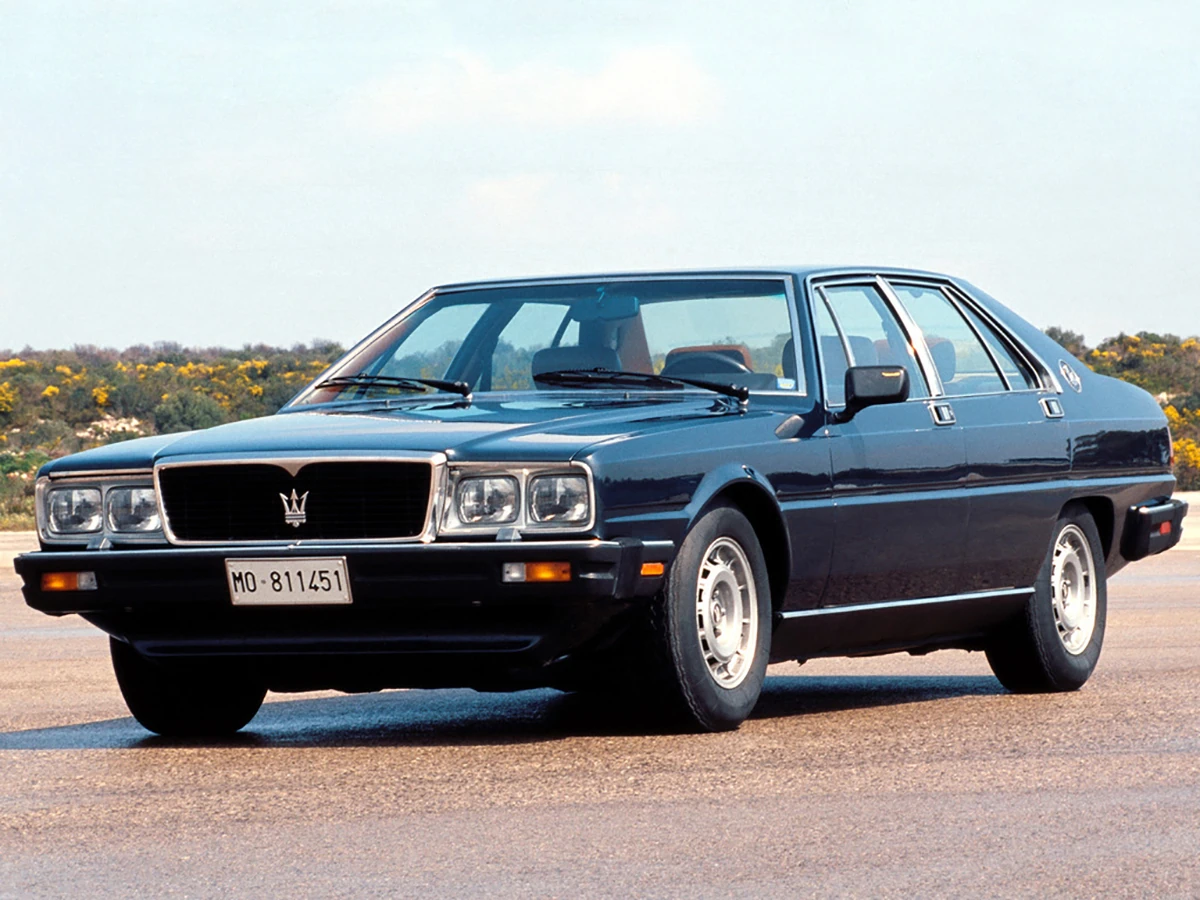
Only 13 examples of this generation were reportedly produced during its four-year run. That wasn’t due to exclusivity—it was because buyers largely rejected Maserati’s decision to stretch the Quattroporte’s dimensions and move toward a front-wheel-drive layout. The global fuel crisis of the era also hurt demand significantly. Today, however, surviving examples are considered ultra-rare collector cars worth substantial money on the auction market.
6. Lancia Thema (Second Generation)
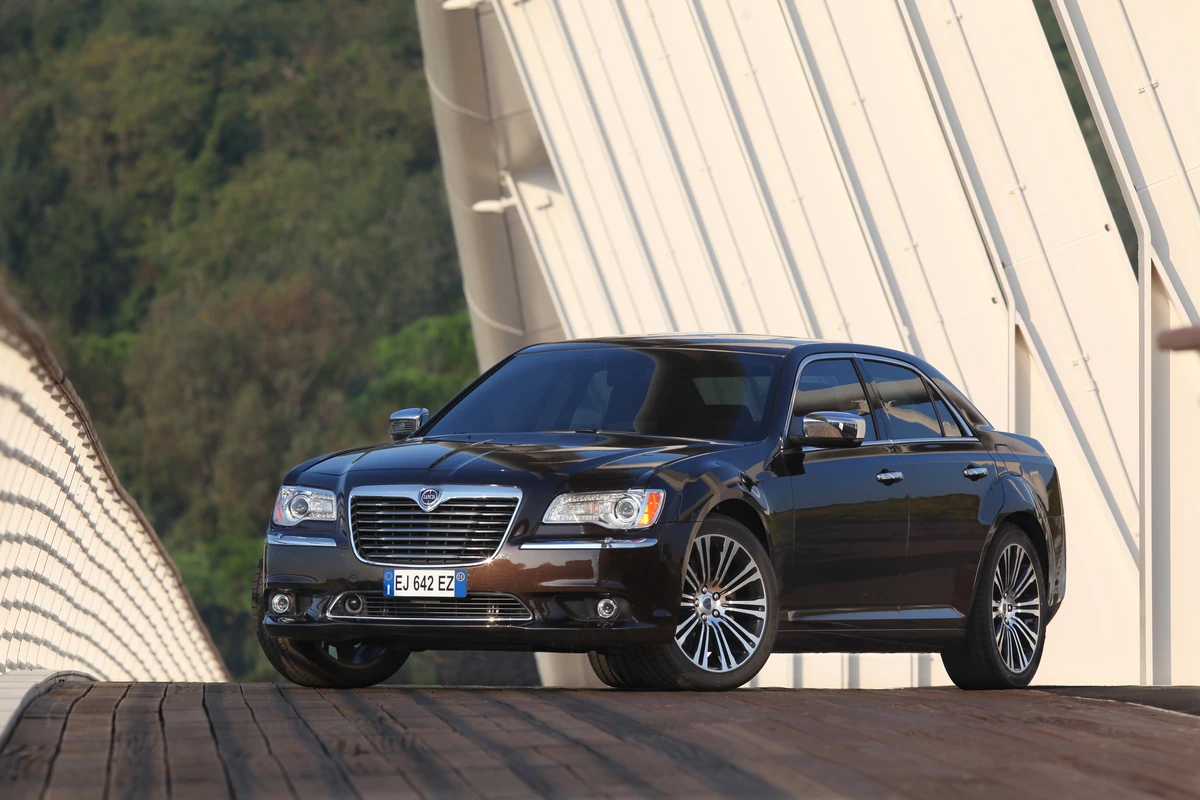
Once regarded as a symbol of Italian automotive style, the Lancia Thema gradually lost its identity in later generations. Critics accused the newer version of becoming a bland hatchback designed almost exclusively for the domestic Italian market. Fans also complained about uninspired styling and underwhelming engine choices.
7. Jeep Cherokee (KL)
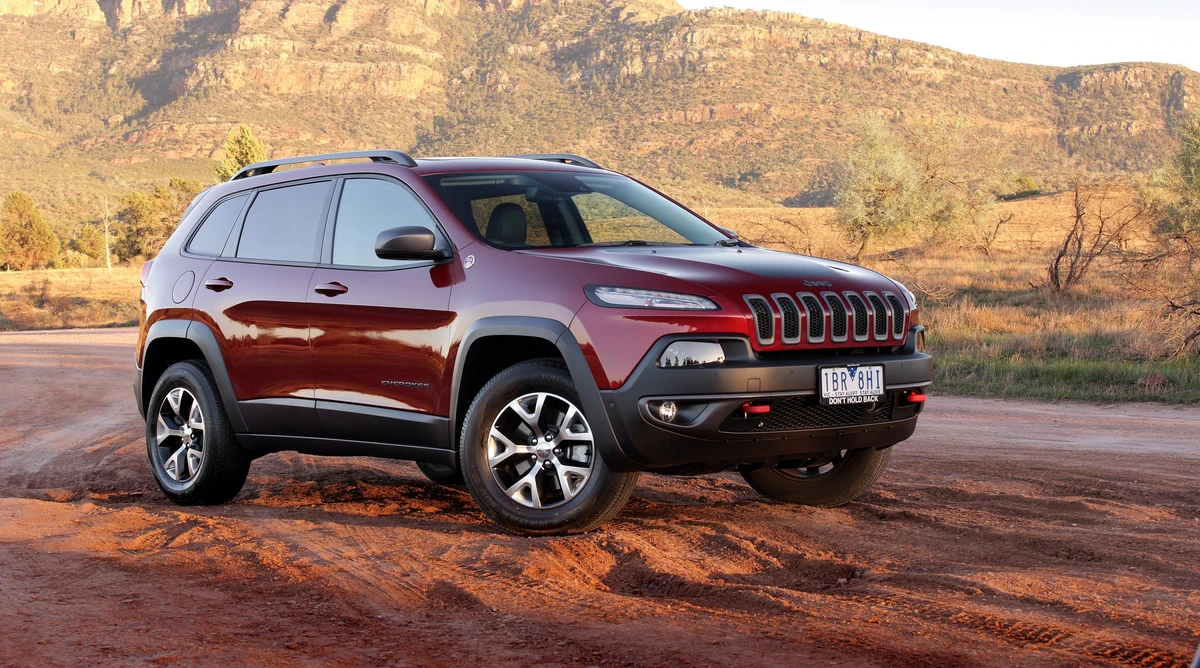
For decades, the Jeep Cherokee name was associated with rugged, boxy SUVs built for serious off-road use. That’s why many enthusiasts were stunned when Jeep revealed the radically redesigned 2013 Cherokee with its controversial narrow headlights and softer crossover styling. Jeep eventually revised the design with a facelift, but many fans never forgot the initial shock.
8. Ford Mustang II
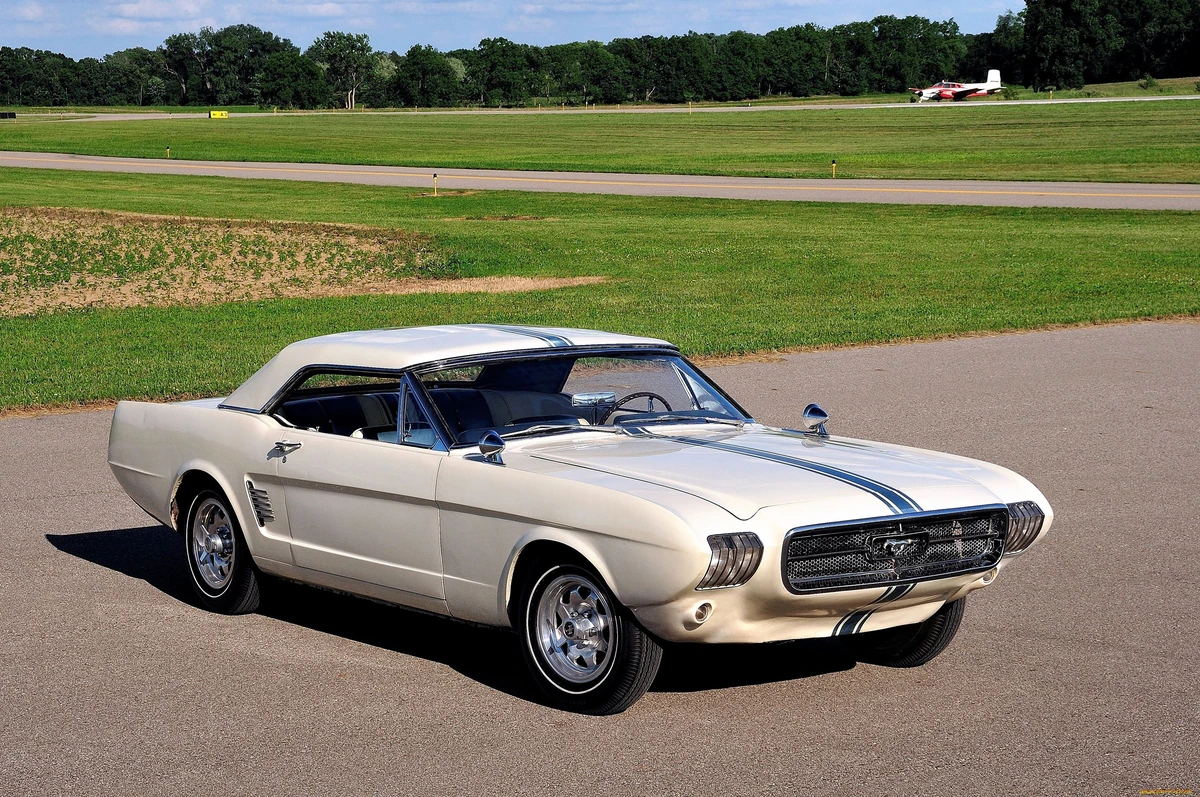
The Ford Mustang II arrived during the height of America’s fuel crisis in the 1970s, forcing Ford to rethink the muscle car formula. Instead of building the car on a larger performance-oriented platform, Ford based it on the compact Pinto. Enthusiasts were horrified by the dramatic downsizing and reduced performance, though the company had little choice given tightening fuel economy pressures at the time.
9. Dodge Challenger (Second Generation)
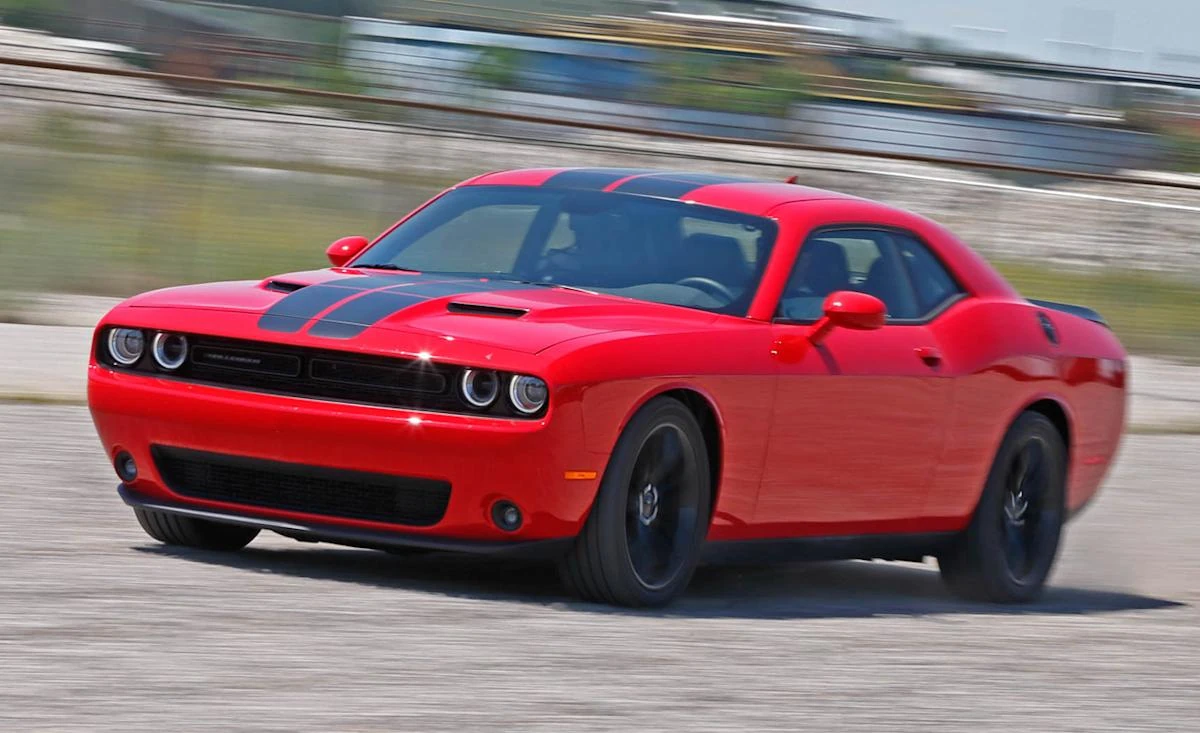
The first- and third-generation Dodge Challenger models became icons of American muscle. The second generation, however, remains something many fans prefer to forget. That’s because the car was essentially a rebadged Mitsubishi Sapporo wearing Dodge badges, lacking the aggressive styling and V8-powered personality buyers expected from a Challenger.
You may also be interested in the news:
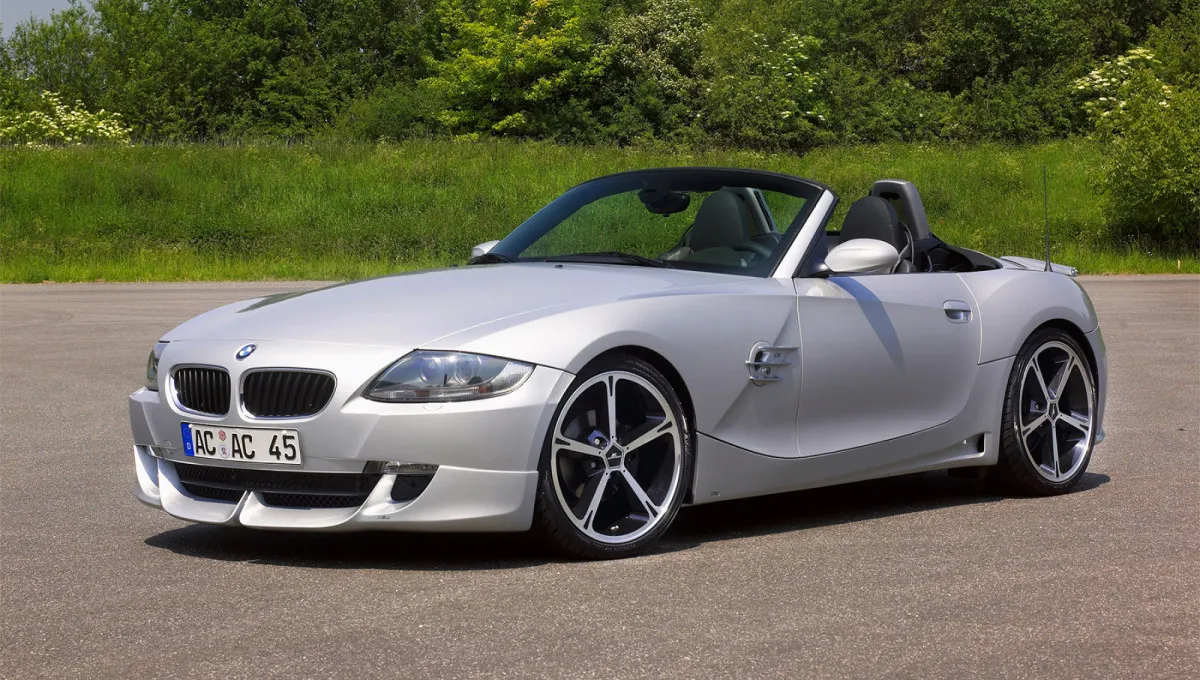
7 Cars That Should Have Been Legends — But One Big Flaw Held Them Back
Some cars had the styling, performance and character to become icons, but one glaring weakness kept them just short of legendary status.

Copart to Acquire ACV Auctions in $1.9 Billion Deal, Expanding Into Dealer-to-Dealer Car Auctions
Copart is acquiring ACV Auctions for about $1.9 billion, expanding its online auction business into dealer-to-dealer vehicle sales.
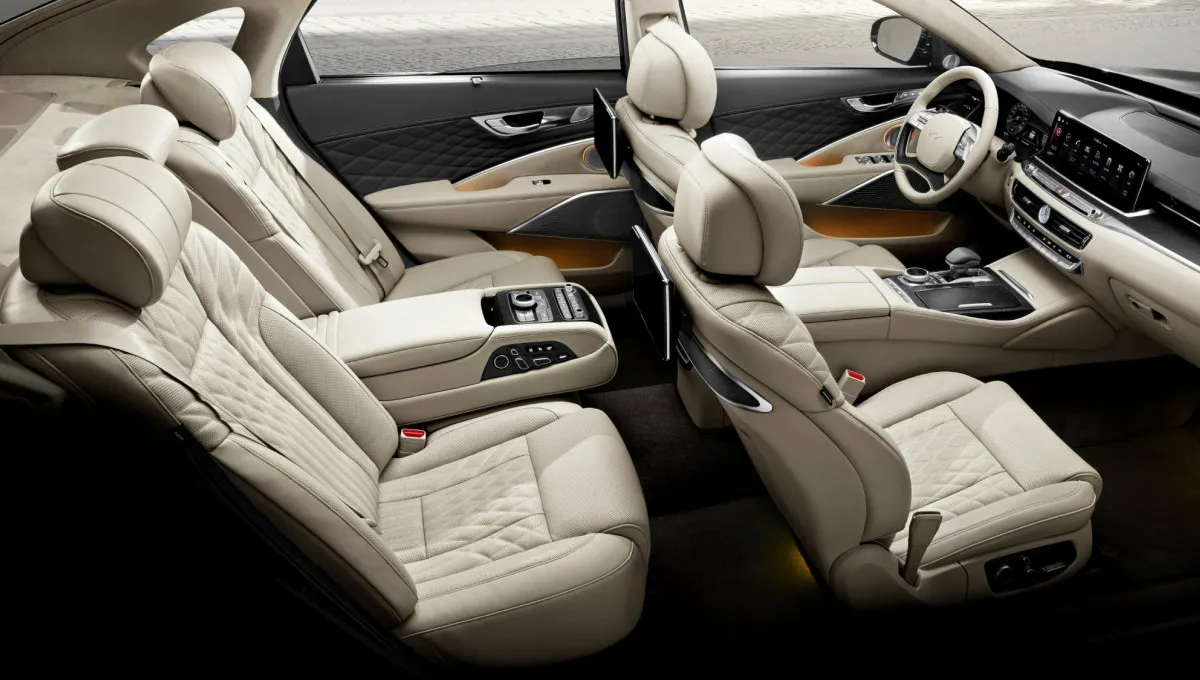
Best Sedans for Interior Space: The Roomiest Cars of 2026
These six sedans offer generous legroom and shoulder room, giving families a comfortable alternative to larger SUVs for long trips.

Best Cars for Teen Drivers: Affordable and Safe Picks
These affordable used and new vehicles combine strong safety ratings, reliability, and reasonable prices for young drivers and their families.
These 5 Automakers Still Refuse to Build an SUV
SUVs and crossovers now account for roughly 61% of new-vehicle sales in the U.S., yet these five automakers continue to avoid the segment.