
Why Your Car Feels “Held Back” During Acceleration
A sluggish car during acceleration often points to fuel, ignition, or exhaust system problems.
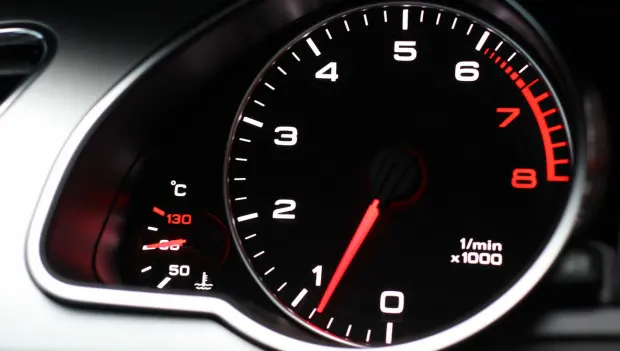
Sooner or later, many drivers experience a frustrating problem: you press the gas pedal, but the car feels strangely sluggish — almost as if something is physically holding it back.
The issue is surprisingly common, especially in older high-mileage vehicles, and while drivers often fear major engine trouble, the real cause is usually far less dramatic.
Here’s what may actually be happening.
What the Problem Feels Like

The symptoms are usually easy to recognize. You step on the accelerator and instead of gaining speed smoothly, engine RPM suddenly drops or struggles to climb. To recover acceleration, the driver often has to downshift into a lower gear before the vehicle slowly begins building speed again.
Passing maneuvers become difficult, and quick acceleration may feel nearly impossible.
Many drivers initially ignore the problem, especially in city traffic where constant stops and lower speeds make the issue seem less serious. But weak acceleration can quickly become dangerous when merging onto highways or attempting overtakes.
Possible Causes
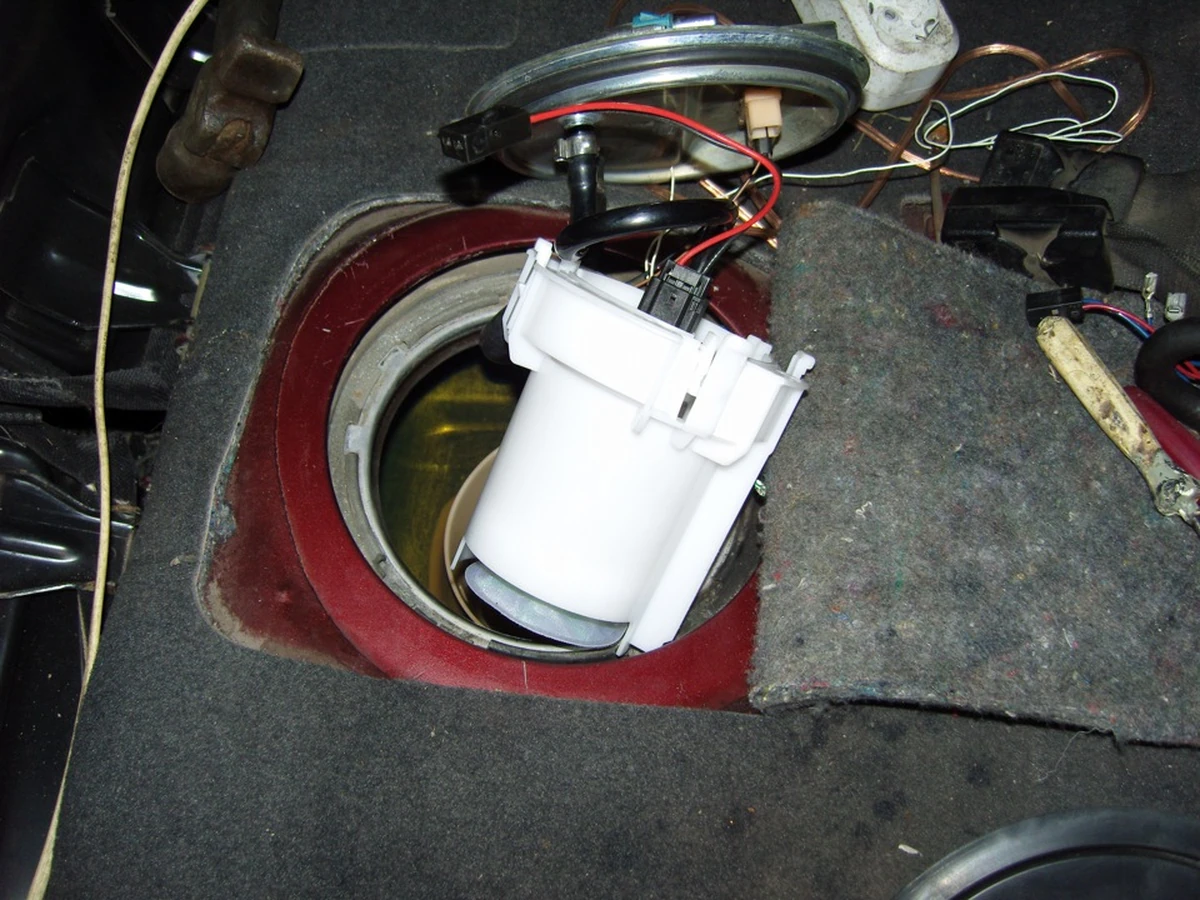
One of the most common reasons for sluggish acceleration is inadequate fuel delivery. If the engine isn’t receiving enough fuel under load, performance drops immediately.
That’s why mechanics often recommend checking the fuel pump first. A weak or failing pump may still function at idle but struggle to supply enough pressure during acceleration.
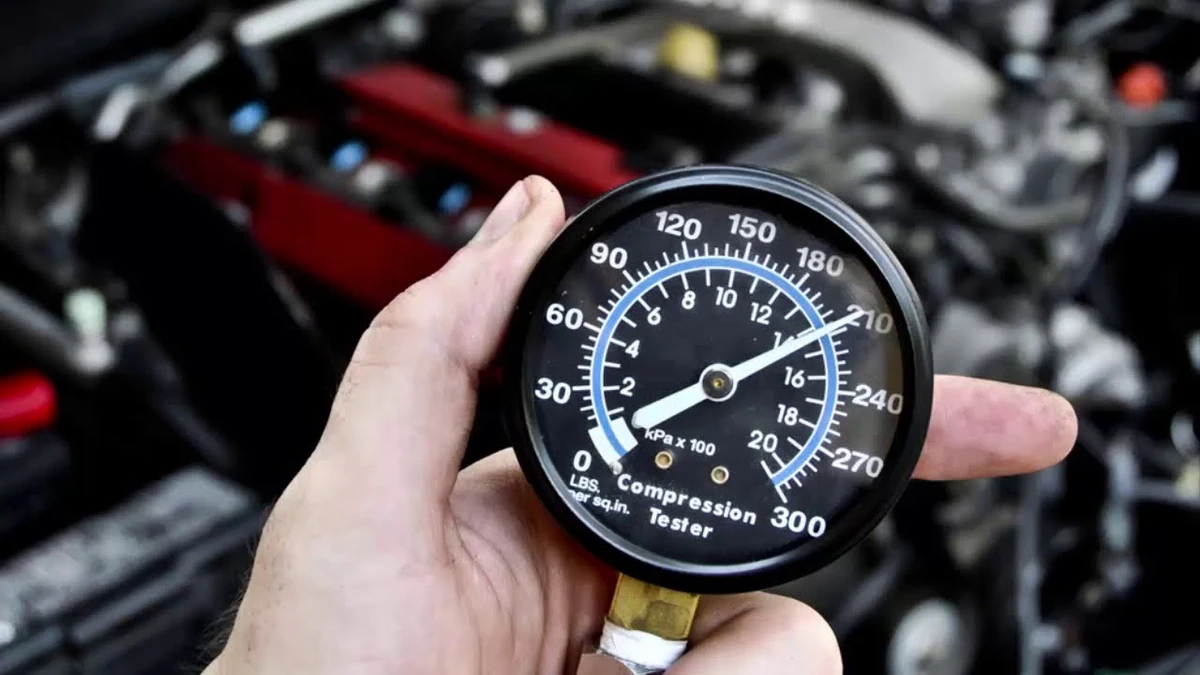
Spark plugs can also be responsible. Worn plugs, improper ignition timing, or weak cylinder compression may cause the engine to hesitate or lose power under throttle.
Excessive oil consumption is another warning sign worth investigating, since it can point to deeper internal engine wear affecting performance.
Don’t Ignore Electronic Issues
Although less common, electronic problems can produce very similar symptoms.
Modern vehicles rely heavily on sensors and engine management systems to control fuel delivery, ignition timing, and throttle response. Faulty sensors or ECU-related problems may cause hesitation, reduced power, or inconsistent acceleration even when the engine itself is mechanically healthy.
Electronic faults can also negatively affect fuel economy if left unresolved.
The Most Common Culprit

In many cases, however, the real issue turns out to be something much simpler: a clogged catalytic converter.
As the catalytic converter becomes restricted over time, exhaust gases can no longer flow freely through the system. That creates back pressure inside the engine, making the vehicle feel sluggish and unresponsive during acceleration.
The result is exactly the sensation many drivers describe — as though the car is being “held by the tail.”
Because clogged catalytic converters are extremely common on older vehicles, technicians often recommend checking the exhaust system early in the diagnostic process whenever these symptoms appear.
You may also be interested in the news:
A Dirty Car Could Be Quietly Damaging Your Engine — And the Repairs Can Cost Thousands
A dirty car can threaten the engine, causing overheating, corrosion, fires, and costly mechanical failures.

You've Seen These Black-and-Yellow Road Markers—But Do You Know What They Really Mean?
Those familiar black-and-yellow road markers quietly tell drivers which direction to take around roadside obstacles.
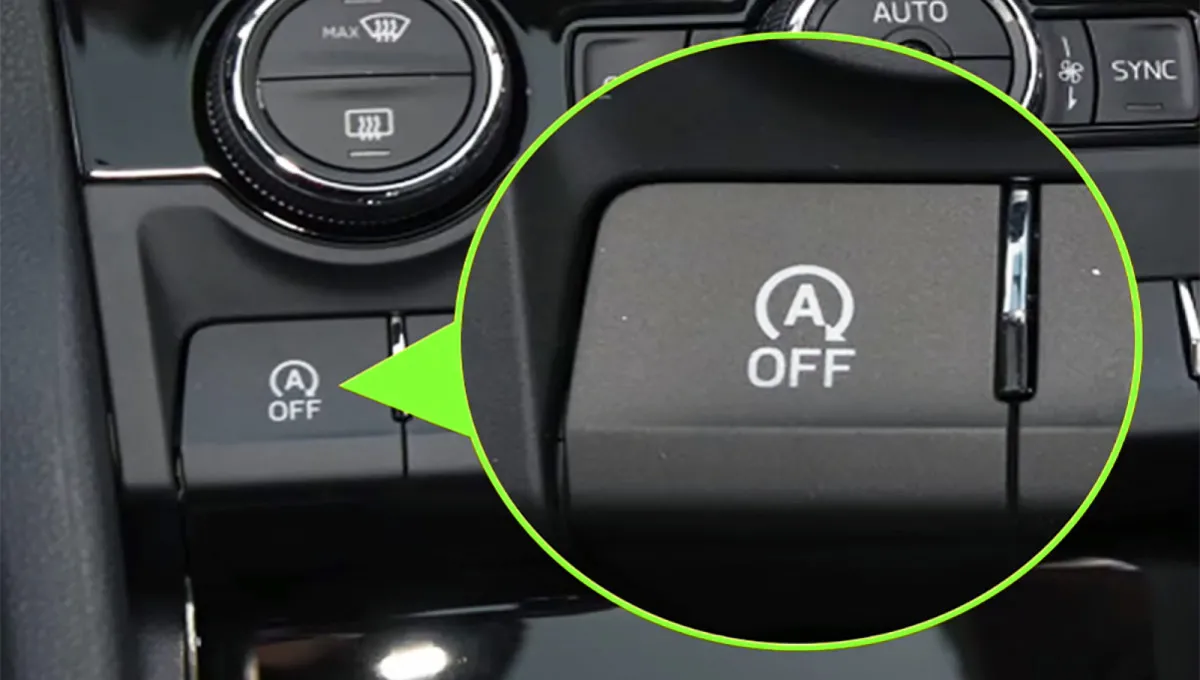
Start/Stop Systems Are Everywhere — But Are They Really Saving You Gas or Wearing Out Your Engine?
Does start-stop technology really save fuel, and does it put extra wear on the engine? Here’s what drivers need to know.
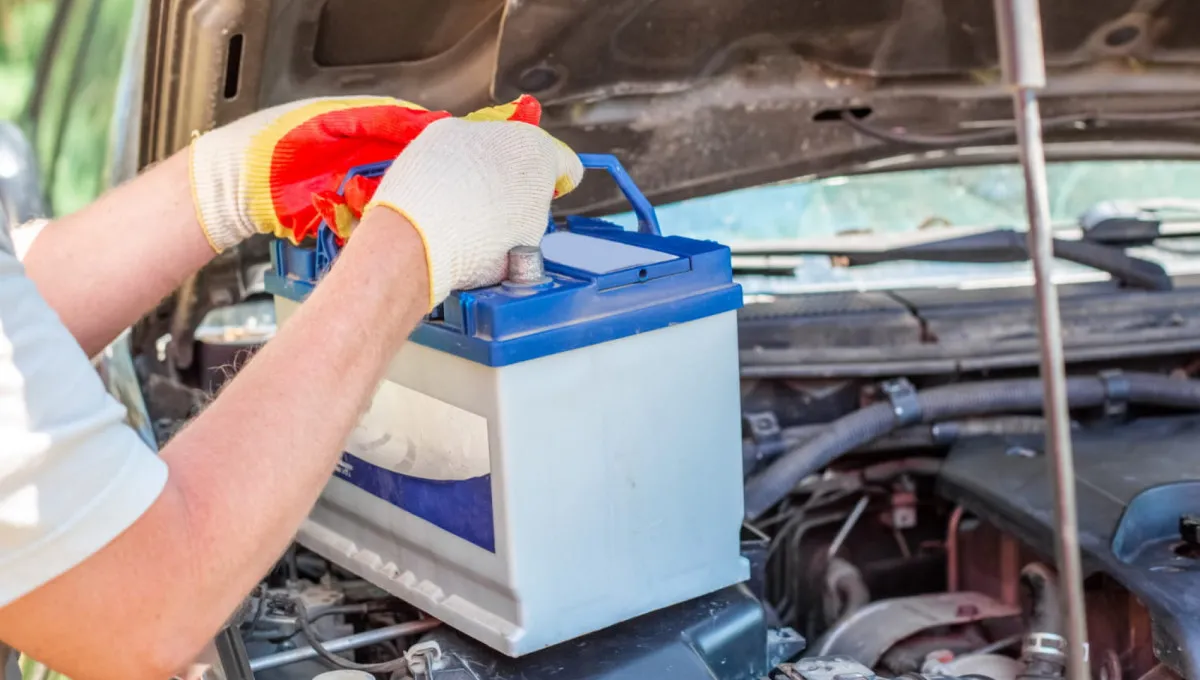
3 Signs Your Car Battery Is About to Die — And the Warning Signs Drivers Often Miss
A failing car battery rarely dies without warning, and these three signs can give drivers time to act before getting stranded.
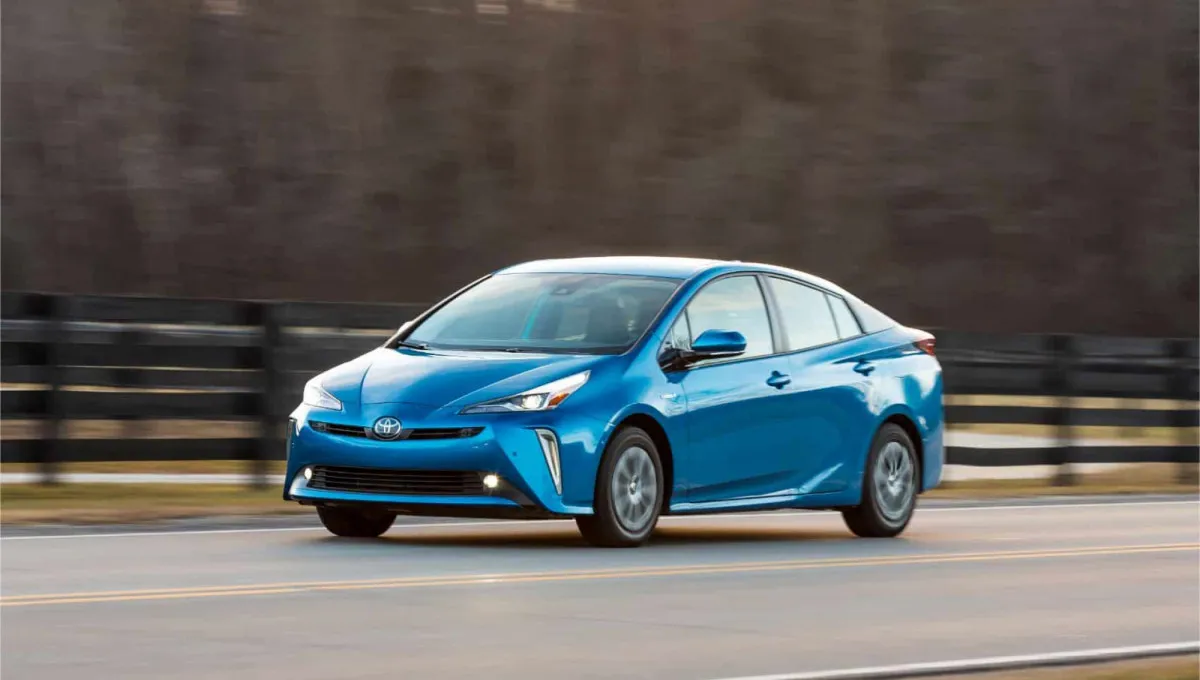
These Used Cars Could Save You Thousands on Repairs, According to Experts
For many drivers, reliability and maintenance costs are just as important as the purchase price when choosing a used car.