
Why Some High-Mileage Cars Have Their Catalytic Converters Removed — and What Happens Next
Replacing a failed catalytic converter can be expensive, pushing some drivers toward questionable alternatives.
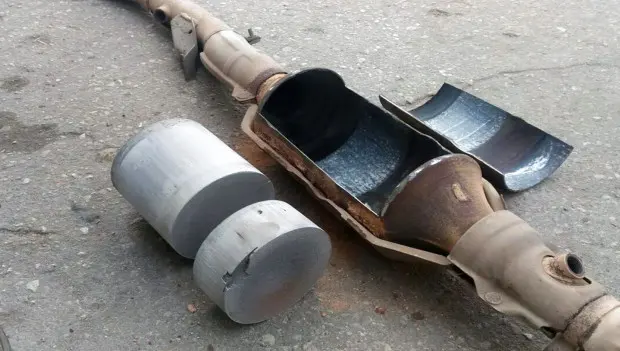
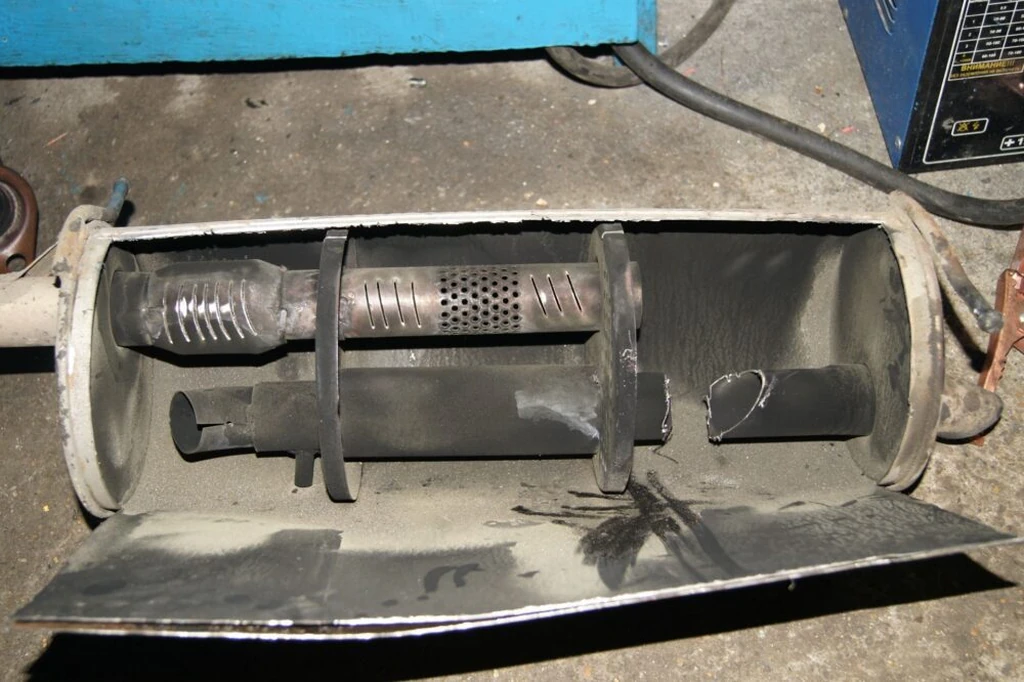
It’s not unusual to come across older vehicles in the United States that no longer have their original catalytic converters installed. Instead, some owners replace the failed component with a simple straight pipe or metal resonator-style section welded into the exhaust system.
The reason usually comes down to cost.
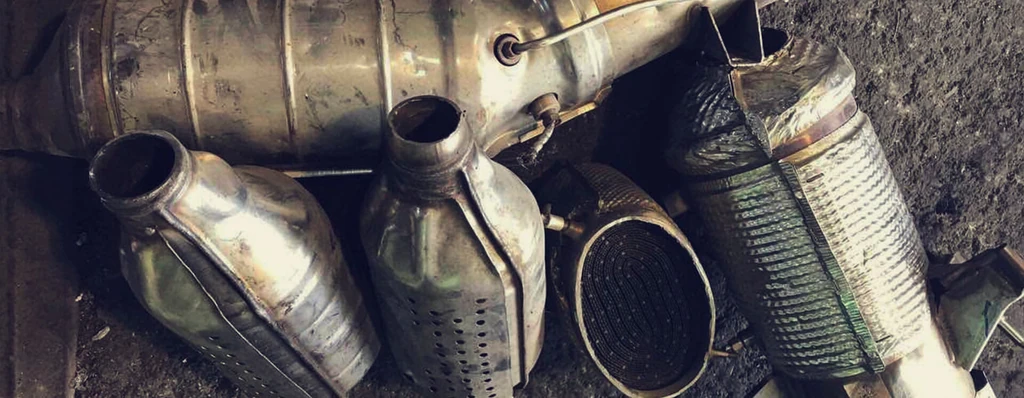
Like every component in a vehicle, catalytic converters eventually wear out. Under ideal conditions, a high-quality converter can last roughly 90,000 to 100,000 miles. In the real world, however, poor fuel quality, engine problems, aggressive driving, oil consumption, and harsh environmental conditions can shorten its lifespan significantly.
Once the converter begins failing, drivers may notice reduced engine performance, sluggish acceleration, higher fuel consumption, or warning lights on the dashboard.
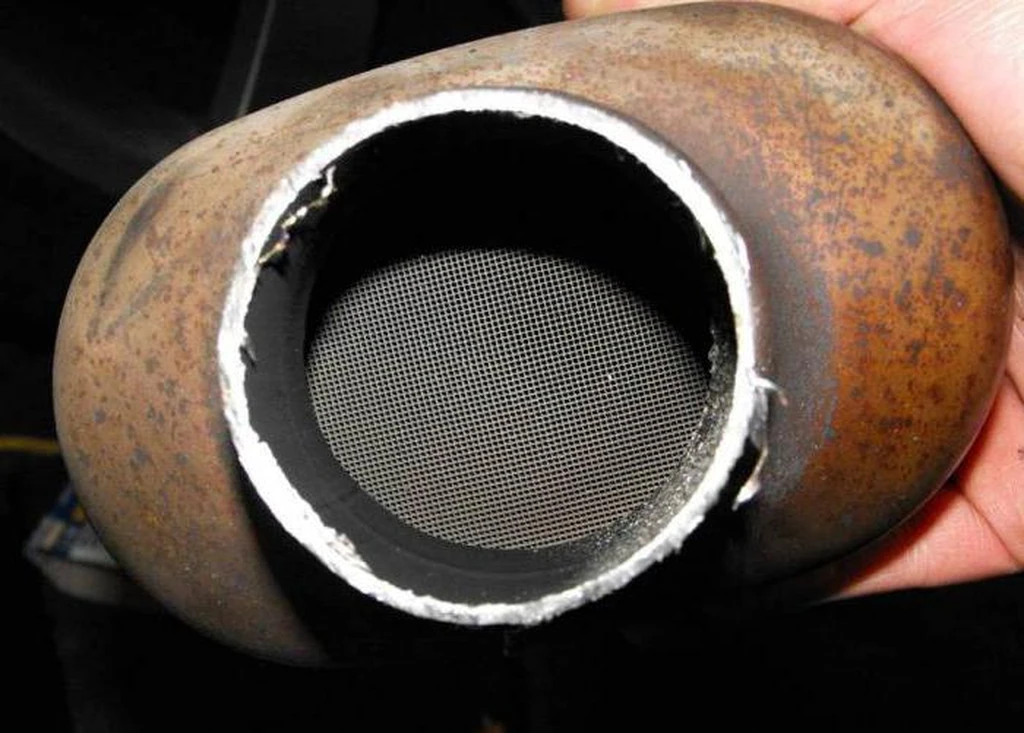
Catalytic converters play a critical role in reducing harmful exhaust emissions by converting toxic gases into less harmful compounds before they exit the tailpipe. But when the internal honeycomb structure becomes clogged or damaged, exhaust flow can become restricted, negatively affecting engine performance.
Replacing the converter is often expensive because the part contains precious metals such as platinum, palladium, and rhodium. Depending on the vehicle, a factory replacement can easily cost anywhere from several hundred dollars to more than $2,000 including labor.
That high price tag has led some drivers to choose a cheaper workaround.
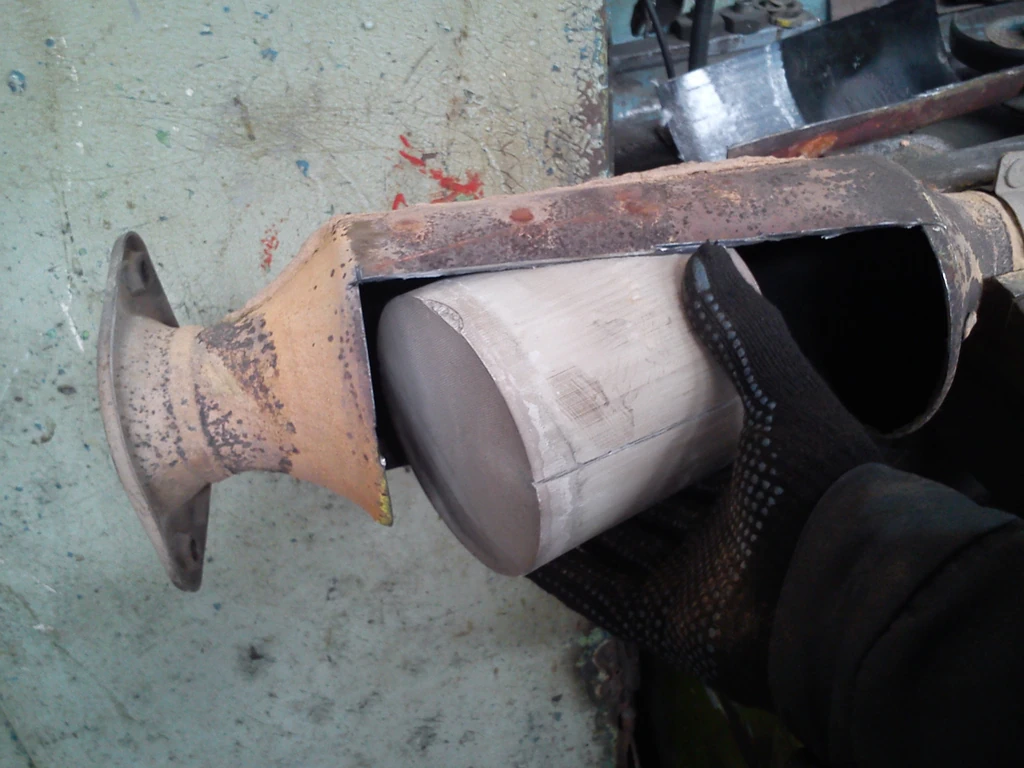
Instead of installing a new catalytic converter, some owners have repair shops remove the failed unit entirely and weld in a basic pipe or resonator in its place. The vehicle’s engine control module is then reprogrammed — or modified using electronic simulators — to prevent oxygen sensor error codes and check-engine lights from appearing.
From a performance standpoint, this setup can restore lost power and improve fuel economy if the old converter was heavily clogged.
But there are major downsides.
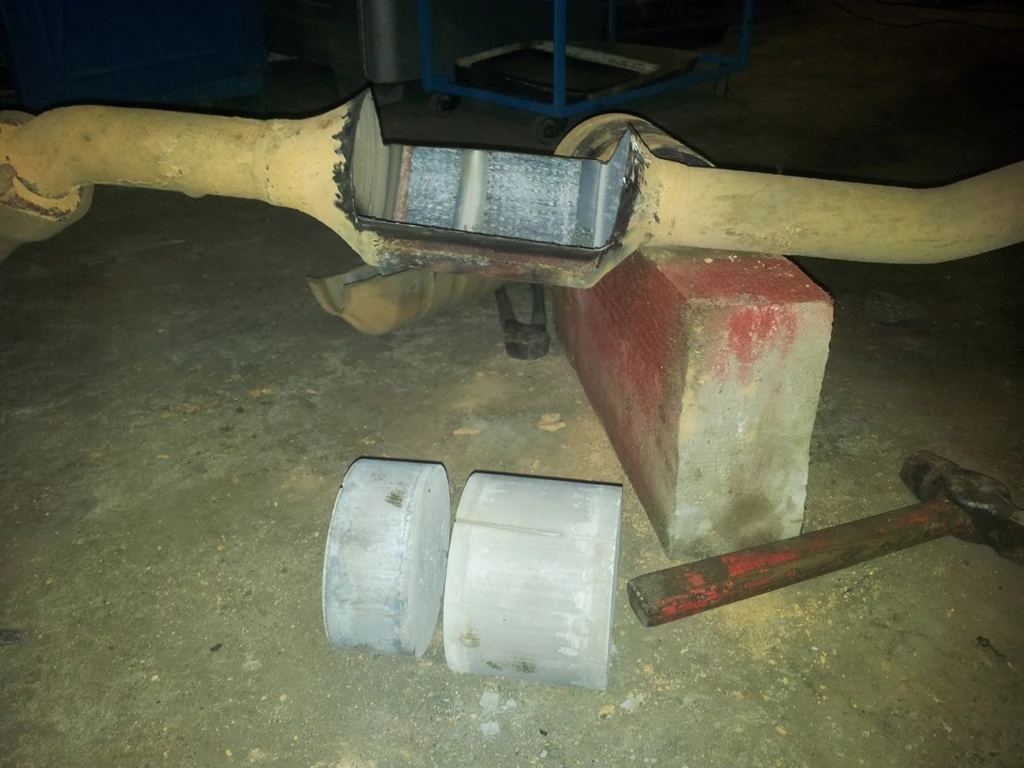
For starters, there’s no guarantee the modification will remain reliable long term. More importantly, removing a catalytic converter is illegal under federal law in the United States for vehicles driven on public roads. Since the vehicle will produce significantly higher emissions afterward, owners may face failed emissions inspections, fines, or registration issues depending on local regulations.
In the end, what seems like a cheap shortcut can easily turn into a much more expensive problem later on.
You may also be interested in the news:
A Dirty Car Could Be Quietly Damaging Your Engine — And the Repairs Can Cost Thousands
A dirty car can threaten the engine, causing overheating, corrosion, fires, and costly mechanical failures.
YouTube Has a New Problem: AI Is Creating Fake Mechanics Who Look Completely Real
Artificial intelligence is now being used to create convincing fake auto mechanics on YouTube, raising concerns about misleading advice.
Your Brakes Squeal Every Morning? Here’s When That Noise Is Normal—and When It Could Mean Trouble
That sharp brake squeal first thing in the morning is often harmless—but persistent noise can point to worn or damaged brake components.
7 Car Repairs Mechanics Secretly Hate Taking on — Here’s Why Shops Say “No”
A mechanic explains why some seemingly routine repairs can become expensive nightmares for both shops and car owners.

328,000 Jeep Grand Cherokees Recalled Over a Hidden Crash Risk — Owners Should Act Now
Chrysler is recalling more than 328,000 Jeep Grand Cherokees over a rear coil spring problem that could increase the risk of a crash.