
DIY Flame Arrester as a Catalytic Converter Replacement: Key Pros and Cons
Using a flame arrester instead of a catalytic converter can resolve engine performance issues and reduce repair costs for owners.
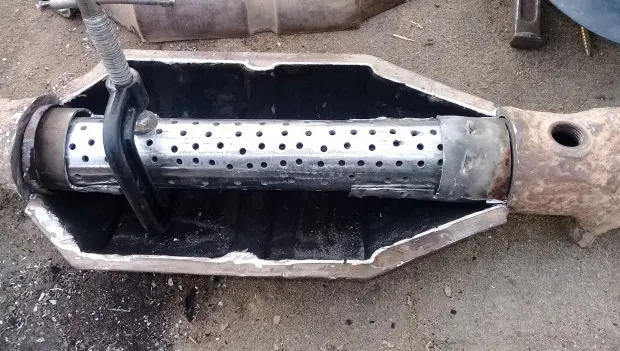
Replacing a catalytic converter with a flame arrester can help eliminate certain engine-related problems while significantly lowering repair expenses for vehicle owners.
Contents
- What a flame arrester is
- Why catalytic converters get replaced with flame arresters
- Design and materials
- Advantages and disadvantages
Eventually, nearly every car owner faces catalytic converter failure. When that happens, you can either replace the unit or remove it and install a flame arrester instead. This solution comes with both benefits and drawbacks, which should be carefully weighed, especially since it’s often chosen as a low-cost alternative to ECU tuning or installing electronic “emulators.”
Online forums are full of mixed opinions. Some drivers and even mechanics claim that installing a flame arrester can damage the engine, shorten exhaust system life, increase noise, and worsen emissions. However, with the right part and proper installation, many of these issues can be minimized or avoided.
What a Flame Arrester Is
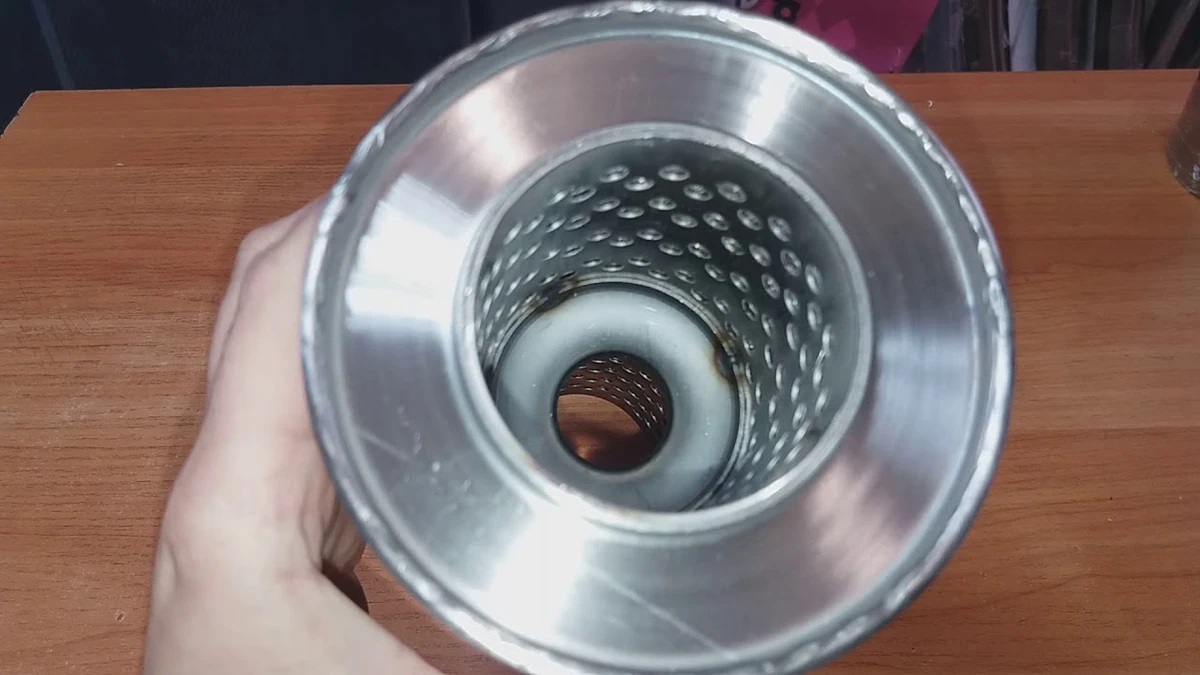
A flame arrester is essentially a type of resonator. Unlike a standard resonator, it not only dampens exhaust sound and vibration but also helps reduce exhaust gas temperature.
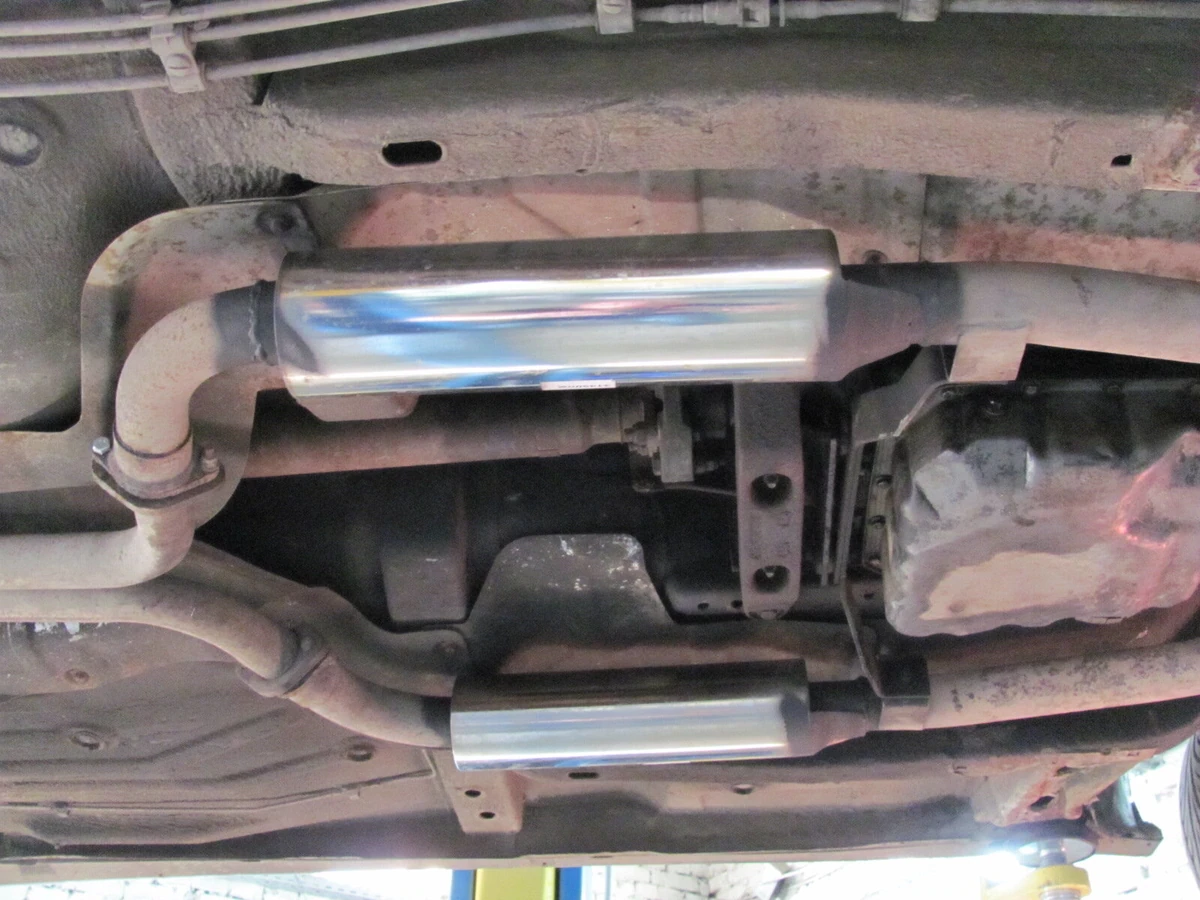
It is installed in place of the catalytic converter, meaning it can be located either in the exhaust pipe or near the exhaust manifold. When properly installed, noise levels are not a problem—in some cases, the engine may even run quieter than with a factory catalytic converter.
Why Catalytic Converters Are Replaced
The main reason is cost. Prices for modern OEM catalytic converters can be extremely high, often reaching around $1,100 or more.
Because of this, many owners opt for a flame arrester instead, which typically costs only about $55 to $90 and can solve related exhaust issues at a fraction of the price.
Catalytic converters are expensive due to their design. Their ceramic or metallic honeycomb structure is coated with precious metals such as platinum, palladium, and rhodium. These materials are essential for reducing emissions, but they significantly increase cost. Flame arresters do not require such metals, making them far more affordable.
Design and Materials
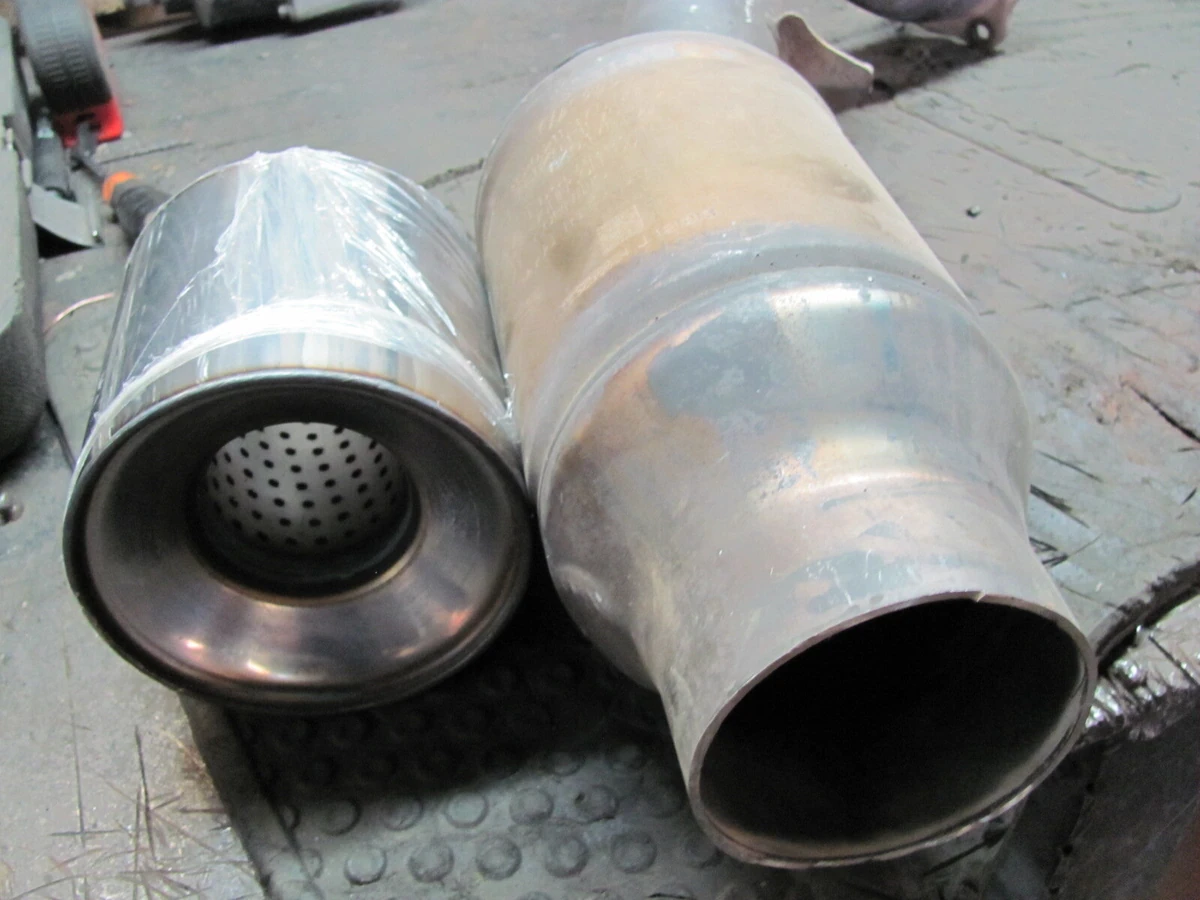
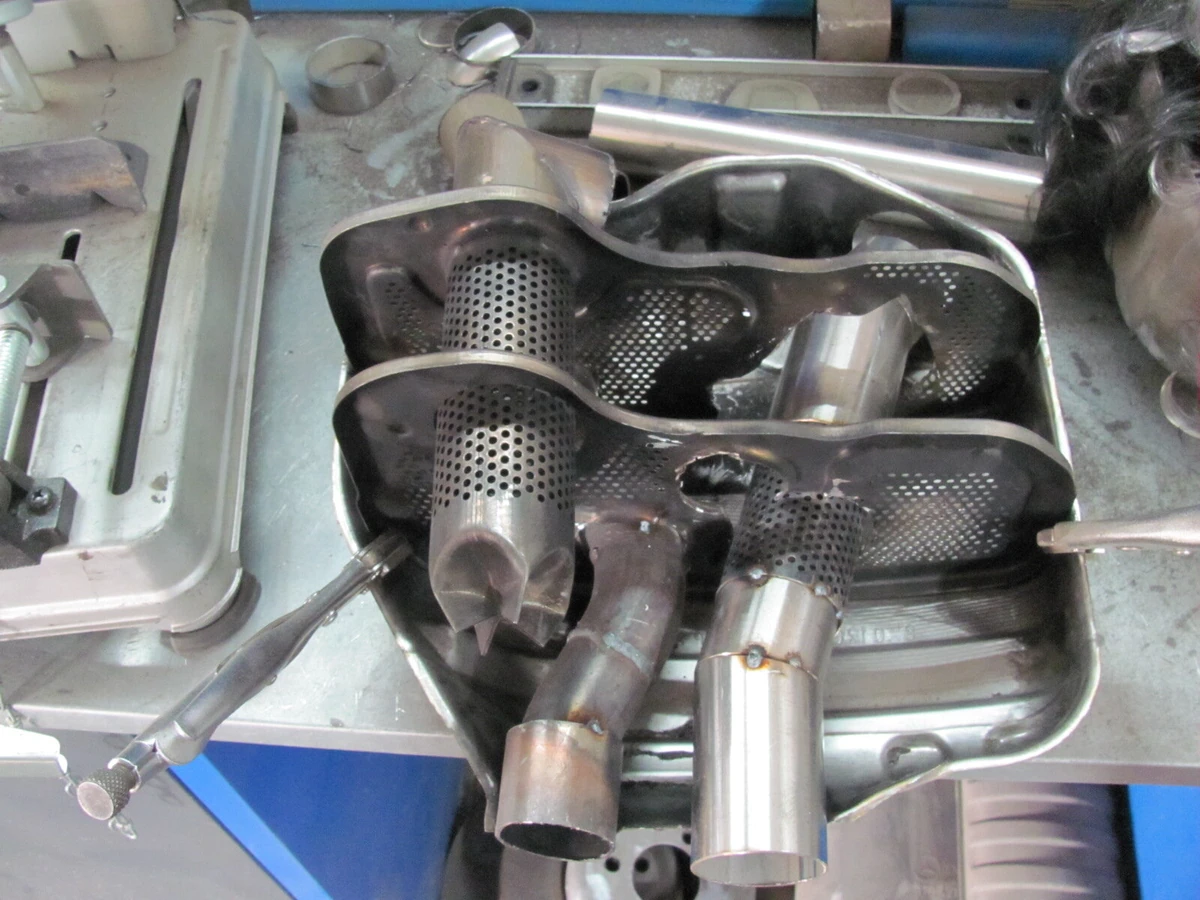
Modern flame arresters come in different shapes and materials, but the basic structure is similar. Inside the metal housing are flow-directing elements that reduce exhaust gas temperature.
They also contain sound-absorbing materials that help reduce noise levels. Most units use a double-layer steel body filled with heat-resistant insulation to eliminate metallic resonance from the exhaust system.
The outer shell is typically made of corrosion-resistant steel that withstands salt, moisture, dirt, and road chemicals. Aluminum versions are also available but tend to be more expensive.
DIY versions exist as well. These usually consist of a perforated pipe inside a metal casing filled with heat-resistant packing material. While this approach may work on older domestic vehicles, factory-made units are generally recommended for imported cars.
Advantages and Disadvantages
A quality flame arrester typically lasts around 5–6 years before needing replacement.
Advantages:
- Much lower cost compared to a catalytic converter
- Reduced repair expenses
- Ability to use regular 87-octane fuel instead of premium (91–93), even if the manufacturer recommends higher-grade fuel
- In some cases, a power increase of about 5–7%
Contrary to common concerns, the engine itself is unlikely to suffer direct damage from the installation. However, unstable operation can occur if the ECU is not properly reprogrammed.
Disadvantages:
- Reduced emissions performance and environmental compliance
- Requirement to reflash the engine control unit (ECU) with the correct calibration
- Possible decrease in muffler lifespan due to higher exhaust flow speeds
Some drivers also report slightly increased exhaust noise, though this is often tied to improper setup rather than the component itself.
In general, while a flame arrester is a cost-effective workaround, its success largely depends on correct installation and proper ECU tuning.
You may also be interested in the news:
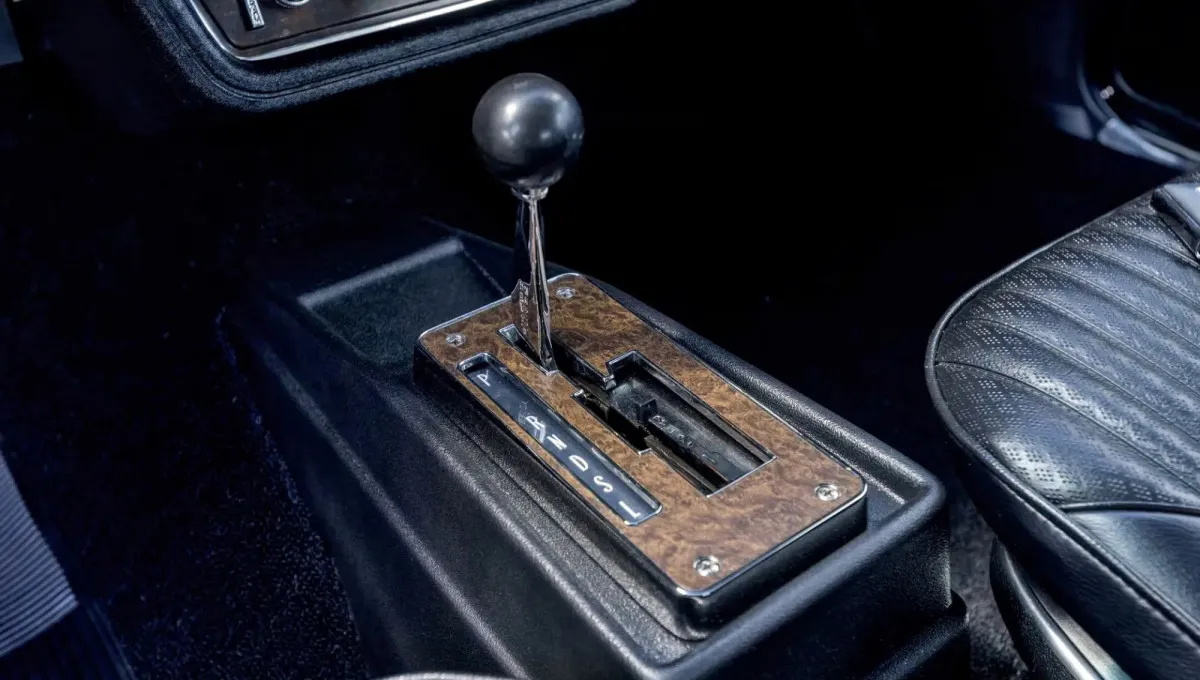
How Oldsmobile Invented a Manual Gearbox for an Automatic
Long before paddle shifters and electronic driving modes, Oldsmobile found a clever mechanical way to let drivers shift an automatic transmission themselves.

Jeep Grand Cherokee Owners Urged to Get Recall Repairs as Soon as Possible
Chrysler is recalling more than 328,000 Jeep Grand Cherokees over a rear coil spring problem that could increase the risk of a crash.

How to Protect Your Car Mirrors From Rain: A Simple Home Hack
A simple household product can help keep your car’s side mirrors clearer when rain makes visibility a challenge.
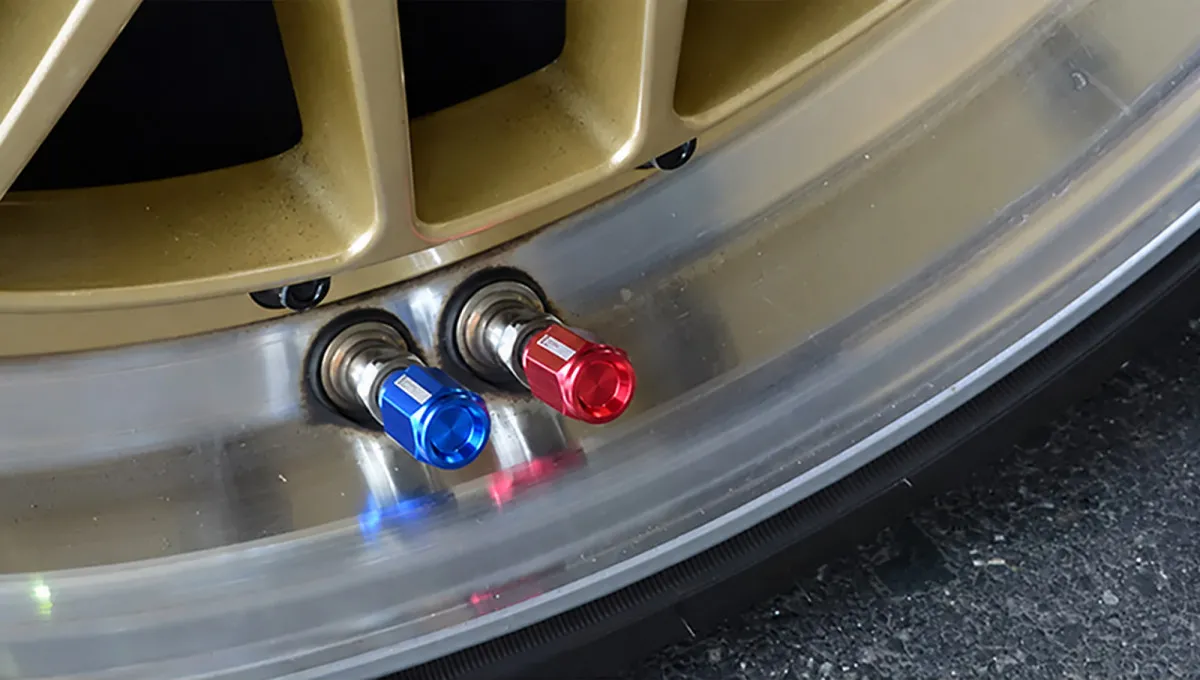
Not a Manufacturing Error: Why Some Wheels Have Two Valve Stems
Two valve stems on one wheel may look unusual, but the setup serves a practical purpose in racing and specialized tire service.

Bottle Under the Tire: The New Roadside Scam Targeting Drivers
A new roadside scam is gaining traction, using a simple plastic bottle to trick unsuspecting drivers.