
Toyota Classic Was the Brand’s Strangest Car Nobody Seems to Remember
Retro-styled Toyota Classic blended 1930s design with Hilux underpinnings and surprising 1990s technology.
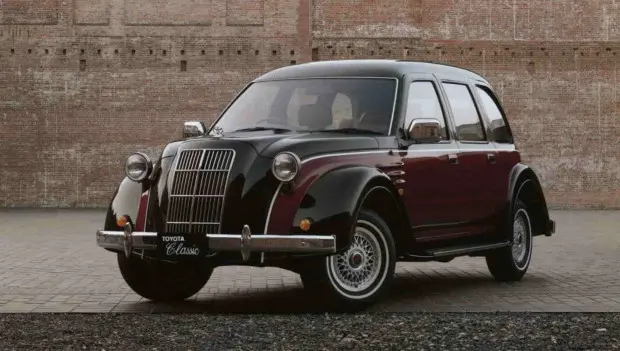
Back in 1996, Toyota unveiled a vehicle unlike anything else in its lineup. Called the Toyota Classic, the unusual model has since become one of the rarest and least-known Toyotas ever produced. Only 100 examples were built.
The project began when executives at the Japanese automaker decided to celebrate the 60th anniversary of the company’s first production vehicle — the 1936 Toyota AA. Development and coachbuilding duties were handed to Toyota Technocraft, a division known for heavily modifying existing Toyota models, including the MR2.
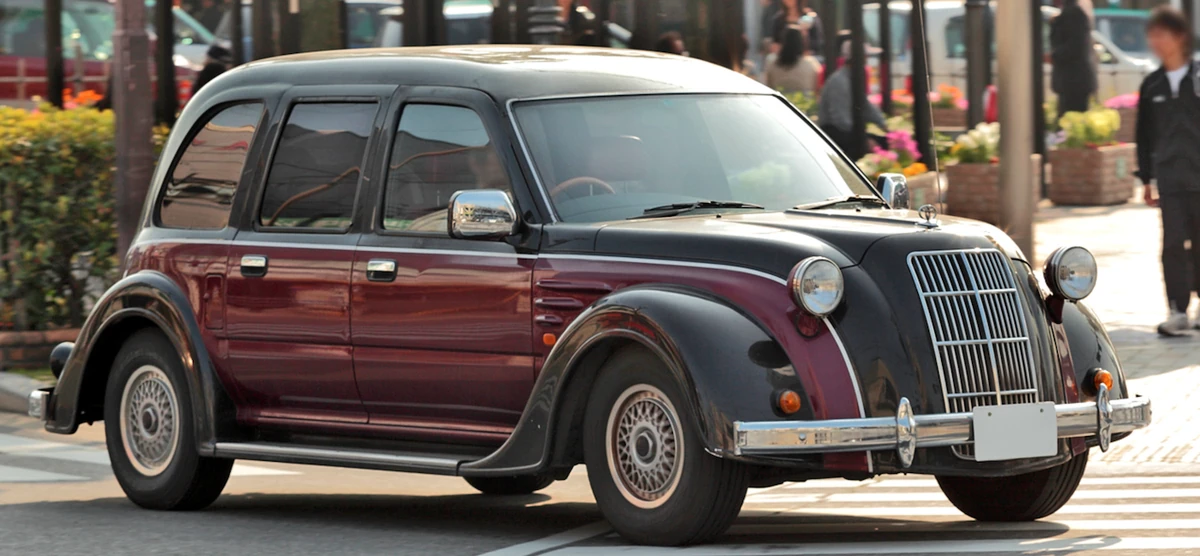
Designers recreated the appearance of the original Toyota AA on a much more modern platform. The resulting Toyota Classic featured vintage-inspired headlights, running boards, whitewall tires, and even an externally mounted spare wheel attached to the trunk lid — all the details expected from a proper retro cruiser.
Despite its old-school appearance, the car itself was surprisingly modern underneath.
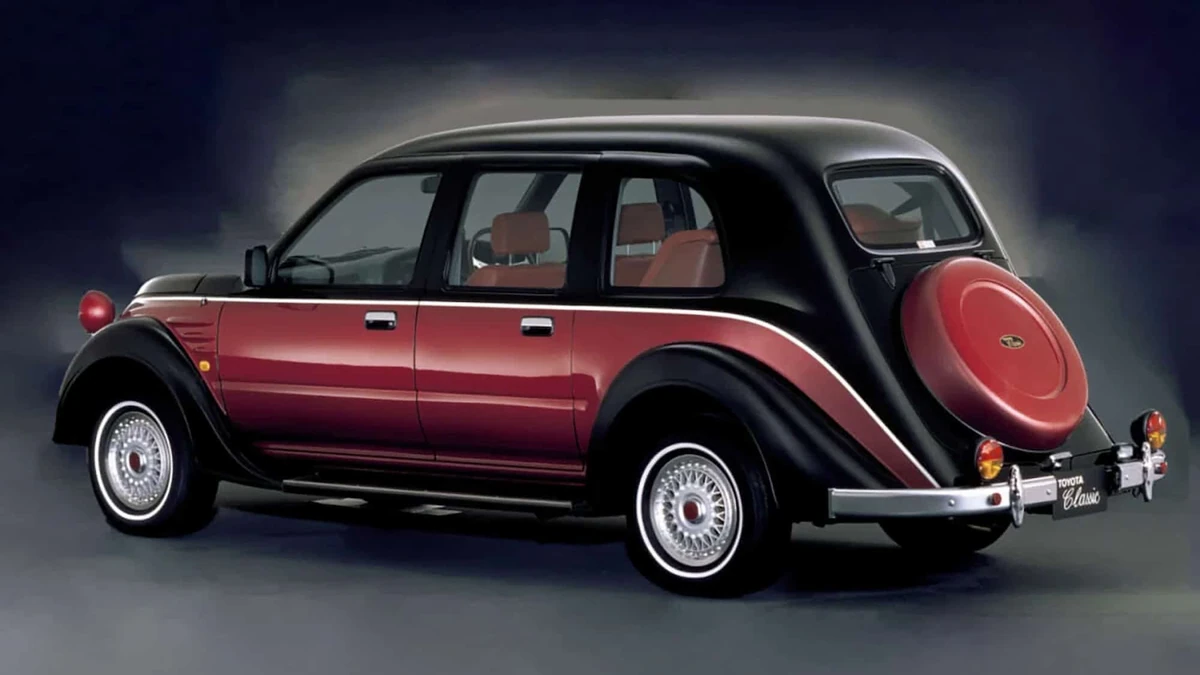
Beneath the 1930s-inspired body sat the rugged body-on-frame chassis from the Toyota Hilux pickup truck. Its engine also came from the utility vehicle and, by coincidence, delivered performance figures not too far removed from actual cars of the 1930s.
Power came from a 2.0-liter 3Y-E inline-four engine with a single overhead camshaft producing just 96 horsepower. The engine sent power to the rear wheels through a 4-speed automatic transmission.
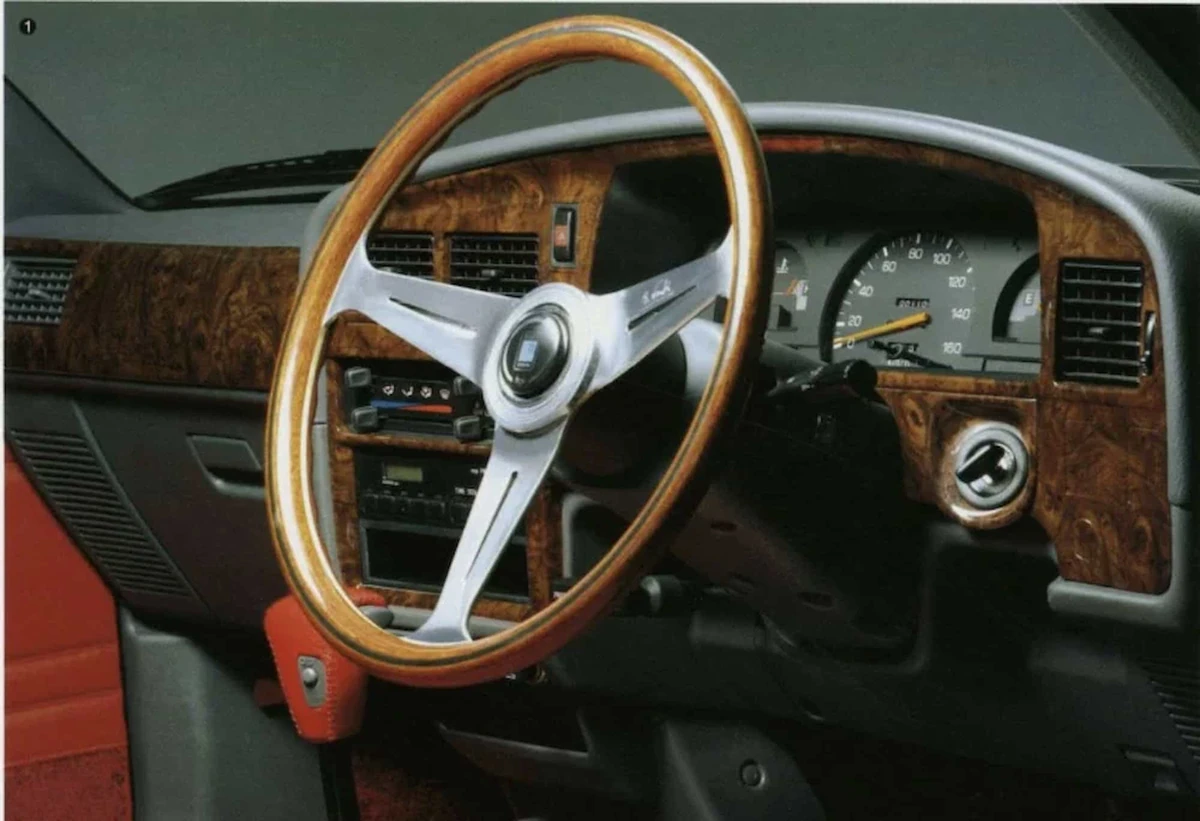
Inside, the cabin combined vintage styling with 1990s convenience. The dashboard featured polished wood-style trim and a Nardi steering wheel with a wooden rim, while modern comforts included air conditioning and a cassette player.
Because the Toyota Classic was sold exclusively in Japan and in extremely limited numbers during the early days of the internet, reliable pricing information is difficult to find today.
According to one estimate, the car carried a sticker price of about 8 million yen when it launched in 1996. Using the provided exchange rate, that equals roughly $52,000 in U.S. currency.
You may also be interested in the news:
These 5 Automakers Still Refuse to Build an SUV
SUVs and crossovers now account for roughly 61% of new-vehicle sales in the U.S., yet these five automakers continue to avoid the segment.

You've Seen These Black-and-Yellow Road Markers—But Do You Know What They Really Mean?
Those familiar black-and-yellow road markers quietly tell drivers which direction to take around roadside obstacles.
Start/Stop Systems Are Everywhere — But Are They Really Saving You Gas or Wearing Out Your Engine?
Does start-stop technology really save fuel, and does it put extra wear on the engine? Here’s what drivers need to know.

3 Signs Your Car Battery Is About to Die — And the Warning Signs Drivers Often Miss
A failing car battery rarely dies without warning, and these three signs can give drivers time to act before getting stranded.
These Used Cars Could Save You Thousands on Repairs, According to Experts
For many drivers, reliability and maintenance costs are just as important as the purchase price when choosing a used car.