
Five Everyday Car Features That Could Soon Disappear Forever
Tomorrow’s vehicles are rapidly replacing familiar hardware with smarter, cleaner, and fully digital technology.
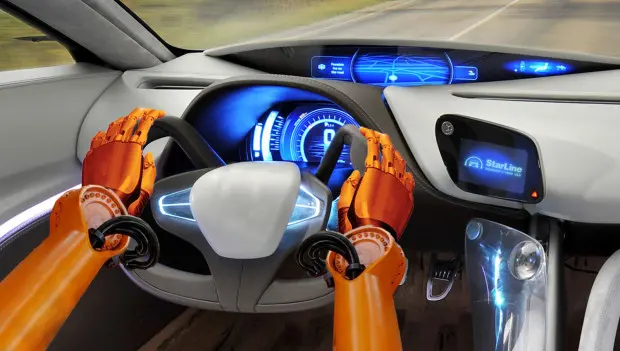
Modern cars have come a long way since the early days of the automobile. Features that once seemed essential — like hand-crank starters or manual choke controls — eventually disappeared as technology evolved. And the pace of change is only accelerating. Many familiar features found in today’s vehicles could soon become automotive history. Here are five things that may vanish from cars sooner than most drivers expect.
1. Side Mirrors
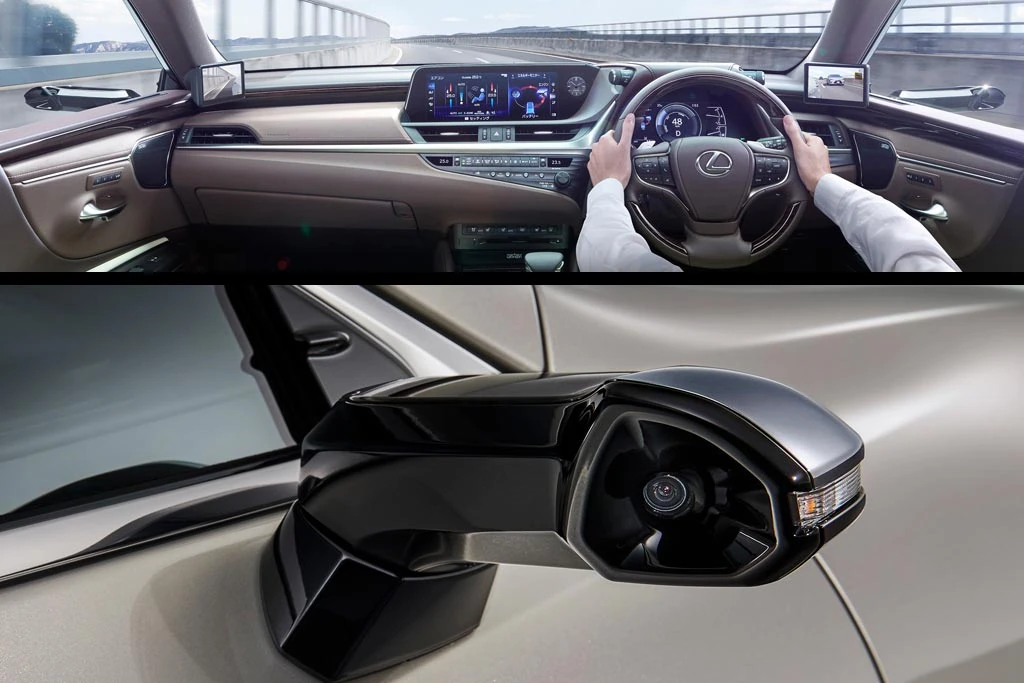
It may sound surprising, but traditional side mirrors could eventually disappear from production vehicles. Cameras and digital displays are already beginning to replace them in some modern models.
One of the first mass-produced vehicles to introduce this technology was the Lexus ES, which debuted camera-based side visibility systems in select markets. Engineers claim these systems provide a clearer and wider field of view than conventional mirrors, especially during rain or nighttime driving. Cameras also reduce blind spots and improve aerodynamics, which can slightly boost efficiency while noticeably cutting wind noise at highway speeds.
The biggest downside remains cost. Cameras and display systems are still significantly more expensive than standard mirrors. But as prices continue to drop and regulations evolve, digital side-view systems are becoming increasingly realistic for mainstream vehicles.
2. Manual Window Cranks
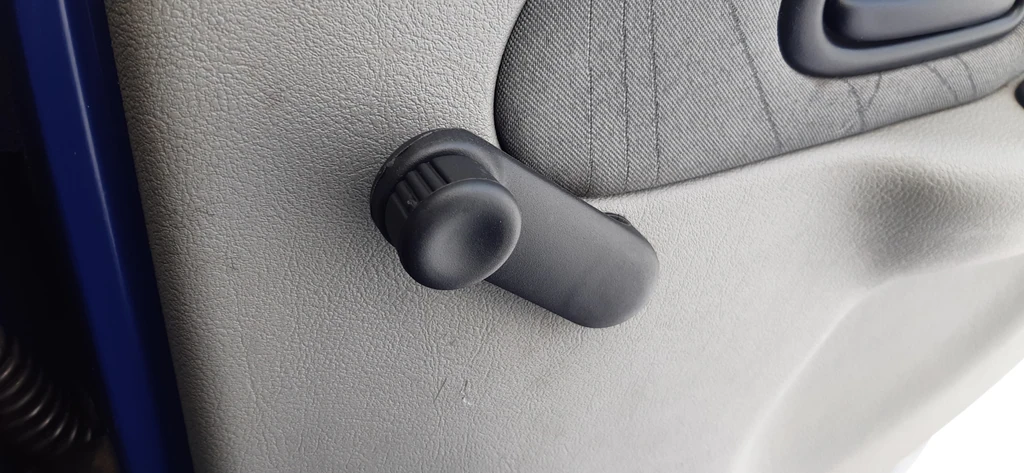
Manual window cranks are already rare in modern vehicles, especially in the American market. Power windows have become standard even in many entry-level models, making crank-operated windows feel like a relic from another era.
Their complete disappearance now seems inevitable.
3. Traditional Car Stereos
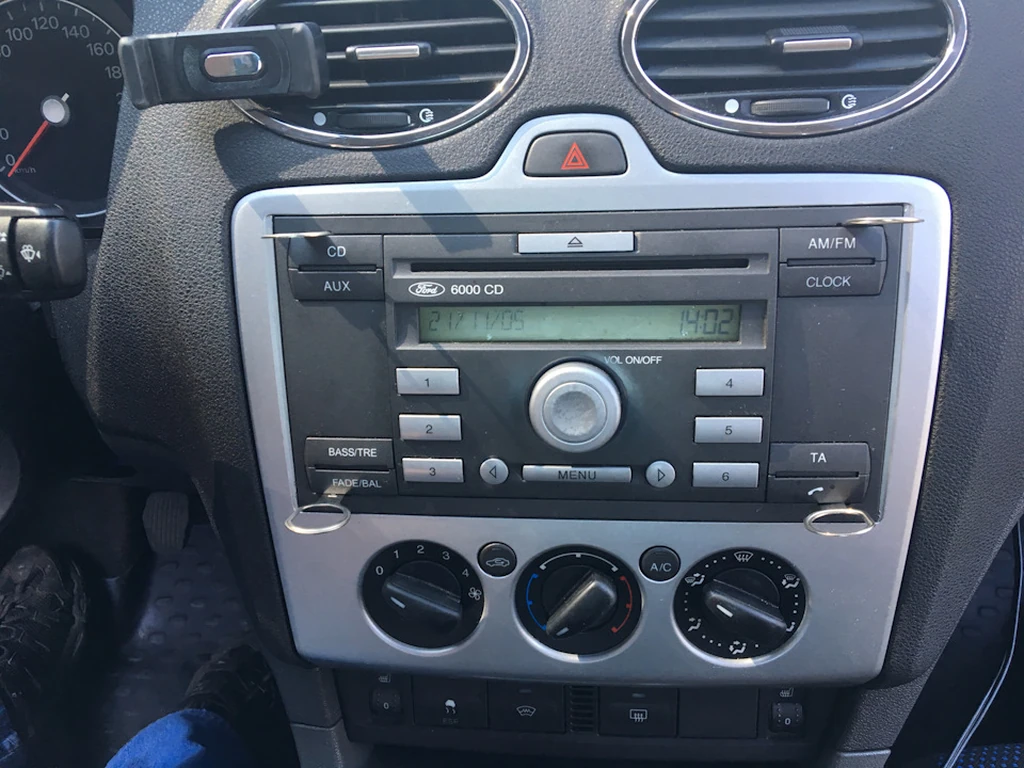
There was a time when upgrading a car stereo was one of the first things drivers did after buying a new vehicle. Head units, amplifiers, CD changers, and aftermarket speakers defined car culture for decades.
Today, vehicles are evolving into rolling smart devices. Massive touchscreens now control everything from navigation and music streaming to climate settings and phone calls. As software-driven infotainment systems take over, the traditional standalone car stereo is fading away.
Modern drivers expect seamless smartphone integration, cloud-connected services, and over-the-air software updates — not removable faceplates and stacks of CDs.
4. Physical Car Keys
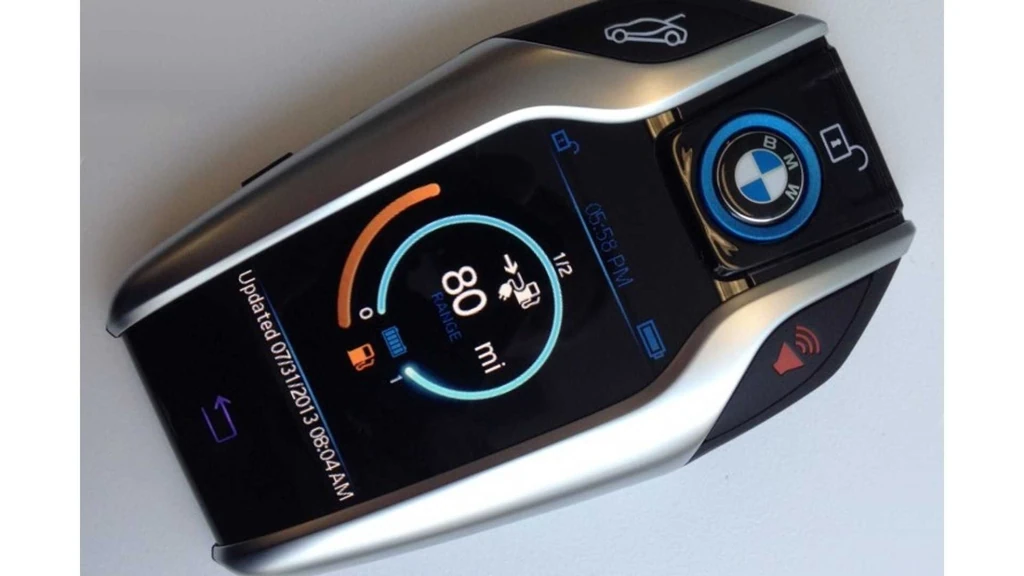
The invention of the electric starter transformed the automotive industry by eliminating the need for difficult manual starting procedures. For decades, turning a physical key was a universal part of driving.
Now, even that ritual is disappearing.
Many modern vehicles automatically detect the driver’s presence, unlock the doors remotely, and start with the push of a button. Smartphone-based digital keys are also becoming increasingly common, allowing drivers to leave traditional keys in their pockets — or at home entirely.
Convenient? Absolutely. But it also reflects how modern automakers increasingly prioritize digital experiences alongside mechanical engineering.
It’s easy to forget how revolutionary the electric starter once was. Before its arrival, starting a car could be physically demanding and sometimes dangerous.
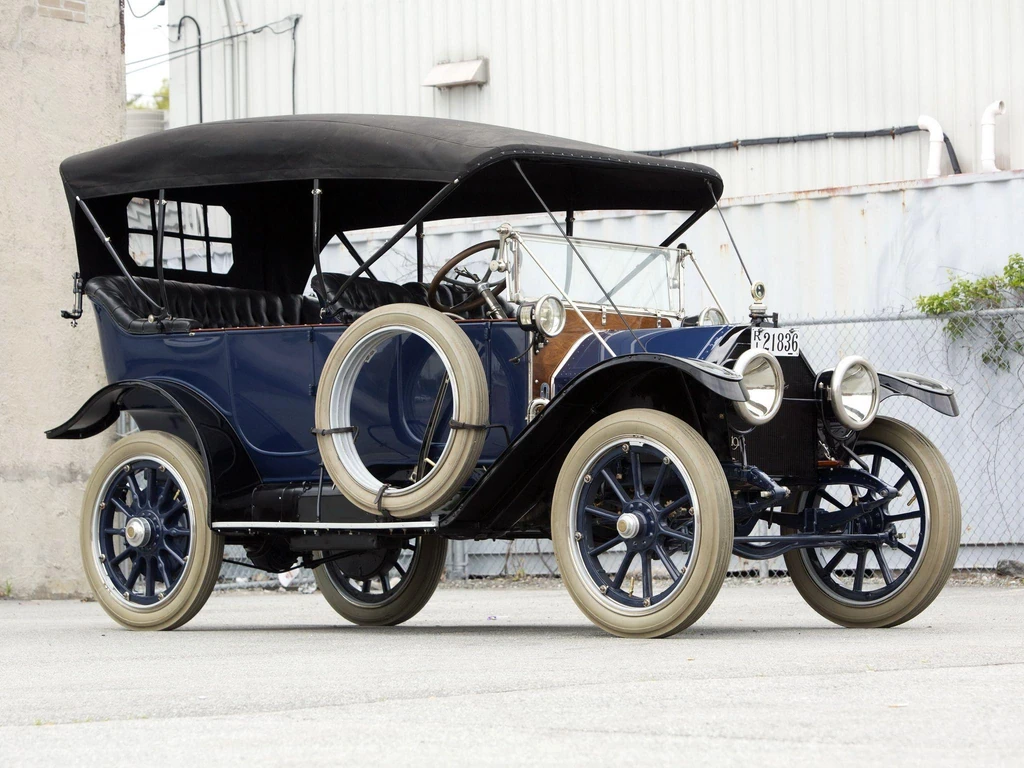
That changed in 1912, when Cadillac introduced the first production car equipped with an electric starter system. The invention was developed by Charles Kettering, an engineer who would later become one of General Motors’ most influential executives.
5. Physical Buttons and Knobs
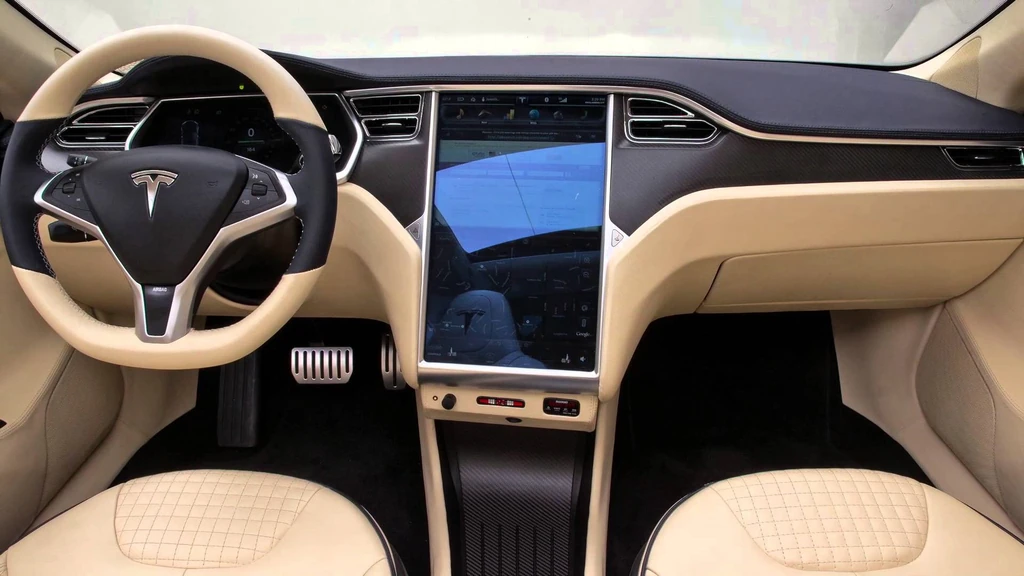
Touchscreens are taking over the dashboard.
Tesla helped popularize the trend by moving nearly all vehicle controls into a large central display, eliminating most physical buttons entirely. Other manufacturers have quickly followed, replacing knobs, switches, and selectors with touch-sensitive surfaces and software menus.
The result is a cleaner, more minimalist interior design. Whether it’s actually more practical remains a matter of debate among drivers.
Still, the direction of the industry is becoming clear: future vehicles may rely almost entirely on digital interfaces, with a single display controlling nearly every function inside the cabin.
You may also be interested in the news:

You've Seen These Black-and-Yellow Road Markers—But Do You Know What They Really Mean?
Those familiar black-and-yellow road markers quietly tell drivers which direction to take around roadside obstacles.
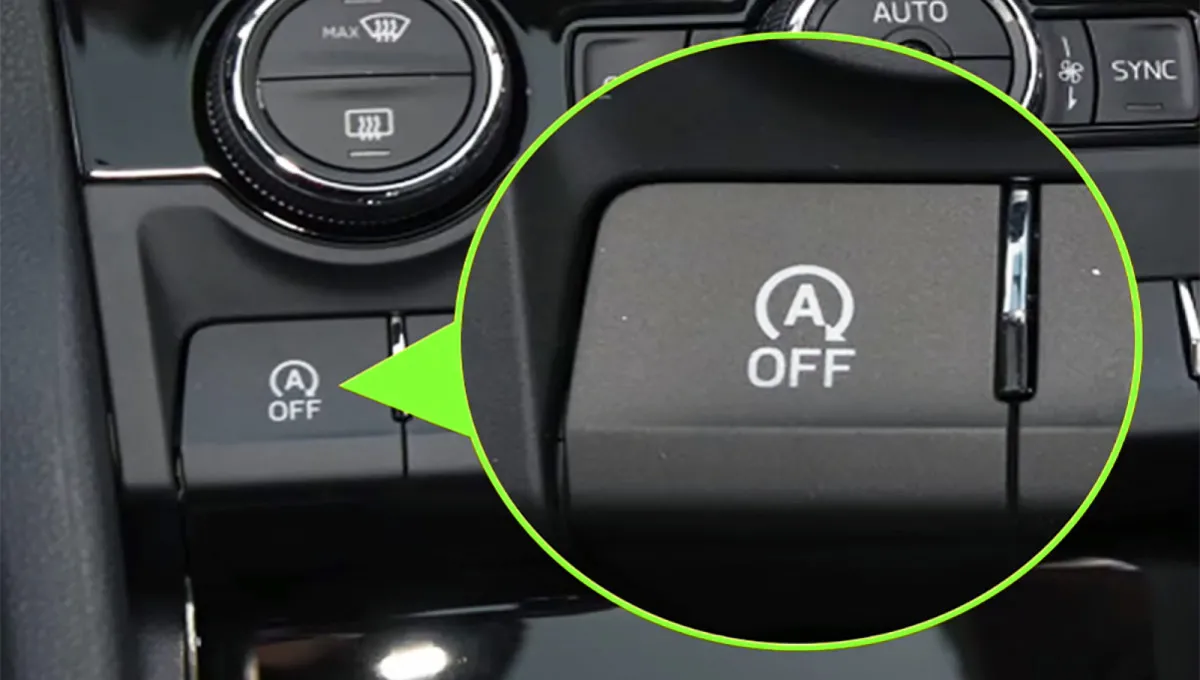
Start/Stop Systems Are Everywhere — But Are They Really Saving You Gas or Wearing Out Your Engine?
Does start-stop technology really save fuel, and does it put extra wear on the engine? Here’s what drivers need to know.

3 Signs Your Car Battery Is About to Die — And the Warning Signs Drivers Often Miss
A failing car battery rarely dies without warning, and these three signs can give drivers time to act before getting stranded.
These Used Cars Could Save You Thousands on Repairs, According to Experts
For many drivers, reliability and maintenance costs are just as important as the purchase price when choosing a used car.
YouTube Has a New Problem: AI Is Creating Fake Mechanics Who Look Completely Real
Artificial intelligence is now being used to create convincing fake auto mechanics on YouTube, raising concerns about misleading advice.