
What “TwinTurbo” and “Biturbo” Actually Mean — and How They Differ
Twin-turbo and biturbo engines are often confused, but the real difference is mostly branding, not engineering.
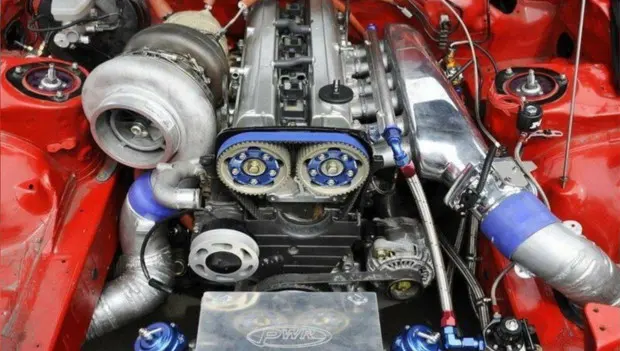
The modern automotive market has created a massive number of technical-sounding terms, many of them borrowed, translated, or simply rebranded for marketing purposes. As a result, even experienced drivers often get lost in terminology.
A classic example is the long-running debate around “TwinTurbo” and “Biturbo” engines.
Online discussions about turbocharged engines are especially messy. Even seasoned drivers who have owned multiple cars sometimes mix up basic concepts. Manufacturers don’t help either—some even stick both badges on the same vehicle, which only deepens the confusion.
So what’s the real difference, if any?
To answer that, it helps to understand why modern engines use more than one turbocharger in the first place.
Turbo Lag and Boost Threshold: The Real Reason for Dual Turbos
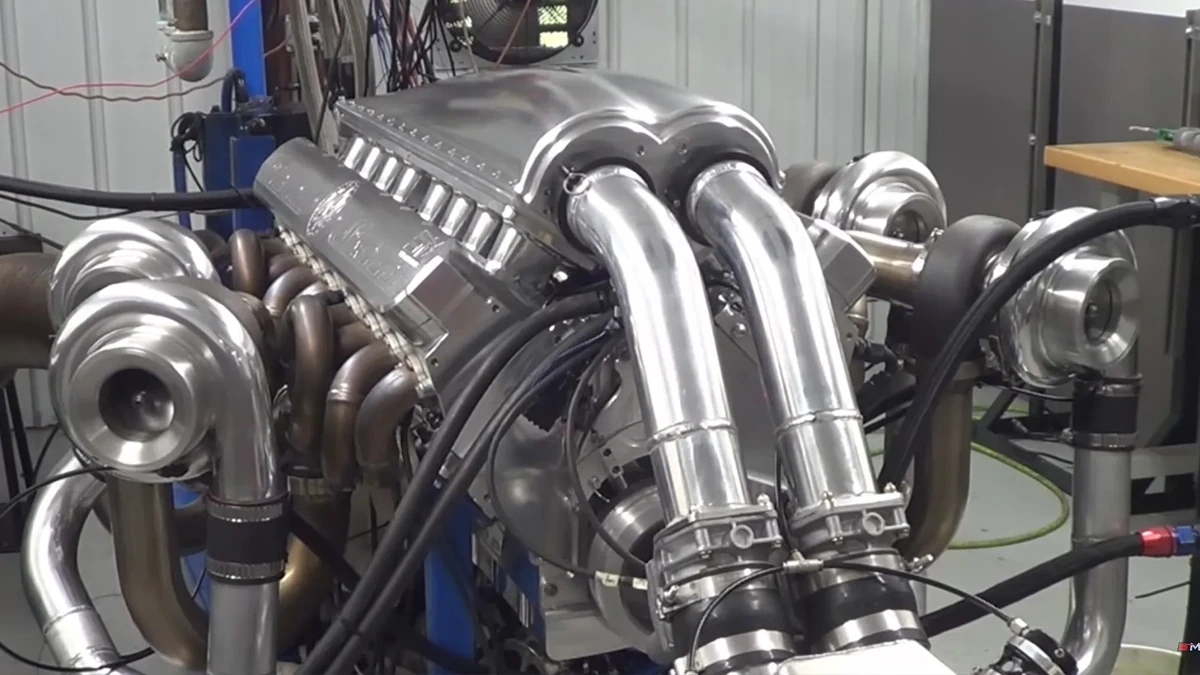
The entire concept of multi-turbo setups exists mainly to solve two well-known issues: boost threshold and turbo lag.
- Boost threshold is the low-RPM range where a turbo system simply can’t operate efficiently. In practical terms, this usually shows up between roughly 1,500 and 2,500 RPM. Below that range, the driver presses the gas, but the car barely responds.
- Turbo lag is the delay in response when the turbo needs time to spool up from idle to working speed. It often appears during quick throttle changes—like easing off before a turn, then accelerating again.
Both problems are tied to one thing: inertia. A turbocharger takes time to spin, and larger units take even longer.
That’s why manufacturers started using two smaller turbos instead of one large one. Smaller units spool faster, improving response. This is the foundation of what became known as “TwinTurbo” setups.
So What’s the Difference Between TwinTurbo and Biturbo?
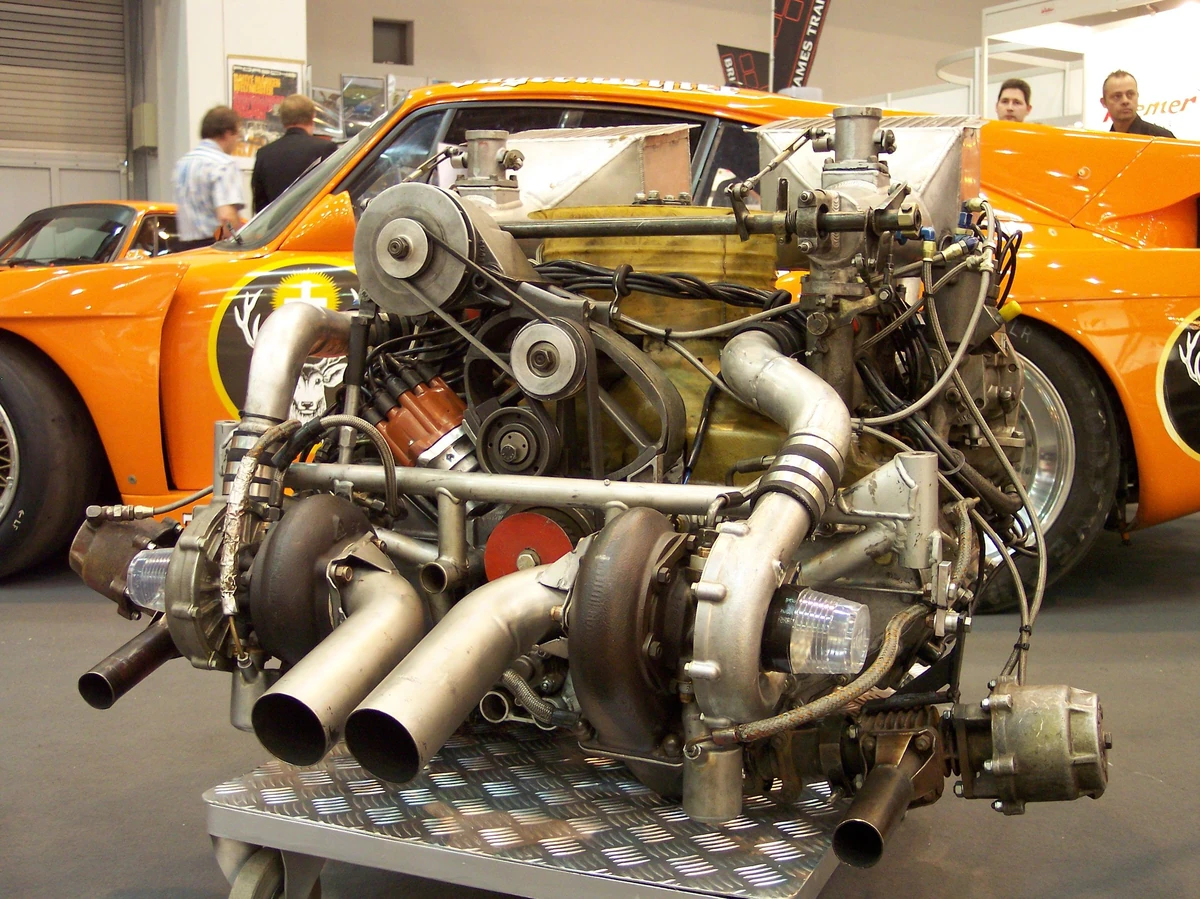
Here’s the simple answer: there is no real technical difference.
Both terms describe an engine with two turbochargers.
- TwinTurbo is the more standardized engineering term used in technical documentation and modern automotive language.
- Biturbo is largely a marketing term that gained popularity through branding and early manufacturer naming strategies.
In the early days of dual-turbo engines, some manufacturers labeled certain models “Biturbo,” especially when using parallel turbo setups. That’s where the myth of a technical difference started.
Today, both terms are used interchangeably to describe any engine with two turbochargers, regardless of configuration.
Types of Twin-Turbo Systems
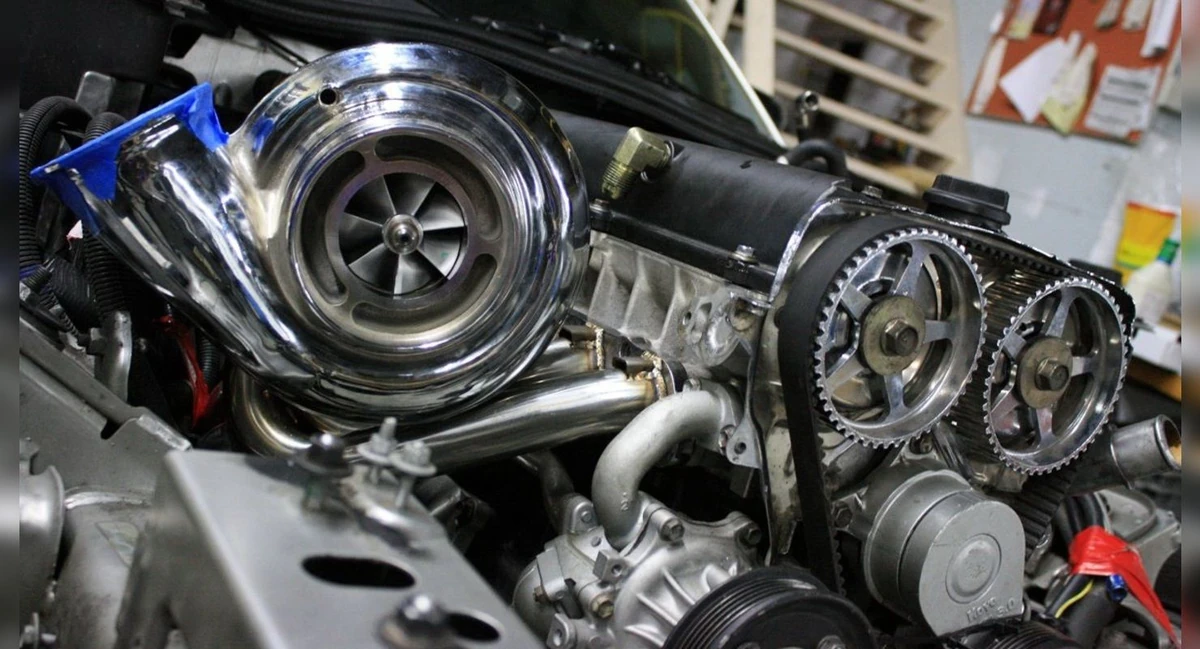
While the naming difference is mostly cosmetic, turbo systems themselves do vary in design. The main configurations are:
Parallel Turbocharging
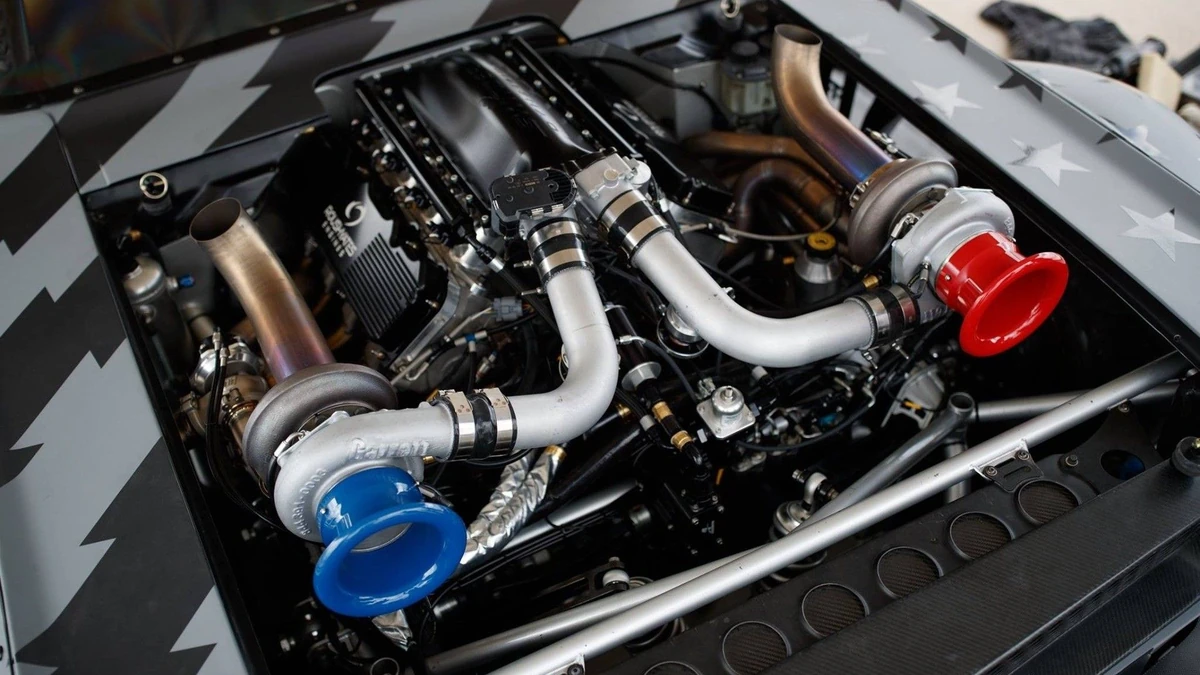
Two identical turbos split exhaust flow evenly. Common in V6 and V8 engines, where each turbo is assigned to one bank of cylinders. This setup is relatively simple and efficient.
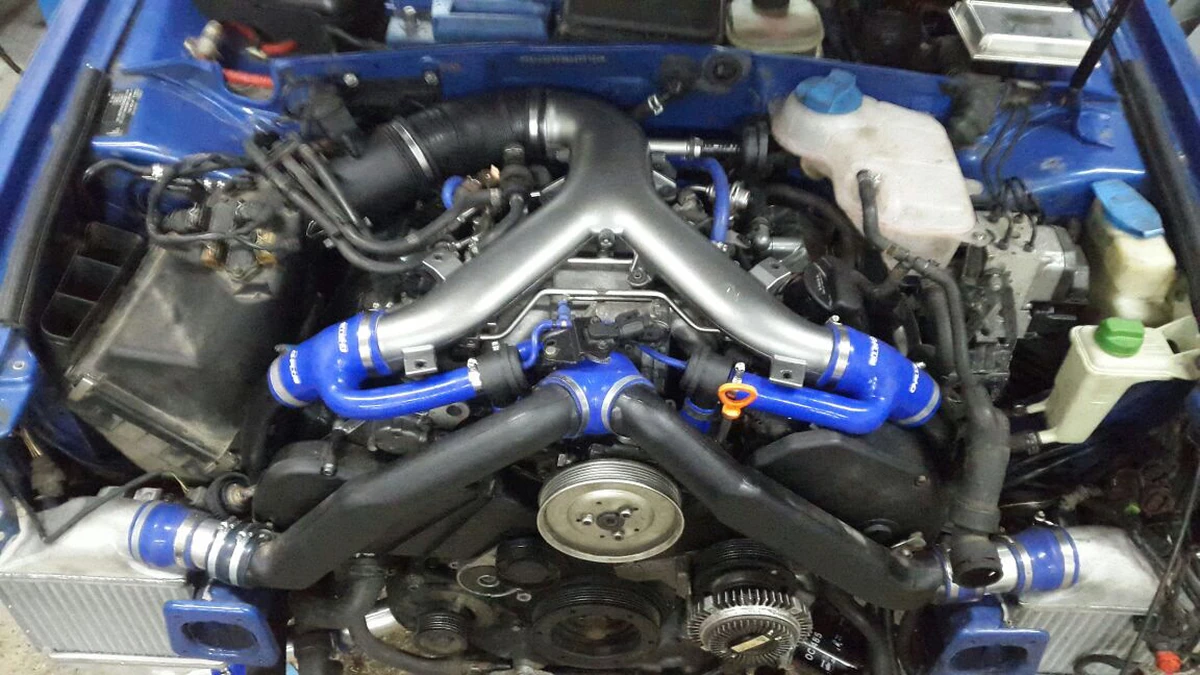
Sequential Turbocharging
Two differently sized turbos work in stages. The smaller one handles low RPMs, while the larger one kicks in at higher speeds. At mid-range, both operate together. This setup was widely used in performance cars from the 1990s. It delivers strong power across a wide RPM range but is mechanically complex.
Compound (or Staged) Turbocharging
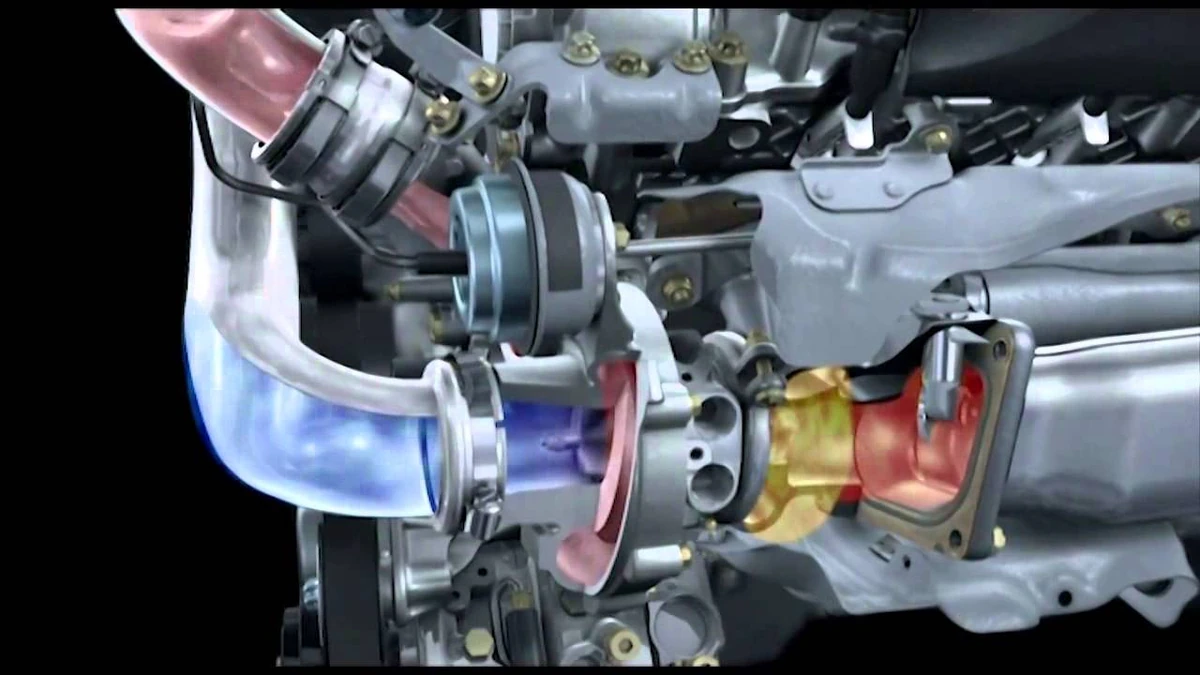
One turbo feeds into another, compressing air in multiple stages. This increases boost pressure significantly. The concept originally came from aircraft engineering in the 1940s and was later adapted for automotive use in high-performance and diesel applications.
Despite the different badges, “TwinTurbo” and “Biturbo” refer to the same basic idea: an engine using two turbochargers.
The real differences lie not in the name, but in how the system is engineered—parallel, sequential, or compound setups.
Everything else is mostly branding history that stuck around longer than it should have.
You may also be interested in the news:

The “Gas-Saving” Tricks That Could Destroy Your Car — And What Drivers Should Do Instead
Some fuel-saving tricks can backfire, costing drivers far more in repairs than they ever save at the gas pump.
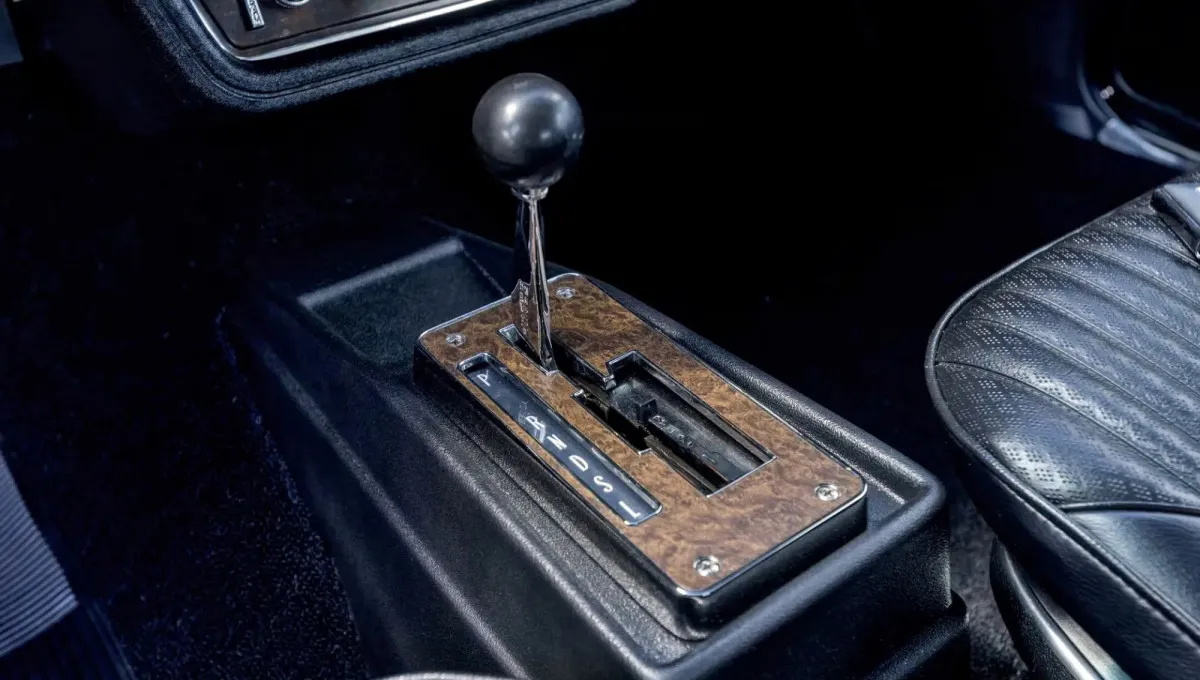
How Oldsmobile Invented a Manual Gearbox for an Automatic
Long before paddle shifters and electronic driving modes, Oldsmobile found a clever mechanical way to let drivers shift an automatic transmission themselves.
Not a Manufacturing Error: Why Some Wheels Have Two Valve Stems
Two valve stems on one wheel may look unusual, but the setup serves a practical purpose in racing and specialized tire service.
You Hit ECT PWR and Your Toyota Suddenly Wakes Up: What That Mysterious Button Really Does
This little button can change the way a Toyota drives, but plenty of owners have no idea what actually happens when they press it.
Toyota Built It to Survive 300,000 Miles. Tuners Turned It Into a 2,000-HP Beast
Toyota engineers may have gone too far with durability — and accidentally created the ultimate engine for hot-rodding.