
Rhino Run: An Amphibious Oddity With Seriously Unconventional Wheels
Off-road rigs and amphibious vehicles have long fascinated gearheads, but this one rewrites expectations completely.
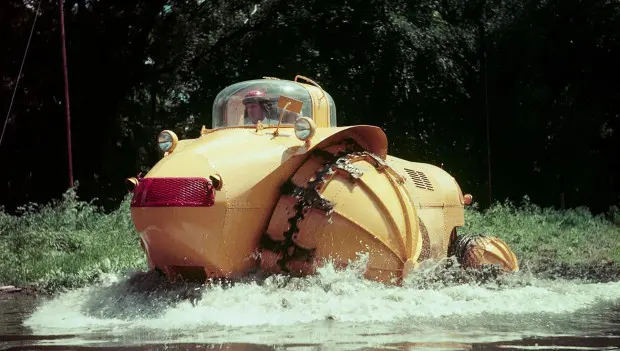
Off-roaders and amphibious machines have always captured the imagination of automotive enthusiasts. Among the strangest examples ever built is the “Rhino,” a vehicle whose standout feature—its highly unconventional wheels—made all the difference.
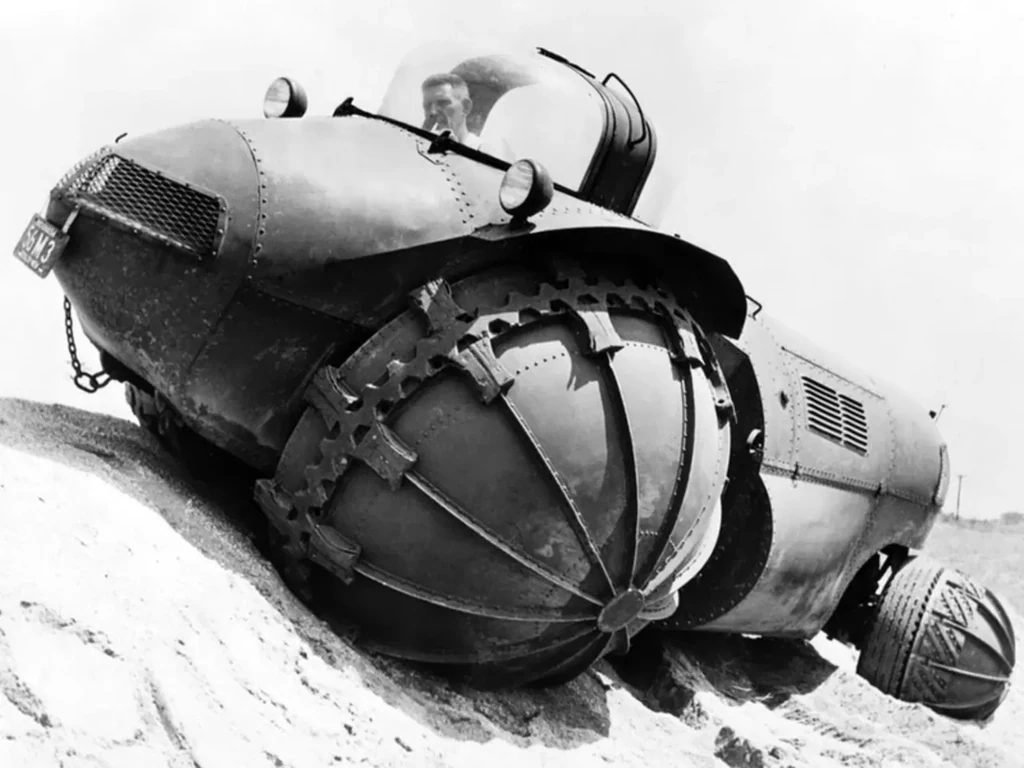
The invention of the wheel in the third millennium BCE was one of humanity’s greatest breakthroughs, paving the way for smoother travel over the centuries. By the 20th century, engineers were rethinking even the most basic concepts.
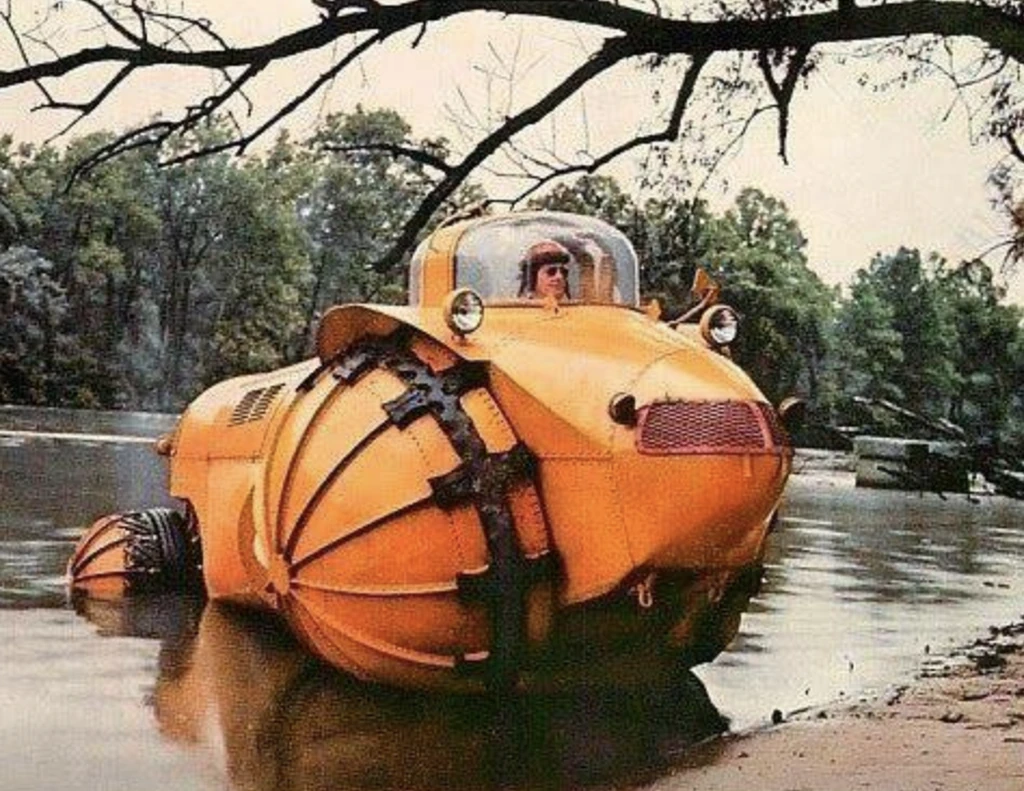
One such innovator was Eli Aghnides, a brilliant American inventor of Greek descent. In 1940, while watching tracked bulldozers at work, he realized they wasted too much energy just moving across short distances.
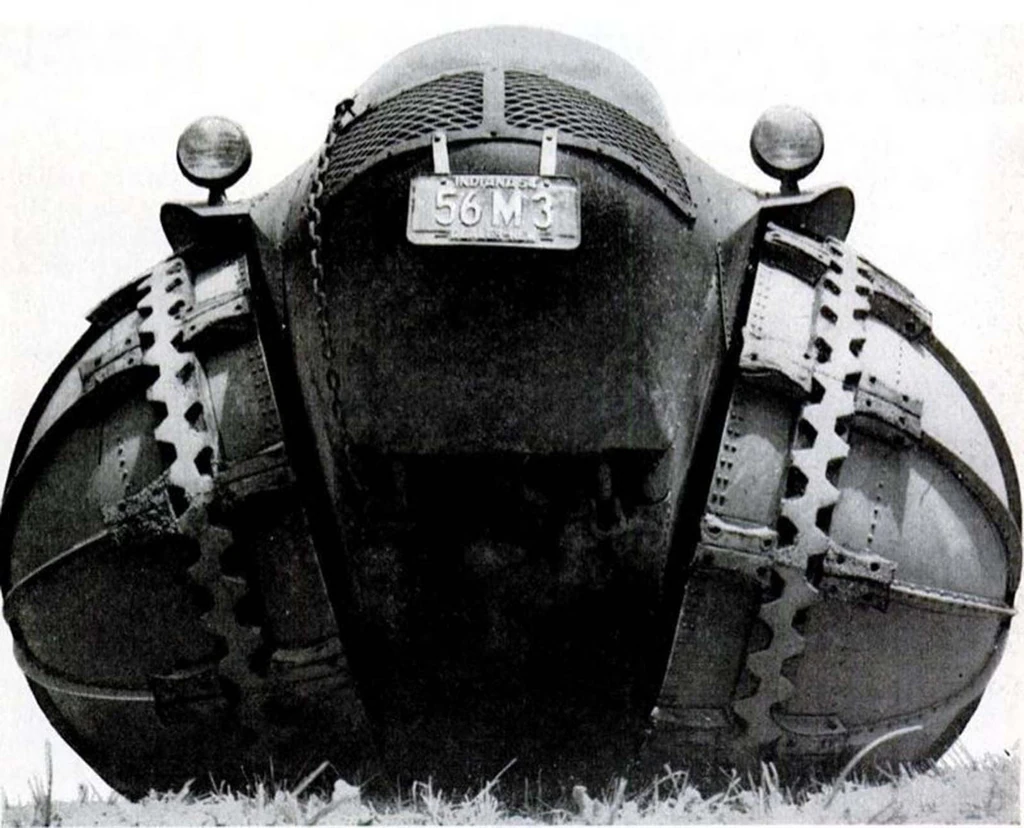
Over the next 14 years, Aghnides worked on a radically new vehicle concept he eventually named “Rhino.” Development took so long for a simple reason—he could only work on it in his spare time outside his regular factory job. The Rhino finally debuted in 1954.
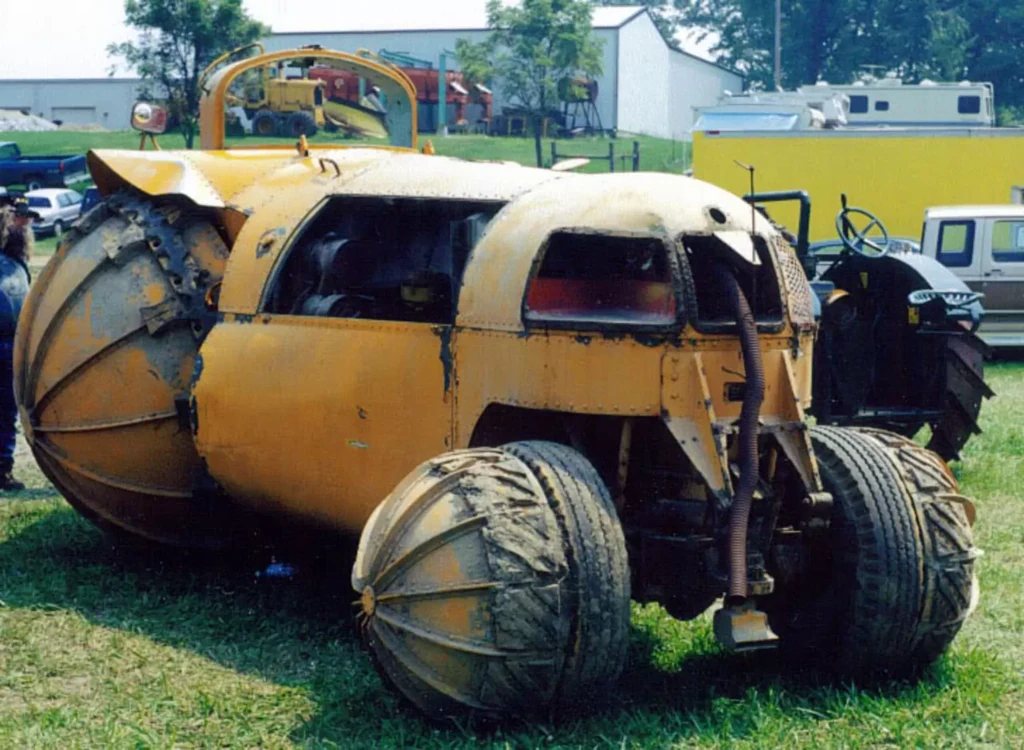
What emerged was a five-ton, roughly 19-foot-long machine unlike anything seen before.

Even more intriguing, it was fully amphibious. The driver sat up front on a rounded nose section, with a dual circular wheel setup mounted beneath. Each wheel measured about 6.5 feet in diameter.
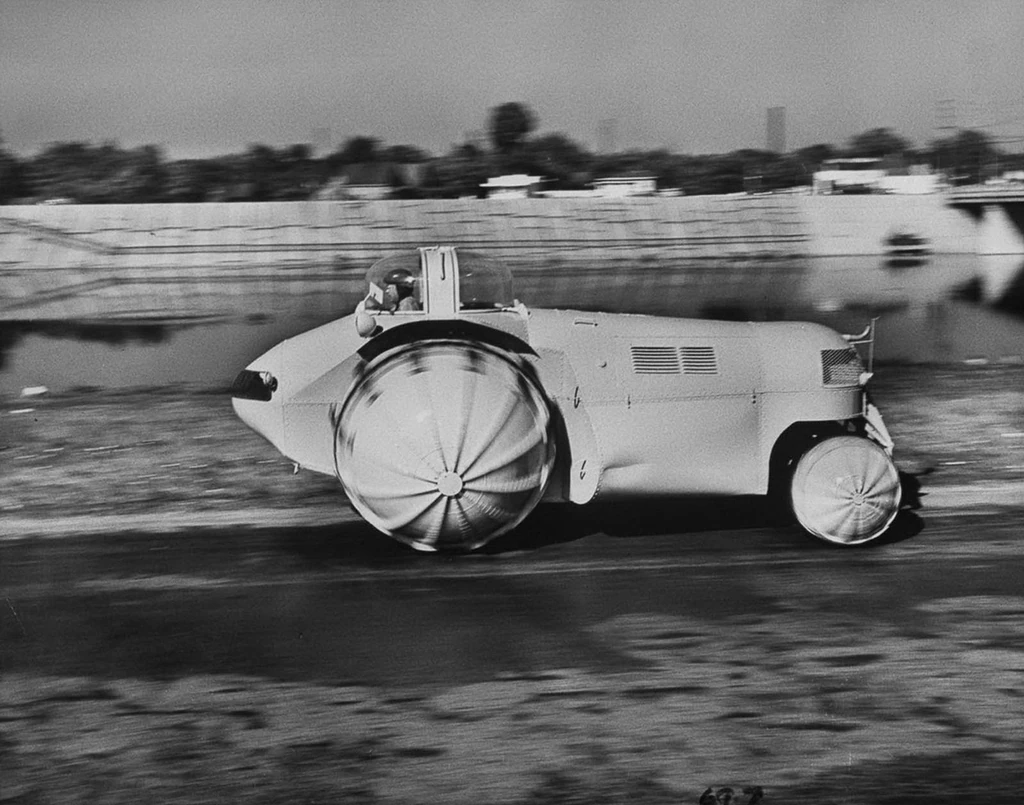
The vehicle featured a steel frame supporting an aluminum body.

Testing proved the Rhino could tackle swamps and rough terrain with ease. Sand and mud posed little challenge, and the vehicle could even pivot a full 360 degrees. Its top land speed reached about 45 mph.
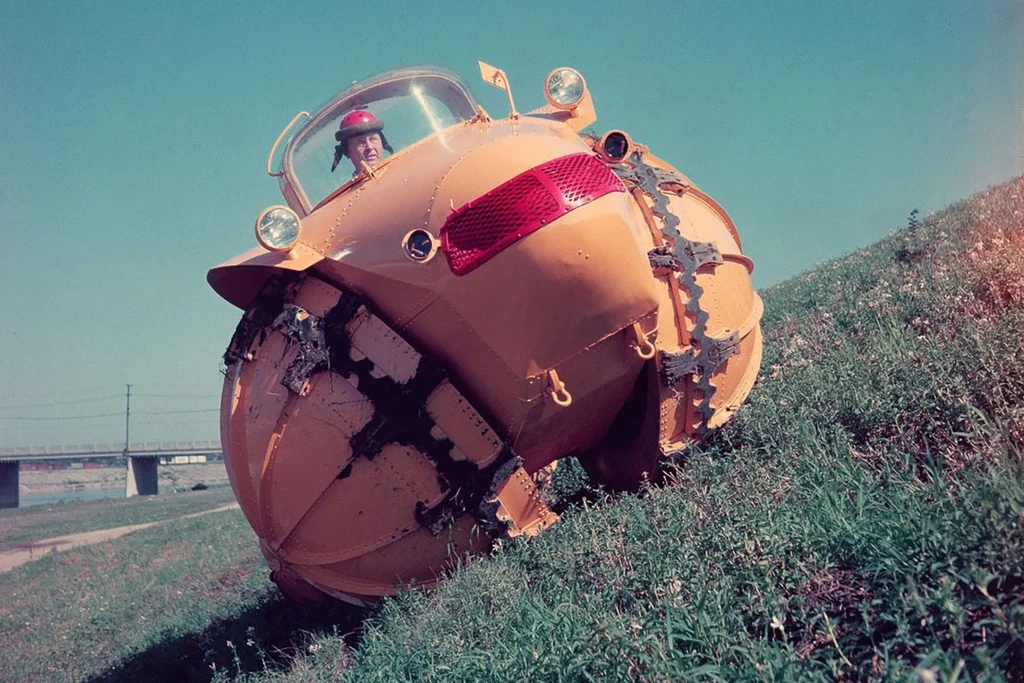
Power came from a Ford engine, and thanks to its low center of gravity, the Rhino was remarkably stable.
It could tilt onto one side—or even balance on a single wheel—without tipping over. For water travel, it used a separate marine engine, allowing it to reach speeds of around 3 mph afloat.
You may also be interested in the news:
Why New Cars Are Ditching the Spare Tire — And What Drivers Get Instead
More new vehicles are replacing the spare tire with a compressor and sealant kit, and there are two practical reasons why.

Experts Name the Two Most Powerful Production Sports Cars in the U.S.
American sports cars continue to impress with their horsepower, speed and innovative engineering, with two models standing above the rest.
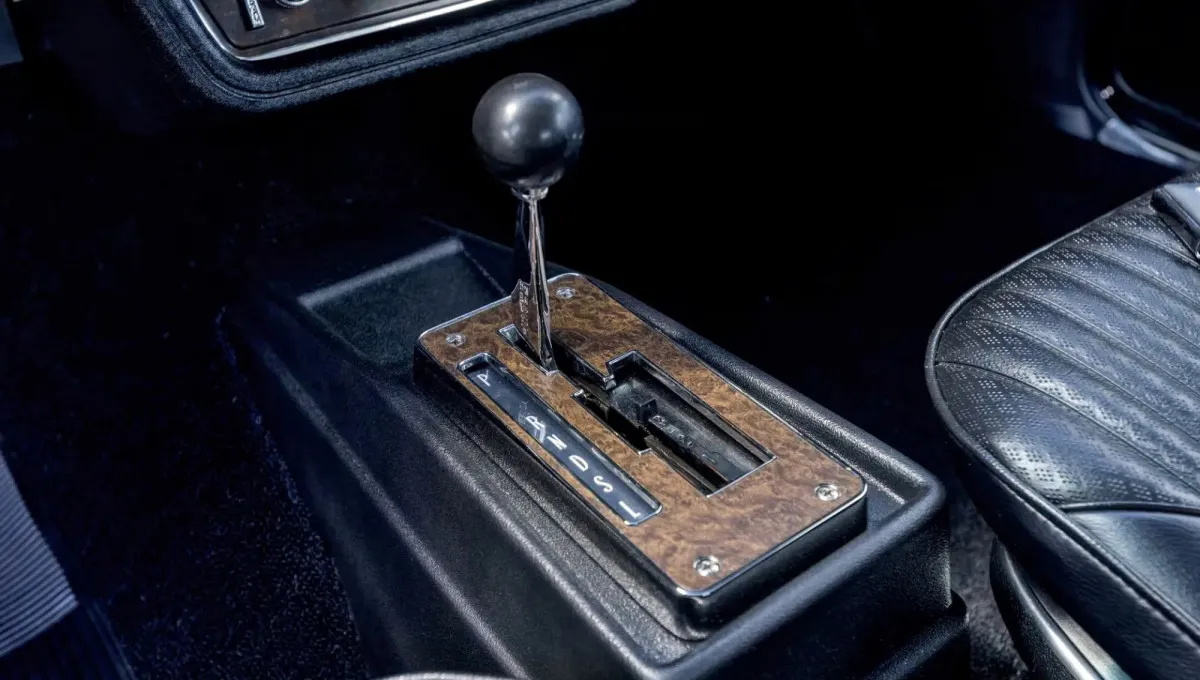
How Oldsmobile Invented a Manual Gearbox for an Automatic
Long before paddle shifters and electronic driving modes, Oldsmobile found a clever mechanical way to let drivers shift an automatic transmission themselves.
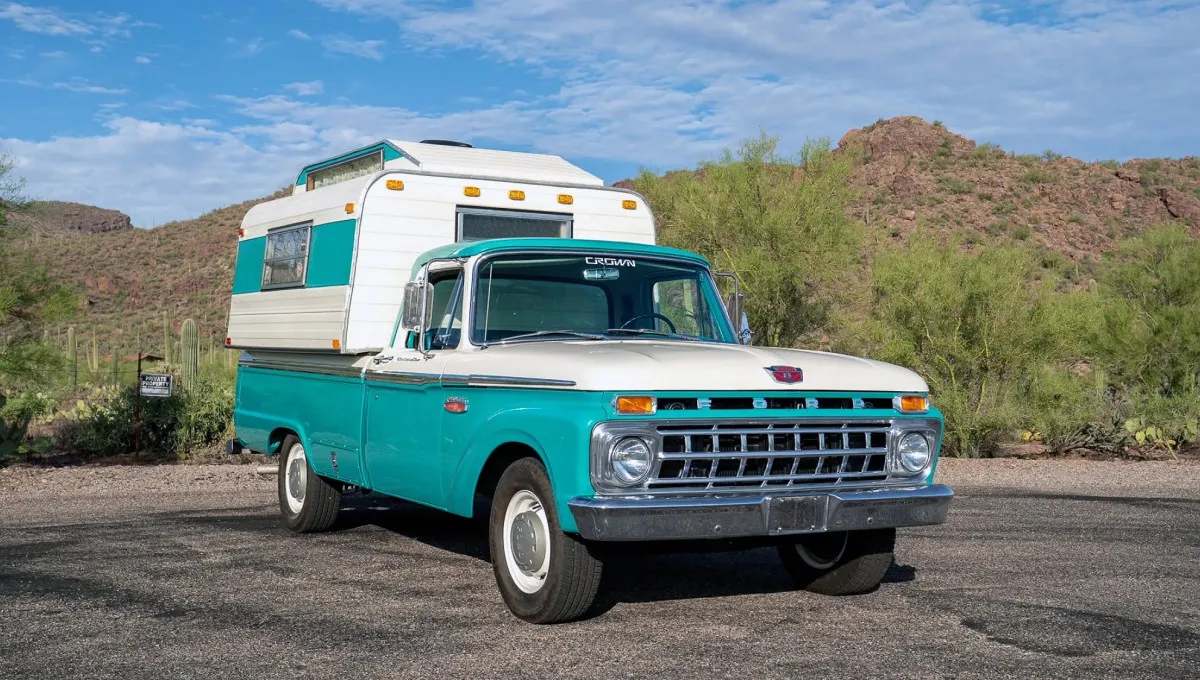
This 1965 Ford F-250 With a Mitchell & Sons Camper Is a Charming Retro Travel Companion
The 1965 Ford F-250 and Mitchell & Sons camper share colors, period styling, and compatibility.
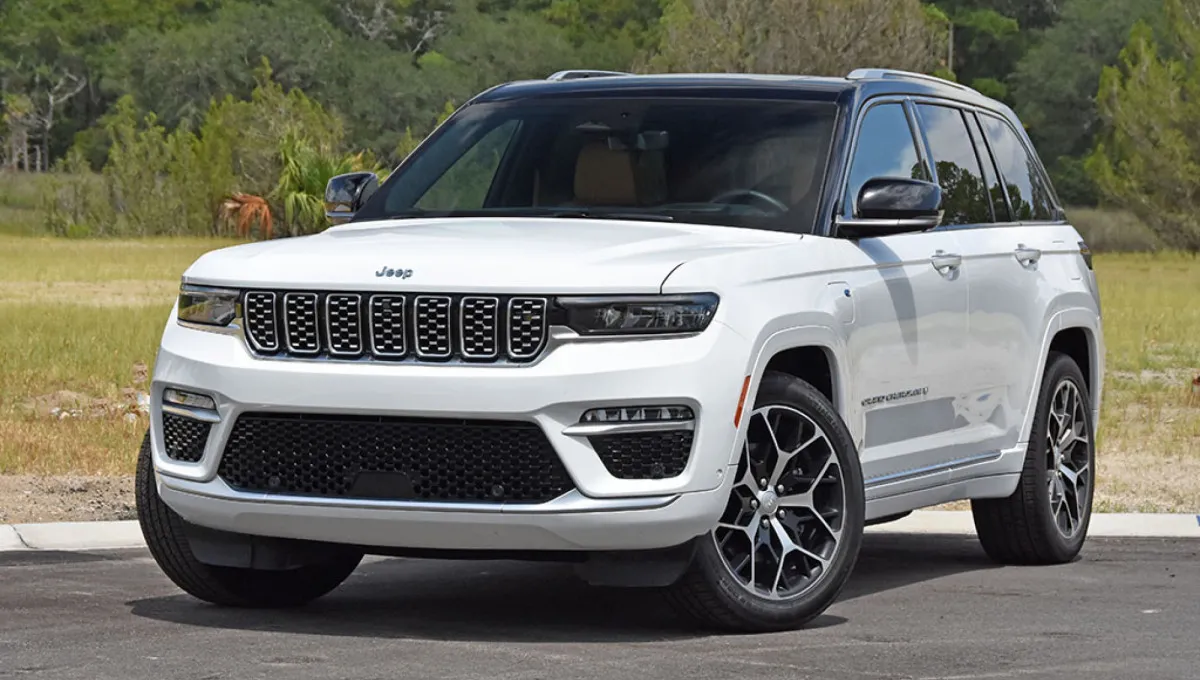
328,000 Jeep Grand Cherokees Recalled Over a Hidden Crash Risk — Owners Should Act Now
Chrysler is recalling more than 328,000 Jeep Grand Cherokees over a rear coil spring problem that could increase the risk of a crash.