
Why Hungary’s Ikarus Buses Failed in America Despite Early Success in the U.S.
Hungarian-built Ikarus buses once targeted America’s transit market but never gained a lasting foothold there.
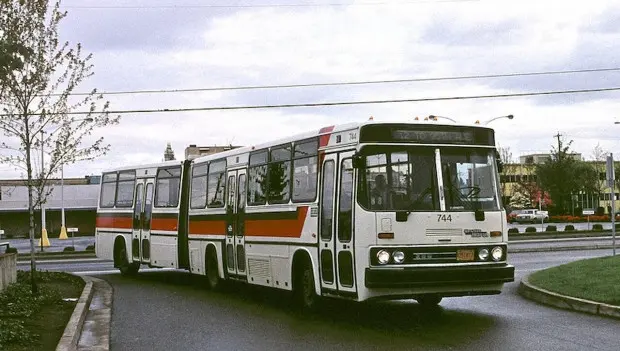
Most Americans have never heard of Ikarus buses, but across Eastern Europe and the former Soviet Union, the Hungarian brand became almost legendary. What many people don’t realize is that Ikarus also spent several years trying to break into the U.S. and Canadian public transit markets during the late 1970s and early 1980s.
And for a while, the company actually looked poised for success.
What Was the American Ikarus?
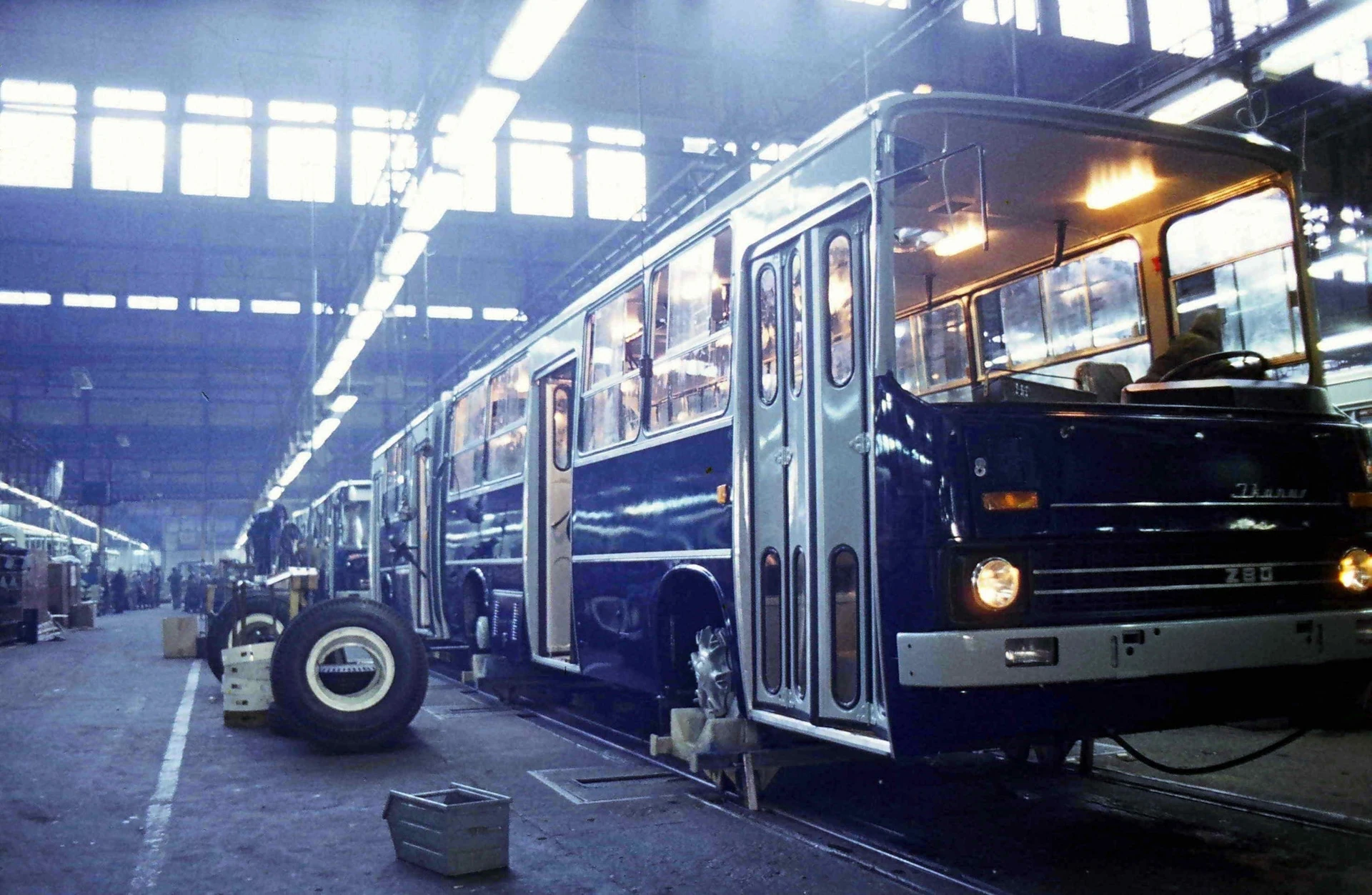
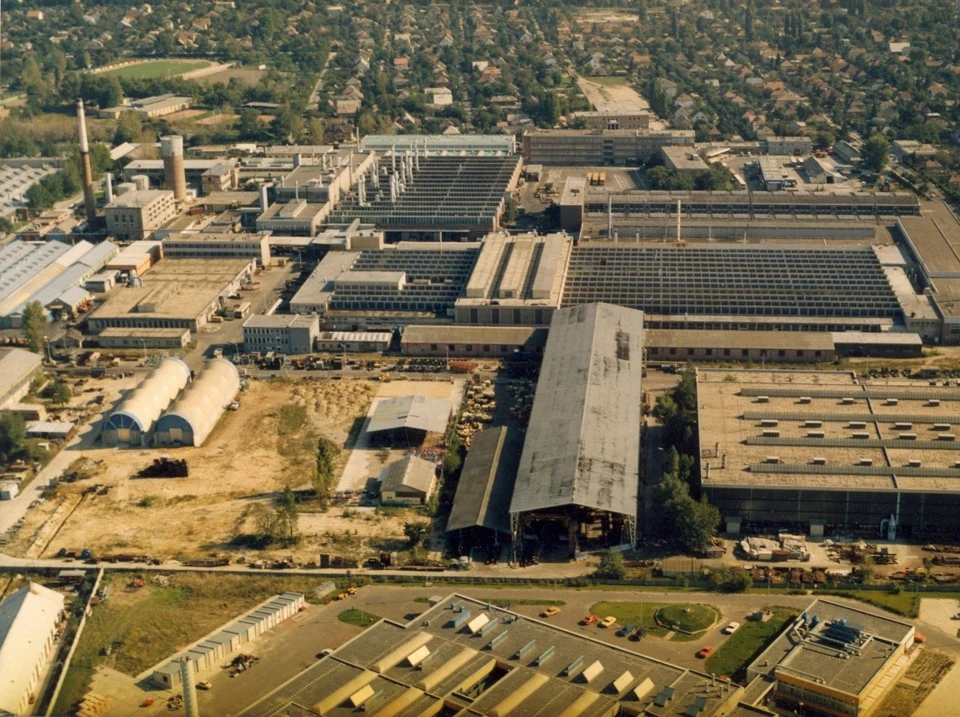
When people think about Ikarus buses today, they often picture aging, noisy transit vehicles from the final years of the Soviet era. But during the late 1970s, Ikarus was actually one of the largest bus manufacturers in the world.
The company exported buses throughout Europe, Asia, and the USSR, producing as many as 13,000 buses annually at its peak. For comparison, total bus production in the United States at the time was reportedly two to three times lower.
Although America was already heavily car-dependent, public transportation still played a major role in large cities. That became especially true during the oil crises of 1973-1974 and 1979, when soaring fuel prices forced many Americans to rely more heavily on buses and mass transit systems.
For Ikarus, entering the North American market suddenly became a very attractive business opportunity.
Interestingly, the Hungarian company entered the U.S. through aerospace giant McDonnell Douglas, now part of Boeing. Facing financial pressure during that period, McDonnell Douglas explored importing foreign-built transit buses for American cities.
Working alongside California-based Crown Coach, the Hungarians created a joint operation called Ikarus Body and Coach Works. Deliveries officially began in 1979.
What Made the American Ikarus Different?
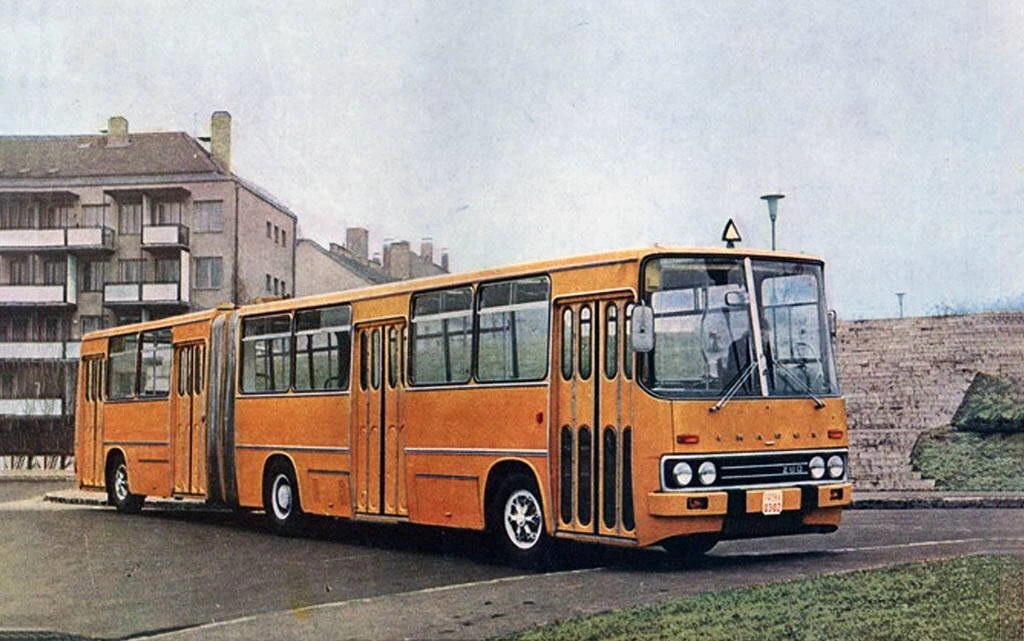
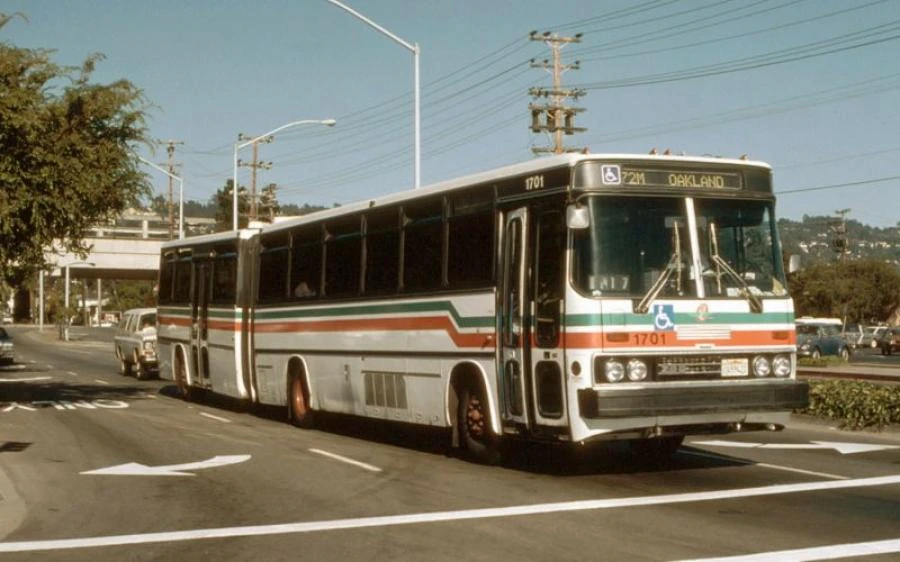
At first, the buses were assembled in Hungary, but production later shifted partly to Crown facilities in California. The resulting Crown-Ikarus 286 models were heavily adapted for American regulations and customer expectations.
The buses were based on Ikarus’ famous 200-series platform but featured numerous American-made components. They used Cummins diesel engines, Allison automatic transmissions, WABCO braking systems, Rockwell axles, and Donaldson filters and exhaust systems.
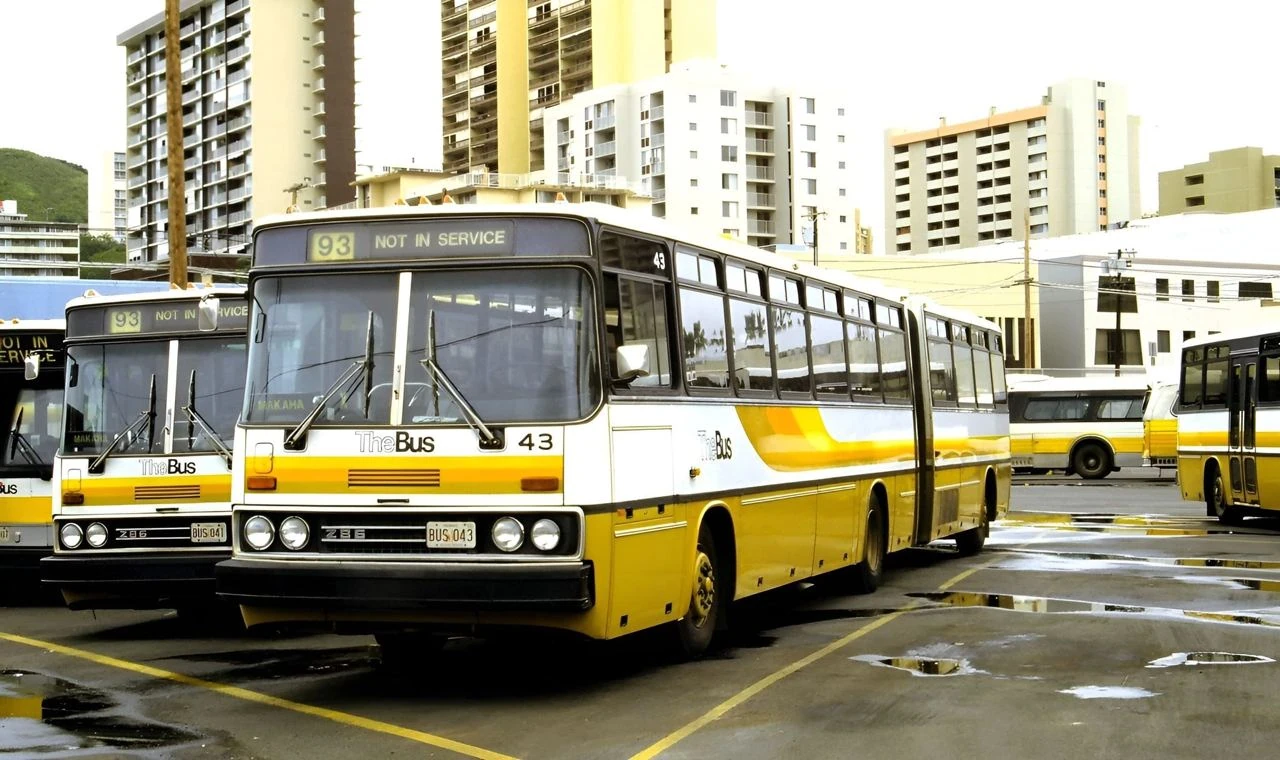
Unlike many Soviet-market buses, the American versions also included air conditoning systems supplied by Carrier.
The body itself had to be redesigned because the original European buses exceeded certain U.S. dimensional standards by several inches. Even details like the steering wheel and driver controls were modified to comply with American regulations.
The buses were offered in several versions, including articulated models measuring about 56 and 59 feet long, with seating capacity ranging from 61 to 71 passengers. Buyers could also choose between one-door and two-door layouts.
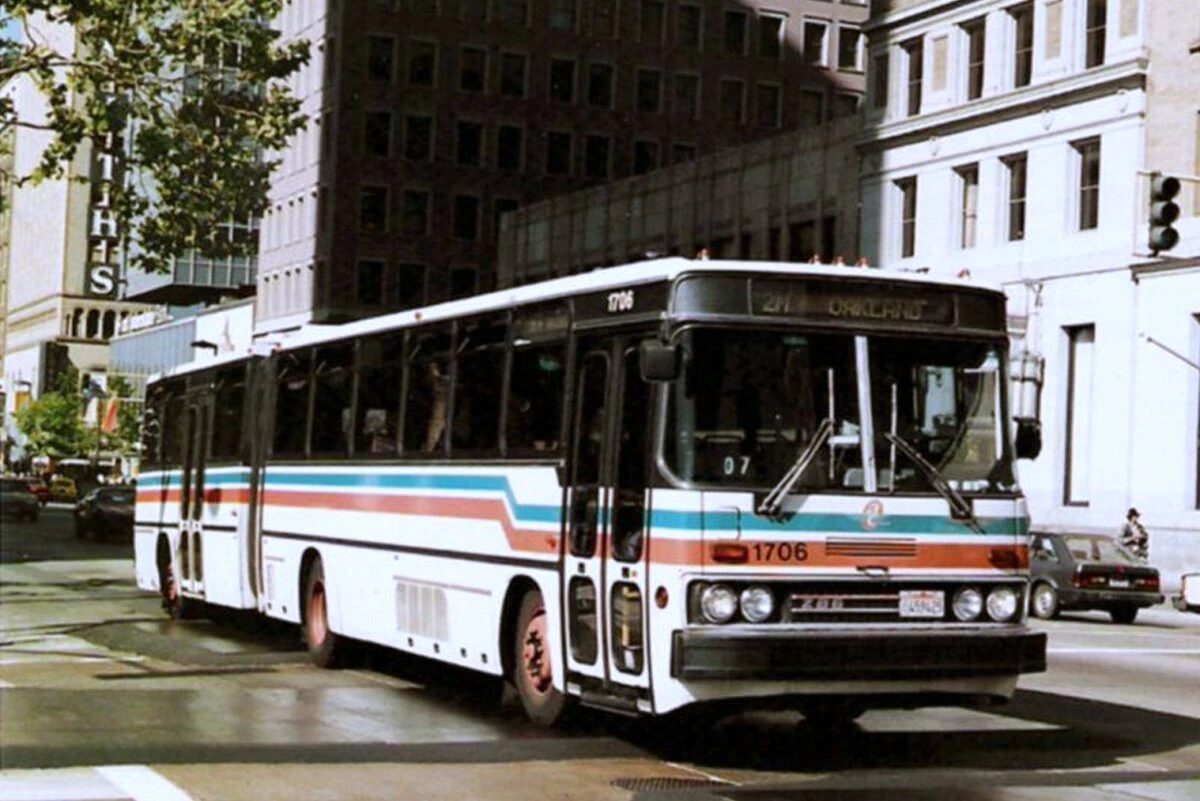
Ikarus even experimented with a trolleybus version based on the same platform, though that project never moved beyond public demonstrations in a few states.
Transit officials in several American cities reportedly responded positively to the buses, and the Crown-Ikarus partnership survived for nearly a decade before fading away by 1986.
Why Didn’t Ikarus Survive in America?
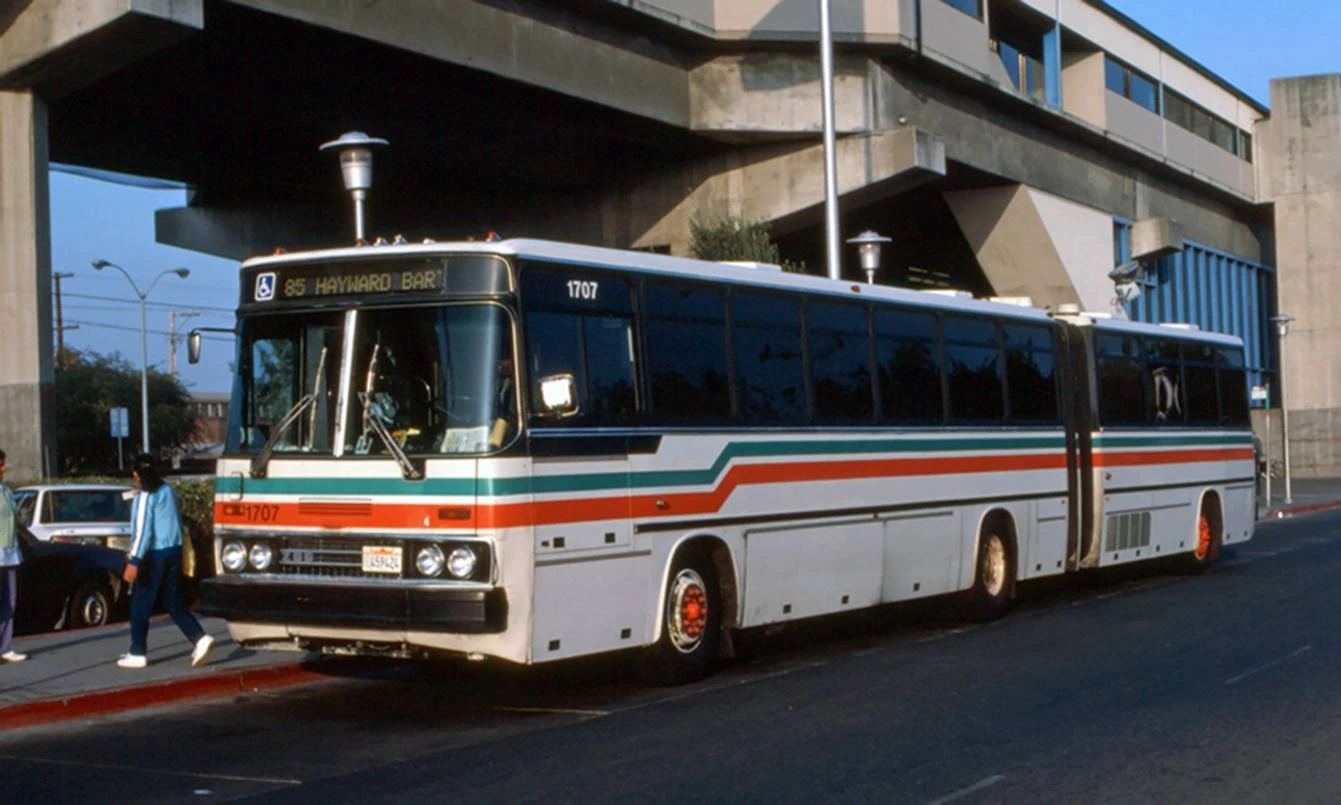
Officially, safety concerns and manufacturing quality issues eventually damaged the project’s future. Government inspections reportedly uncovered multiple technical deficiencies, leading to canceled contracts and reduced production numbers.
But the timing raised eyebrows.
Shortly before Crown-Ikarus production was dramatically cut, McDonnell Douglas executives were reportedly negotiating to replace the Hungarian buses with German-made MAN transit buses instead.
That plan never fully materialized either, but domestic American bus manufacturers soon filled the gap.
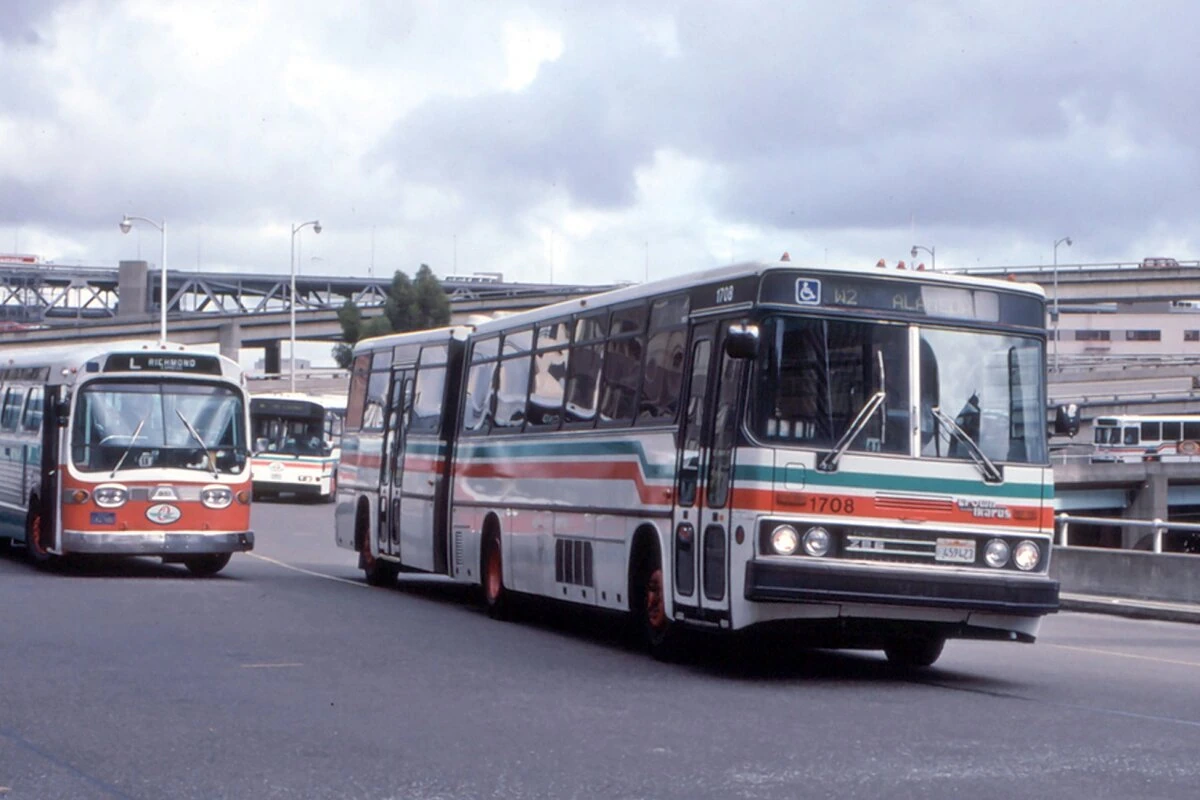
In many ways, the Ikarus story reflected the harsh realities of the American transportation market during the 1980s. Even with competitive pricing and decent performance, foreign manufacturers often struggled against political pressure, shifting regulations, and established domestic suppliers.
Still, for a brief period, Hungarian-built Ikarus buses became an unusual sight on North American streets — and one of the strangest Cold War automotive partnerships most people have completely forgotten today.
Even decades later, some surviving Crown-Ikarus buses remain preserved by transit museums and private colectors, reminding enthusiasts of a fascinating chapter in bus history that almost reshaped urban transportation in America.
For many transit fans, the Crown-Ikarus experiment still feels like one of the great “what if” stories of the public transportation world, even if the buses ultimatly disappeared from U.S. roads far sooner than expected.
You may also be interested in the news:
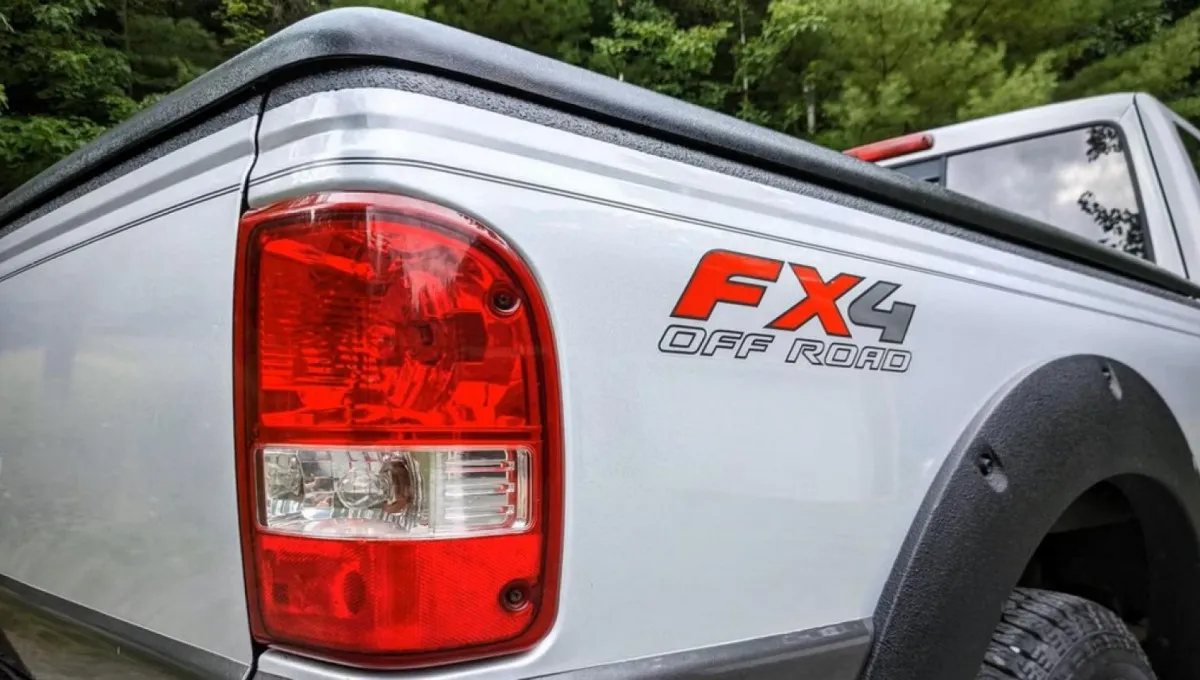
Ford Ranger FX4 Level II Was Cool Long Before the Raptor
Ford Built This Insane Ranger Years Before the Raptor—and Almost Nobody Remembers It
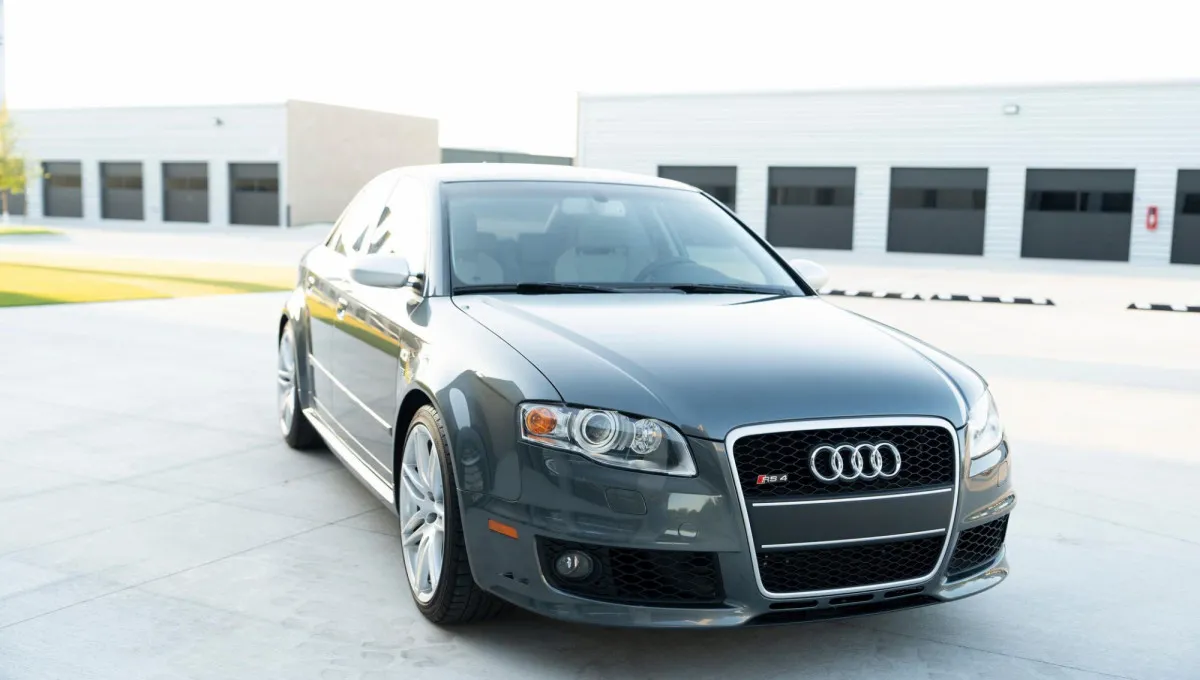
This 18-Year-Old Audi RS4 Just Sold for More Than It Cost Brand-New
After spending 18 years in a garage, this low-mileage Audi RS4 has become a sought-after collector car.
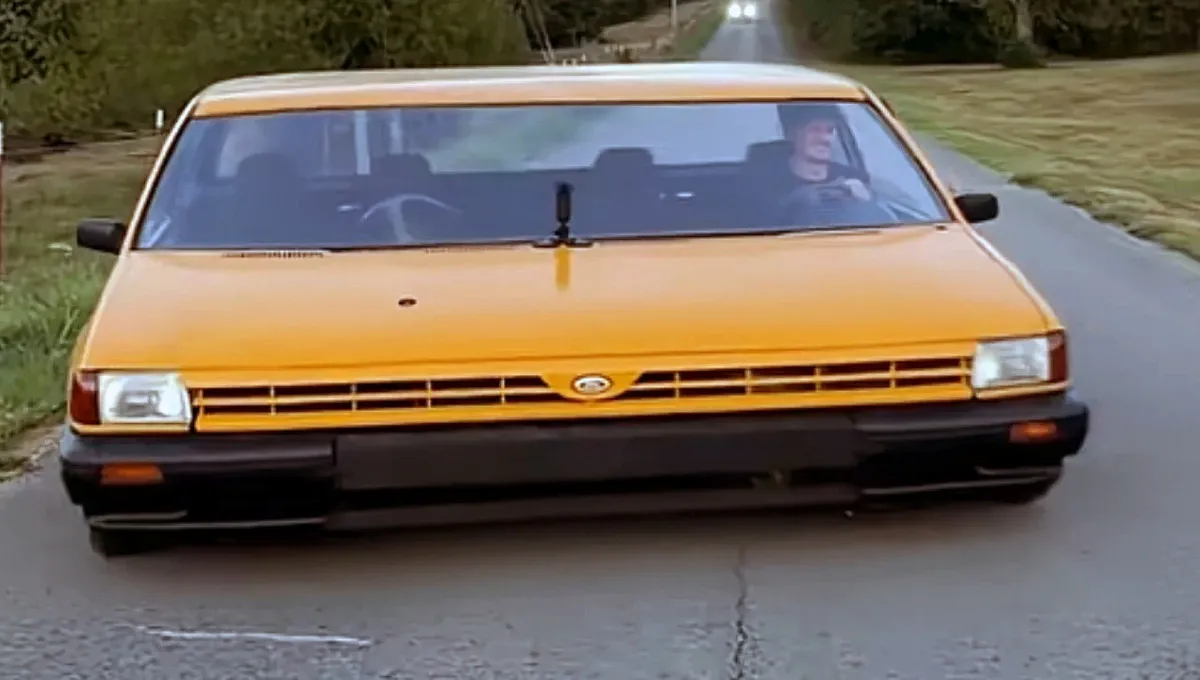
Tennessee Man Builds an Absurdly Wide Car Where Everyone Gets to Ride Shotgun
Tennessee creator Tyler Fever built an absurdly wide car after previously turning a Ford Festiva into a street-legal sliver.
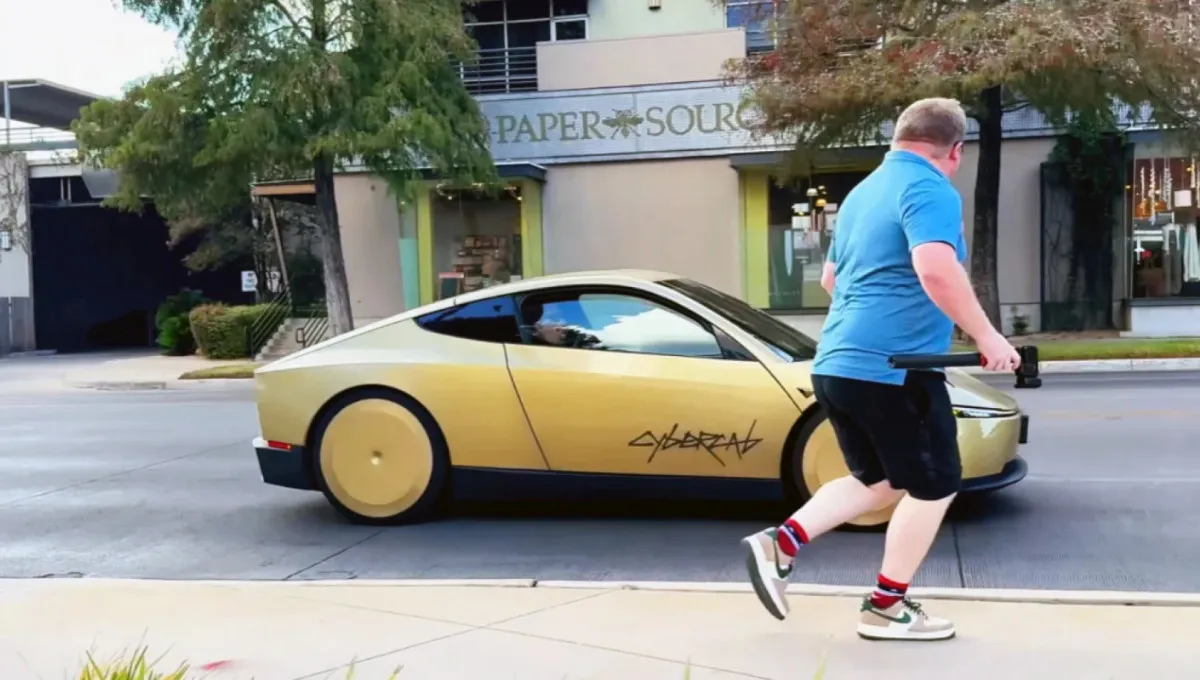
Washington Man Steps in Front of Tesla Cybercab to Test Its Self-Driving Response
Washington man stepped into a Cybercab’s path to test how quickly its autonomous system responded.
Copart to Acquire ACV Auctions in $1.9 Billion Deal, Expanding Into Dealer-to-Dealer Car Auctions
Copart is acquiring ACV Auctions for about $1.9 billion, expanding its online auction business into dealer-to-dealer vehicle sales.