
Your Ford Will Read Your Lips, and These Are the Cars That Will Get the Tech
Ford is testing new tech that reads lips and gestures to improve in-car communication systems.

It might sound futuristic, but your next Ford could actually read your lips—if this technology gets approved. No, it’s not about spying or listening in. Instead, the system is designed to handle one very real problem: excessive noise inside the vehicle. And as you might expect, this matters most in convertibles.
Gone are the days when every function relied on physical buttons and switches. Today, you can control features with gestures in cars from brands like BMW or adjust settings with a simple motion in high-end models. As tech keeps evolving, Ford clearly doesn’t want to fall behind.
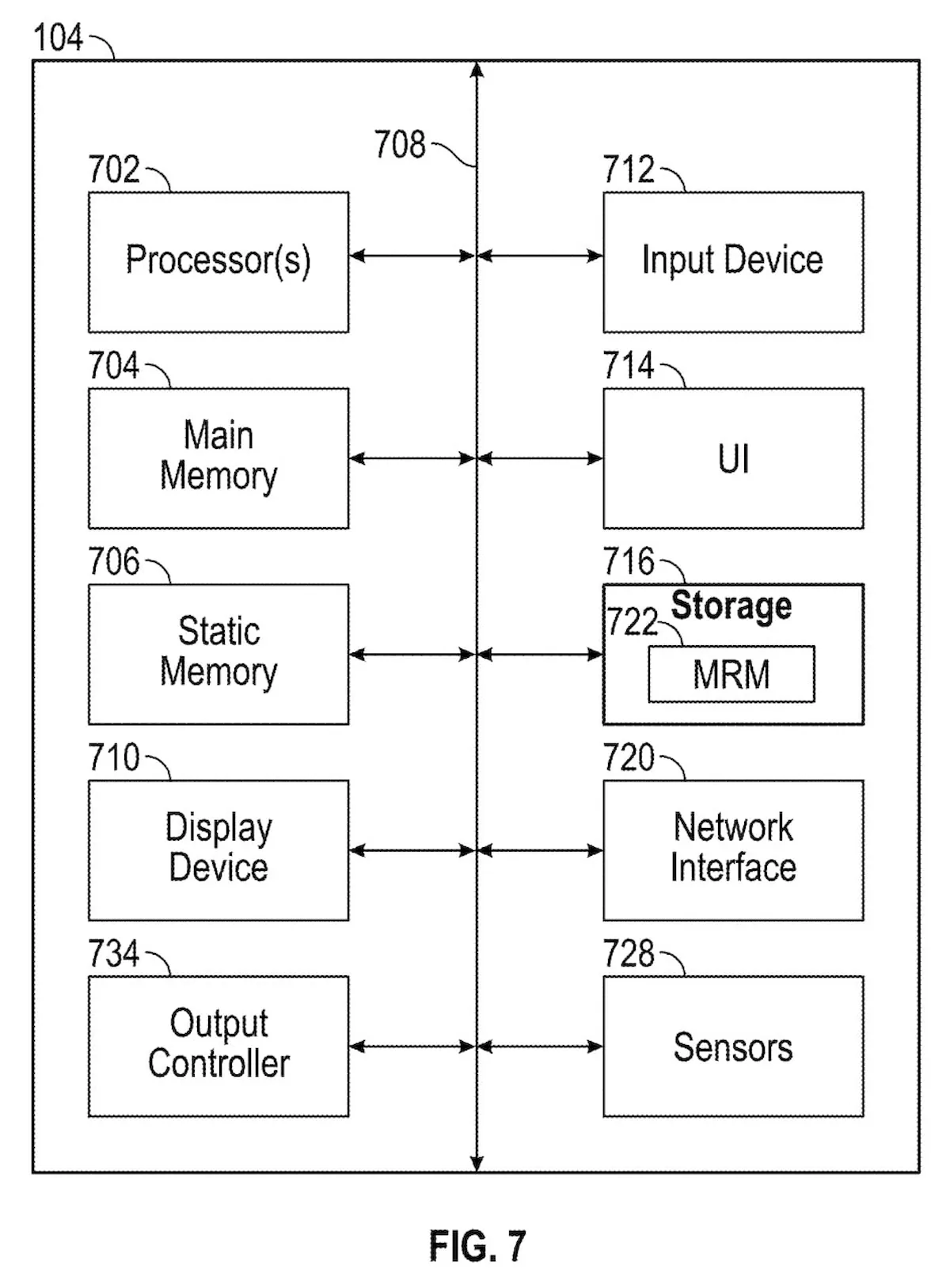
The automaker has filed a patent with the United States Patent and Trademark Office for a system called “Systems and Methods for Hands-Free Communication in Convertible Vehicles.” The concept is fairly straightforward—it aims to improve communication when wind and road noise make it hard for the car to understand voice commands.
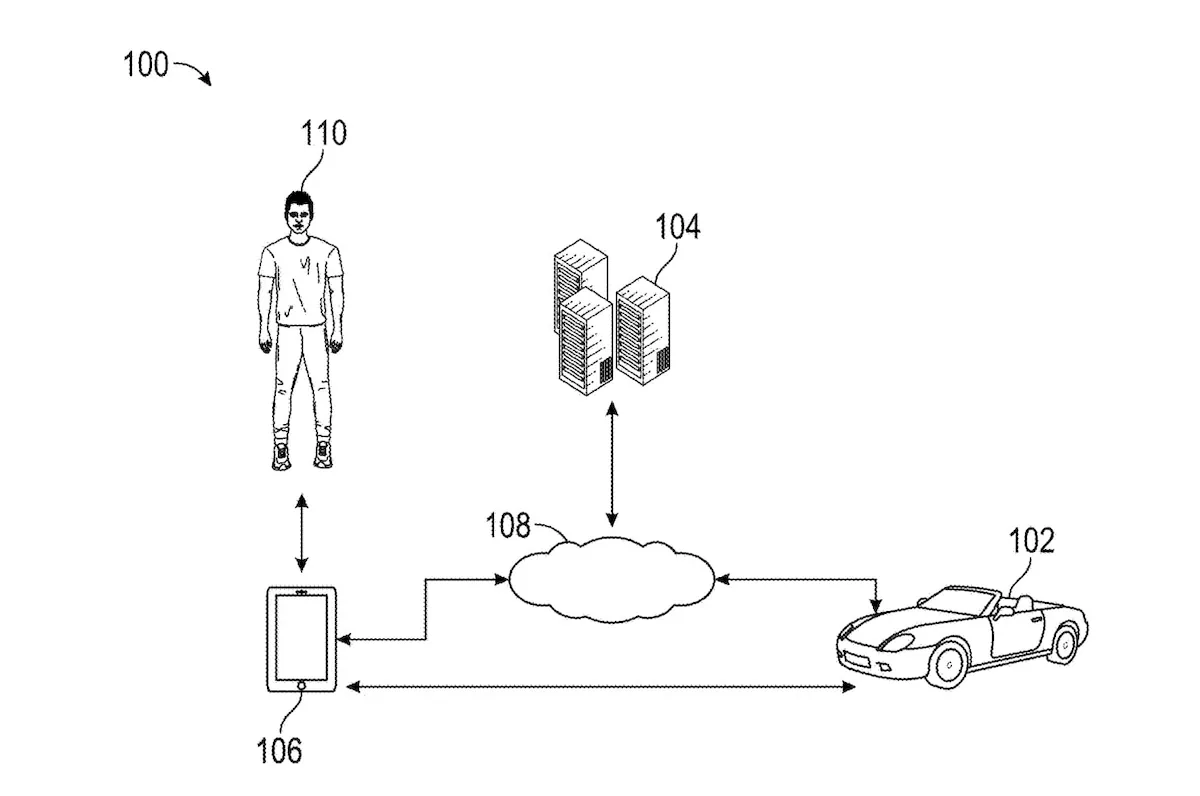
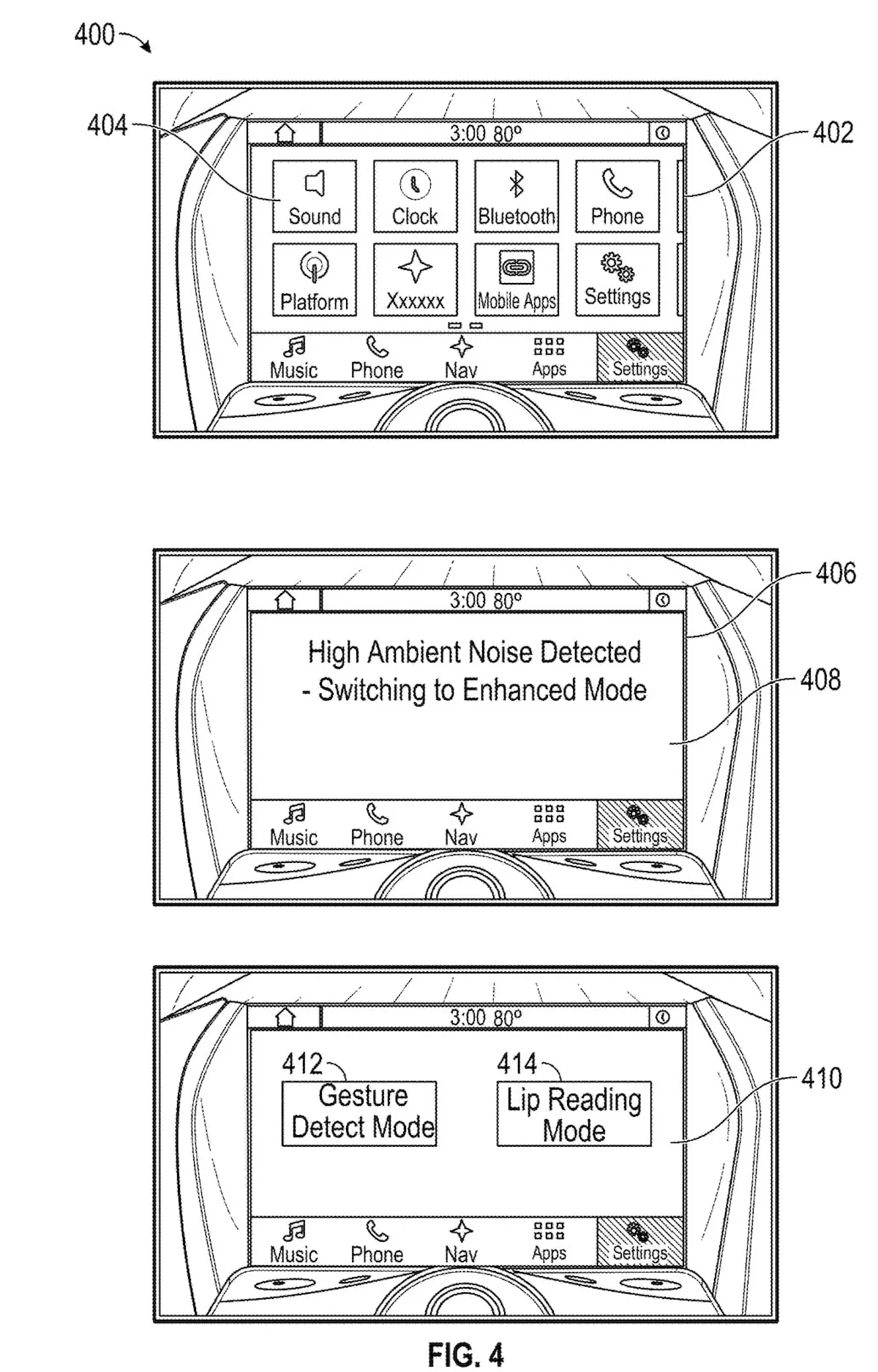
According to the filing, the vehicle can activate a lip-reading mode or use gesture and facial expression recognition to figure out what the driver is saying. Ford refers to this as “Enhanced Mode,” and it relies on cameras, sensors, and AI-driven software.
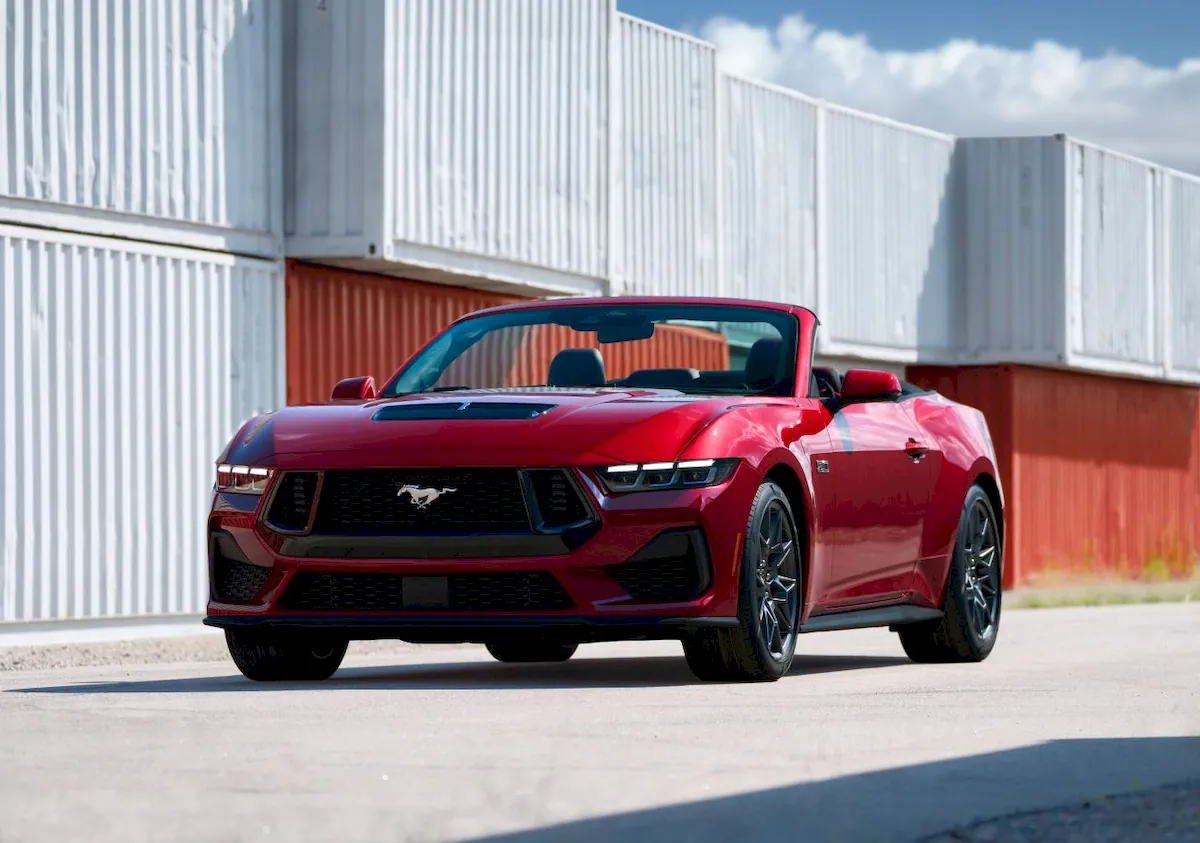
In simple terms, certain models—most likely convertible versions of the Ford Mustang and the Ford Bronco, including the off-road-focused Raptor—could use this feature. These vehicles, especially with the top down or doors removed, tend to have higher ambient noise levels.
The system works by analyzing image data along with other inputs from onboard sensors. When noise rises above a certain level, the car switches into this enhanced mode to better understnd commands. Once things quiet down, it returns to normal voice recognition.
Interestingly, the technology goes beyond just lip reading. It can also interpret gestures and facial expressions—like a frown or an eye roll—and match them to spoken words or intended commands. In some cases, the vehicle may even suggest using gestures instead of voice input altogether.
The system stores associations between specific gestures and commands, allowing it to function even in extremely noisy conditons. It’s a clever approach that could make driving with the top down a lot more practical—and a bit more high-tech.
Of course, this is still just a patent for now, but it offers a glimpse into how in-car communication might evolve in the near future—even if it feels a little sci-fi today.
You may also be interested in the news:
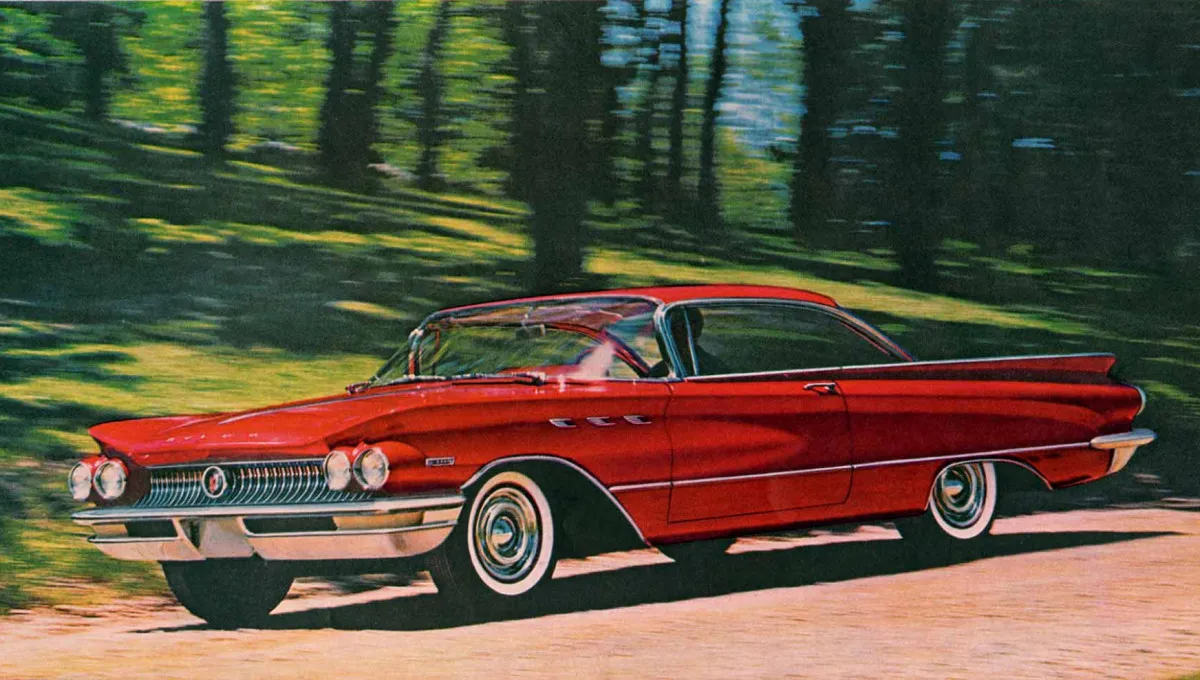
Buick Called Its 1960 Cars “Turbine Drive” Models, but There Was No Turbine Engine Under the Hood
Buick spent decades using memorable marketing phrases, but its 1960 turbine-drive branding had a surprising explanation.
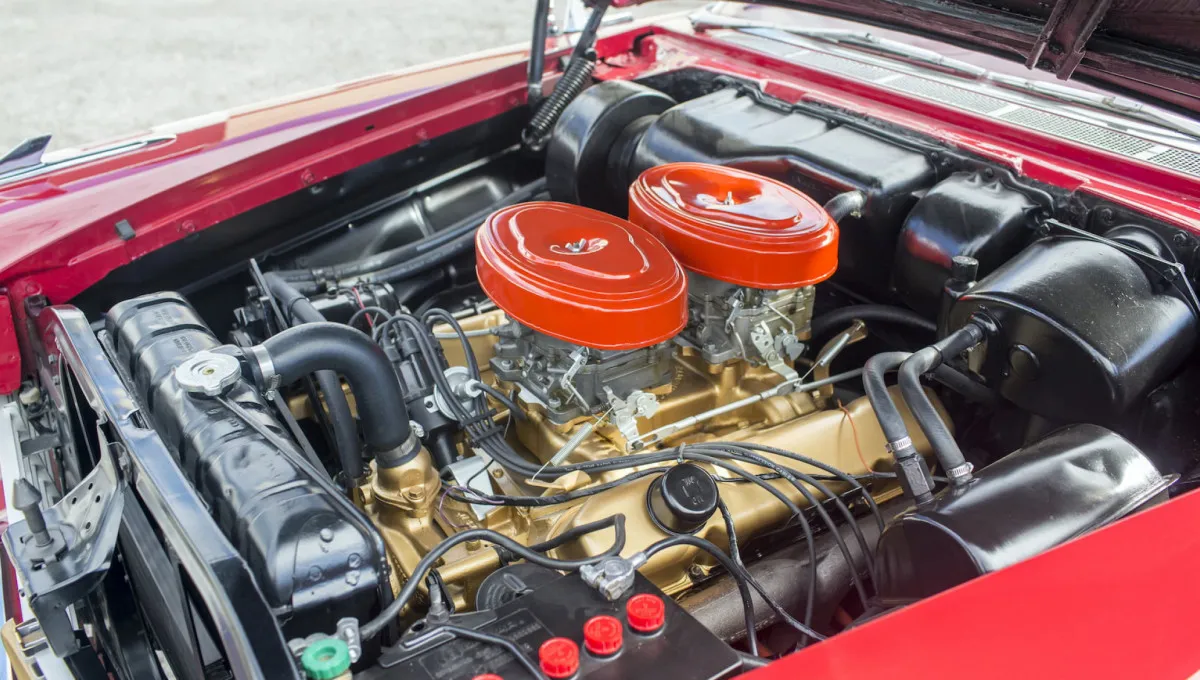
Chrysler’s Hemi Was Too Expensive to Build. Its 1958 Plan B Became a V8 Legend
After its famous Hemi V8s, Chrysler took a new direction in 1958 with a simpler, more affordable engine.
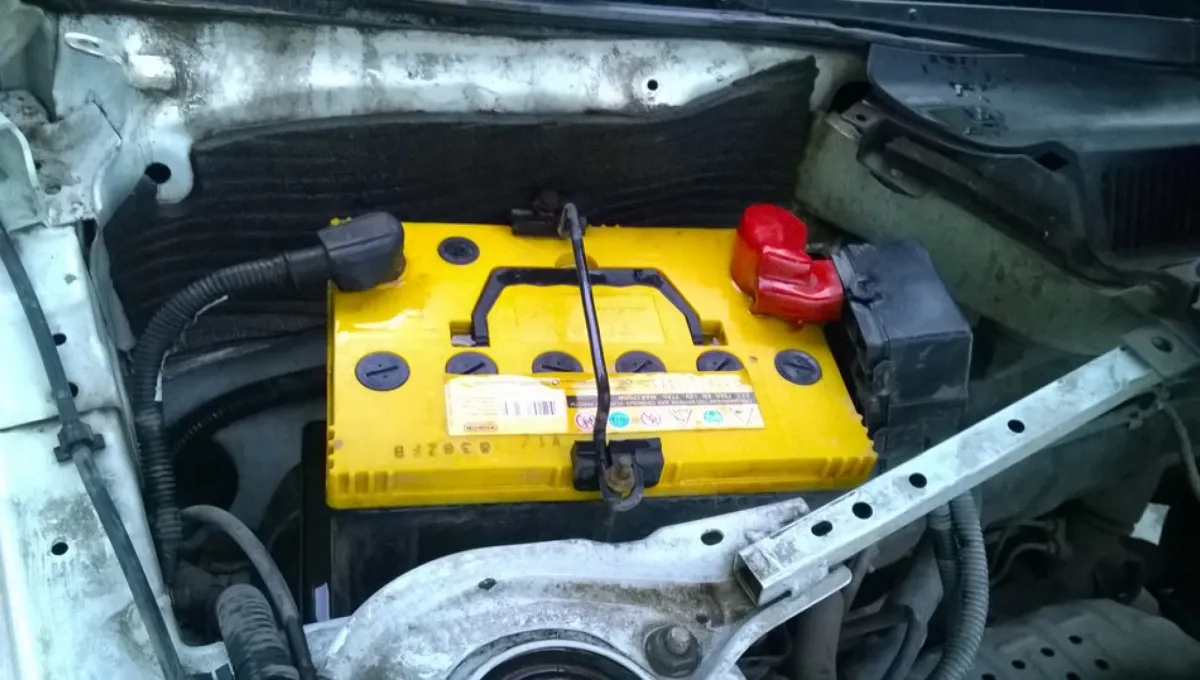
Car Won’t Start When Temperatures Drop? 4 Battery Checks Every Driver Should Make in October
A few simple battery checks in October can help prevent cold-weather starting problems when winter temperatures arrive.
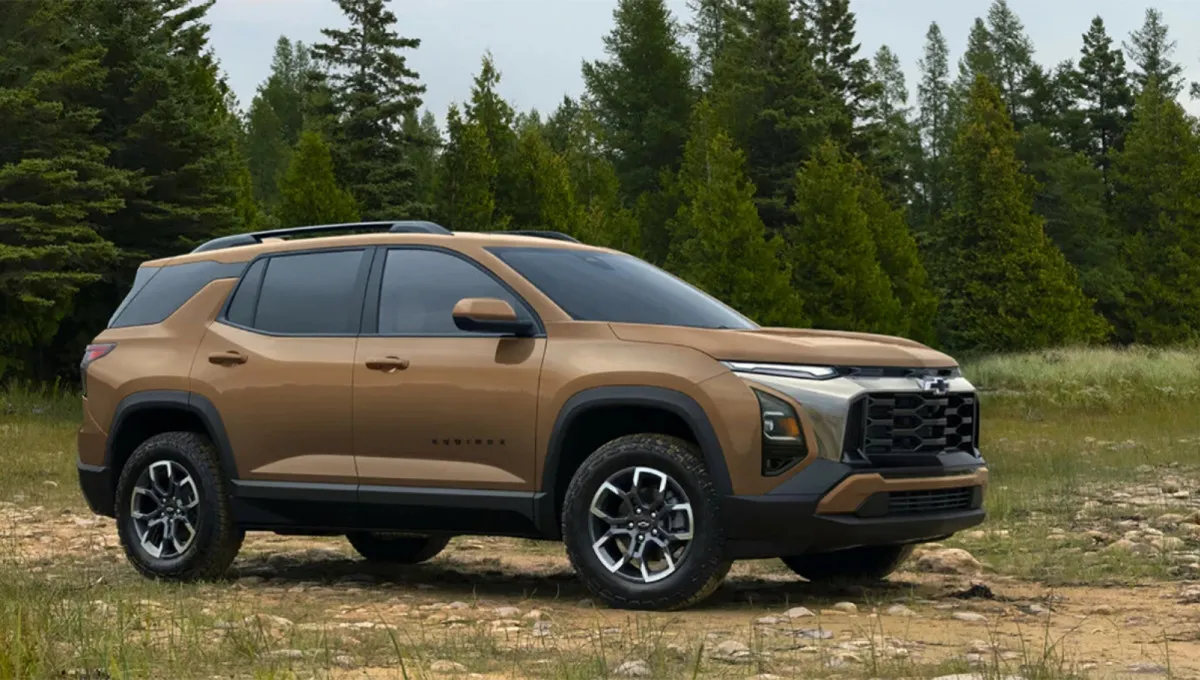
2027 Chevrolet Equinox Drops Its CVT, but Prices Go Up Across the Lineup
Chevrolet has unveiled the updated 2027 Equinox in the U.S., replacing its CVT and raising prices across the lineup.
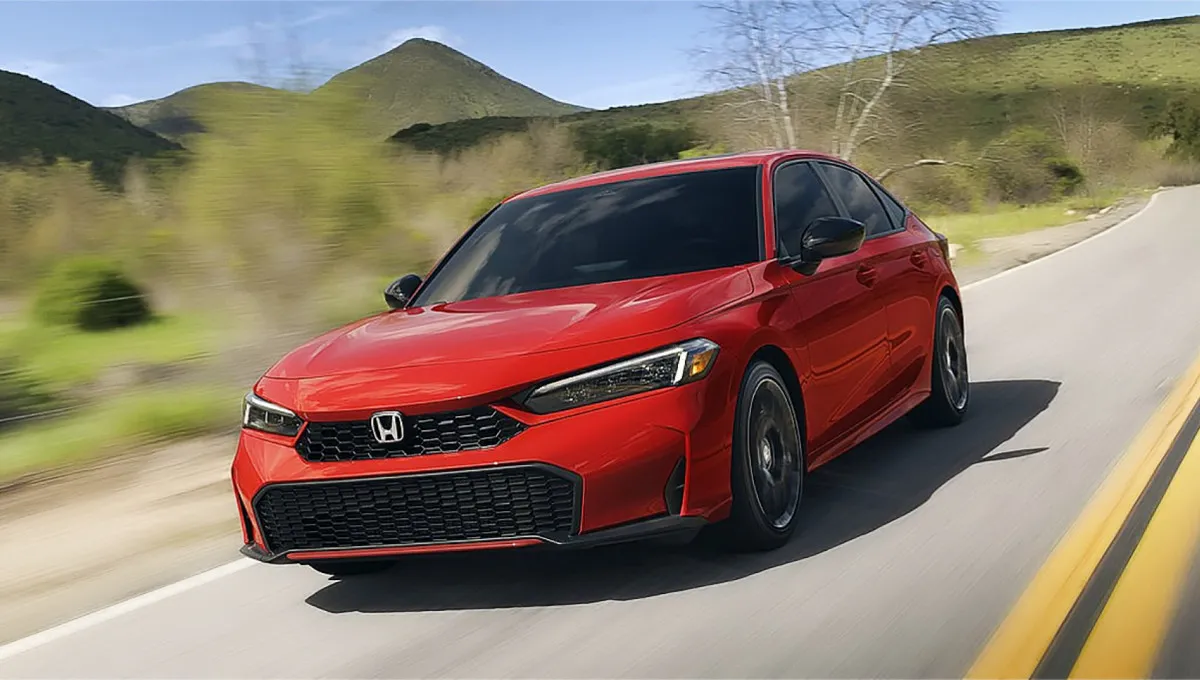
The 2027 Honda Civic Just Got More Premium — And It Still Starts Under $27,000
Honda has updated the Civic for the U.S. market, adding premium features and new driving technology without significantly raising prices.