
What Happens If You Press the Electronic Parking Brake Button While Driving at Highway Speeds
In many modern cars, the traditional handbrake lever is gone, replaced by a simple button.
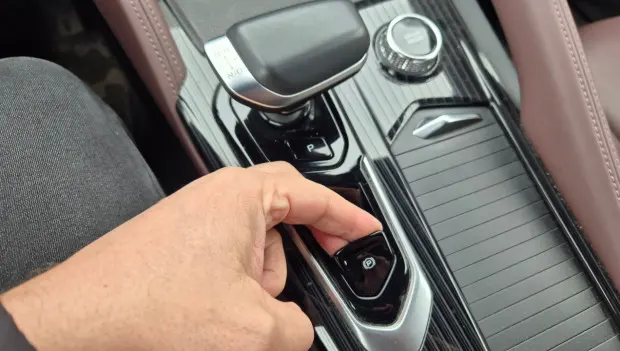
In today’s vehicles, the familiar handbrake lever has largely disappeared, replaced by a compact button. This electronic parking brake is now standard across most modern cars. Naturally, drivers often wonder what happens if they press it while the vehicle is moving—and whether that’s ever a good idea.
Unlike the old cable-operated system, an electronic parking brake works differently. There’s no direct mechanical link between a lever and the brake pads. Instead, electric motors activate the brakes when commanded, pressing the pads against the rotors. Its primary purpose is to keep the vehicle stationary—whether on a hill, a decline, or during parking.
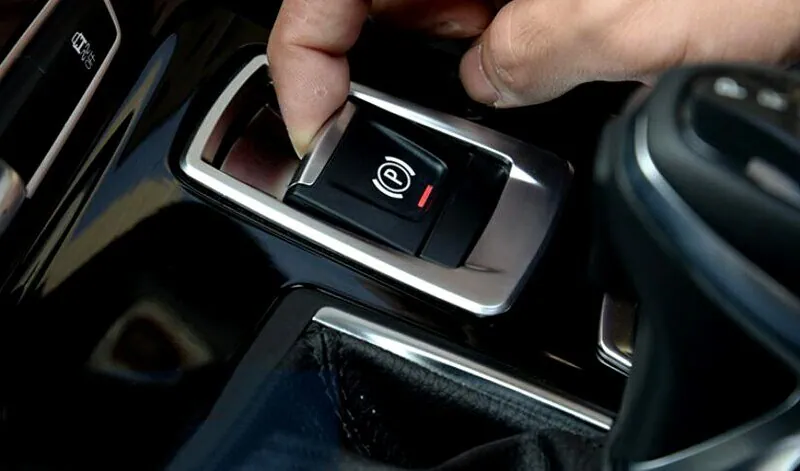
This setup is more complex and typically more expensive, but it offers clear convenience benefits. The button takes up minimal space, freeing up room on the center console for cupholders, storage compartments, and wireless charging pads. In many vehicles, the system is paired with Auto Hold, which keeps the car stopped at traffic lights or in heavy traffic without the driver needing to keep their foot on the brake pedal.
The traditional mechanical handbrake wasn’t designed for use at speed either, but it had a backup function. If the main braking system failed, the cable-operated handbrake could help slow the car down. Combined with engine braking, it sometimes allowed drivers to reduce speed and maintain control.
With electronic systems, things work differently. Pressing the button while driving usually won’t lock the wheels suddenly. In most cases, the system either ignores the input or applies the brakes gradually. That means it shouldn’t be considered an emergency stopping method—it’s designed primarily for holding the vehicle in place, not for sudden deceleration.
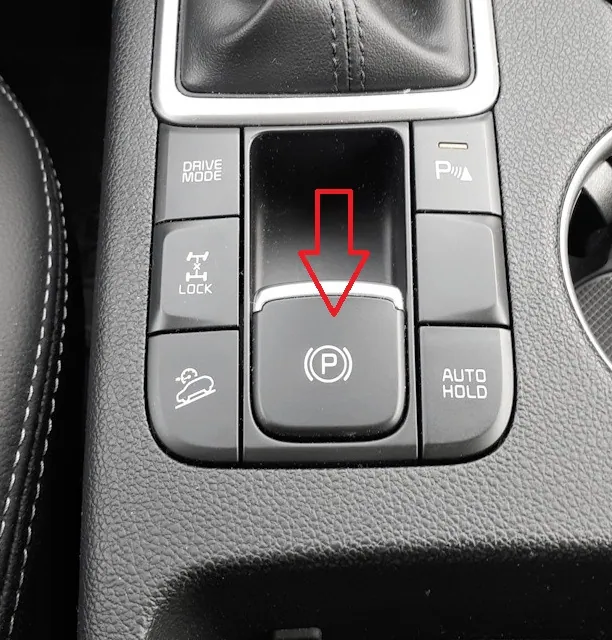
On low-traction surfaces like snow, ice, or loose dirt, drivers have occasionally used the traditional handbrake as a control tool. Locking the rear wheels while steering could pivot the car sharply—a technique known among experienced drivers. But does this work with an electronic parking brake?
It depends entirely on the vehicle’s programming. A quick press of the button while moving is often ignored to prevent abrupt maneuvers. However, holding the button down may trigger a different response. In some cars, the rear brakes engage gradually, a warning appears on the dashboard, and an alert may sound. Under slippery conditions, this could theoretically cause the rear to break loose. Still, some models are programmed not to respond at all in motion. The only way to know for sure is to check the owner’s manual.
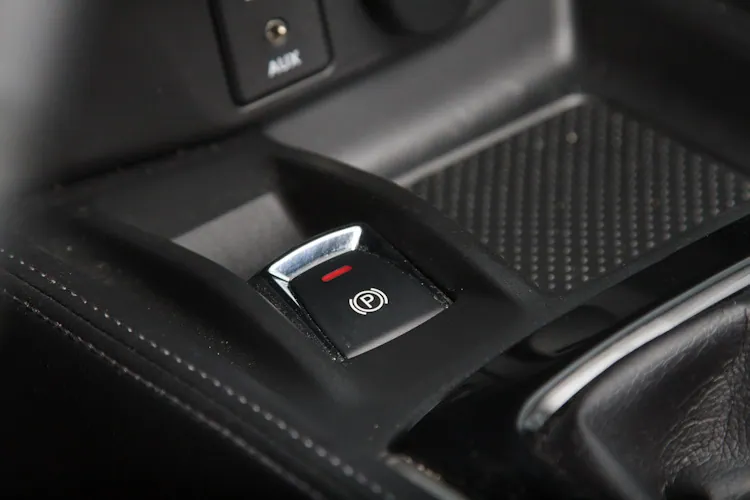
Regardless of how the system is designed, engaging the electronic parking brake while driving should only be considered as a last resort. Because it typically acts on the rear wheels only, the vehicle can quickly lose stability. The driver must constantly correct steering to maintain control and avoid a loss of traction.
You may also be interested in the news:
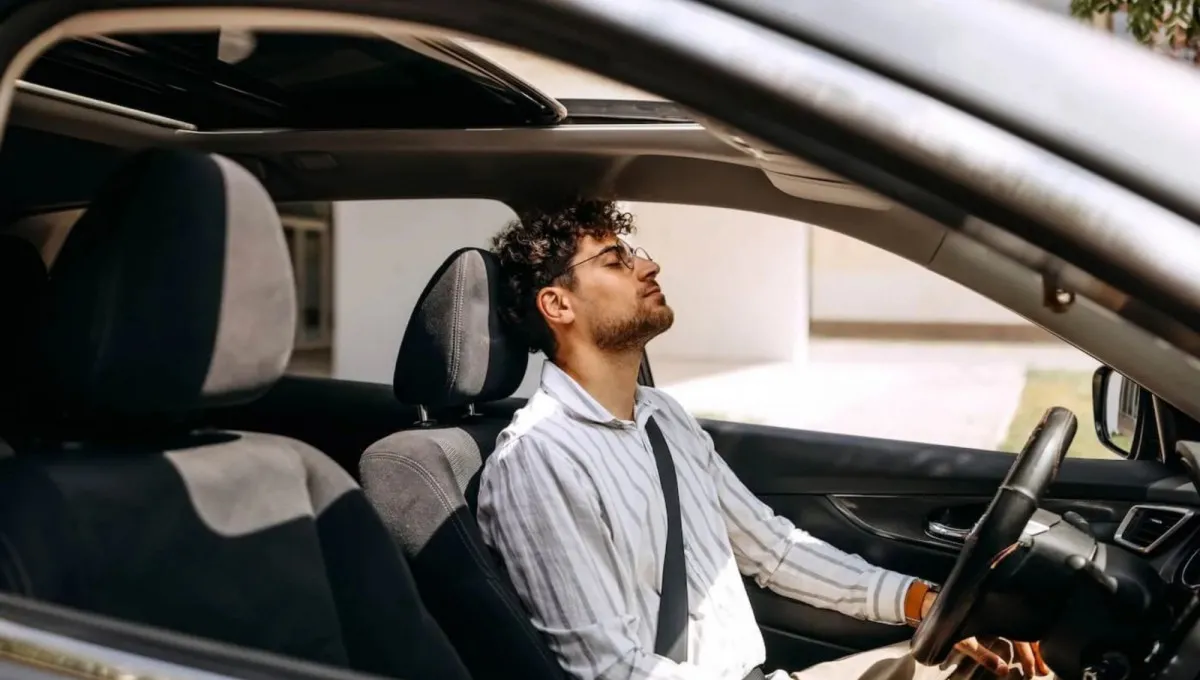
Four Zodiac Signs of Drivers Who Sit in Their Cars After They Park
They don’t get out right away. The engine is off, but they don’t reach for the door. These four zodiac signs know this moment all too well.
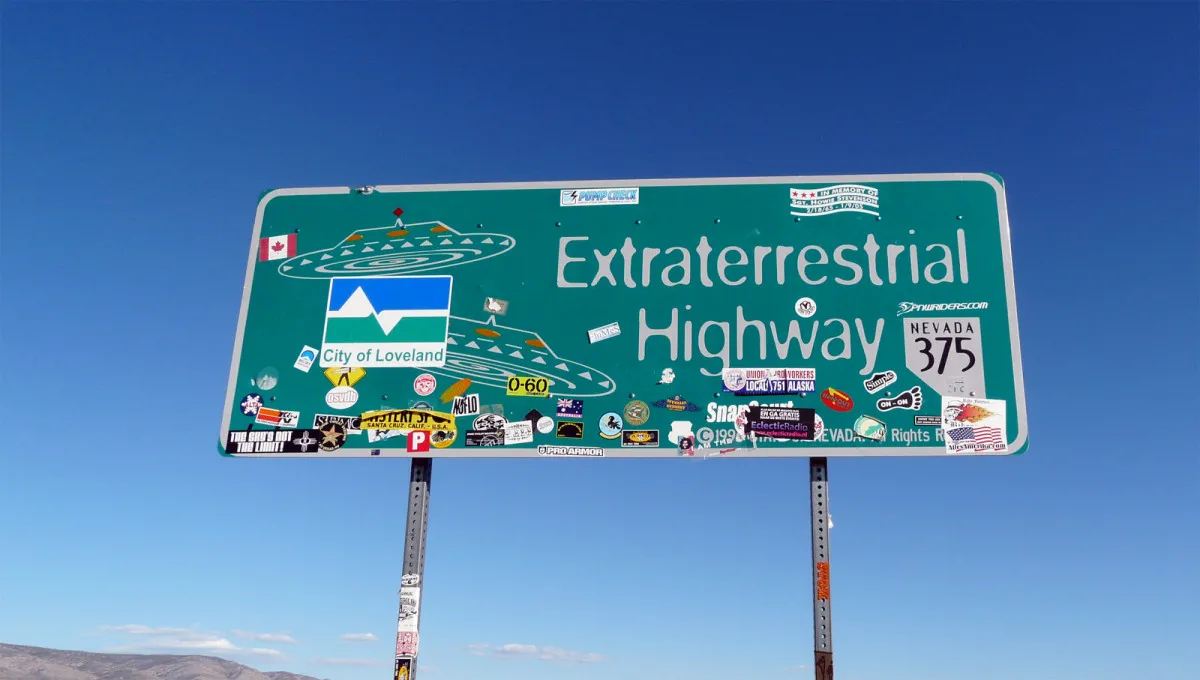
Invisible Cows and a 17.3 MPH Speed Limit? 4 of America's Strangest Road Signs
From invisible cows to alien highways, these unusual American road signs turn ordinary drives into unforgettable roadside surprises.
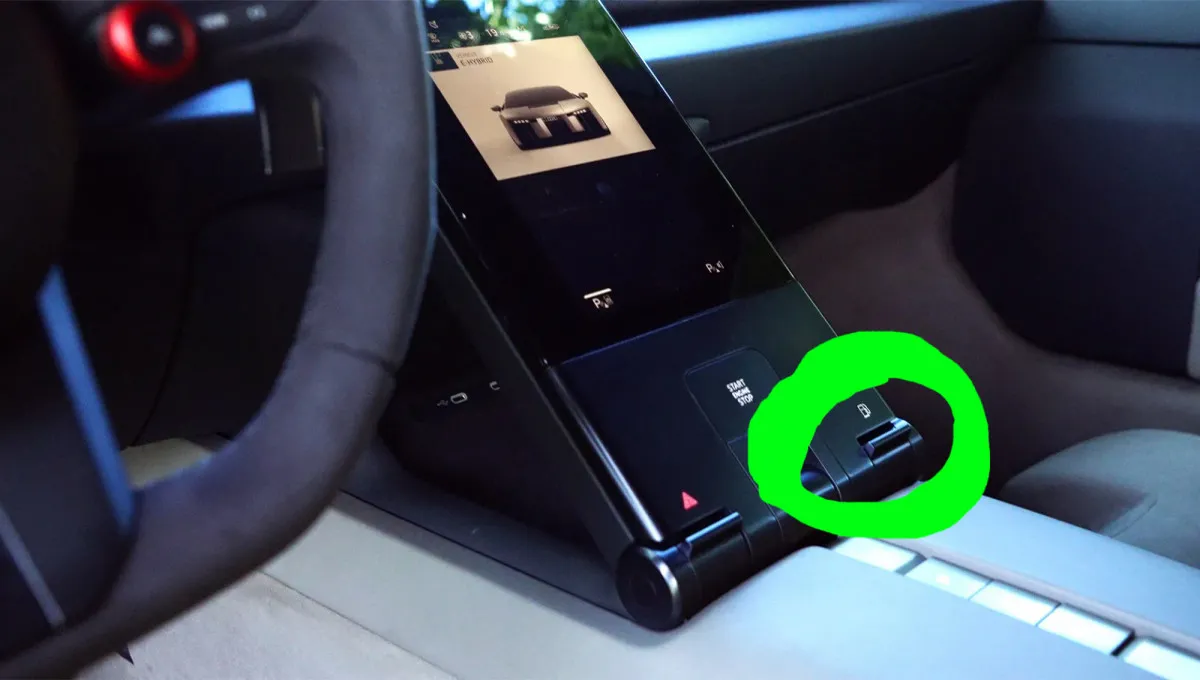
Solving the Mystery of the Audi Nuvolari’s Massive Fuel Door Button
Audi’s striking Nuvolari supercar has an unusually large fuel door button, and its placement may reveal an unexpected connection.
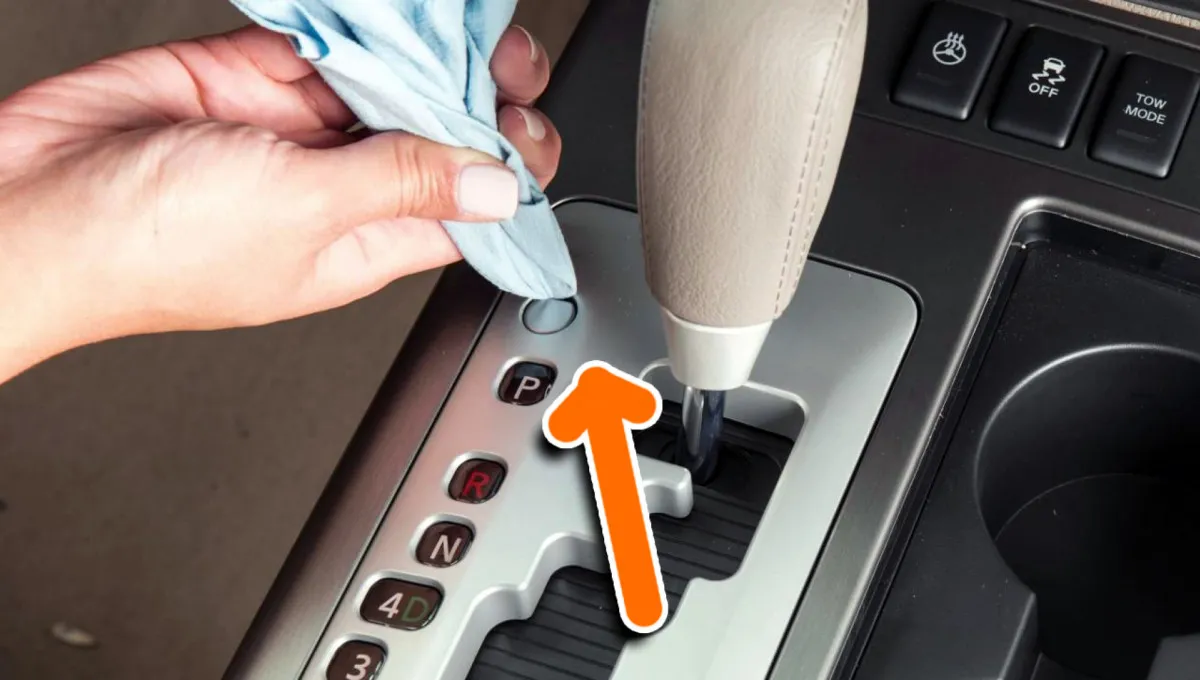
Tow Truck Driver Reveals a Hidden Car Feature That Could Save Your Life in an Emergency
A professional tow truck driver revealed a little-known feature that can help drivers move a disabled vehicle to safety.
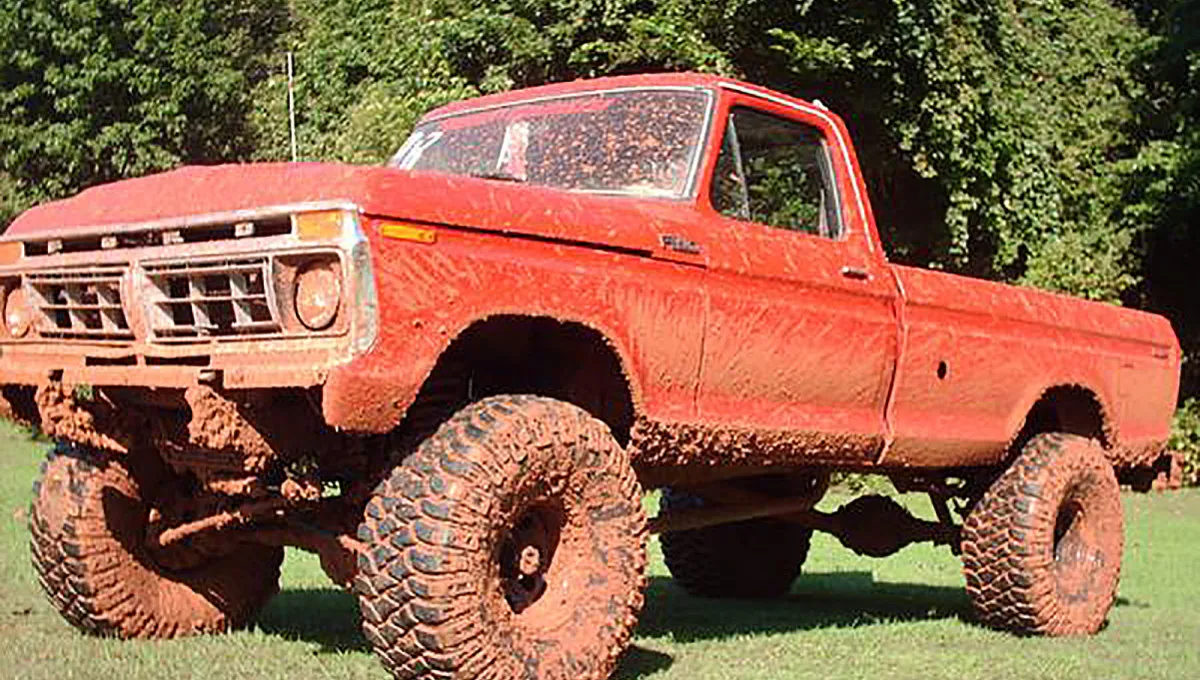
This Ford F-150 Isn’t Just a Pickup — It’s an Orange Apocalypse on Four Wheels
This outrageous Ford F-150 listing turns an ordinary pickup into a mud-loving, obstacle-crushing legend with attitude.