
How to Check an ABS Sensor and Avoid Misdiagnosing the Problem
A glowing ABS warning light could signal more than a small issue — here’s how drivers can properly diagnose the problem.
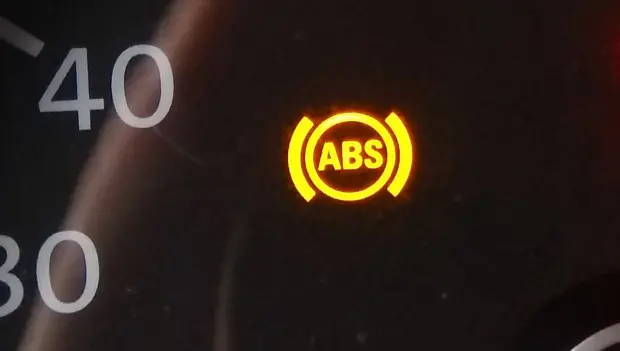
Modern drivers rarely think about ABS sensors until the warning light suddenly appears on the dashboard. But a faulty ABS sensor can create serious safety risks, especially on wet highways, icy roads, or during emergency braking. Here’s how to spot the problem early and properly diagnose it before it turns into something expensive.
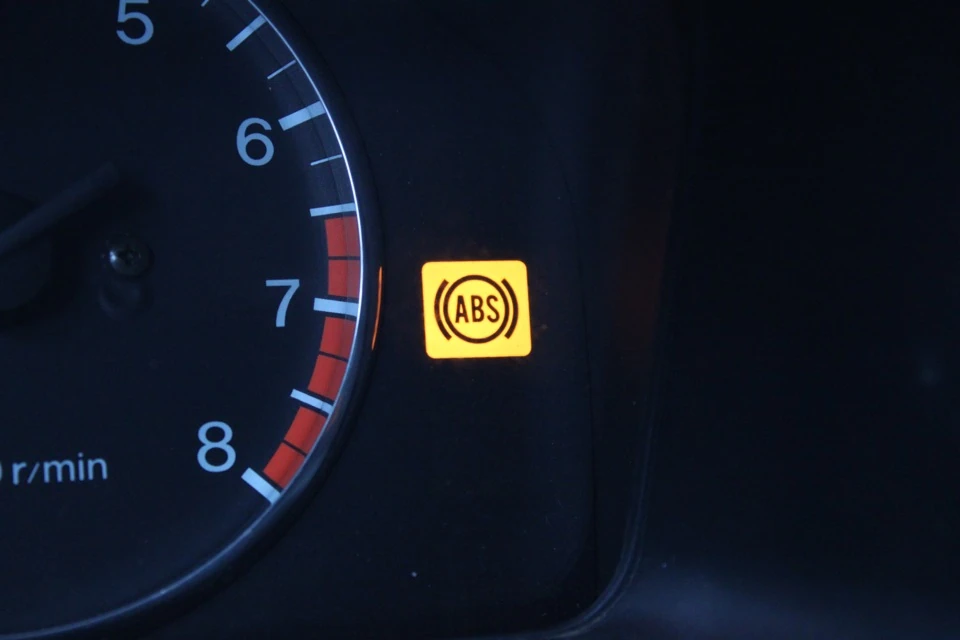
The ABS sensor is a key part of the anti-lock braking system. Its job is to monitor wheel speed and send that information to the vehicle’s electronic control unit. Using that data, the system adjusts brake pressure to prevent wheel lockup and help maintain steering control.
Most newer vehicles use Hall-effect or magnetoresistive sensors, while older cars may still rely on inductive-style sensors.
Even though designs vary, ABS sensors usually include the same basic components: a housing, a sensing element, a magnet, and an electrical connector. Equally important is the toothed tone ring mounted near the wheel hub or CV axle. As the wheel rotates, the ring creates signals the sensor can read. If the ring is damaged or missing teeth, the system may stop working correctly.
How to Test an ABS Sensor
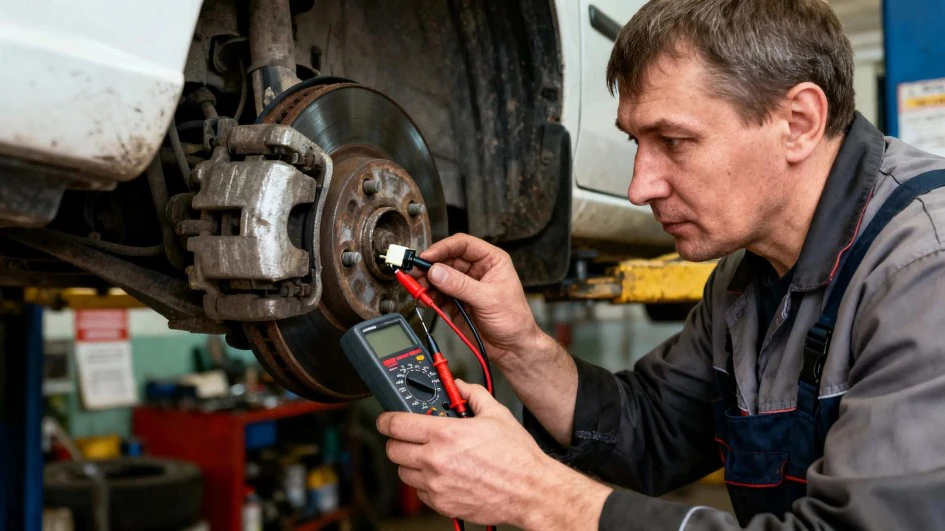
One of the simplest ways to check an ABS sensor is with a multimeter.
Raise the wheel off the ground, disconnect the sensor connector, and set the multimeter to measure resistance. A healthy sensor typically reads between 500 and 2,000 ohms, although exact specifications vary depending on the vehicle. If the reading falls far outside that range, the sensor is likely faulty.
Newer digital sensors often require more advanced testing equipment. Using an oscilloscope, technicians can monitor the sensor signal while spinning the wheel. A smooth, consistent waveform usually means the sensor is functioning properly. Missing pulses or distorted patterns often point to a bad sensor or damaged tone ring.
An OBD-II scanner can also speed up diagnosis. In many cases, the scanner will immediately identify which wheel is sending an incorrect signal, making troubleshooting much easier.
Common Signs of a Bad ABS Sensor

Several symptoms may indicate an ABS sensor issue:
-
ABS warning light stays illuminated
-
ABS system stops activating on slippery roads
-
ABS engages unexpectedly during normal braking
-
Brake pedal vibration during light braking
-
Buzzing or humming sounds from the ABS hydraulic unit
Some drivers try cleaning the sensor first, hoping it fixes the problem. Occasionally that works if metal debris has collected around the sensor or tone ring, but in most cases cleaning alone won’t solve it. ABS sensors are typically sealed units, and wiring damage is far more common than sensor contamination.
The wiring harness near the wheel well is especially vulnerable because it constantly flexes with suspension movement. Corrosion, cracked insulation, or broken wires are frequent causes of ABS faults.
Problems After Wheel Hub Replacement
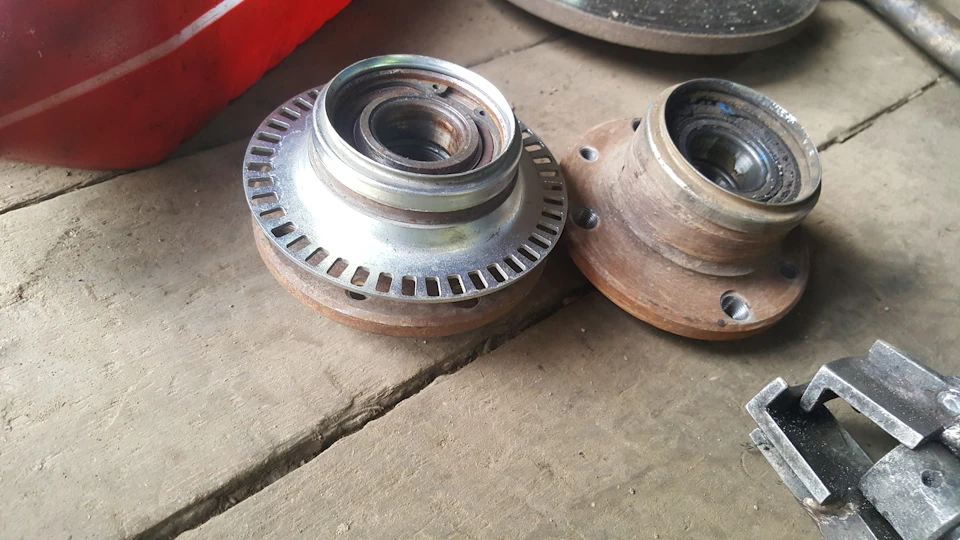
Sometimes the ABS light appears right after replacing a wheel hub assembly. That can happen if the sensor gap is incorrect or if the replacement tone ring has a different tooth count than the factory part. In some cases, the magnetic ring itself gets damaged during installation.
Technically, you can still drive with a failed ABS sensor because normal braking remains functional. However, without ABS protection, wheels are more likely to lock up during hard braking, increasing the risk of losing control.
Why Ignoring the ABS Light Is a Bad Idea
Many drivers treat the ABS warning light as a minor annoyance, but the system plays a major role in vehicle stability and emergency handling. Diagnosing the issue early can prevent more expensive repairs later and help avoid dangerous situations on the road.
The good news is that basic ABS sensor testing doesn’t require dealership-level equipment. A simple multimeter or scan tool is often enough to identify the problem. And in many cases, the real culprit isn’t the sensor itself — it’s damaged wiring or a faulty wheel-speed ring.
You may also be interested in the news:
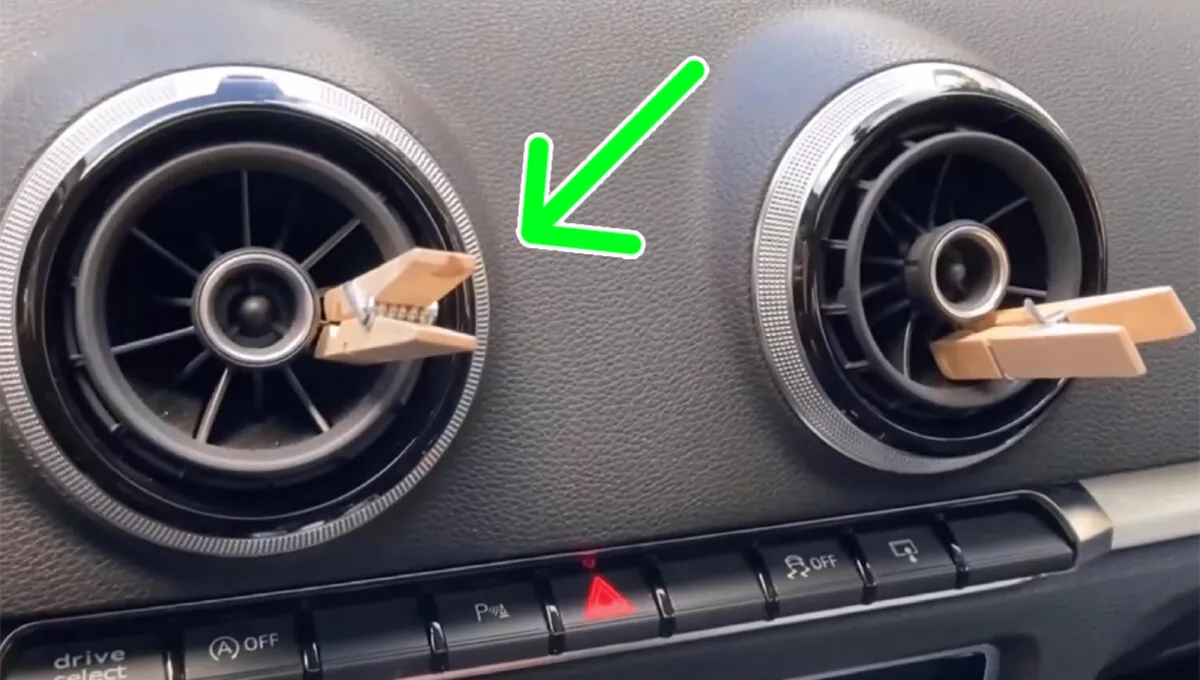
Why Experienced Drivers Keep a Simple Wooden Clothespin in Their Cars
A wooden clothespin clipped inside a car might look out of place, but some drivers use it for several surprisingly practical purposes.
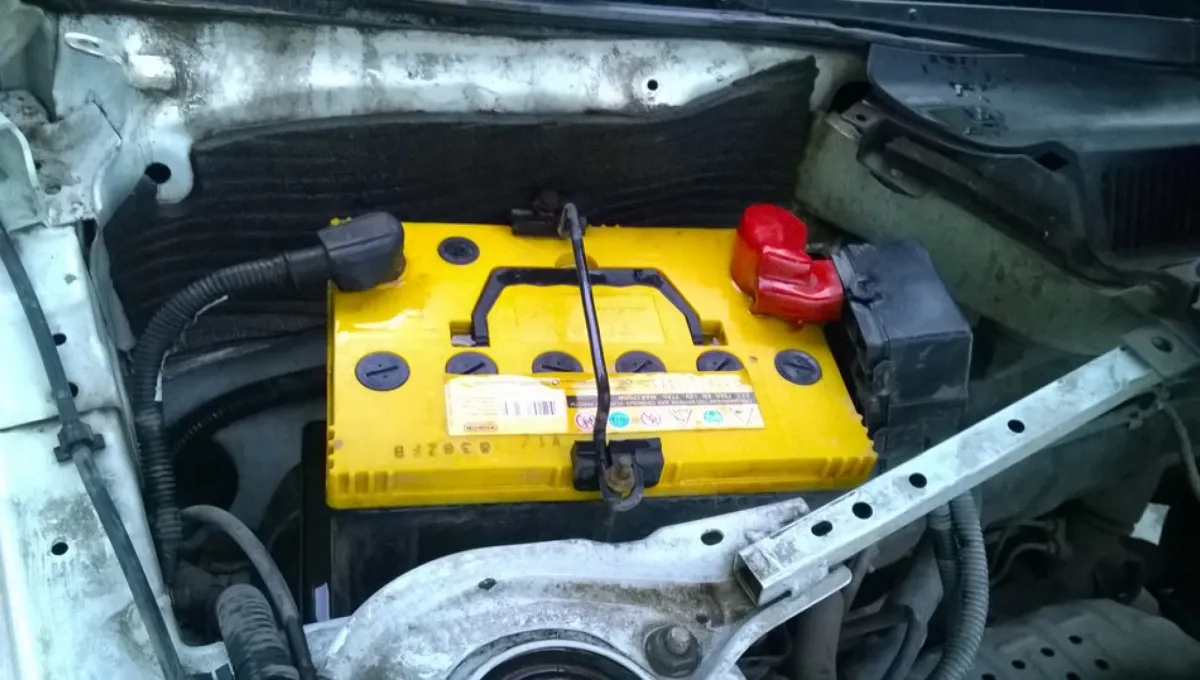
Car Won’t Start When Temperatures Drop? 4 Battery Checks Every Driver Should Make in October
A few simple battery checks in October can help prevent cold-weather starting problems when winter temperatures arrive.

Kia Recalls Nearly 48,000 Seltos SUVs Over a Potential Fire Risk
Kia is recalling 48,070 Seltos crossovers in Canada after discovering a defect that could cause an electrical short circuit and fire.

How to Get Your Car Ready for Cold Weather: A Complete Fall Checklist
Falling temperatures, heavy rain, and shorter days make fall the ideal time to prepare your car for safer winter driving.
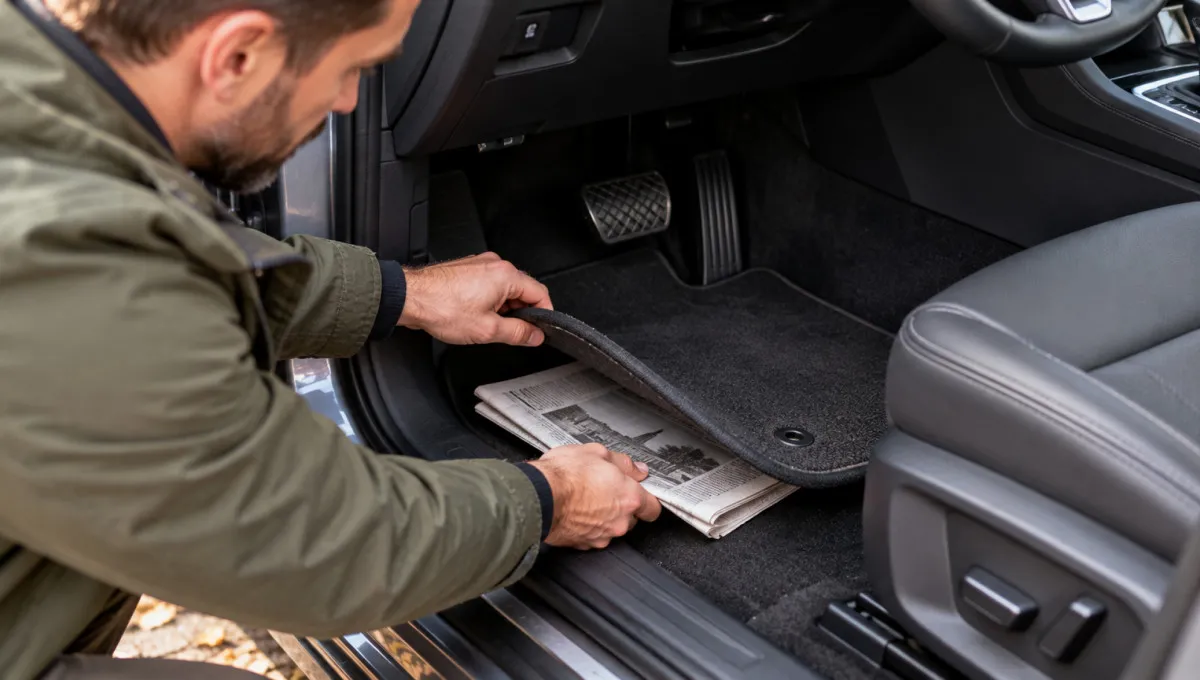
When the First Freeze Hits, Put Newspaper Under Your Floor Mat: An Old Winter Driving Trick
Newspaper under a floor mat can help protect a car's floor from winter moisture, but it requires regular attention.