
Five of the Most Reliable Gasoline Engines of the Past Few Decades
Which gasoline engines have truly stood the test of time and earned a reputation for durability?
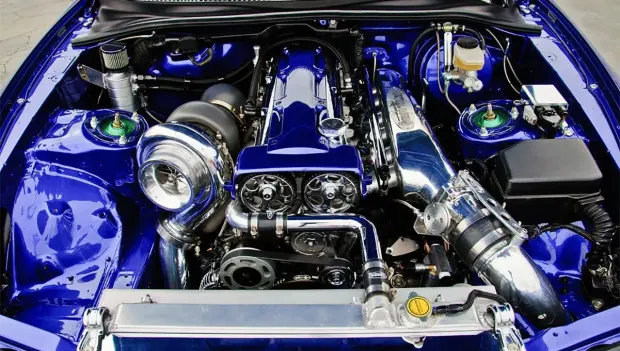
Modern engines packed with advanced technology are impressive, no question. But they often demand frequent maintenance and ideal operating conditions, which makes it hard for them to match the long-term durability of some older designs. The gasoline engines below have earned near-legendary status over the past 40 years for their toughness and longevity.
Toyota 2JZ-GE
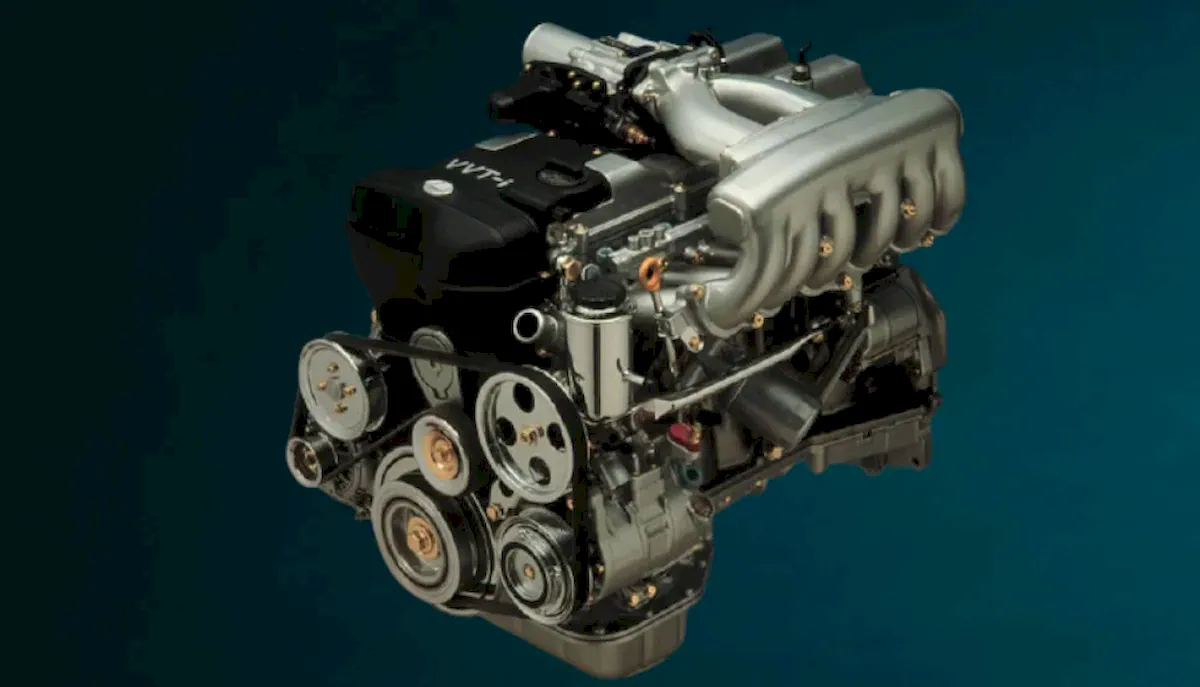
Produced by Toyota from 1991 to 2007, the 2JZ-GE built a reputation as one of the most durable inline-six engines ever made. This naturally aspirated 3.0-liter engine delivered around 215–230 horsepower and featured an aluminum cylinder head paired with a cast-iron block.
One of its defining traits was a robust design that prevented internal damage if the timing belt failed—valves and pistons wouldn’t collide. The cast-iron construction minimized wear and vibration, contributing to its long lifespan. It powered models like the Supra, Crown, and Lexus IS300 and GS300.
BMW B58
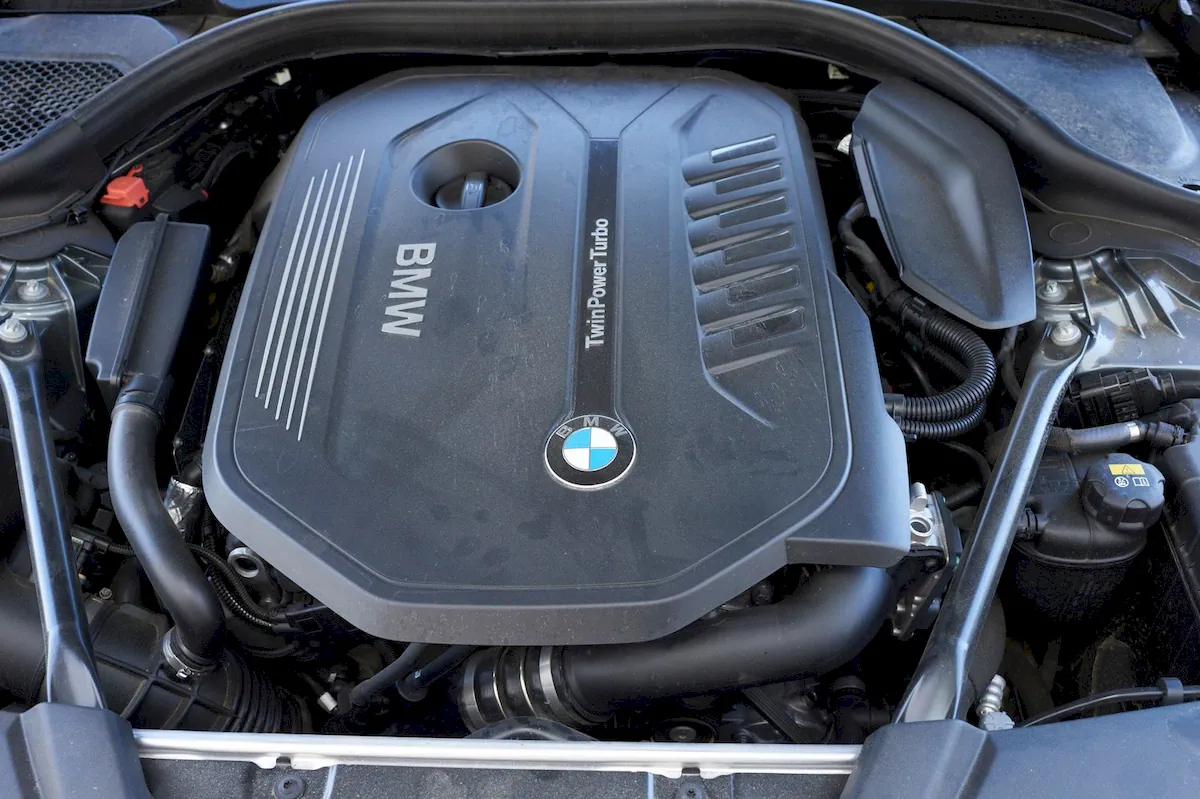
The BMW B58 has been in production since 2015 and continues to earn praise as one of the best modern inline-six engines. This 3.0-liter turbocharged unit produces between 322 and 423 horsepower and uses an all-aluminum construction.
A twin-scroll turbocharger design keeps it compact and efficient, while advanced thermal management reduces wear and lowers emissions during startup. With a forged crankshaft and strong internal components, the B58 balances performance and durability—something rarely achieved in modern turbo engines. It’s found in models like the 340i, 440i, and 740i.
Honda K-Series (K20/K24)
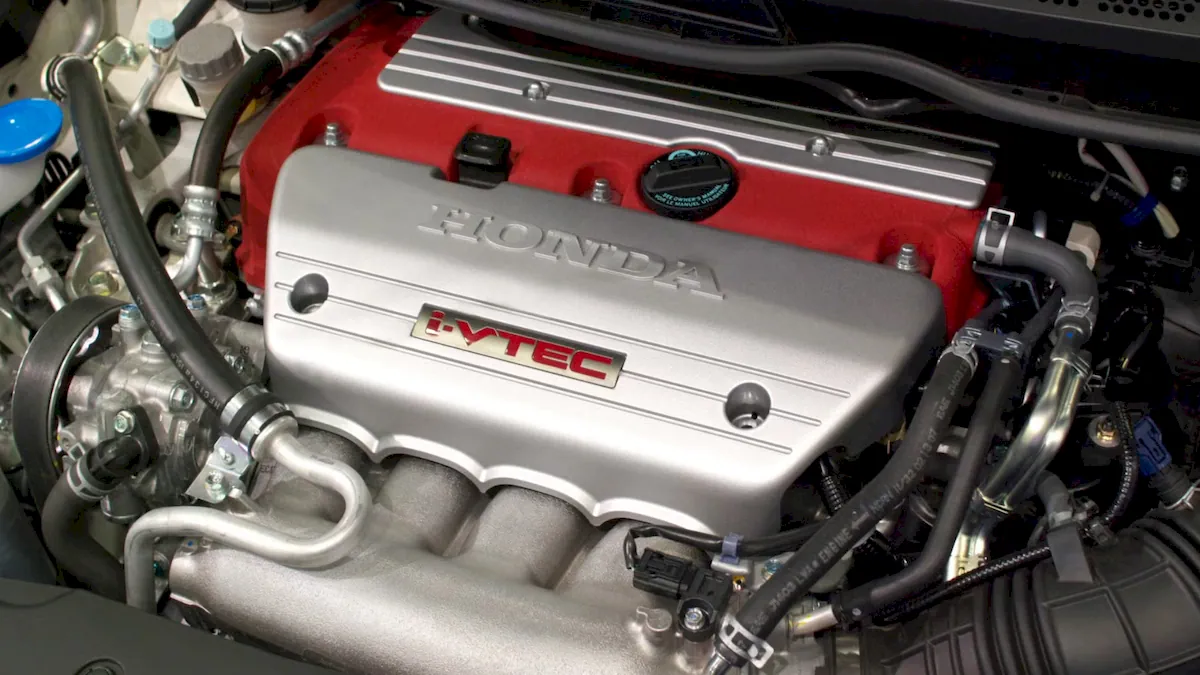
Introduced in 2001 by Honda, the K-Series remains one of the most respected four-cylinder engine families. These 2.0- and 2.4-liter engines use a distributor-less ignition system with individual coils controlled electronically for precise timing.
Equipped with Honda’s i-VTEC system, they adjust valve timing for both performance and efficiency. Unlike many engines, the K-Series uses a highly durable timing chain designed to last the life of the vehicle. Improved cooling and oil flow help prevent carbon buildup.
With output ranging from about 150 to over 300 horsepower and a lifespan that can exceed 250,000 miles, these engines are widely regarded as among the best four-cylinders ever made. They’ve been used in models like the Accord, Civic, and CR-V.
GM 3800 Series II V6
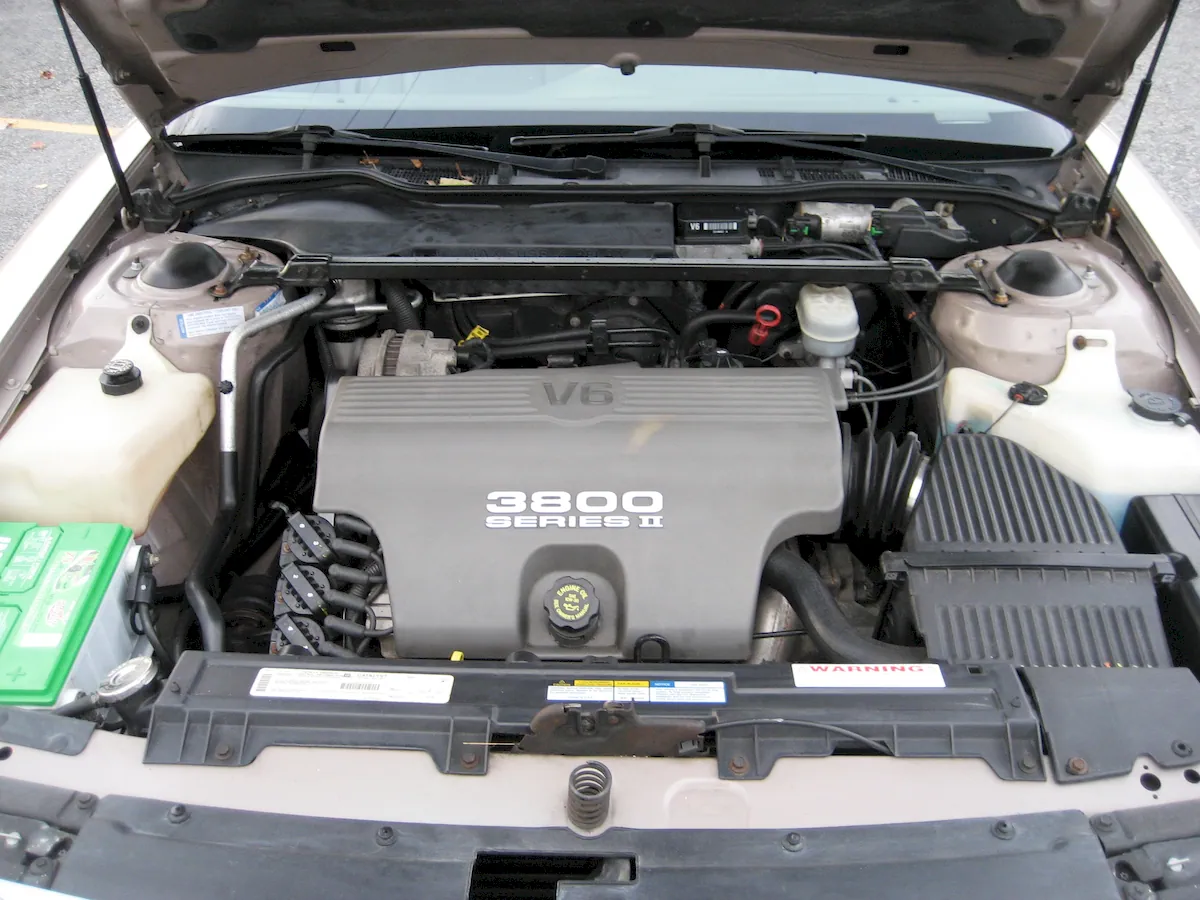
Built by General Motors from 1995 to 2004, the 3800 Series II V6 is one of the most mass-produced engines in history, with over 25 million units made.
This 3.8-liter pushrod V6 features a cast-iron block and heads, delivering about 205 horsepower. Despite its old-school design, it offered a strong balance of power, smooth operation, and fuel efficiency. It’s also known for being inexpensive to maintain and extremely reliable.
Interestingly, despite its all-iron construction, it’s only about 22 pounds heavier than some modern aluminum V6 engines. Its durability has made it a favorite among long-term owners.
Toyota 22R-E
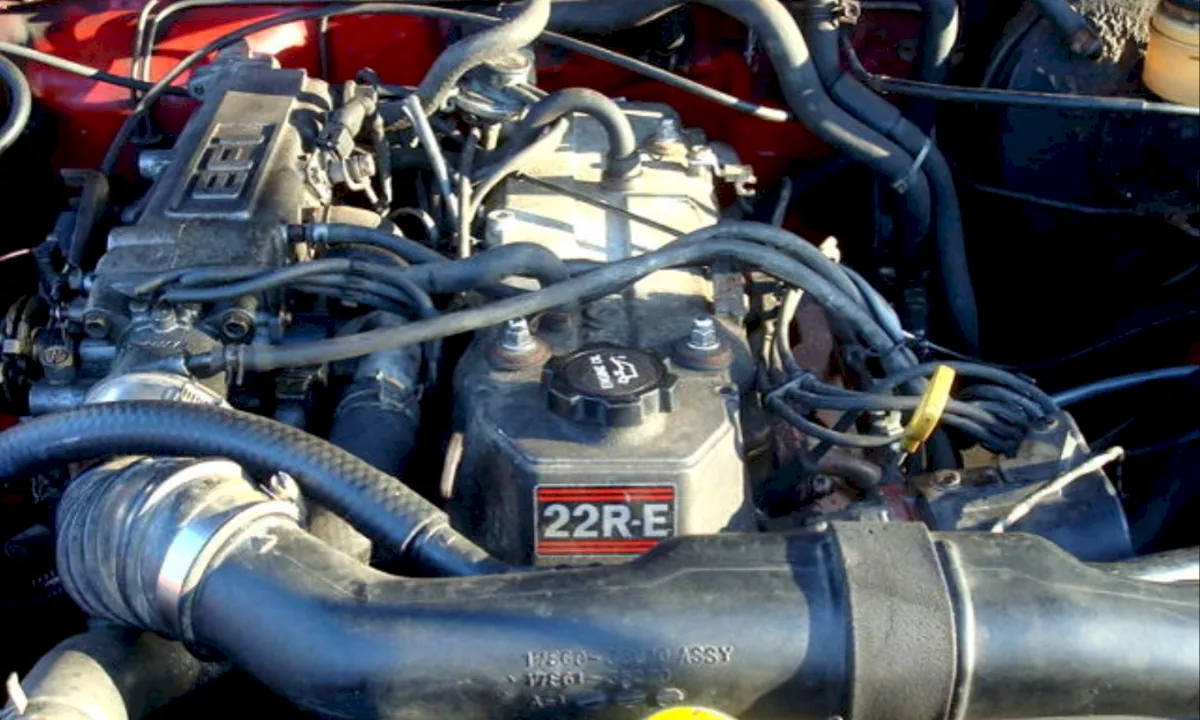
The 22R-E, another classic from Toyota, debuted in 1982 as one of the company’s first fuel-injected four-cylinder engines. Production continued until 1995.
This 2.4-liter engine produced modest power—around 105–113 horsepower—but made up for it with exceptional reliability. Built from cast iron, it was designed to handle harsh conditions with minimal maintenance.
Known for strong low-end torque, solid fuel economy, and a lifespan that can exceed 260,000 miles, the 22R-E became a staple in vehicles like the Toyota Hilux, 4Runner, and Corona. It remains a benchmark for durability in small-displacement engines.
You may also be interested in the news:

Invisible Cows and a 17.3 MPH Speed Limit? 4 of America's Strangest Road Signs
From invisible cows to alien highways, these unusual American road signs turn ordinary drives into unforgettable roadside surprises.

Solving the Mystery of the Audi Nuvolari’s Massive Fuel Door Button
Audi’s striking Nuvolari supercar has an unusually large fuel door button, and its placement may reveal an unexpected connection.

Tow Truck Driver Reveals a Hidden Car Feature That Could Save Your Life in an Emergency
A professional tow truck driver revealed a little-known feature that can help drivers move a disabled vehicle to safety.
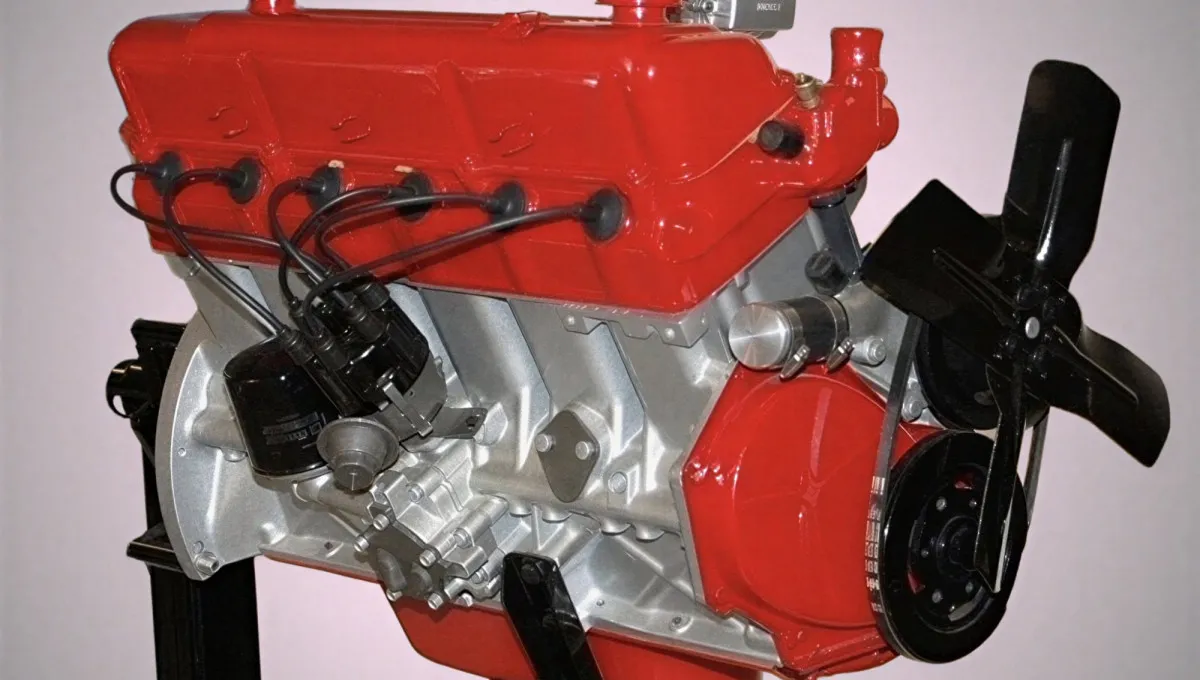
Chrysler's Aluminum Slant 6 Engine: The Lightweight Experiment of 1961–1963
Chrysler built more than 50,000 cars with an aluminum-block Slant 6 before production challenges brought the project to an end.
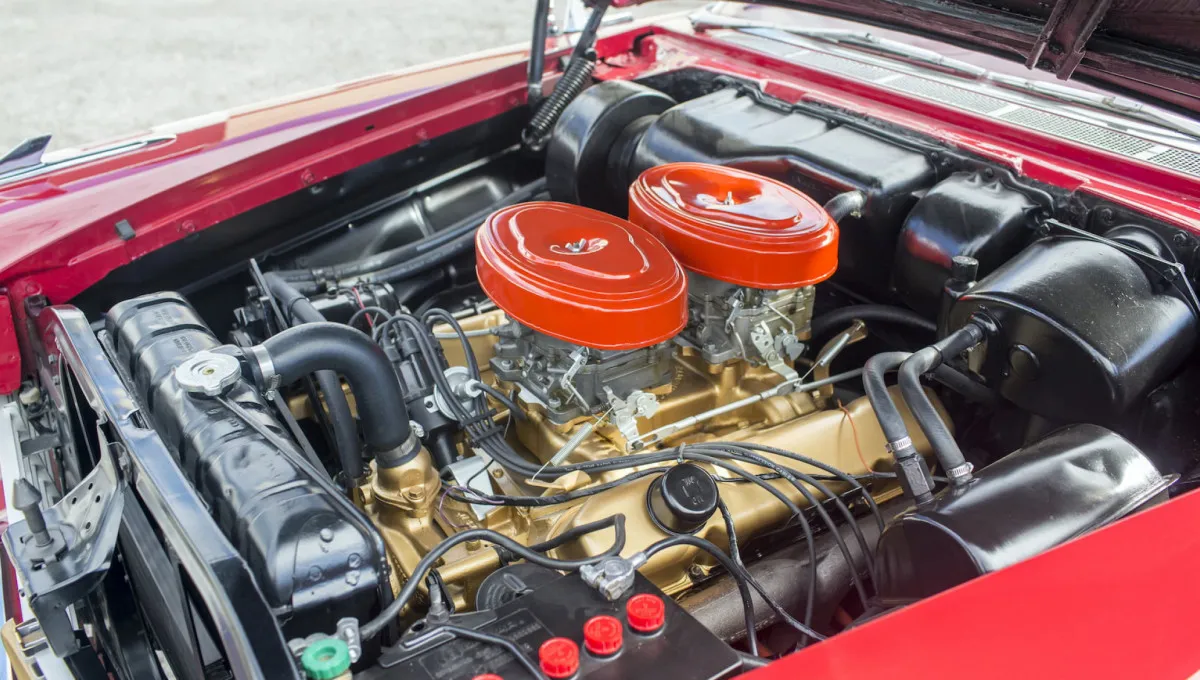
Chrysler’s Hemi Was Too Expensive to Build. Its 1958 Plan B Became a V8 Legend
After its famous Hemi V8s, Chrysler took a new direction in 1958 with a simpler, more affordable engine.