
Why Many Chinese Drivers Still Choose Toyota, Honda, and Volkswagen Over Domestic Brands
China remains one of the world’s biggest auto markets, where competition for buyers is fierce.
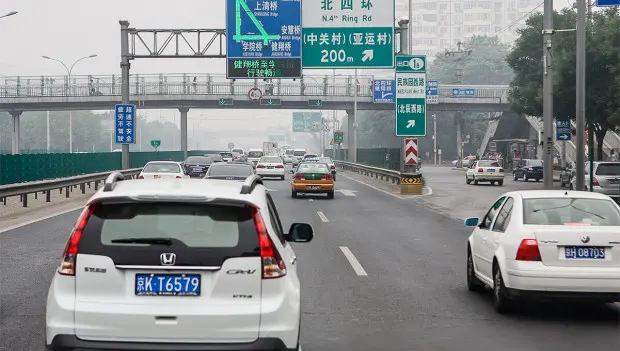
In recent years, Chinese automakers have made major progress in build quality, expanded their model lineups, and pushed aggressively into overseas markets. But inside China itself, the situation is far more complicated. It’s one of the largest and most competitive car markets in the world, where both domestic brands and global manufacturers fight hard for every customer.
Despite the rapid rise in sales of Chinese brands, many buyers in China still prefer established foreign automakers. Toyota, Honda, and Volkswagen continue to hold especially strong positions, with decades of brand trust still working in their favor.
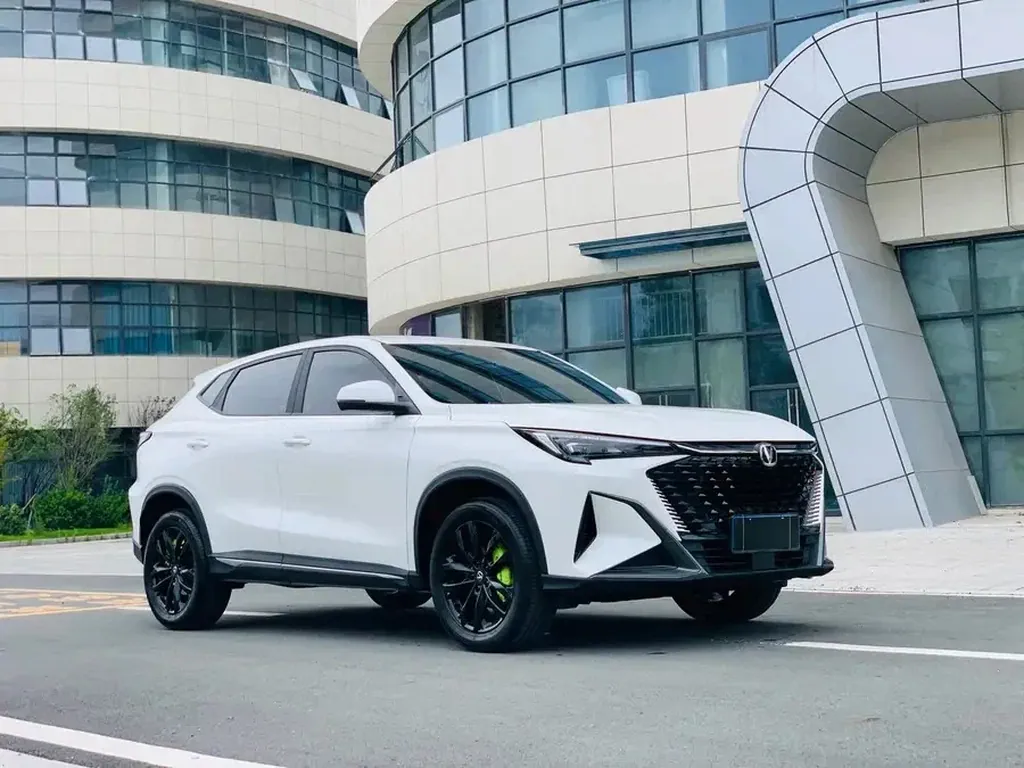
Interestingly, some Chinese manufacturers don’t always dominate at home. Brands like Changan and Geely often land in the middle of sales rankings, while Chery and Haval sometimes fail to make the domestic top ten altogether. Foreign brands, meanwhile, remain highly competitive. Volkswagen continues to be one of the strongest players thanks to its broad model range and extensive local production, where both components and complete vehicles are built. In 2025, the company ranked second in total sales, holding more than 10% of the market.
Japanese automakers also continue to play a major role. Toyota remains near the top, followed closely by Honda. Still, their influence has started to decline as local manufacturers steadily attract more attention and reduce the gap year by year.
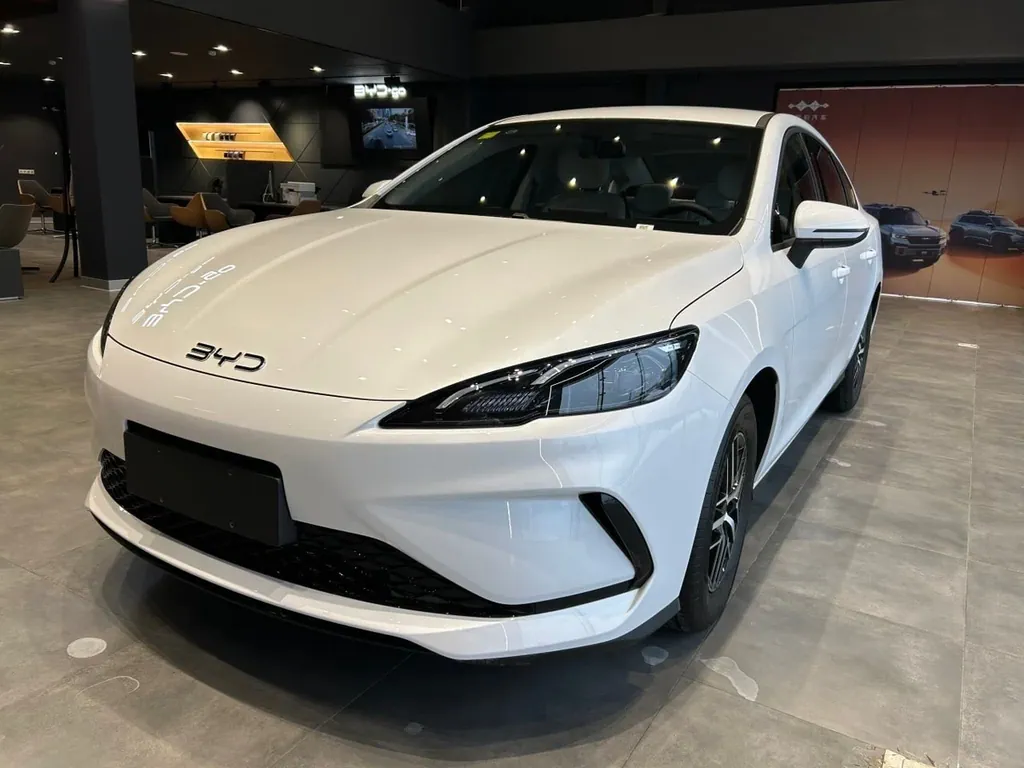
The biggest shift in recent years has been the explosive growth of BYD. Today, the company firmly holds first place in electric vehicle sales. What makes this especially interesting is that not long ago, BYD faced heavy criticism, particularly over design and overall quality. But the company successfully turned things around by reworking its strategy, improving its technology, and refreshing its lineup—ultimately becoming one of the strongest players in the market.
Overall, China’s auto market has changed dramatically. The biggest factor has been the rapid growth of electric and hybrid vehicles. BYD made this segment its main focus, offering a combination of modern technology and competitive pricing. The results were immediate: the company now controls roughly 12% of the market.
Government policy also played a major role. Subsidies, tax incentives, and the rapid expansion of charging infrastructure made EVs more than just a trend—they became a practical everyday choice for millions of drivers.
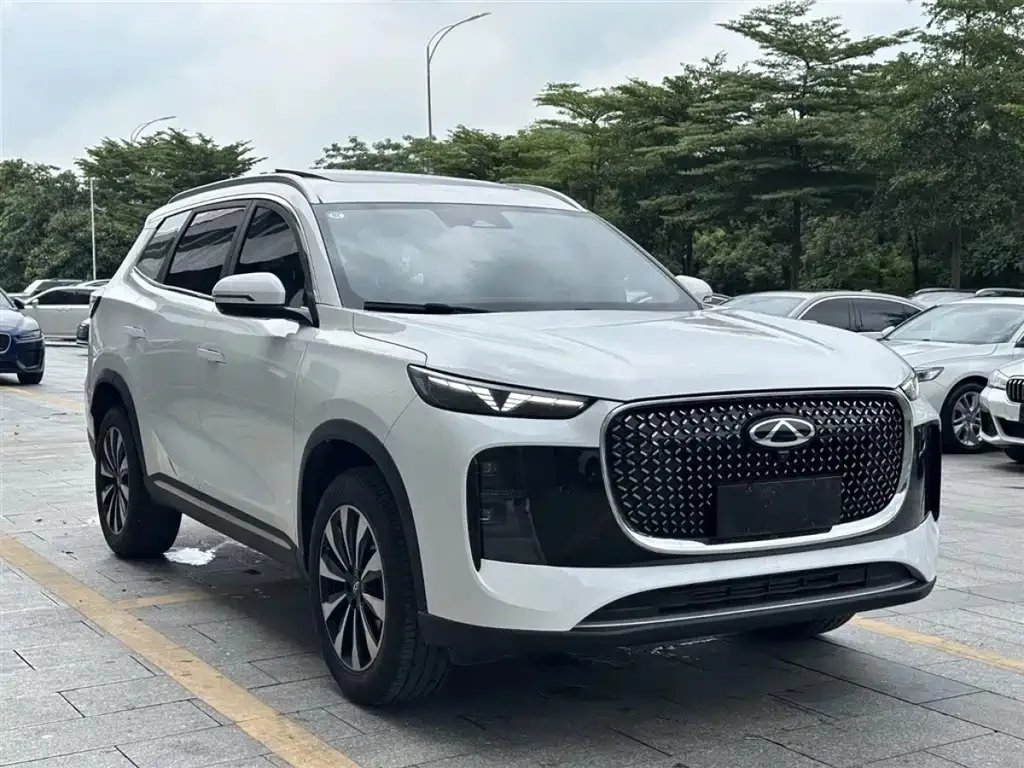
Against this backdrop, traditional Chinese brands like Chery and Haval have temporarily slipped into the background and are now working to regain lost ground. This has created an interesting paradox: outside China, their vehicles are becoming more common, while inside the country—even in major cities—they are seen much less often.
You may also be interested in the news:
2027 Ram 1500 Rumble Bee: Pricing, Options and How to Build Yours
The 777-HP Ram Rumble Bee Is Coming — But You Can Buy the New Hemi Truck Now
“Are You Sure It’s Chinese?” Who Really Builds China’s Car Engines
Who Really Develops China’s Car Engines?
This Ford F-150 Isn’t Just a Pickup — It’s an Orange Apocalypse on Four Wheels
This outrageous Ford F-150 listing turns an ordinary pickup into a mud-loving, obstacle-crushing legend with attitude.
Nissan Restarts US-Made Murano, Pathfinder, Frontier Sales in Canada
Nissan resumed Canadian sales of three U.S.-built models, but tariffs keep supply below earlier levels.
Stellantis Just Revealed Nine New Cars Under $40,000 — And Two Could Cost Less Than $30K
Stellantis plans nine cheaper vehicles as high prices leave American shoppers with fewer affordable new-car choices.