
Why Modern Engines Fail: What to Check Before Buying a Used Car
The biggest engine failures today often start with manufacturing defects, not just turbochargers, emissions rules, or electronics.
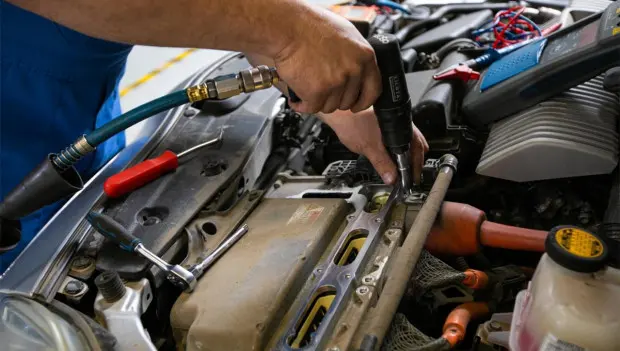
Turbocharging, advanced electronics, and strict emissions regulations often get blamed whenever a modern engine suffers a major failure. But recent recall campaigns paint a more troubling picture: an engine may be vulnerable not because it’s “too modern,” but because today’s highly stressed designs are far less forgiving of manufacturing defects.
A modern engine is a lot like a high-end office coffee machine. As long as everything is assembled correctly and maintained properly, it works quickly, efficiently, and without complaints. But if one small component isn’t exactly as intended, a simple cup of coffee turns into a long conversation with the service department. With a car, however, that conversation can end up costing as much as a used vehicle.
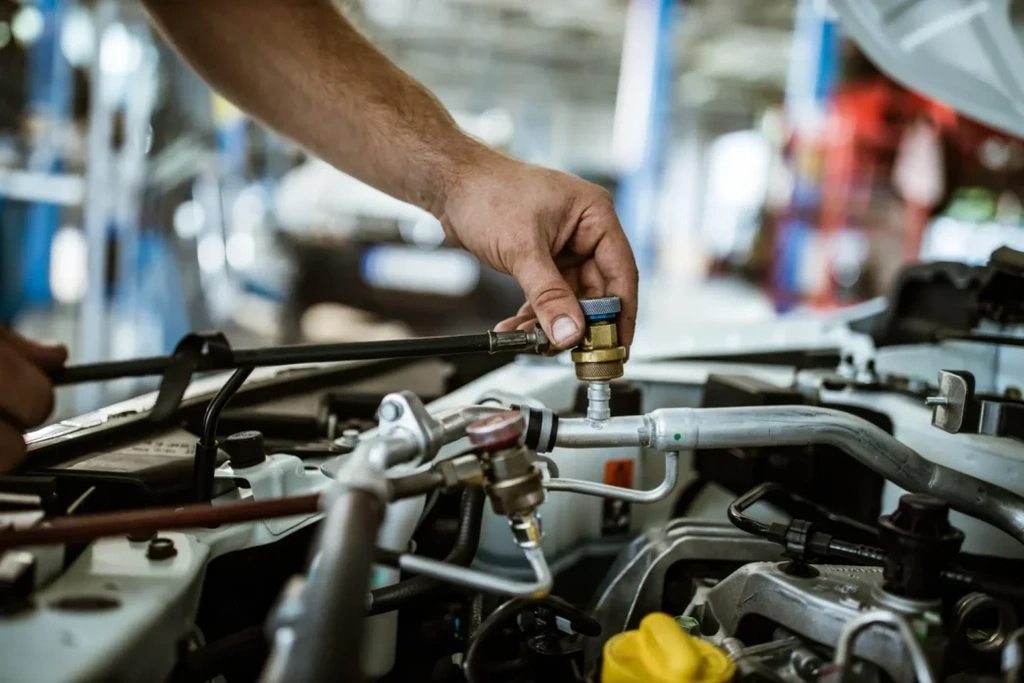
We reviewed official documents from several major recall campaigns in recent years to understand what went wrong with engines from Nissan, Toyota, General Motors, and Kia—and, more importantly, what lessons used-car buyers should take away from those cases.
Before diving into the examples, it’s worth remembering something often forgotten after a dramatic headline appears online. A handful of recalls does not mean the entire automotive industry has become disposable.
Turbochargers, direct injection, variable compression ratios, cylinder deactivation systems, and low-viscosity oils do not automatically doom an engine to an early death. Millions of vehicles using these technologies continue to rack up miles without incident.
That said, modern engines are far more dependent on manufacturing precision, oil quality, temperature management, and proper maintenance. Where an older naturally aspirated engine might tolerate slight imperfections in component dimensions or assembly cleanliness, a more highly stressed modern powertrain may react much faster—and much more expensively.
That common thread connects many of the most significant engine recalls of recent years. Official reports rarely blame emissions regulations or technology itself. Instead, they point to specific defects such as manufacturing debris, damaged bearings, improper component dimensions, or faulty piston rings.
Nissan VC-Turbo: Brilliant Technology, Costly Consequences
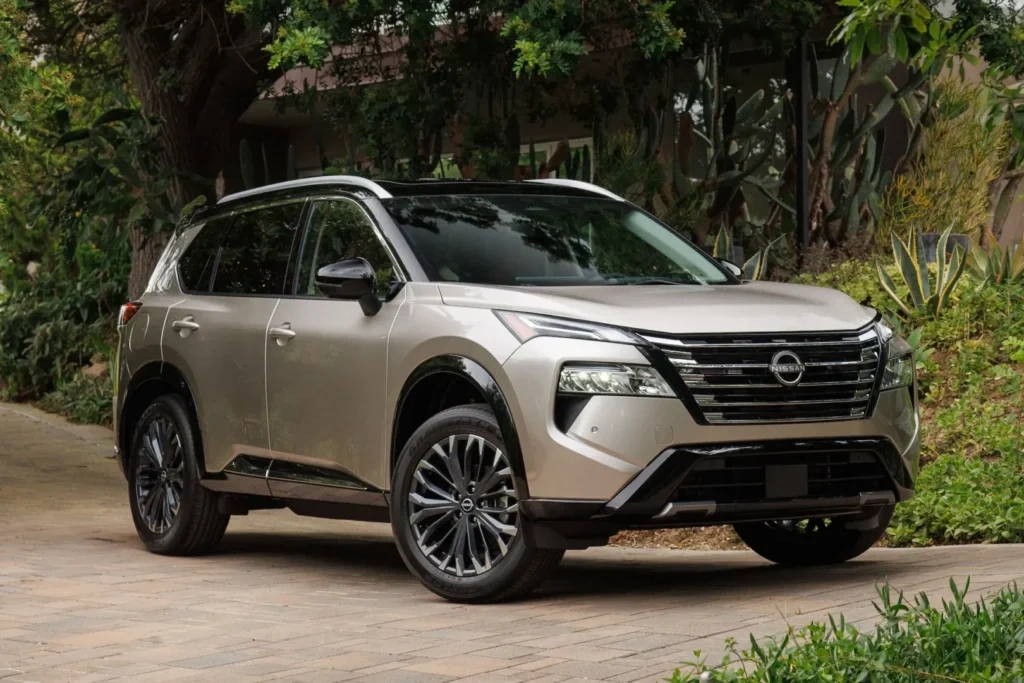
Nissan’s variable-compression VC-Turbo engines have always been considered an engineering showcase. Depending on driving conditions, the engine can alter its compression ratio to balance fuel economy and performance. It’s an elegant concept—but the more complex the system, the greater the consequences when something goes wrong.
In 2025, Nissan North America recalled 443,899 vehicles equipped with VC-Turbo engines. The campaign included 2021–2024 Nissan Rogue models, 2019–2020 Nissan Altimas, 2019–2022 Infiniti QX50s, and 2022 Infiniti QX55s.
According to Nissan, certain engine bearings or related components may have manufacturing defects that can lead to engine damage and, ultimately, engine failure while driving.
Importantly, the company noted that failures often provide warning signs before complete breakdown. Drivers may notice unusual engine noises, rough operation, warning lights, or messages appearing on the dashboard.
For used-car buyers, this is especially relevant. A clean-looking Nissan Rogue or Infiniti QX50 may not reveal whether recall repairs were ever completed. Only a VIN check and documented service records can provide that answer.
Toyota Tundra and Lexus LX 600: Reputation Isn’t Immunity
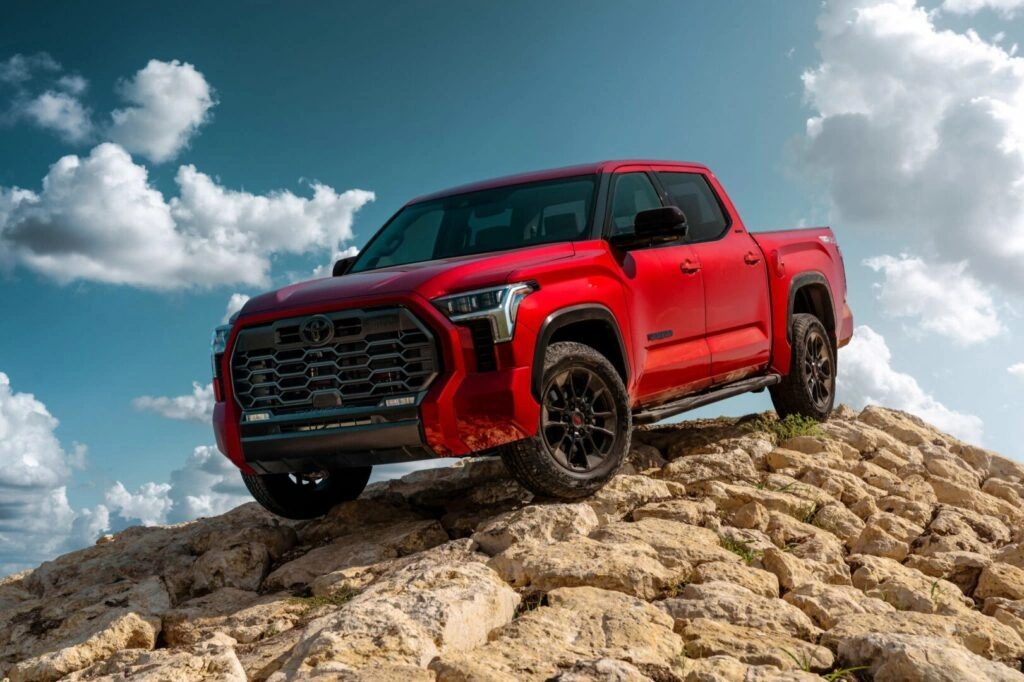
For years, Toyota enjoyed a reputation for bulletproof reliability. Buyers often didn’t need to know anything about the engine under the hood—they simply expected the vehicle to keep running.
That’s why the recall involving Toyota’s new twin-turbocharged V6 attracted so much attention.
The initial U.S. recall covered 102,092 vehicles, including 2022–2023 Toyota Tundra pickups and Lexus LX 600 SUVs. According to Toyota, some engines may contain machining debris left behind during manufacturing.
If those particles circulate through the engine, they can damage crankshaft main bearings. The result can be engine knocking, rough operation, failure to start, or complete engine shutdown while driving.
The Lexus LX 600 is particularly noteworthy because it remains a highly desirable used luxury SUV. If a seller insists that “Lexus never has problems,” that’s probably the moment to check the VIN—not reach for your wallet.
The case highlights an important distinction between brand reputation and the condition of a specific vehicle. A strong reputation improves the chances that a manufacturer will identify and address problems. It does not guarantee every vehicle is defect-free.
General Motors L87: A Big V8 Isn’t Always the Safe Bet
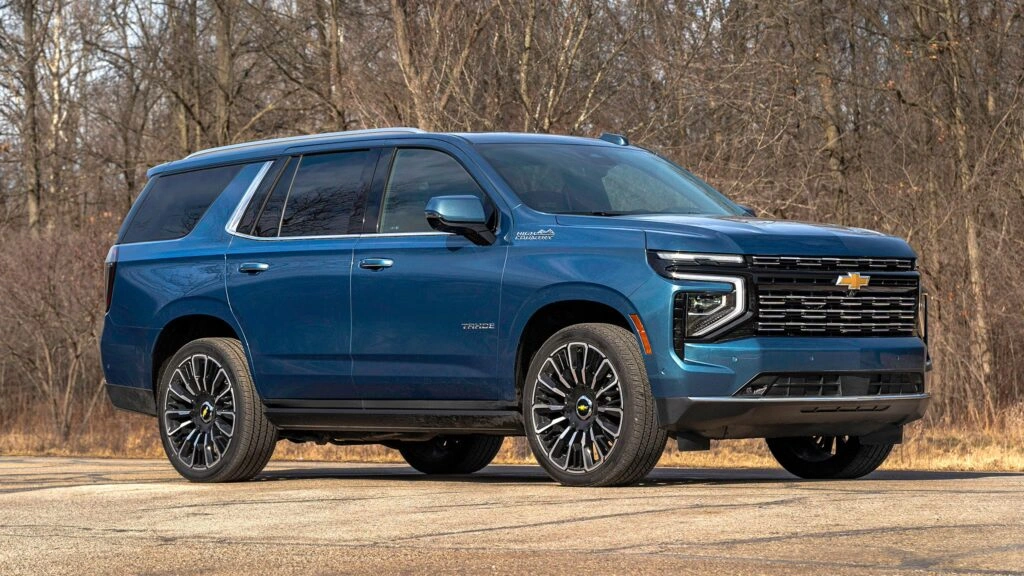
Many enthusiasts assume modern engine problems mainly affect small turbocharged powerplants. The logic seems simple: buy a large American V8, and reliability concerns disappear.
General Motors’ recall involving the 6.2-liter L87 V8 tells a different story.
The engine was installed in several Chevrolet, GMC, and Cadillac models, including the Cadillac Escalade. According to U.S. regulators, affected engines were produced between March 2021 and May 2024.
GM identified connecting rod bearing damage linked to contamination in connecting rods and crankshaft oil passages, along with crankshaft dimensions and surface finishes that failed to meet specifications. These issues can result in bearing damage, loss of power, and complete engine failure.
The scale of the problem was substantial. GM reported 28,102 potentially related incidents in the United States, including 14,332 reports involving loss of propulsion.
For inspected vehicles, GM prescribed an oil change using higher-viscosity oil, a new oil-fill cap, a replacement oil filter, and updated owner’s manual information. Engines requiring additional work could be repaired or replaced.
For buyers considering a Cadillac Escalade, Chevrolet Tahoe, or a full-size GM pickup, the lesson is straightforward: engine displacement and a great exhaust note are no substitute for a VIN check and service history review.
A large engine can generate a large repair bill just as easily.
Kia Soul and Seltos: When Oil Consumption Is the First Warning Sign

Another notable recall involved 2021–2023 Kia Soul and Kia Seltos models equipped with the 2.0-liter Nu MPI engine. Approximately 137,000 vehicles in the United States were affected.
Kia traced the issue to piston oil-control rings that failed to meet quality standards at a supplier. Over time, the rings can damage cylinder walls, leading to increased oil consumption, abnormal engine noise, and low-oil-pressure warnings.
If ignored, the condition can eventually cause engine seizure and loss of power. In some cases, leaking oil may contact hot exhaust components and create a fire risk.
For used-car shoppers, brand perception matters less than the actual condition of the vehicle. Oil level, blue exhaust smoke, unusual cold-start noises, and documented service history are all critical indicators.
A vehicle may have spotless paint, a pristine interior, and a large touchscreen, but none of that matters if the engine burns oil faster than the owner can top it off.
So Why Are Modern Engines Failing?
After reviewing regulatory documents, the answer turns out to be less dramatic than many headlines suggest—but far more useful for consumers.
Modern engines are not failing en masse simply because of turbochargers, emissions regulations, or electronic controls. However, they do operate under more demanding conditions: more power from smaller displacements, tighter thermal management, narrower tolerances, and increasingly sophisticated components.
In that environment, manufacturing defects become far more serious. A tiny metal particle, an improperly finished crankshaft, a defective bearing, or a faulty piston ring has a much greater chance of causing a major failure.
In other words, modern engines are not necessarily weaker than older ones. They are simply less tolerant when someone at the factory, service shop, or home garage decides that “good enough” is good enough.
What to Check Before Buying a Used Vehicle
The first step before purchasing any used vehicle is to check the VIN for open recall campaigns. Buyers should also verify the VIN through the database of the U.S. National Highway Traffic Safety Administration (NHTSA).
Request documentation proving that recall repairs were actually completed. A seller’s claim that “the previous owner already handled it” is not documentation. Look for service invoices, dealer records, or VIN-based confirmation.
Pay attention not only to mileage but also to maintenance history. Infrequent oil changes, long periods of driving with warning lights illuminated, vague engine repair records, or a freshly detailed engine bay should raise more concern than a scratched bumper.
A recall campaign does not automatically make a vehicle a bad purchase. In fact, it means the problem has been identified and an official repair procedure exists. A vehicle with the same defect but no documented repair history is far more concerning.
The experiences of Nissan, Toyota, General Motors, and Kia do not prove that modern engines are doomed. They demonstrate something else: when shopping for a modern used vehicle, brand reputation and attractive photos are no longer enough.
A VIN check, maintenance records, recall verification, and a thorough inspection are essential.
Because the most expensive engine isn’t necessarily the one packed with technology. It’s the one whose problems you discover only after signing the paperwork.
You may also be interested in the news:
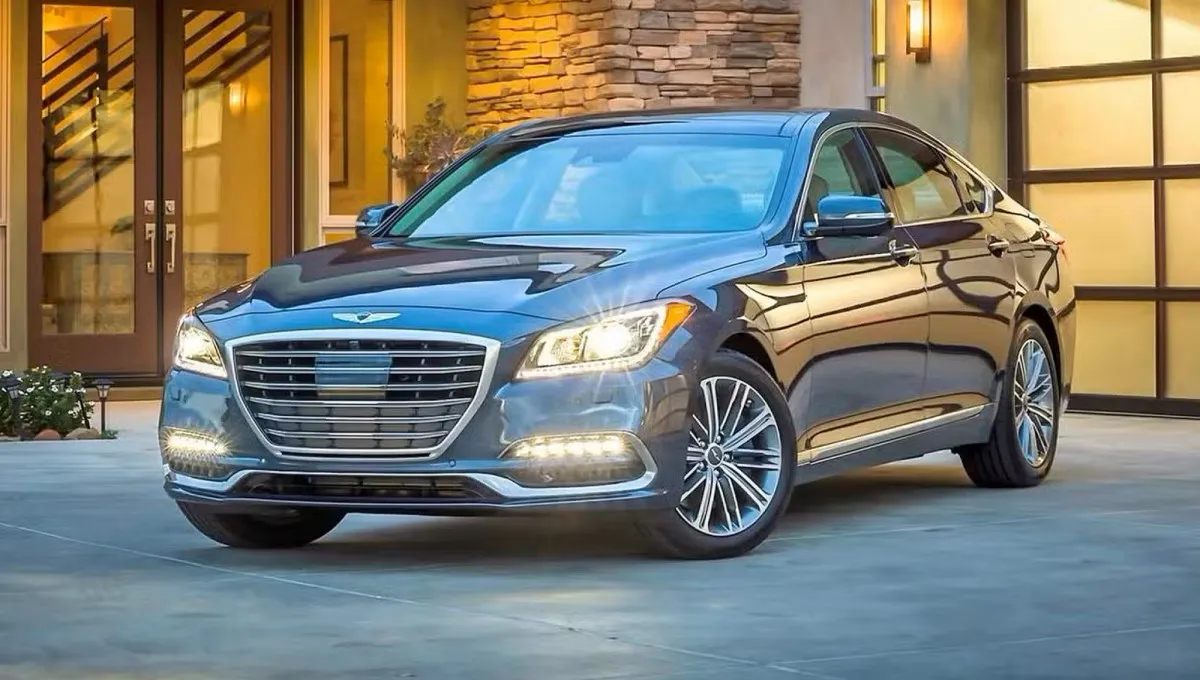
Hyundai Recalls Nearly 95,000 Genesis Sedans Over Fire Risk From Power Seats
Hyundai is recalling 94,622 Genesis sedans after a faulty power seat switch was linked to overheating and potential vehicle fires.
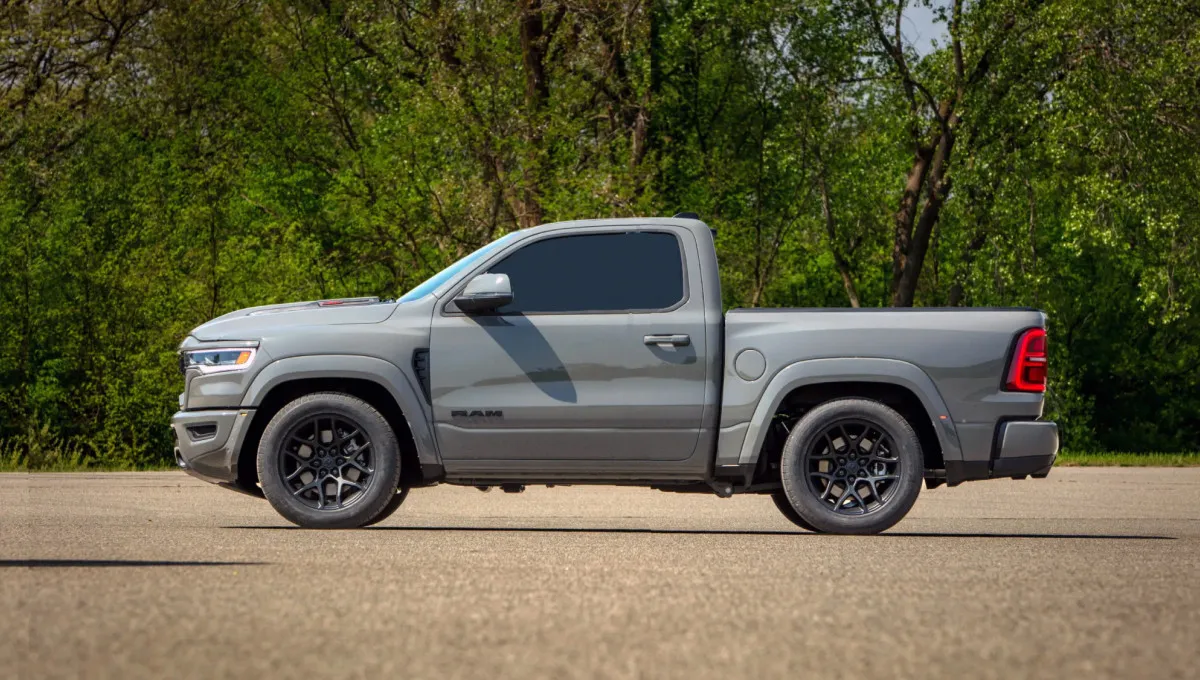
2027 Ram 1500 Rumble Bee: Pricing, Options and How to Build Yours
The 777-HP Ram Rumble Bee Is Coming — But You Can Buy the New Hemi Truck Now
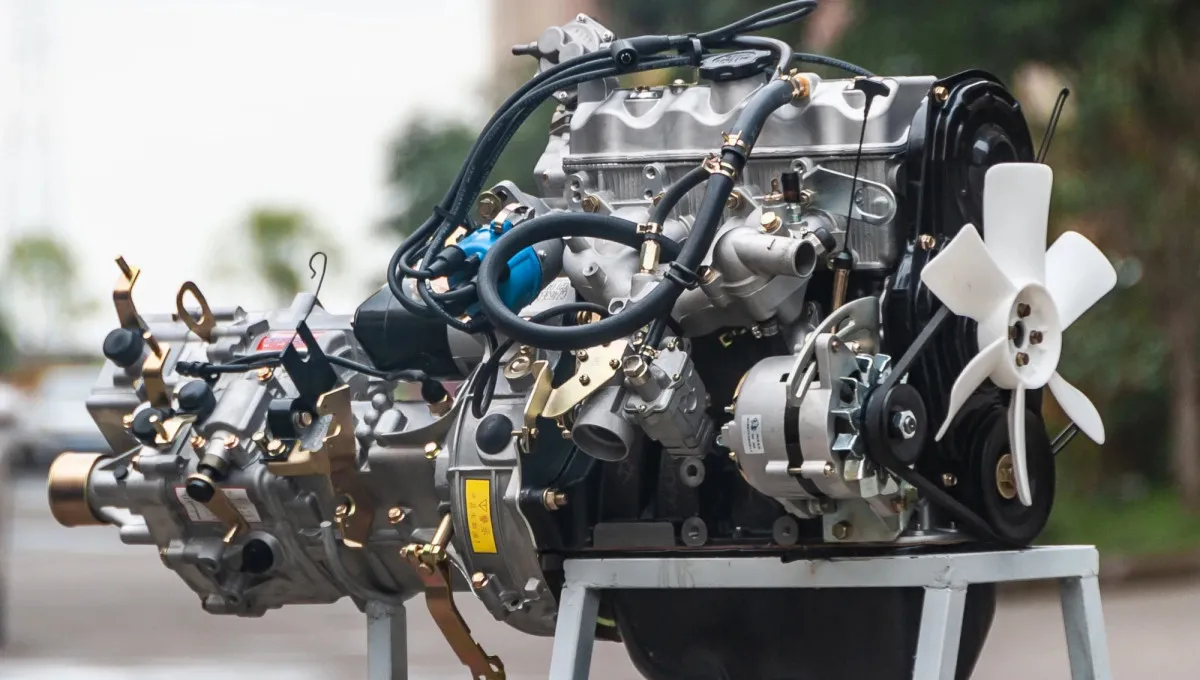
“Are You Sure It’s Chinese?” Who Really Builds China’s Car Engines
Who Really Develops China’s Car Engines?
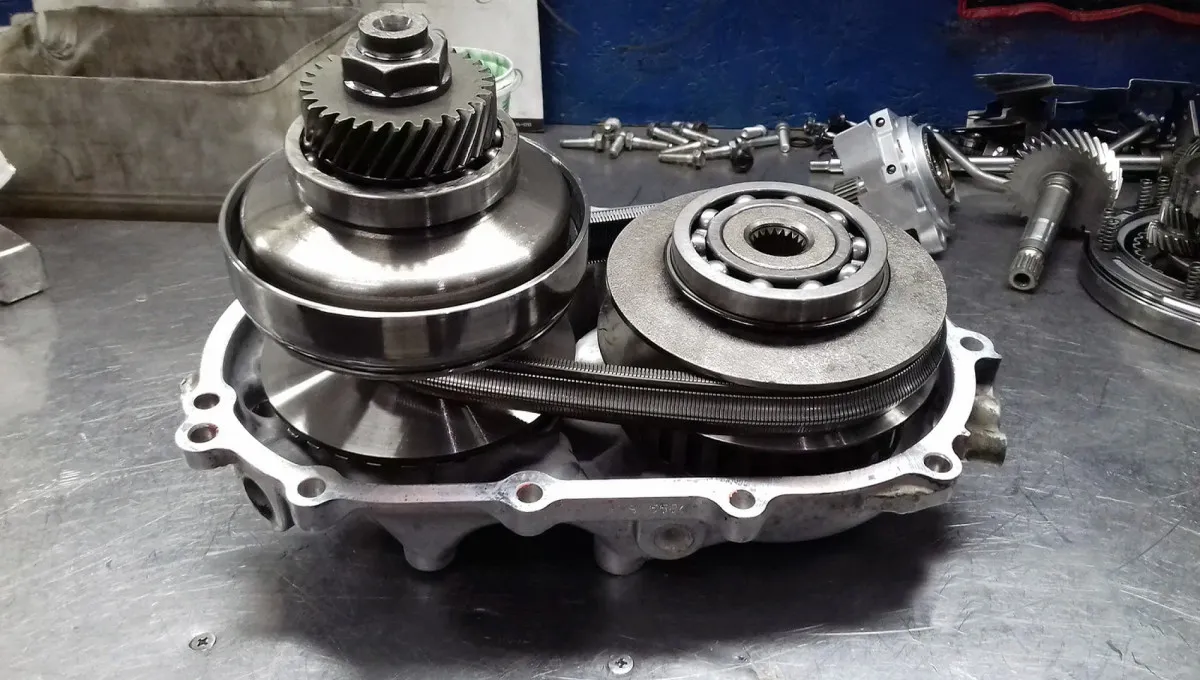
Why Experienced Drivers Still Warn Against Buying a Used Car With a CVT
CVTs offer smooth acceleration and good fuel economy, but expensive repairs and durability concerns make used models risky.
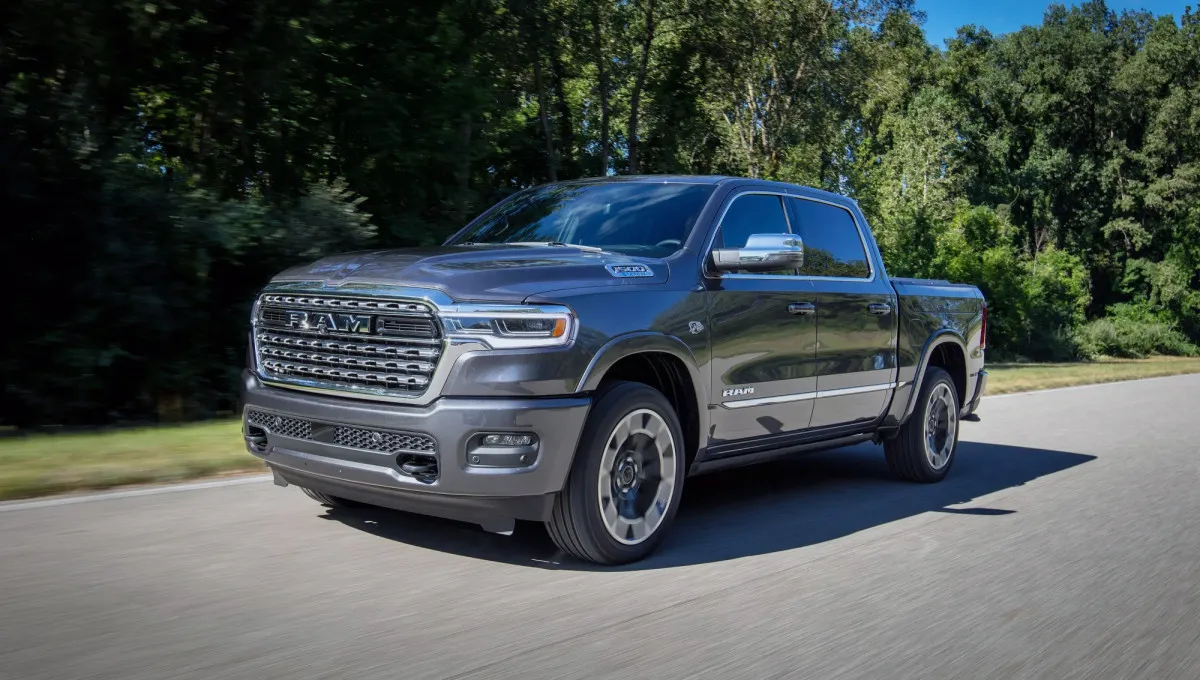
2026 Ram 1500 Recall: 16K Trucks May Have Faulty Tire Pressure Sensors
Ram is recalling 16,385 model-year 2026 Ram 1500 trucks